
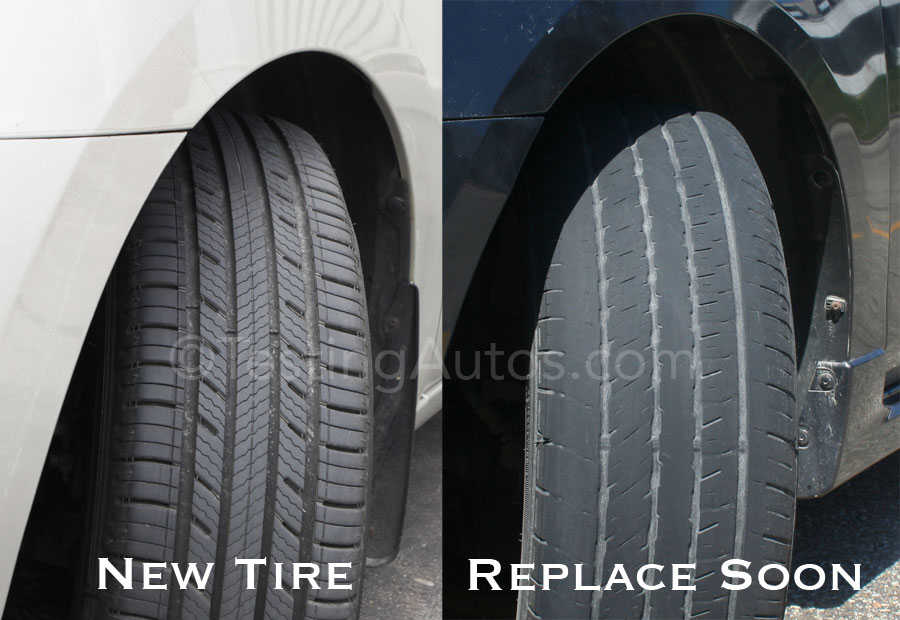
Car tires should be replaced every six years. This depends on various factors, including driving habits and road conditions.
Tires are crucial for your car’s safety and performance. They grip the road, ensuring smooth rides and quick stops. Over time, tires wear out and lose their effectiveness. Worn tires can be dangerous, leading to accidents or breakdowns. Knowing when to replace them can save you money and keep you safe.
In this blog, we will explore the signs of tire wear, factors affecting tire lifespan, and tips for maintaining your tires. By the end, you’ll know exactly when to replace your car tires, ensuring your vehicle remains safe and reliable.
Importance Of Tire Replacement
Tires wear out over time. Old tires can be dangerous. Worn out tires reduce grip on the road. This can cause accidents. Good tires help in quick stops. They also help in sharp turns. Bald tires are a risk. They can blow out while driving. This can lead to crashes.
New tires improve car performance. They provide better traction. This helps in bad weather. Old tires can hurt fuel efficiency. You may need to fill up more often. Smooth tires can slip. This affects handling. Good tires give a smooth ride. They also reduce road noise.
Signs Your Tires Need Replacement
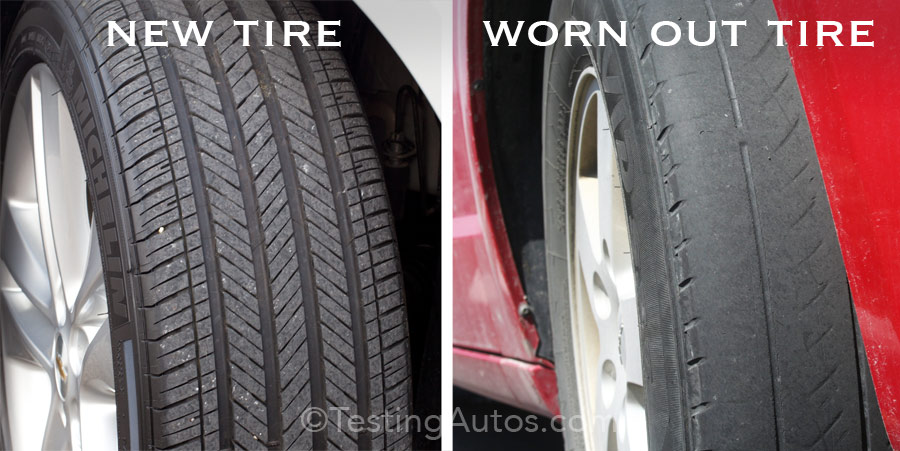
Bald spots, cracks, or bulges on tires signal it’s time for replacement. Most experts recommend changing car tires every six years. Regular tire checks ensure safety on the road.
Tread Wear Indicators
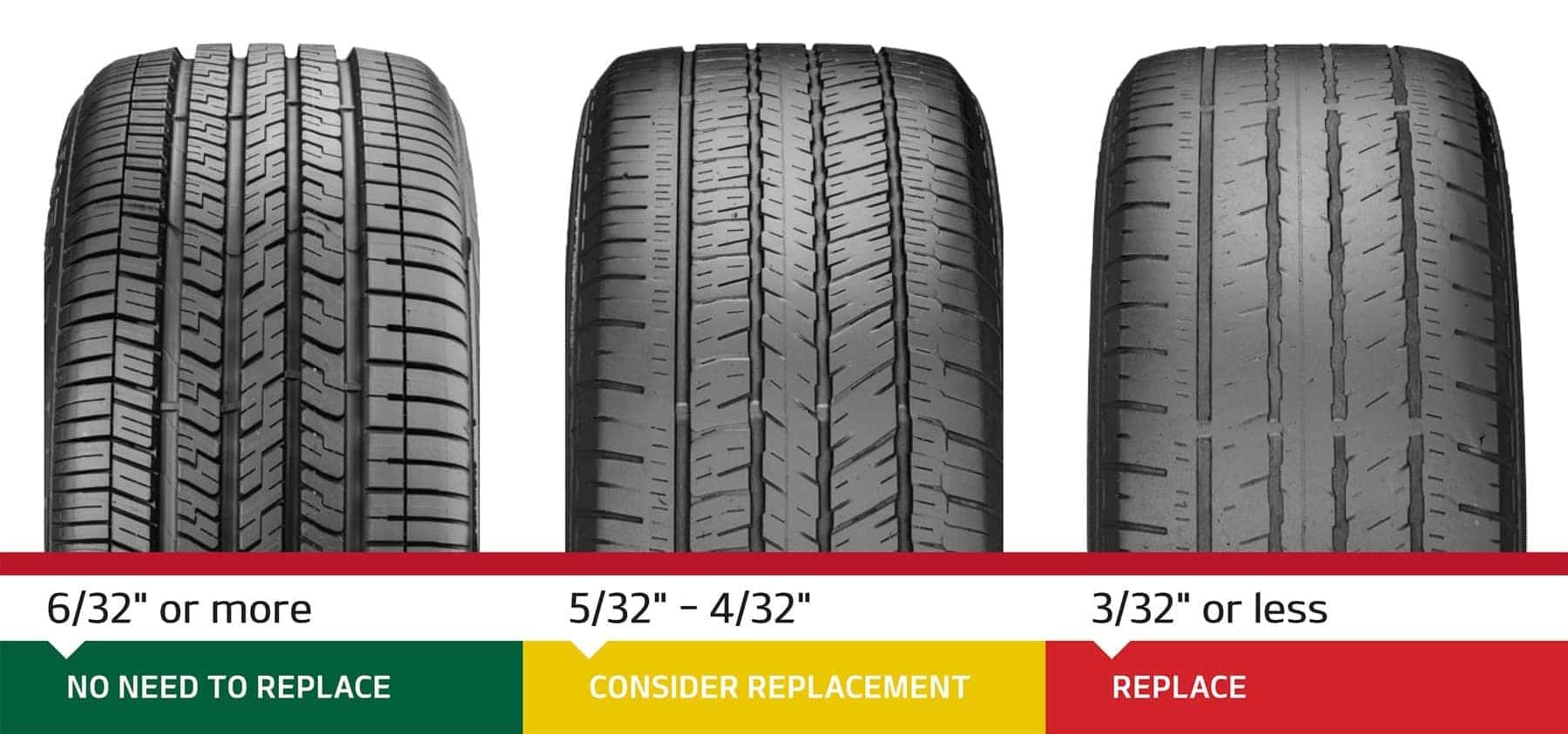
Check your tires for tread wear indicators. These are small bars within the tread grooves. They become more visible when the tread is worn. If you see these bars, your tires need replacing. Good tread helps maintain grip on the road. Worn tread can be dangerous, especially in wet conditions.
Visible Damage
Look for visible damage on your tires. This includes cracks, cuts, or bulges. Such damage can cause tire failure. Check the sidewalls and tread area. Any visible damage means it’s time to replace your tires. Safety should always come first. Do not ignore these signs.
Recommended Replacement Intervals
Car tires should be replaced after driving 25,000 to 50,000 miles. This range depends on the type of tire and driving conditions. Regular checks help in knowing the exact condition. Keep an eye on tread wear and performance.
Replace tires after 6 years even if they look fine. Tire rubber ages and becomes less effective. Check the manufacture date on the tire sidewall. Older tires may cause safety issues.
Credit: www.bridgestoneamericas.com
Factors Affecting Tire Lifespan
Aggressive driving wears tires quickly. Fast starts and hard stops are bad. Smooth driving helps tires last longer. Avoid sudden turns. Gentle driving is best for tire life.
Good roads help tires last longer. Potholes and rough roads wear tires fast. Smooth roads are better. Gravel roads can damage tires. Drive slowly on rough roads. Avoid sharp objects on the road.
Seasonal Considerations
Winter tires are made for cold weather. They have a special grip. This grip helps in snow and ice. Change to winter tires before it gets too cold. Check your tires for damage after winter ends. They might wear out faster.
Summer tires work best in warm weather. They offer good control on dry roads. Switch to summer tires when winter ends. These tires wear out slower in hot weather. Always check for cracks and wear. Replace them if needed.
Credit: www.testingautos.com
Checking Tire Condition
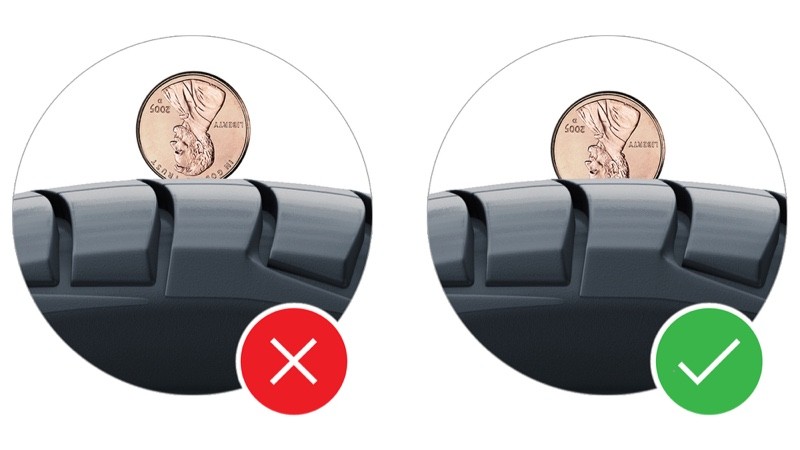
Check the tread depth regularly. Tires with low tread can be dangerous. Use a penny to check tread. Place it in the groove. If you see Lincoln’s head, tread is too low. Replace tires soon. Deep tread grips road better. Keeps you safe in rain and snow.
Inspect the tire sidewalls for damage. Look for cuts, cracks, or bulges. Damaged sidewalls can cause tire failure. Check for nails or sharp objects. Remove them carefully. Any visible damage means you need a new tire. Sidewalls help keep tires strong. Ensure they are in good condition.
Expert Tips For Extending Tire Life
Replace car tires every six years to ensure safety and performance. Regularly check for tread wear and damage. Rotate tires every 5,000 miles to extend their life.
Proper Inflation
Proper inflation is key to tire life. Check tire pressure monthly. Use a reliable gauge. Follow your car manual for the right pressure. Over or under-inflation harms tires. It also affects fuel economy and safety. Properly inflated tires wear evenly. This extends their life.
Regular Rotations
Tire rotation is essential. Rotate tires every 5,000 to 8,000 miles. This ensures even wear. Check your car manual for rotation patterns. Front tires wear faster. Rotating them will balance the wear. This helps all tires last longer.
Choosing New Tires
New tires must match your car’s specifications. Check the car manual. It gives the right size and type of tire. Wrong size can harm your car. Safety is the top priority.
Quality brands offer better performance. They last longer and provide good grip. Some trusted brands include Michelin, Goodyear, and Bridgestone. These brands are known for reliability and durability. Investing in good tires can save money over time.
Credit: www.federicokia.com
Frequently Asked Questions
How Long Do Tires Last On Average?
Tires typically last between 25,000 to 50,000 miles. Lifespan depends on driving habits, road conditions, and tire maintenance. Regular checks and proper inflation can extend their life.
How Often Do You Really Need New Tires?
You typically need new tires every 25,000 to 50,000 miles. Regularly check tread depth and tire condition.
How Do I Know If My Tires Need Replacing?
Check tire tread depth with a penny test. Inspect for cracks, bulges, or uneven wear. Monitor for frequent air pressure loss. Listen for unusual noises while driving. Replace tires every 6 years, regardless of wear.
Are 7 Year Old Tires Still Good?
Seven-year-old tires may not be safe. Check for cracks, tread wear, and manufacturer recommendations. Replace if necessary for safety.
Conclusion
Replacing car tires is essential for safety. Regular checks are crucial. Worn-out tires can cause accidents. Replace them every 6 years or 40,000 miles. Check tread depth often. Look for cracks and bulges. Good tires improve fuel efficiency. They also ensure a smooth ride.
Keep your tires in top shape. Your safety depends on it.