
Tires hold up a car by distributing its weight evenly. They also provide traction, making the vehicle stable and safe to drive.
Understanding how tires support a car is fascinating. Tires are more than just rubber circles. They play a crucial role in ensuring your vehicle moves smoothly and safely. The design and structure of tires help distribute the car’s weight. This allows for a balanced ride.
The air pressure inside the tires also supports the weight, keeping the car off the ground. Tread patterns on tires create grip, preventing slipping. This grip is vital for steering and braking. In this blog, we’ll explore how tires manage to hold up a car so efficiently. Let’s dive in and uncover the science behind these essential components.

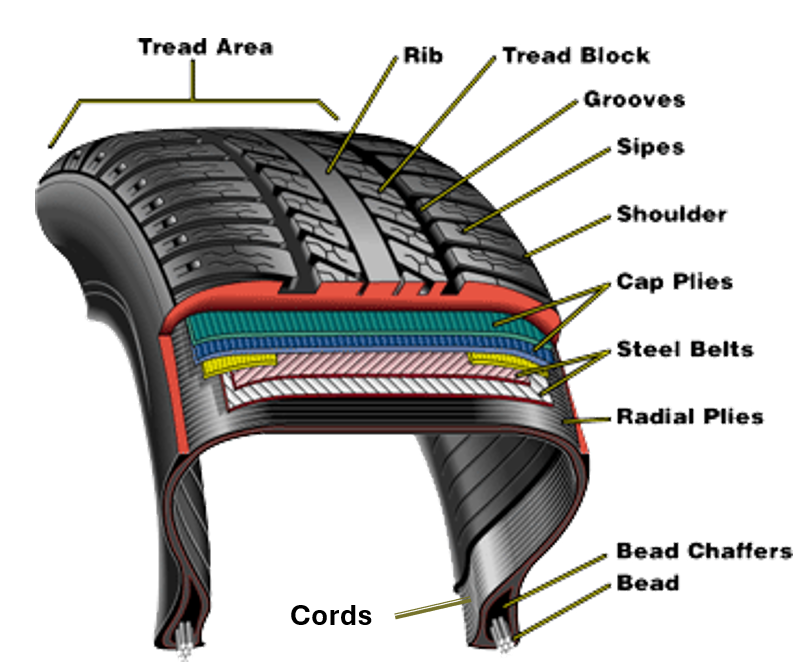
Credit: auto.howstuffworks.com
Tire Structure
Tires are made of many layers. These layers include rubber, fabric, and steel. Each layer has a job. The outer layer is the tread. It touches the road. Underneath, there are belts made of steel. They help the tire keep its shape. The inner layers are softer. They make the ride comfortable. Each layer works together to hold up the car.
Different tires have different tread patterns. These patterns help the tire grip the road. Some patterns are good for rain. Others are better for snow. All-season tires have a mix. They work in many types of weather. The pattern helps keep the car safe. It prevents slipping and sliding.
Air Pressure
Proper inflation is crucial for tire performance. Tires need the right amount of air. This supports the car’s weight. Too much or too little air is bad. Over-inflated tires wear out faster. Under-inflated tires can cause accidents.
Air pressure affects how a car drives. Correct pressure makes the ride smooth. It also saves fuel. Low pressure can make tires overheat. High pressure can make the ride bumpy. Regularly check tire pressure for safety.
Friction And Grip
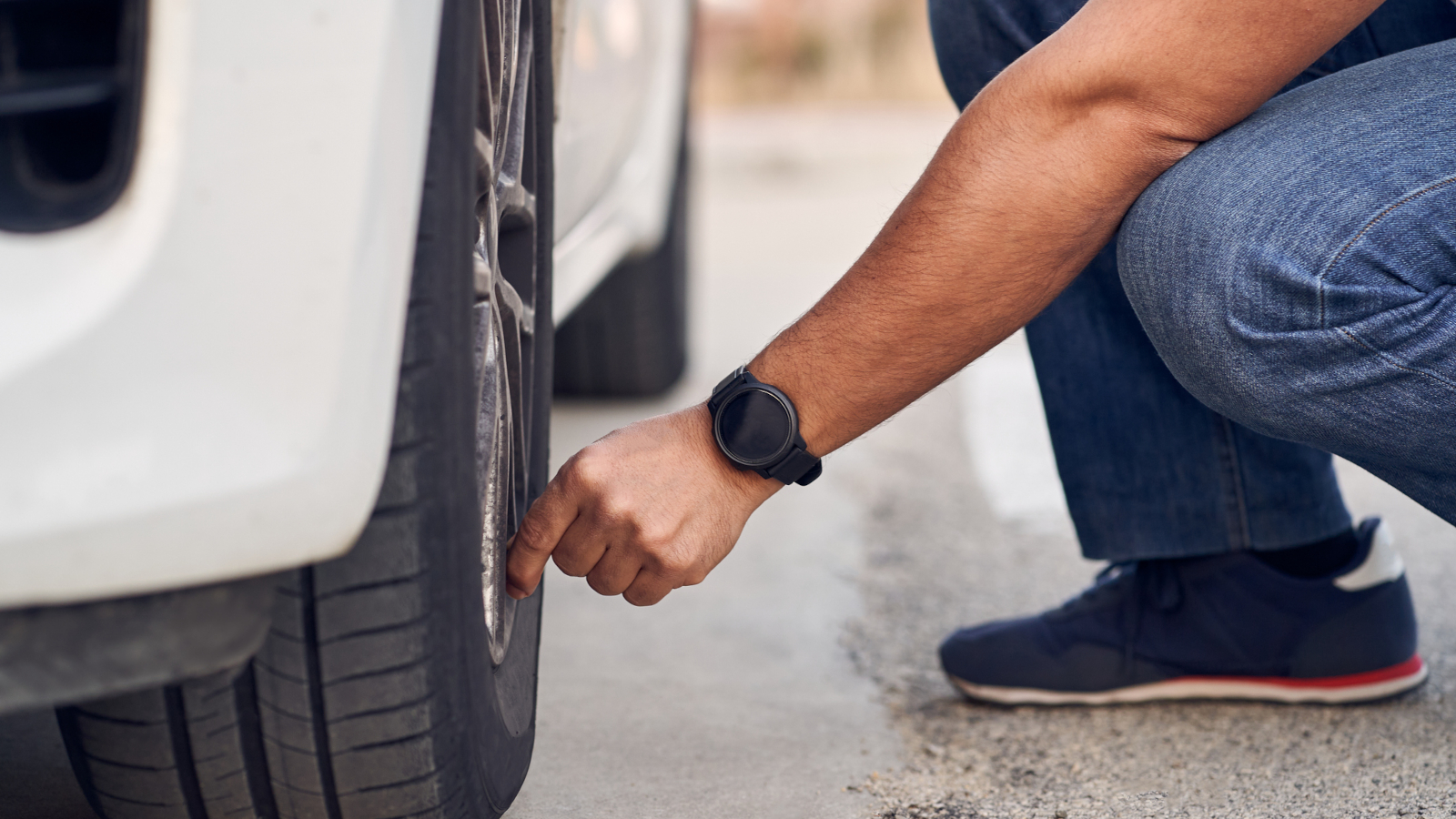
The contact patch is where the tire meets the road. This small area is crucial. It affects how well the car grips the road. More contact patch means better traction. Better traction means safer driving.
Traction depends on the tire’s design. Tread patterns help. Grooves channel water away. This reduces the risk of hydroplaning. Soft rubber compounds also help. They increase grip by sticking to the road.
Some tires have special features. These might be designed for snow or mud. They improve grip in tough conditions. Always choose the right tire for your needs. This ensures the best performance and safety.
Credit: auto.howstuffworks.com
Load Distribution
Tires support a car by distributing its weight evenly. They provide grip, stability, and absorb shocks from the road. Properly inflated tires ensure safe and smooth driving.
Weight Support
Tires carry the car’s weight. Air inside the tire supports the load. The tire’s shape helps spread the weight evenly. This prevents the tire from bursting. Strong materials inside the tire add support. This makes sure the car stays stable.
Cornering Forces
Tires also handle cornering forces. When a car turns, forces push the tires sideways. The tire’s grip on the road keeps the car from sliding. Tread patterns help with this grip. They channel water away during wet conditions. This improves safety.
Suspension Interaction
Tires and suspension work together to absorb shocks. This keeps the ride smooth. Tires flex to absorb small bumps. The suspension handles larger shocks. Both parts reduce the impact felt inside the car. This makes driving more comfortable.
Without this interaction, the ride would be rough. You would feel every bump. Tires and suspension ensure a safe and pleasant journey. They work as a team to protect the car and passengers. This teamwork is crucial for a smooth ride.
Proper alignment ensures tires wear evenly. This helps the car handle better. Misaligned tires can cause uneven wear. This leads to poor traction. Regular alignment checks can prevent this. Proper alignment also improves fuel efficiency. It reduces strain on the engine.
Alignment affects how the car drives. It keeps the tires in the right position. This helps with steering and control. Good alignment keeps the car safe and efficient. Always check your alignment for the best performance.

Credit: www.youtube.com
Temperature Effects
Tires get hot from driving. Heat makes rubber soft. Soft rubber wears out fast. Driving fast increases heat. Brakes add more heat. Hot days make tires even hotter. Proper air pressure helps. Too low or high can be bad. Check tire pressure often. Keep tires cool to last longer.
Seasons change tire performance. Summer tires are for warm weather. Winter tires grip better in cold. All-season tires work okay in both. Cold makes rubber hard. Hard tires lose grip. Snow and ice need special tires. Change tires with seasons. Safe driving needs right tires.
Wear And Tear
Tires have tread wear indicators. These are small raised bars. They are found in the grooves of your tire. Once the tread wears down to these bars, it means the tire needs replacing. This helps you know when to get new tires. This ensures your car is safe on the road.
Many factors affect tire life. Driving habits play a big role. Fast driving wears tires quickly. Road conditions also matter. Rough roads damage tires faster. Tire maintenance is key. Regularly check tire pressure. Rotate your tires often. Proper care makes tires last longer. Temperature affects tires too. Hot weather can wear them out.
Technological Advancements
Tires today use new materials. These materials make tires stronger. They also help tires last longer. Some tires use silica. Silica makes tires grip the road better. This helps in both rain and dry weather. Other tires use carbon fiber. Carbon fiber is very strong. It helps tires stay in shape. This helps the car handle well.
Smart tires have sensors. These sensors check tire pressure. They also check tire wear. Drivers get alerts. This helps keep the tires in good shape. Smart tires can send data to a phone. This makes it easy to track tire health. Some smart tires adjust themselves. They change based on the road. This gives a smoother ride.
Frequently Asked Questions
How Do Tires Hold Up Cars?
Tires hold up cars by providing support through air pressure inside them. The rubber and tread create friction with the road.
How Do Tires Support The Weight Of A Car?
Tires support a car’s weight by evenly distributing the load across their surface. They use air pressure and structural integrity to absorb shocks and provide stability.
How Do Wheels Hold Up A Car?
Wheels support a car by distributing its weight through the axles. They enable smooth movement and balance. Tires provide traction, ensuring stability and control.
What Holds Your Tire On Your Car?
Wheel lug nuts or bolts hold your tire on your car. They secure the wheel to the vehicle’s hub. Proper tightening is essential for safety.
Conclusion
Tires play a crucial role in supporting your car’s weight. They ensure smooth rides and enhance safety. Proper tire maintenance is essential. Check tire pressure regularly. Rotate tires to ensure even wear. Balanced tires improve fuel efficiency. Quality tires enhance driving experience.
Invest in good tires for better performance. Your car relies on them. Keep them in top shape. Safe travels start with well-maintained tires. Remember, tires are your car’s foundation. Treat them well for a smooth journey.