
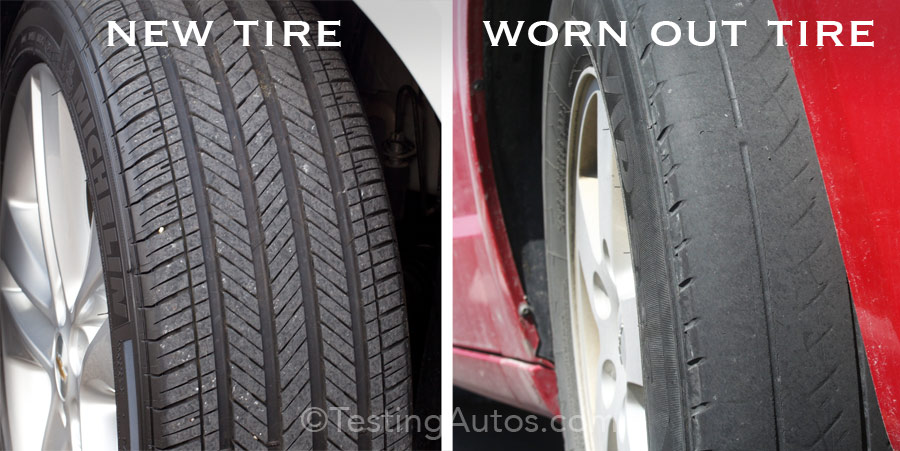
How often should you change your car tires? The answer depends on several factors.
Generally, it is recommended to change car tires every six years. Driving conditions, tire quality, and maintenance habits can impact tire lifespan. Regular checks can help you spot issues early. Worn tires can lead to accidents. Thus, understanding when to replace them is crucial.
This blog will guide you on the factors affecting tire life. It will help you determine the right time for a change. Stay tuned for practical tips and insights. Safe driving starts with good tires. Let’s dive in!
Credit: www.testingautos.com
Importance Of Tire Maintenance
Worn tires are dangerous. They can cause accidents. The grip on the road reduces. This increases stopping distance. Wet roads become slippery. Risk of skidding is high. Tire blowouts can happen. This can cause loss of control. Regular checks are vital. Look for cuts and bulges. Replace tires if damaged. Your life depends on it.
Good tires improve performance. They provide better handling. Fuel efficiency increases too. Worn tires reduce mileage. Engine works harder. This uses more fuel. The car feels smoother with good tires. It responds better to steering. Comfort improves. Regular tire checks save money. They also enhance driving pleasure.
Signs You Need New Tires
Worn-out treads, frequent air pressure issues, and vibration while driving signal the need for new tires. Changing tires every 6 years is recommended. Regular checks can help ensure safety.
Tread Depth Indicators
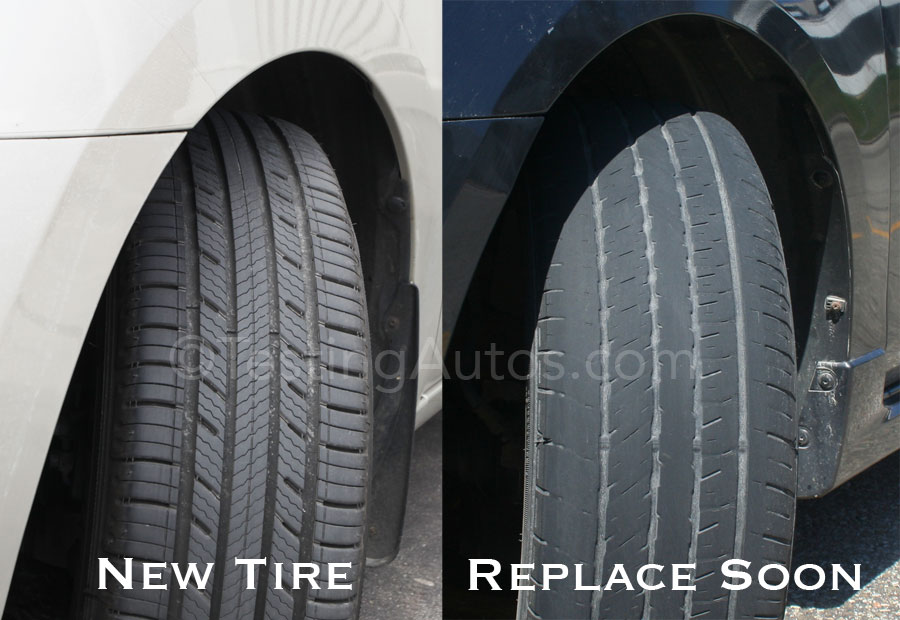
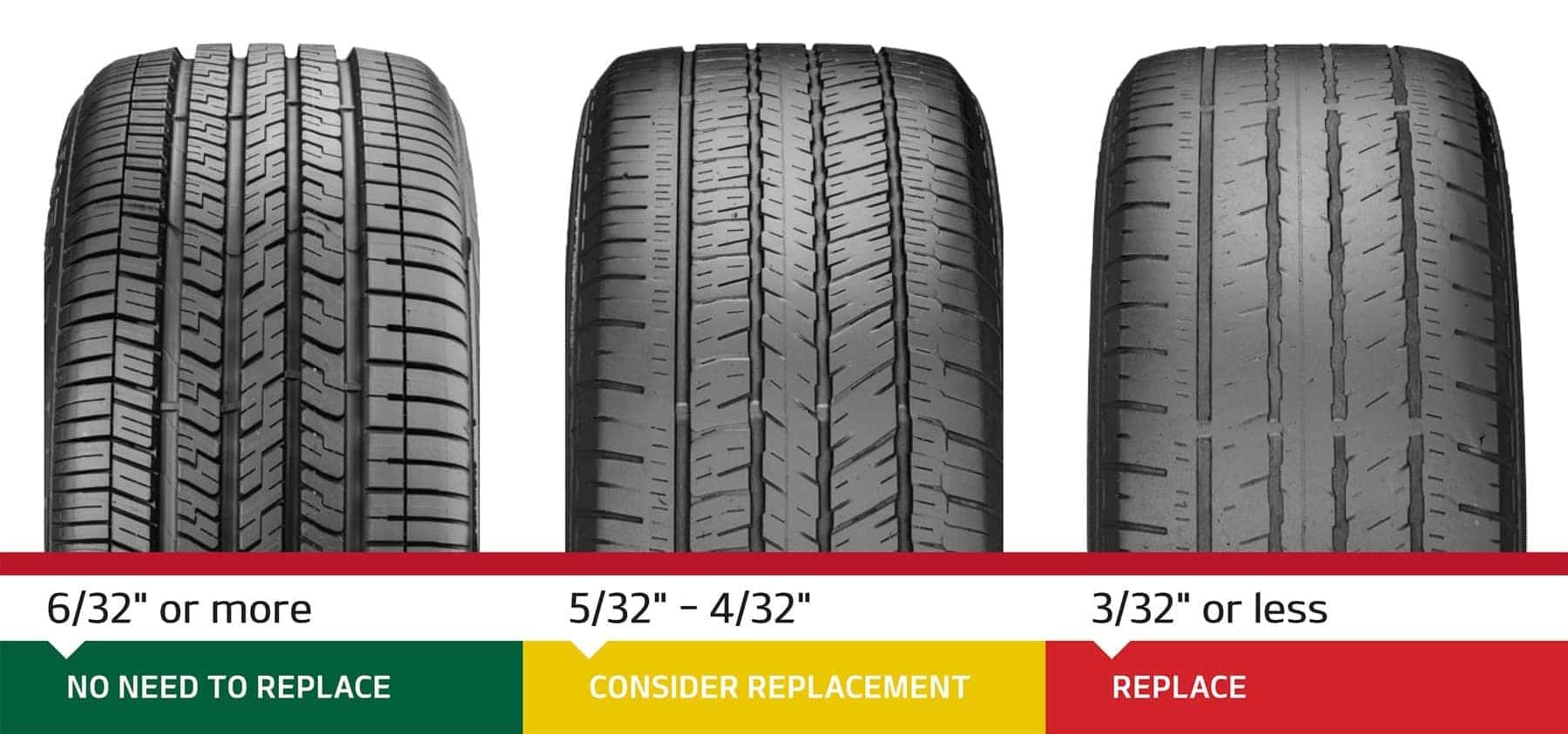
Tires have small bars in the grooves. These bars are called tread depth indicators. If these bars are level with the tread, it’s time for new tires. Tread depth should be more than 2/32 of an inch. Less than that can be dangerous. Good tread helps with grip. Without it, you might slip on wet roads.
Visible Damage
Check for cuts, cracks, or bulges on your tires. These can be signs of damage. Damaged tires can cause accidents. Small stones or debris can get stuck in the tread. Remove them to prevent further damage. Also, look for uneven wear on the tires. This can mean alignment issues. Fixing these can extend tire life.
Mileage Considerations
Car tires usually last between 25,000 to 50,000 miles. The lifespan can vary based on several factors. Quality of the tire is very important. Some tires are made to last longer. Regular maintenance also plays a big role. Keeping tires properly inflated can help them last longer. Checking for wear and tear is crucial. Always follow the manufacturer’s recommendations.
Driving habits affect tire lifespan. Aggressive driving wears out tires faster. This includes quick starts and stops. Driving on rough roads also reduces tire life. Smooth driving helps tires last longer. Avoid potholes and rough terrain whenever possible. Consistent speeds are better for tire health. Remember, careful driving can save money on tires.

Credit: www.sterlingmccalltoyota.com
Seasonal Tire Changes
Winter tires are made for cold weather. They offer better grip on snow and ice. Change to winter tires when the temperature drops below 45°F (7°C). They are soft and wear out faster in warm weather. So, switch back to regular tires when it gets warmer.
Summer tires work best in warm weather. They provide better handling on dry roads. Use them when the temperature is above 45°F (7°C). These tires are hard and can handle heat. They wear out quickly in cold weather. Change them when it gets cold.
Influence Of Road Conditions
City roads are often smoother than rural roads. Urban roads usually have fewer bumps. Less wear on tires means longer life. Rural roads can have gravel and potholes. These cause more damage to tires. Change tires more often if you drive in rural areas.
Off-roading is tough on tires. Rocks, mud, and uneven ground cause fast wear. Regular checks are important. Replace tires often if you go off-road a lot. Safety comes first.
Manufacturer Recommendations
Warranty guidelines often suggest tire changes every 6 years. Some brands offer advice based on mileage. Generally, tires should be inspected after 5 years. Tires might last up to 10 years with proper care.
Brand-specific Advice
Different brands have unique guidelines. Bridgestone advises checking tires every 5 years. Michelin suggests replacing tires every 10 years. Always refer to your tire brand for precise advice.
Regular Inspections
Regular inspections ensure car tires are in good condition. Check tires every 6 months or after 6,000 miles for wear and tear. Regular checks help maintain safety and performance.
Professional Check-ups
Experts recommend a professional check every 6 months. This ensures your tires are safe and reliable. Professionals can spot problems you may miss. They have tools and experience. Their advice can save you money and trouble in the long run. Regular checks can extend tire life. They can also improve your car’s performance. Always choose a trusted mechanic for these inspections.
Diy Inspection Tips
Check your tire pressure monthly. Use a tire gauge for accuracy. Inspect the tread for wear. Look for uneven spots or bald areas. Check for cracks or bulges. These signs mean your tire may need replacing. Rotate your tires every 6,000 miles. This helps them wear evenly. Keep an eye on the tire sidewalls. Any damage there is serious. Keep your tires in good condition. They are key to your safety on the road.
Credit: www.federicokia.com
Cost Vs Safety Balance
Quality tires last longer and offer more safety. High-end tires have better grip and can handle tough roads. They may cost more, but they save you money in the long run. Cheap tires wear out fast. Frequent replacements are costly. So, spending more on good tires is smart.
Not everyone can buy expensive tires. Affordable tires can still be good. Look for deals and discounts. Some brands offer quality at a lower price. Regular checks can make budget tires last longer. Rotate them and keep them clean. Safety does not always mean spending a lot.
Frequently Asked Questions
How Long Do Tires Last On Average?
Tires last about 3 to 6 years on average. Mileage typically ranges between 25,000 to 75,000 miles. Proper maintenance can extend tire life. Regularly check tire pressure and alignment. Rotate tires every 6,000 to 8,000 miles.
How Often Do You Really Need New Tires?
New tires are typically needed every 25,000 to 50,000 miles. Check tread depth regularly and replace if below 2/32 inch.
Should I Change My Tires Every 2 Years?
Change tires every 2 years if wear is significant or they show signs of damage. Regularly check tread depth and condition.
How Do I Tell If My Tires Need To Be Replaced?
Check tread depth with a penny test. Inspect for cracks, bulges, and uneven wear. Notice vibration while driving. Review tire age; replace after six years.
Conclusion
Regular tire changes ensure safety and prolong your car’s life. Check your tires frequently for wear and damage. Replace them when tread depth is low. This keeps your ride smooth and safe. Proper tire care saves money in the long run.
Balanced and aligned tires improve fuel efficiency. Follow manufacturer guidelines for tire changes. Don’t ignore warning signs. Make tire maintenance a priority. Safe travels depend on good tires. Stay vigilant and drive safely.