
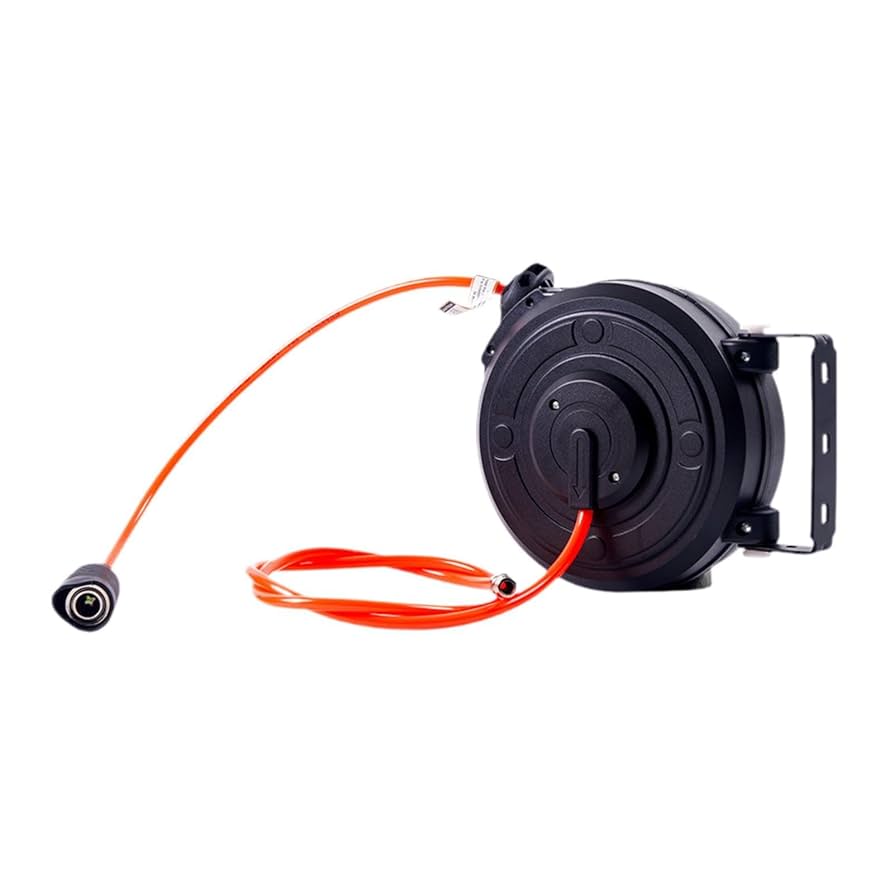
Are you tired of tangled hoses slowing you down every time you need to use your air compressor? Imagine a hose that stretches when you need it and neatly retracts when you don’t.
A retractable air compressor hose can make your work faster, safer, and hassle-free. You’ll discover how this simple tool can transform your workspace, save you time, and keep your equipment in top shape. Keep reading to find out why a retractable hose might be the best upgrade you’ve never considered.
Benefits Of Retractable Air Compressor Hoses
Retractable air compressor hoses offer many benefits for workshops and garages. These hoses help keep the workspace tidy and organized. They also last longer and make work safer. Using a retractable hose can improve your daily tasks and reduce hassle.
Space-saving Design
Retractable hoses pull back into a compact case after use. This saves floor space and keeps hoses off the ground. A neat area helps avoid clutter and makes moving around easier. It fits well in small workshops or tight spaces.
Enhanced Durability
The hose stays protected inside the reel, avoiding damage. No more kinks, cuts, or wear from dragging on rough surfaces. This protection extends the life of the hose. Durable hoses mean fewer replacements and lower costs.
Improved Safety
Hoses kept off the floor reduce tripping hazards. A retractable system prevents loose hoses from tangling or causing accidents. Workers can focus on tasks without worrying about falling. Safer workspaces boost confidence and productivity.

Credit: www.amazon.ca
Key Features To Look For
Choosing the right retractable air compressor hose can save time and effort. Knowing the key features helps pick a hose that fits your needs. Focus on hose length, material quality, and mounting options. These features affect performance and durability.
Hose Length And Diameter
The length of the hose affects how far you can reach. A longer hose covers more area but may be harder to retract. Diameter controls air flow. A wider hose lets more air pass, improving tool power. Choose a size that matches your air compressor and tools.
Material Quality
Material matters for strength and flexibility. Look for hoses made from durable materials like rubber or polyurethane. These resist kinks, cracks, and wear. A quality hose lasts longer and handles pressure well. Avoid hoses that feel weak or too stiff.
Mounting Options
Mounting style impacts ease of use and storage. Some hoses come with wall mounts or ceiling brackets. These keep your workspace tidy and prevent damage. Pick a mounting option that fits your workspace and allows easy hose pull-out and rewind.
Choosing The Right Hose For Your Needs
Choosing the right retractable air compressor hose is important for safety and efficiency. The right hose matches your needs and the tools you use. It helps avoid problems like low air pressure or hose damage. Consider where and how you use the hose before buying.
Matching Hose With Compressor Capacity
Check the hose size and length that fits your compressor. A small compressor needs a smaller hose to keep pressure steady. Large compressors need thicker hoses for strong air flow. Using the wrong size can waste power and cause tool problems.
Indoor Vs Outdoor Use
Indoor hoses face less dirt and weather. Choose a hose that resists kinks and fits tight spaces. Outdoor hoses need to handle rough ground and sun. Look for hoses made with tough, weatherproof materials for outside use.
Portability Considerations
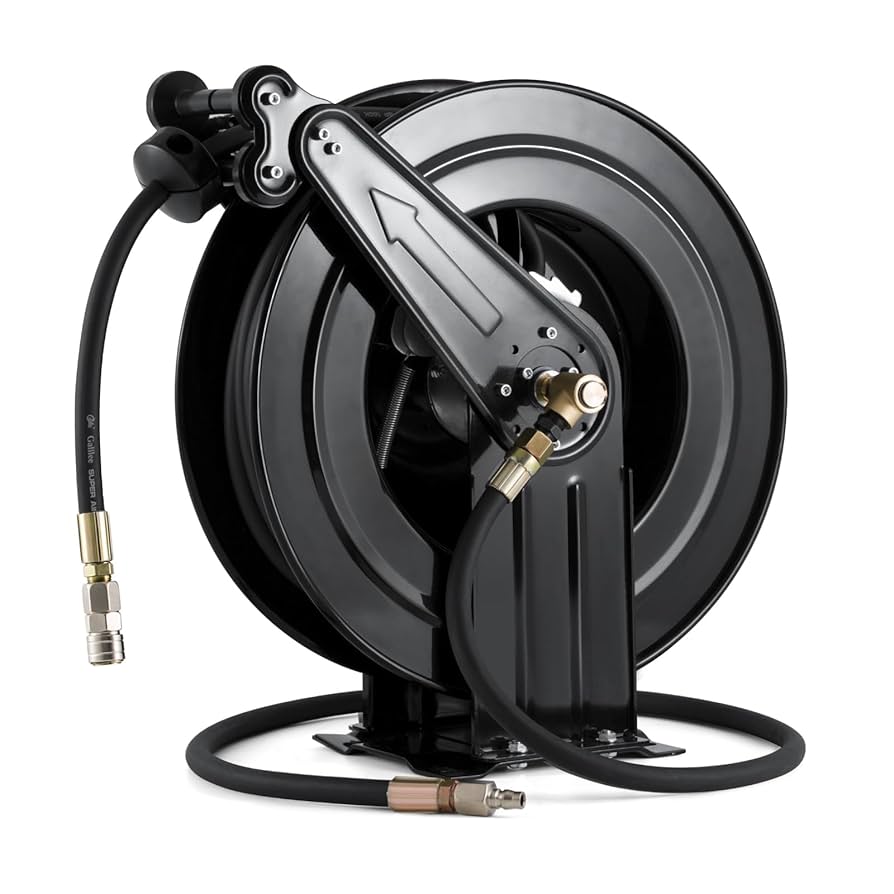
Think about how often you move your hose. Retractable hoses save space and avoid tangles. Choose lightweight hoses for easy carrying. A hose that rolls back fast helps keep your workspace neat and safe.
Credit: www.amazon.ca
Installation Tips
Installing a retractable air compressor hose correctly is key for safety and efficiency. Proper setup helps avoid damage and keeps the hose working smoothly. Follow these tips for a clean, durable installation that saves time and effort.
Proper Mounting Techniques
Choose a strong wall or ceiling spot for mounting the hose reel. Use screws and anchors that fit the surface type. Keep the hose reel at a comfortable height for easy reach. Make sure the reel is level to prevent twisting or tangling. Allow enough space around the reel for the hose to extend fully.
Avoiding Common Mistakes
Do not mount the reel too low or too high. Avoid sharp bends in the hose path. Never pull the hose at an angle; always pull it straight. Do not overtighten screws, which can crack the mounting surface. Check the hose for kinks before use to prevent wear.
Maintenance Practices
Clean the hose and reel regularly to remove dust and debris. Inspect the hose for cracks or leaks often. Lubricate moving parts lightly to keep the reel spinning smoothly. Retract the hose fully after each use to avoid damage. Replace worn parts promptly to extend the hose life.
Top Uses In Various Industries
Retractable air compressor hoses serve many purposes across different industries. They provide convenience, safety, and efficiency. These hoses extend easily and retract quickly, saving space and reducing tripping hazards. Various workplaces benefit from their flexibility and durability.
Automotive Repair
In automotive shops, these hoses power air tools like impact wrenches and spray guns. Mechanics move around vehicles without tangled hoses. Quick retraction keeps the workspace clean. They help with tire inflation and cleaning parts fast.
Construction Sites
Construction workers use retractable hoses for nail guns and paint sprayers. The hoses handle rough environments and heavy use. They reduce clutter and improve worker safety. Workers can reach high or distant areas easily.
Home Workshops
Home users benefit from these hoses in small workshops. They connect to airbrushes, staplers, and other small tools. The compact design fits limited spaces well. It keeps the workshop tidy and tools ready to use.
Troubleshooting Common Issues
Troubleshooting common issues with retractable air compressor hoses helps keep them working well. Problems can stop your work or slow it down. Knowing what causes these issues saves time and effort.
Many issues are simple to fix. Some need careful checking and small repairs. Let’s explore frequent problems and ways to solve them.
Hose Retraction Problems
Hose not retracting smoothly? Dirt or dust may block the reel. Clean the reel and check for any obstructions. Sometimes, the spring inside the reel loses tension. This causes slow or no retraction. Replacing the spring can fix this issue.
Pull the hose gently to avoid damage. Avoid jerky movements that strain the retraction mechanism.
Leaks And Wear
Leaks reduce air pressure and cause waste. Check the hose for cracks or holes. Small leaks can be patched with tape made for air hoses. For worn-out sections, replace the hose to avoid bigger problems.
Inspect fittings and connectors. Loose or damaged fittings can cause leaks. Tighten or replace them as needed.
Pressure Fluctuations
Unstable air pressure affects tool performance. Check for leaks first. Leaks often cause pressure drops. Make sure the hose size matches the compressor’s output. A hose too narrow can reduce pressure.
Look at the compressor’s regulator settings. Incorrect settings cause pressure swings. Adjust the regulator for steady pressure output.
Comparing Retractable Vs Traditional Hoses
Choosing between retractable and traditional air compressor hoses affects your workshop setup. Each type has strengths and weaknesses. Understanding these helps you pick the right hose for your needs. The differences cover cost, performance, and ease of use.
Cost Analysis
Traditional hoses usually cost less upfront. They are simple and widely available. Retractable hoses tend to be pricier because of their built-in mechanism. Over time, retractable hoses may save money by lasting longer. They avoid damage from tangling or kinks.
Performance Differences
Traditional hoses offer flexibility in length and use. You can easily move them around. Retractable hoses keep the hose tidy and reduce tripping hazards. They automatically rewind, preventing hose damage. Both types deliver good air flow if properly maintained.
User Convenience
Retractable hoses provide quick, hassle-free storage. Pull the hose out and it locks in place. After use, it retracts smoothly. Traditional hoses require manual coiling, which takes time. Retractable designs reduce clutter and keep work areas safe. They suit busy shops where speed matters.

Credit: www.ebay.ca
Frequently Asked Questions
What Is A Retractable Air Compressor Hose?
A retractable air compressor hose is a flexible hose that automatically rewinds. It keeps workspaces neat by preventing tangles and damage. It’s ideal for garages and workshops with limited space.
How Does A Retractable Air Compressor Hose Work?
The hose uses a spring-loaded reel mechanism. When pulled, it extends smoothly. When released, it retracts back into the casing. This design saves time and reduces clutter.
What Are The Benefits Of Using Retractable Hoses?
They save space, reduce tripping hazards, and increase hose lifespan. Retractable hoses also improve workflow by keeping your workspace organized and accessible.
Are Retractable Air Compressor Hoses Durable?
Yes, they are made from high-quality materials like PVC or rubber. These hoses resist wear, abrasion, and weather conditions for long-lasting performance.
Conclusion
A retractable air compressor hose saves space and reduces clutter. It offers easy use and quick storage. This hose lasts long and stays tangle-free. Anyone working with air tools finds it handy. It keeps your workspace neat and safe. Choosing the right hose makes tasks simpler and faster.
This small tool brings big convenience every day. Try one to see the clear benefits yourself.