

If you work with air compressors, you know that choosing the right hose fittings is key to keeping your tools running smoothly. But with so many types of air compressor hose fittings out there, it can get confusing fast.
Which one fits your setup best? Which will last longer and prevent leaks? This guide breaks down the main types of hose fittings, so you can make smart choices that save you time, money, and frustration. Keep reading to find the perfect fit for your air compressor needs.
Credit: www.amazon.com
Common Air Compressor Hose Fittings
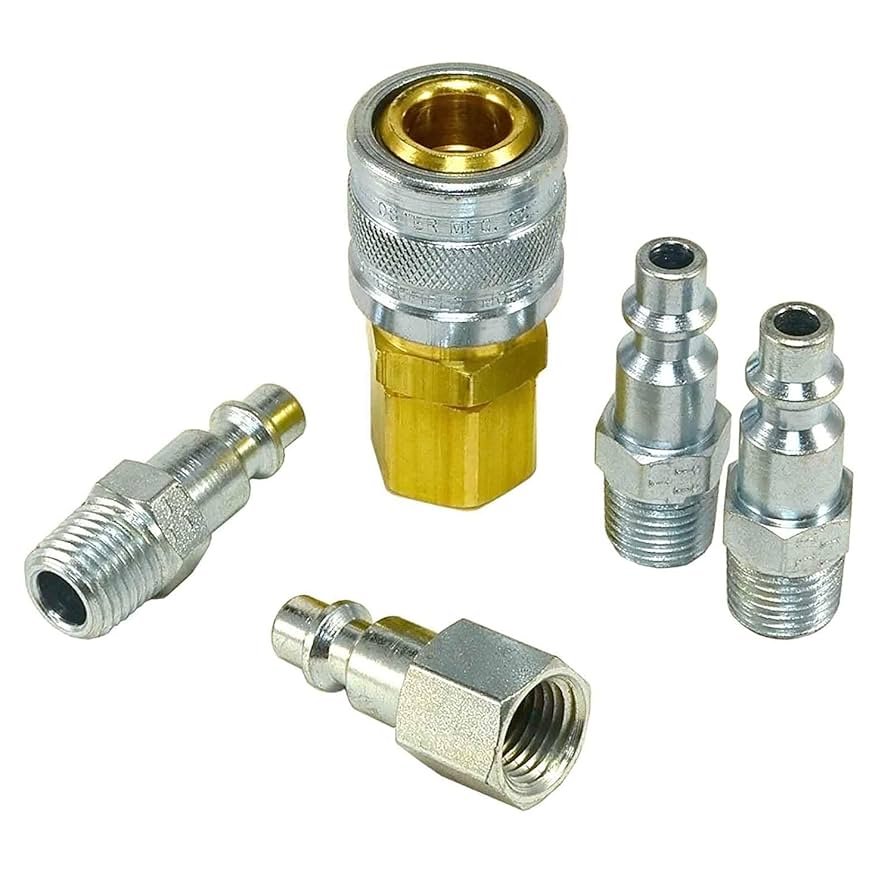
Air compressor hose fittings connect hoses to tools and machines. These fittings ensure air flows smoothly without leaks. Choosing the right fitting keeps your work safe and efficient. Several common types serve different needs and setups.
Quick Connect Couplers
Quick connect couplers allow fast hose changes. They snap together without tools. These fittings save time during tasks that need multiple tools. They also prevent air leaks when disconnected.
Threaded Fittings
Threaded fittings screw tightly onto hoses and tools. They create a secure and strong bond. These fittings work well for high-pressure applications. They need tools for installation and removal.
Barbed Fittings
Barbed fittings have ridges that grip inside the hose. They hold the hose firmly in place. Use clamps for extra security. These fittings are common in flexible air hoses.
Push-to-connect Fittings
Push-to-connect fittings join hoses quickly and easily. Simply push the hose into the fitting. They lock the hose with internal grips. These fittings are handy for simple, fast setups.

Credit: www.ebay.com
Materials Used For Hose Fittings
Hose fittings connect air compressor hoses to tools and machines. The material of these fittings affects their strength, durability, and resistance to corrosion. Choosing the right material helps ensure safety and long-term use. Different materials suit different working environments and needs. Below are the main materials used for air compressor hose fittings.
Brass Fittings
Brass fittings resist rust and corrosion well. They work best with water and air. Brass is soft but strong enough for many jobs. These fittings offer a tight seal to prevent leaks. They last long in normal workshop conditions. Brass fittings are easy to install and remove.
Steel Fittings
Steel fittings provide high strength and durability. They handle high pressure and rough use. Steel resists wear and tear better than other metals. These fittings often have a protective coating to stop rust. Steel is heavy but reliable for tough tasks. Use steel fittings for heavy-duty air compressors.
Aluminum Fittings
Aluminum fittings are lightweight and easy to carry. They resist corrosion but are less strong than steel. These fittings suit jobs where weight matters. Aluminum works well in dry or mildly humid places. They offer good performance for medium-pressure systems. Aluminum fittings save effort during setup and use.
Plastic Fittings
Plastic fittings are light and affordable. They resist corrosion and chemicals but may crack under stress. These fittings suit low-pressure applications and occasional use. Plastic fittings are easy to handle and install. Use plastic where cost and weight are key concerns. They are less durable than metal fittings.
Choosing The Right Fitting Size
Choosing the right fitting size for your air compressor hose is very important. The correct size ensures a secure connection. It also helps maintain strong air pressure. Using the wrong size can cause leaks or damage. Understanding key measurements helps you pick the best fitting for your needs.
Inner Diameter Considerations
The inner diameter (ID) affects air flow inside the hose. A larger ID allows more air to pass through. This can improve tool performance. A smaller ID may reduce air pressure. Always match the ID to your compressor and tool requirements. This keeps the system efficient and safe.
Outer Diameter Importance
The outer diameter (OD) affects how the fitting connects to the hose. It must fit tightly over the hose end. A loose OD can cause air leaks or disconnections. The OD also affects the type of clamps or connectors you use. Check the hose’s OD before choosing a fitting.
Matching Thread Sizes
Thread size must match between the fitting and the compressor or tool. Different thread sizes and types exist, such as NPT or BSP. Wrong threads will not seal properly. This causes air leaks and safety risks. Always check the thread size and type carefully before purchase.
Sealing Methods For Leak-free Connections
Ensuring a tight seal in air compressor hose fittings is crucial. Leaks reduce efficiency and can cause safety issues. Different sealing methods help create strong, leak-free connections. These methods fit various needs and materials.
Use Of Teflon Tape
Teflon tape is a popular choice for sealing threaded fittings. It wraps around the threads to fill gaps and prevent leaks. The tape is thin and flexible, making it easy to apply. It also resists heat and pressure well. This method is cost-effective and widely used in many air compressor setups.
Thread Sealants
Thread sealants are liquid compounds applied to threads before assembly. They harden to form a secure seal that blocks air leaks. Sealants work well on metal and plastic fittings. They provide a strong bond and can fill uneven threads. This method offers a reliable, long-lasting seal for high-pressure systems.
O-rings And Gaskets
O-rings and gaskets create seals by compressing between two surfaces. They are often made of rubber or synthetic materials. These seals prevent air from escaping at connection points. O-rings fit inside grooves, while gaskets sit between flat surfaces. Both are easy to replace and help maintain a leak-free system.
Applications And Compatibility
Air compressor hose fittings come in many types, each designed for specific uses. Understanding where and how these fittings work helps you pick the right one. Compatibility with tools and machines is key for safety and performance.
Residential Use
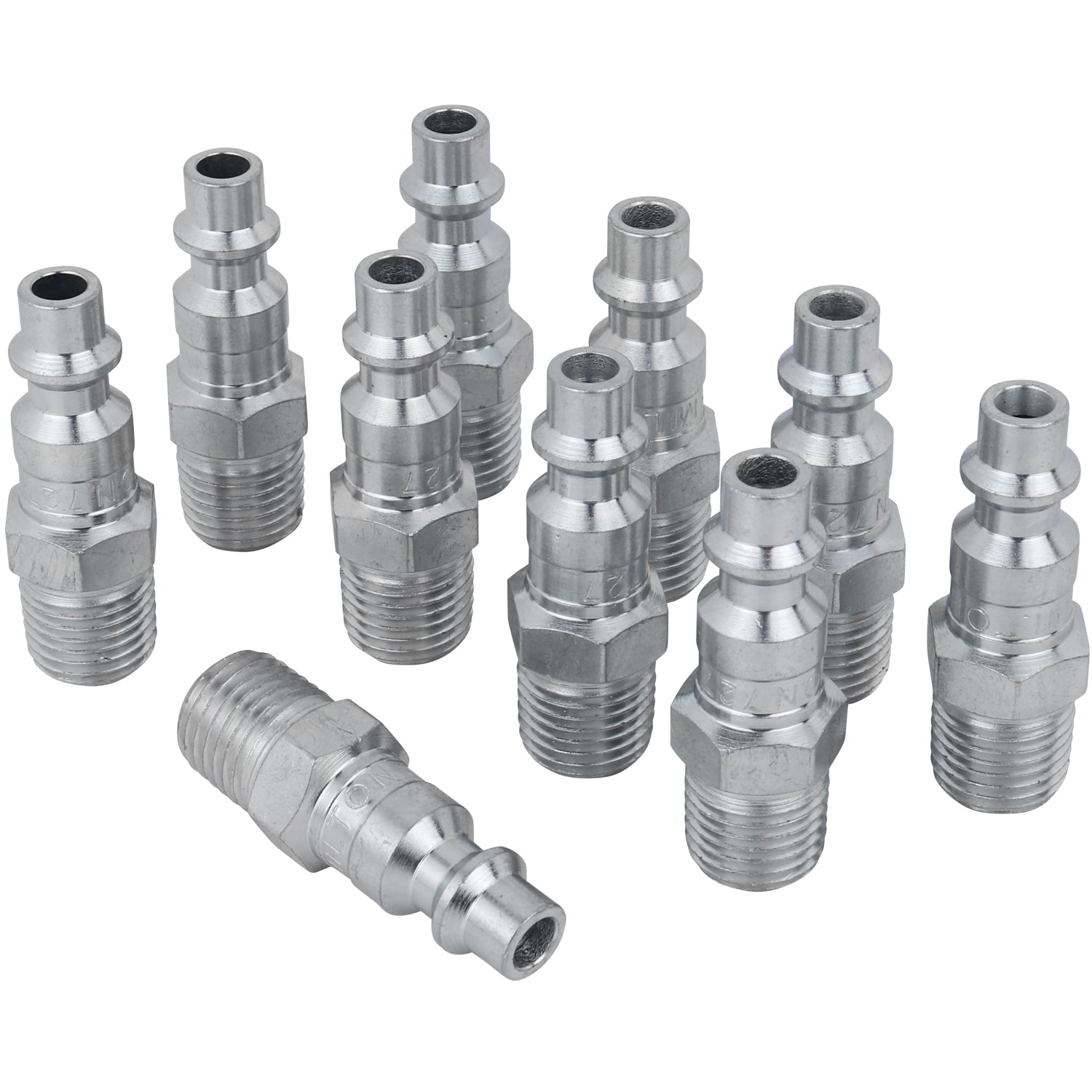
In homes, air compressor fittings connect to small tools like nail guns and airbrushes. These fittings are usually easy to connect and disconnect. They fit standard home compressors and provide enough pressure for light tasks.
Industrial Use
Industrial settings need heavy-duty fittings that handle high pressure and long use. These fittings connect to large machines and tools. They must be durable and resist wear and tear. Proper compatibility prevents leaks and downtime.
Automotive Applications
Auto shops use air compressor fittings for tire inflators, impact wrenches, and paint sprayers. These fittings must be reliable and fast to change. They need to match the air tools exactly to avoid damage and ensure smooth work.
Credit: miltonindustries.com
Maintenance Tips For Hose Fittings
Proper maintenance of air compressor hose fittings extends their life and ensures safety. Small steps can prevent leaks and damage. Careful attention keeps the system running smoothly.
Regular Inspection
Check hose fittings often for cracks or wear. Look for signs of rust or corrosion. Tighten loose fittings to avoid air leaks. Early detection stops bigger problems.
Cleaning Procedures
Clean fittings with a soft cloth to remove dirt and dust. Use mild soap and water for stubborn grime. Avoid harsh chemicals that can damage seals. Keep fittings dry after cleaning to prevent rust.
Replacement Guidelines
Replace fittings if cracks or leaks appear. Change fittings showing heavy rust or corrosion. Use compatible parts for your specific hose type. Regular replacement ensures safe and efficient operation.
Frequently Asked Questions
What Are The Common Types Of Air Compressor Hose Fittings?
Common types include quick-connect, threaded, push-to-connect, and barbed fittings. Each type suits different tools and hose materials, ensuring secure and leak-free connections for various air compressor applications.
How Do Quick-connect Fittings Work On Air Hoses?
Quick-connect fittings allow fast, tool-free connection and disconnection. They use a locking mechanism to secure the hose, improving efficiency and reducing downtime in pneumatic tool setups.
Which Materials Are Best For Air Compressor Hose Fittings?
Brass, steel, and aluminum are popular materials. Brass resists corrosion, steel offers strength, and aluminum is lightweight. Material choice depends on pressure requirements and environmental conditions.
Can I Use Universal Fittings For All Air Compressor Hoses?
Universal fittings fit many hoses but may not guarantee a perfect seal. Always check compatibility with hose size and type to avoid leaks and ensure safety.
Conclusion
Choosing the right air compressor hose fittings ensures smooth and safe work. Different types fit different needs and tools. Knowing the basics helps you pick the best option. Keep your equipment working well and avoid leaks or breaks. A good fitting makes your job easier and faster.
Always check compatibility before buying. Simple steps bring better results and less hassle. Stay informed to get the most from your air compressor.