
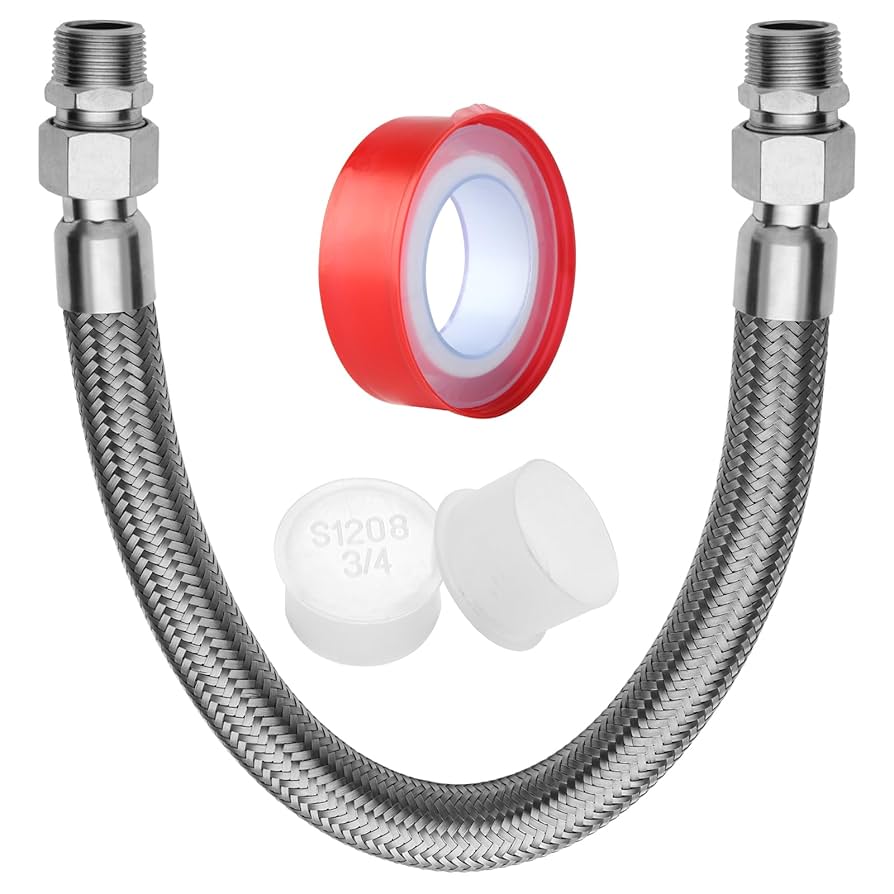
If you’ve ever needed to boost your air compressor’s reach or connect multiple tools quickly, an air compressor jumper hose could be your best friend. Imagine saving time and effort by linking hoses without leaks or hassle.
This simple tool can make your work smoother and more efficient, whether you’re at home or on a job site. Keep reading to discover how the right jumper hose can transform your air compressor setup and why you shouldn’t overlook this small but powerful accessory.
Choosing The Right Jumper Hose
Choosing the right air compressor jumper hose is important for safety and performance. A good hose ensures a steady air flow and prevents leaks or bursts. Different jobs need different types of hoses. This guide helps you pick the best one for your needs.
Material Types
Jumper hoses come in several materials. Rubber hoses are flexible and strong. PVC hoses are lightweight and cheap but less durable. Hybrid hoses combine materials for better strength and flexibility. Pick a material that suits your work environment and weather conditions.
Length And Diameter
The hose length affects how far you can work from the compressor. Too short limits movement. Too long lowers air pressure. Diameter controls air flow. Larger diameter means more air but less pressure. Choose a length and diameter that match your tool and space needs.
Pressure Ratings
Each hose has a pressure rating, shown in PSI (pounds per square inch). Use a hose with a rating higher than your compressor’s max pressure. This avoids bursts and accidents. Check ratings carefully to ensure safety and proper function.

Credit: www.ebay.com
Preparing For Repairs
Preparing for repairs on an air compressor jumper hose is an important step. It helps keep you safe and makes the work easier. Taking time to get ready prevents mistakes and accidents. Follow simple steps to ensure a smooth repair process.
Start with the right gear, check your tools, and clear your workspace. These actions set you up for success and reduce risks.
Safety Gear Essentials
Wear safety glasses to protect your eyes from debris. Use gloves to guard your hands against sharp edges and hot surfaces. Long sleeves and sturdy shoes offer extra protection. Safety gear keeps you safe from injuries during repairs.
Inspecting Equipment
Check the jumper hose for cracks or leaks. Look at connectors and fittings for wear or damage. Test tools to make sure they work properly. Good equipment condition avoids further problems during repair.
Clearing The Work Area
Remove clutter and obstacles around your work spot. Clean spills or oil to prevent slips. Keep tools organized and within reach. A clear space helps you focus and finish repairs faster.
Connecting The Jumper Hose
Connecting the air compressor jumper hose correctly ensures safety and efficiency. A secure connection prevents air leaks and maintains pressure. Proper steps make the task quick and simple. Follow clear guidelines to connect the hose confidently.
Proper Attachment Techniques
Start by checking both hose ends for dirt or damage. Clean the fittings to ensure a tight grip. Align the hose end with the compressor port carefully. Push the hose firmly onto the fitting until it clicks or locks. Avoid forcing the hose, as this may cause damage. Use the right size hose for your compressor model.
Avoiding Common Mistakes
Never connect the hose when the compressor is running. Avoid twisting or bending the hose during attachment. Do not use worn or cracked hoses for safety reasons. Ensure the hose is free from kinks before use. Avoid over-tightening fittings to prevent stripping threads. Check that all connections are secure before turning on the compressor.
Ensuring Secure Seals
Use thread seal tape on threaded connections for a tight seal. Press fittings together firmly to avoid air leaks. Double-check all connections by listening for hissing sounds. Test the connection by running the compressor briefly. Replace any worn-out seals or washers immediately. A secure seal improves compressor efficiency and safety.
Operating The Air Compressor Safely
Operating an air compressor safely is very important. It helps prevent accidents and keeps your equipment working well. Using an air compressor jumper hose properly ensures air flows without leaks or bursts. Follow safety steps carefully to protect yourself and others around you.
Pressure Control Tips
Always check the pressure settings before starting. Set the pressure according to the tool’s requirements. Do not exceed the maximum pressure limit of the jumper hose. Use a pressure regulator to keep air pressure steady. Sudden pressure changes can damage the hose and tools. Keep the compressor pressure within safe limits at all times.
Monitoring Hose Condition
Inspect the jumper hose before each use. Look for cracks, cuts, or worn spots on the hose surface. Replace the hose immediately if you find any damage. Keep the hose clean and free from oil or chemicals. Store the hose properly to avoid kinks and bends. Regular checks help avoid leaks and hose failure.
Emergency Shutoff Procedures
Know where the shutoff valve is located. Turn off the compressor quickly if you see a leak or hear unusual sounds. Release the pressure from the hose before disconnecting it. Keep the area clear of people during an emergency stop. Practice shutoff steps regularly to stay prepared. Acting fast can prevent serious injury or damage.
Maintaining Jumper Hoses
Maintaining jumper hoses is key to ensuring safe and efficient air compressor use. Proper care extends hose life and prevents accidents. Regular attention keeps your equipment ready for any job.
Cleaning And Storage
Clean jumper hoses after every use. Remove dirt, dust, and oil with a damp cloth. Avoid harsh chemicals that can damage the hose material. Store hoses in a cool, dry place. Keep them away from direct sunlight and sharp objects. Proper storage prevents cracking and wear.
Routine Inspections
Check hoses before each use. Look for cracks, leaks, or bulges. Examine connectors and fittings for rust or damage. Listen for unusual sounds during operation. Early detection stops small issues from becoming big problems. Replace hoses showing any signs of wear immediately.
Replacing Worn Components
Replace damaged parts quickly to avoid failure. Use parts recommended by the manufacturer. Inspect hose clamps, connectors, and couplers regularly. Loose or broken components can cause leaks or hose detachment. Timely replacement keeps your system safe and efficient.

Credit: cart2india.com
Troubleshooting Common Issues
Troubleshooting common issues with air compressor jumper hoses can save time and money. These hoses are essential for transferring air efficiently. Problems may reduce performance or cause safety risks. Identifying and fixing issues quickly keeps your tools working well. Here are some frequent problems and how to address them.
Leaks And Air Loss
Leaks cause a drop in air pressure. Check the hose for holes or cracks. Use soapy water to find small leaks; bubbles will form. Tighten all connections and replace damaged sections. Avoid sharp bends that stress the hose. Regularly inspect the hose to prevent leaks from worsening.
Hose Kinks And Blockages
Kinks restrict airflow and may damage the hose. Avoid bending the hose sharply. Store the hose coiled loosely to keep it flexible. Blockages can happen from dirt or debris inside. Blow compressed air through the hose to clear clogs. Clean the hose regularly to maintain smooth air flow.
Connection Failures
Loose or faulty connections cause air leaks and pressure loss. Ensure all fittings fit tightly. Use thread tape on threaded joints for a secure seal. Replace worn-out connectors or damaged fittings immediately. Check connections before each use for safety and efficiency.

Credit: www.amazon.com
Frequently Asked Questions
What Is An Air Compressor Jumper Hose Used For?
An air compressor jumper hose connects two air compressors. It helps increase air pressure or share air supply. This hose is flexible and durable for easy handling and long use.
How To Choose The Right Air Compressor Jumper Hose?
Choose a hose with compatible fittings and correct length. Consider the hose’s pressure rating and material for durability. Ensure it fits your compressor’s specifications to maintain safety and efficiency.
Can I Use Any Hose As An Air Compressor Jumper Hose?
No, use hoses designed for air compressors only. Regular hoses may not handle high pressure and can cause leaks or bursts. Always select hoses rated for air compressor use.
How To Maintain An Air Compressor Jumper Hose?
Regularly inspect the hose for cracks and leaks. Clean it after each use and store it away from direct sunlight. Proper maintenance ensures longevity and safe operation.
Conclusion
Choosing the right air compressor jumper hose makes a big difference. It helps you work safely and efficiently. Good quality hoses last longer and avoid leaks. Always check the hose for damage before use. Keep your tools ready and your tasks easier.
Simple steps like these improve your workday a lot. Stay safe and keep your equipment in top shape. A reliable hose is a small tool with a big impact.