
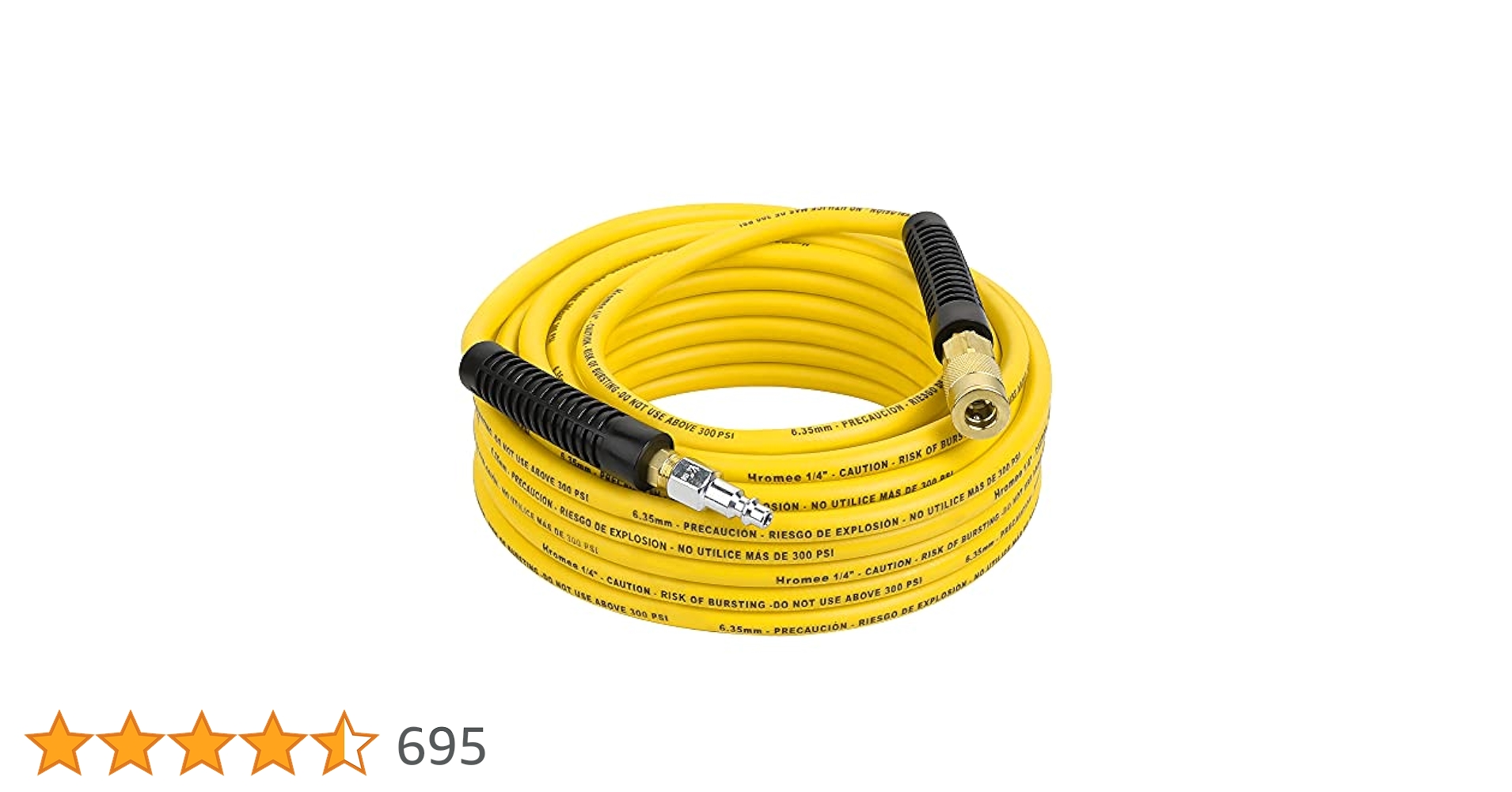
Choosing the right air compressor hose length can make a huge difference in how smoothly your projects go. If your hose is too short, you’ll struggle to reach your workspace comfortably.
Too long, and you might lose air pressure or deal with a tangled mess. You want a hose that fits your needs perfectly—no more, no less. You’ll discover exactly how to pick the ideal hose length for your air compressor, so you can work smarter, faster, and with less hassle.
Keep reading to find out what experts know about getting the most from your air compressor hose.
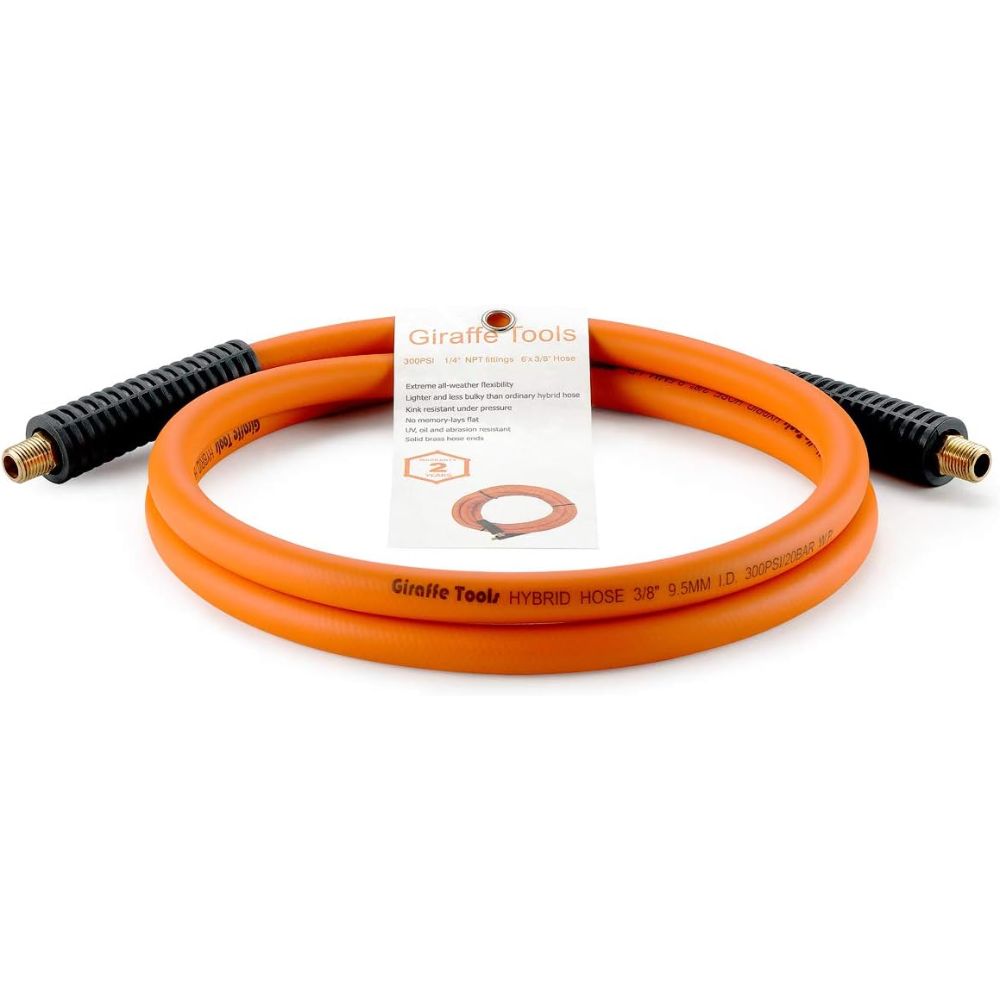
Credit: www.bobvila.com
Choosing The Right Hose Length
Choosing the right air compressor hose length is important for efficient work. The hose length affects how air flows and how much pressure reaches your tools. Picking the correct length helps avoid problems and saves time.
Impact On Airflow And Pressure
Longer hoses reduce airflow and pressure. Air has to travel farther, which causes loss in power. This means tools may not work as well or may slow down. Shorter hoses keep airflow strong and pressure steady. This helps tools perform better and finish jobs faster.
Common Hose Lengths Explained
Hoses come in many lengths like 10, 25, 50, or 100 feet. Ten or 25 feet suits small jobs or tight spaces. Longer hoses like 50 or 100 feet work better for big areas or outdoor tasks. Knowing common lengths helps pick one that fits your needs.
Matching Hose Length To Job Requirements
Think about the work area size before choosing a hose. Use short hoses for close work and longer hoses for distant spots. Avoid very long hoses if not needed to keep good pressure. Match hose length with the job for smooth and fast work.

Credit: www.amazon.ca
Consequences Of Incorrect Hose Length
Choosing the wrong air compressor hose length can cause many problems. A hose that is too short or too long affects the air flow. It also impacts the overall performance of your compressor system. Understanding these consequences helps you avoid damage and save money.
Reduced Compressor Efficiency
A hose that is too long reduces the air pressure at the tool. This lowers the compressor’s power and speed. The compressor works harder to push air through the hose. This wastes energy and increases your electricity bills.
Short hoses limit your reach. You might stretch or pull the hose, causing leaks or breaks. Both long and short hoses reduce the efficiency of your air compressor.
Increased Wear And Tear
Incorrect hose length puts extra strain on the compressor. The machine runs longer and hotter. This causes parts to wear out faster and may lead to early failure.
Hose connections also suffer. Stretching or kinking weakens the hose material. You may need to replace hoses and fittings more often. This adds to your maintenance costs.
Safety Risks To Consider
Using the wrong hose length can be dangerous. Long hoses can cause tripping hazards in the workspace. Short hoses may force you to work in unsafe positions.
Leaks or bursts happen more often with the wrong hose. High-pressure air can cause serious injuries. Proper hose length helps keep your work area safe and secure.
Materials And Hose Diameter
Choosing the right material and diameter for an air compressor hose affects its performance and durability. These factors influence air flow, pressure loss, and hose flexibility. Understanding them helps in selecting a hose that fits your needs. A good choice improves efficiency and tool operation.
How Material Affects Performance
Hose material impacts strength and flexibility. Rubber hoses resist abrasion and are flexible. PVC hoses are lighter but less durable. Hybrid materials mix features for balance. Some materials handle heat and chemicals better. Choose material based on your work environment.
Selecting The Appropriate Diameter
Hose diameter controls air volume flow. Larger diameters allow more air to pass through. Small diameters may limit tool power. Match diameter with your compressor’s output and tool needs. Using the right diameter prevents pressure drops and tool damage.
Balancing Length And Diameter
Longer hoses cause more pressure loss. Increasing diameter helps reduce this loss. But very large diameters can be heavy and hard to handle. Find a balance that keeps air flow strong and hose manageable. This balance saves energy and improves tool performance.
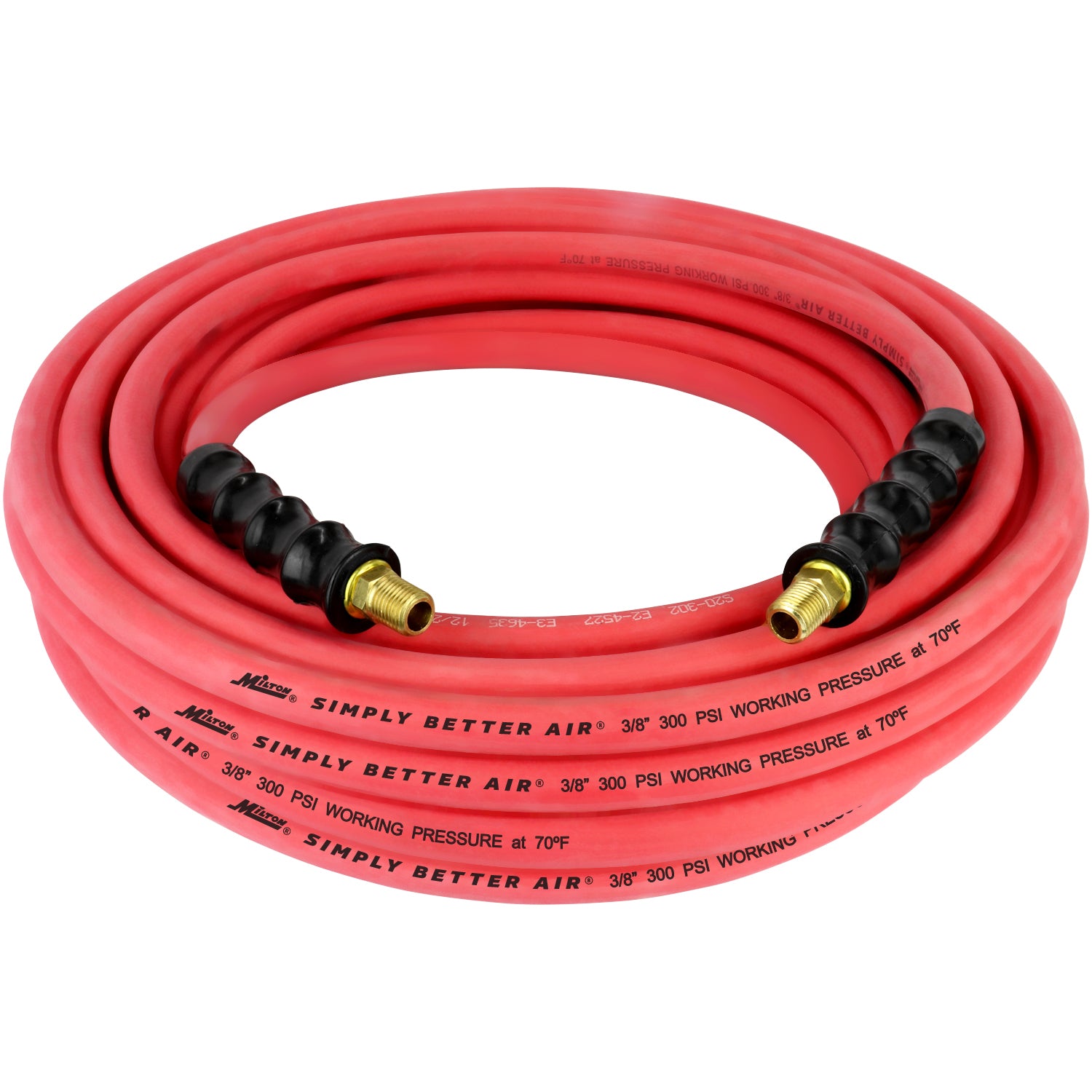
Credit: miltonindustries.com
Tips For Managing Hose Length On Site
Managing air compressor hose length on site is important for safety and efficiency. Long hoses can get tangled or damaged without care. Short hoses limit your work area and cause frequent moves. Finding the right balance helps you work smoothly and safely.
Avoiding Kinks And Twists
Kinks and twists block air flow and weaken hoses. Unroll the hose carefully to keep it straight. Avoid sharp bends that cause stress points. Move the hose slowly around corners. Use smooth curves instead of tight angles. Check the hose often for twists during work.
Using Hose Reels And Guides
Hose reels keep your hose organized and ready to use. Pull the hose out only as far as needed. Reels prevent tangles and reduce wear. Use hose guides on corners or edges. Guides direct the hose path and stop it from dragging. This protects the hose and keeps it neat.
Proper Storage And Maintenance
Store hoses in a dry, cool place to avoid damage. Coil hoses loosely without sharp bends. Clean the hose after use to remove dirt and debris. Check for leaks, cracks, or worn spots regularly. Replace damaged hoses to keep the air flow steady. Proper care extends hose life and saves money.
Upgrading And Customizing Hose Length
Choosing the right air compressor hose length improves your work comfort and tool performance. Upgrading or customizing hose length helps you reach distant areas without moving the compressor often. It also reduces pressure loss and keeps your tools working well.
When To Replace Your Hose
Look for cracks, leaks, or stiff spots in your hose. These signs show the hose is old or damaged. A worn hose can reduce air pressure and slow your work. Replace your hose if it causes frequent air leaks or if it feels hard to move.
Custom Hose Solutions
Custom hoses fit your work area perfectly. You can choose the exact length and diameter you need. Custom options help avoid tripping hazards and make handling easier. They also match specific tools and air compressor models for better performance.
Cost Vs. Efficiency Considerations
Longer hoses cost more but can save time by reducing compressor moves. Shorter hoses are cheaper but limit your reach. Choose a hose length that balances price and work efficiency. A good hose length keeps your tools powerful and your work smooth.
Frequently Asked Questions
What Is The Ideal Air Compressor Hose Length?
The ideal length depends on your workspace size and tool needs. Typically, 25 to 50 feet suits most tasks. Longer hoses reduce air pressure and efficiency. Choose the shortest length that allows flexible movement for best performance.
How Does Hose Length Affect Air Pressure?
Longer hoses cause pressure drops due to friction inside the hose. This reduces tool efficiency and power. Keeping hose length as short as possible maintains optimal air pressure and tool performance.
Can I Use Any Hose Length With My Air Compressor?
Not all lengths suit every compressor or tool. Check your compressor’s specifications for max hose length. Using a hose too long can overload the compressor and reduce output. Always match hose length to your specific equipment.
How To Avoid Pressure Loss In Long Air Hoses?
Use larger diameter hoses to reduce friction and pressure loss. Avoid unnecessary bends and kinks in the hose. High-quality materials also help maintain consistent air flow over longer distances.
Conclusion
Choosing the right air compressor hose length matters a lot. Too short, and you lose reach. Too long, and you waste pressure. Pick a length that fits your workspace and tasks. Keep hoses neat to avoid damage. A good hose helps your tools work better and lasts longer.
Think about your needs before buying. This small step saves time and frustration. Simple but smart.