

Are you struggling with your air compressor hose? Whether you’re working on a DIY project or running a professional workshop, having the right hose can make all the difference.
The right air compressor hose keeps your tools running smoothly and saves you time and frustration. You’ll discover how to choose the perfect hose for your needs, avoid common mistakes, and get the most out of your equipment. Keep reading, and make sure your air compressor works as hard as you do.
Credit: www.amazon.ca
Types Of Air Compressor Hoses
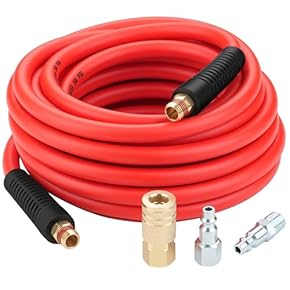
Air compressor hoses come in different types to suit various tasks. Choosing the right hose helps improve tool performance and safety. Each type has unique features and uses. Understanding these types makes selecting easier and work more efficient.
Pvc Hoses
PVC hoses are lightweight and affordable. They are easy to handle and store. These hoses resist chemicals and abrasion well. Ideal for light-duty tasks and indoor use. Not very flexible in cold weather.
Rubber Hoses
Rubber hoses offer high flexibility and durability. They handle high pressure and rough conditions. Good for outdoor and heavy-duty jobs. These hoses resist heat and weather damage. Heavier than PVC but last longer.
Hybrid Hoses
Hybrid hoses combine rubber and PVC benefits. They are lightweight but strong and flexible. Suitable for both indoor and outdoor use. Provide good resistance to chemicals and abrasion. A balanced choice for many applications.
Polyurethane Hoses
Polyurethane hoses are highly flexible and lightweight. They resist kinks and abrasions effectively. Great for cold environments and long use. These hoses maintain shape and last long. Often used for precision tools and airbrushes.
Key Features To Consider
Choosing the right air compressor hose makes a big difference. It affects how well your tools work and how long the hose lasts. Several key features help you pick the best hose for your needs. These features ensure safety, performance, and ease of use.
Length And Diameter
Length matters for reaching your workspace. Too short limits your movement. Too long can cause pressure loss. Diameter affects airflow. A wider diameter means more air flow. Match the diameter to your air tool for best results.
Pressure Rating
Pressure rating shows the maximum air pressure the hose can handle. Using a hose with a low pressure rating risks bursts. Always choose a hose with a pressure rating higher than your compressor’s maximum output. This keeps your work safe.
Flexibility And Weight
Flexible hoses are easier to handle. They bend without kinking or cracking. Lightweight hoses reduce fatigue during long tasks. Check the material to find a good balance between strength and flexibility. This makes your work faster and easier.
Temperature Resistance
Temperature resistance means the hose can work in hot or cold conditions. Some hoses get stiff or crack in the cold. Others soften or weaken in heat. Pick a hose that fits the climate where you work. This ensures the hose stays durable and safe.
Material Durability And Performance
Choosing the right material for an air compressor hose is key for its durability and performance. The hose must handle tough conditions and last long. Material quality affects how well the hose resists damage and performs under pressure.
Abrasion Resistance
Abrasion resistance means the hose can handle rubbing and scraping. Rough surfaces or constant movement can wear down the hose. A durable material protects the hose from cuts and tears. This keeps the hose working longer without leaks or breaks.
Kink Resistance
Kink resistance helps the hose stay flexible without bending sharply. Sharp bends can block airflow and damage the hose. Good materials keep the hose smooth and easy to use. This improves air flow and prevents early wear or cracks.
Chemical Resistance
Chemical resistance means the hose can handle oils, fuels, and other liquids. Some materials break down when exposed to chemicals. A chemical-resistant hose lasts longer and keeps air clean. It avoids leaks or damage from spills and splashes.
Types Of Fittings And Connections
Air compressor hoses need strong and reliable fittings to connect tools and machines. Different fittings offer various benefits for ease of use and durability. Choosing the right connection affects the efficiency and safety of your air system.
Quick Connect Couplers
Quick connect couplers allow fast and easy hose connections. They snap together without tools, saving time during work. These couplers come in different sizes to fit many hoses and tools. They provide a tight seal to prevent air leaks and keep pressure steady. Quick connect couplers are great for jobs that need frequent tool changes.
Threaded Fittings
Threaded fittings screw tightly to form a secure connection. They need tools to tighten or loosen the fit. These fittings are durable and resist air leaks well. Threaded fittings work best for permanent or long-term hose setups. Different thread types match specific hoses and tools to ensure compatibility.
Swivel Fittings
Swivel fittings allow the hose to rotate freely. This rotation stops the hose from twisting or kinking during use. They help increase hose life by reducing wear and tear. Swivel fittings are useful in tight spaces or when the hose moves often. They come in both quick connect and threaded styles.
Safety And Maintenance Tips
Safety and maintenance are crucial when using an air compressor hose. Proper care extends hose life and protects users from accidents. Simple steps help keep the hose in good condition and working safely.
Inspecting Hoses Regularly
Check hoses before each use. Look for cracks, cuts, or bulges. Feel for weak spots or leaks. Replace damaged hoses immediately. Regular checks prevent sudden failures and injuries.
Proper Storage Methods
Store hoses in a cool, dry place. Avoid direct sunlight and heat sources. Coil hoses loosely to prevent kinks. Keep them off sharp edges or rough surfaces. Correct storage stops damage and keeps hoses ready.
Avoiding Common Hazards
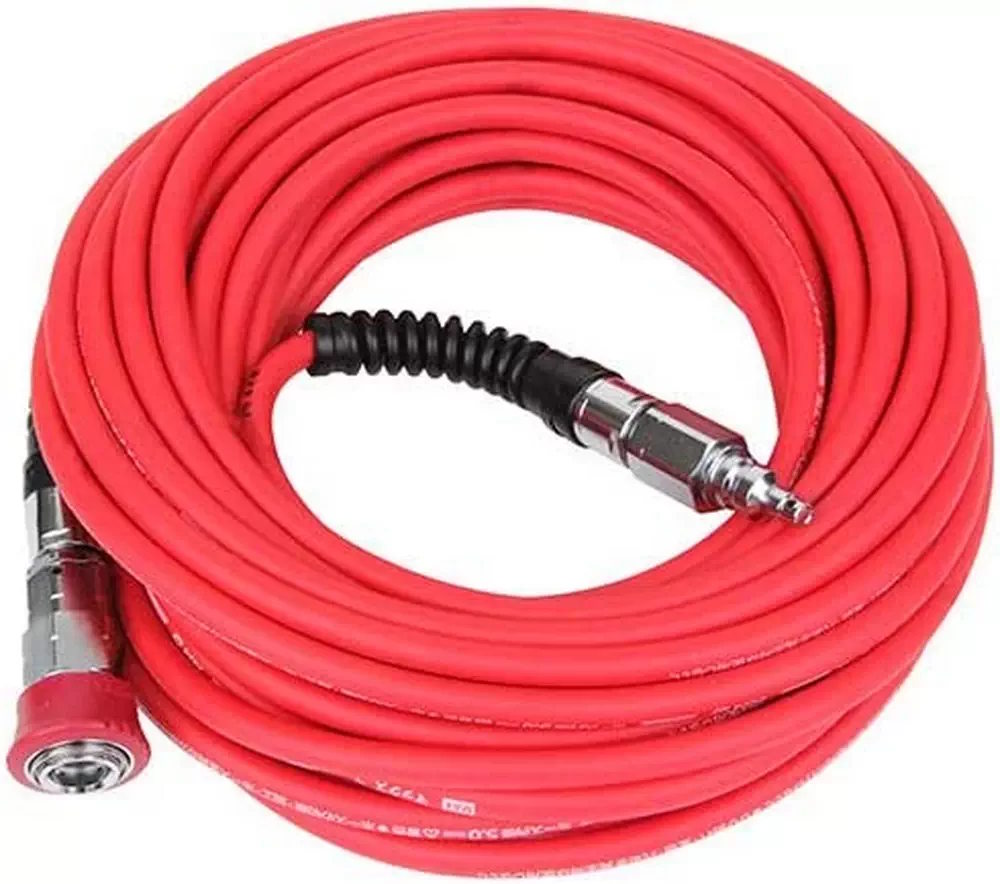
Do not drag hoses over rough ground. Avoid sharp bends and twists during use. Keep hoses away from chemicals and oils. Never exceed the hose pressure limit. These habits reduce wear and ensure safe operation.
Credit: jirehtools.ca
Choosing The Right Hose For Your Needs
Choosing the right air compressor hose is key to a smooth work experience. It affects how well your tools perform and how long the hose lasts. Understanding your needs helps in making a smart choice.
Matching Hose To Compressor Type
Different compressors need different hoses. Check the compressor’s pressure and flow rate. The hose should handle the compressor’s maximum pressure. Use hoses made for the specific type of compressor, like oil-free or oil-lubricated. This ensures safety and efficiency.
Selecting Based On Application
Think about what you will do with the hose. For light tasks, a basic hose is enough. Heavy-duty work needs stronger, thicker hoses. Outdoor jobs need hoses that resist weather and sunlight. The hose length should allow easy movement without tangling.
Budget Considerations
Set a clear budget before buying. Cheaper hoses may save money but might wear out fast. Investing a bit more can get a hose that lasts longer. Balance cost with quality to get the best value. Remember, a good hose reduces repair and replacement costs.
Top Brands And Recommendations
Choosing the right air compressor hose is key for safety and performance. Quality matters most. Top brands deliver durable, flexible, and reliable hoses. These brands offer products that last long and perform well under pressure.
Here are some trusted names in the air compressor hose market. Each brand has unique features. They suit different needs and budgets. This guide helps you pick the best hose for your tasks.
Flexzilla
Flexzilla hoses are known for their flexibility and strength. They stay soft in cold weather. The outer cover resists abrasion and UV rays. These hoses work well in tough job sites. Customers praise their easy handling and long life.
Goodyear
Goodyear is a reliable brand with a strong reputation. Their hoses have high burst pressure ratings. They resist kinks and twisting. Goodyear hoses suit both home and industrial use. They offer different lengths and diameters to fit many tools.
California Air Tools
This brand focuses on lightweight and durable hoses. Their hoses have smooth surfaces to reduce drag. They perform well with portable air compressors. California Air Tools hoses offer great value for money. Many users find them easy to store and carry.
Dewalt
DEWALT hoses are built for heavy-duty use. They feature strong connectors and thick walls. These hoses stand up to rough handling. DEWALT products are popular among professionals. Their hoses provide consistent air flow and excellent durability.
Campbell Hausfeld
Campbell Hausfeld offers versatile and affordable hoses. They provide good flexibility and strength. These hoses are great for light to medium tasks. Many home users trust this brand. The hoses come with user-friendly fittings for quick setups.

Credit: www.ebay.ca
Frequently Asked Questions
What Is An Air Compressor Hose Used For?
An air compressor hose transfers compressed air from the compressor to tools. It ensures efficient air flow for various applications like painting, inflating, and powering pneumatic tools.
How To Choose The Best Air Compressor Hose?
Choose based on length, diameter, material, and PSI rating. Consider flexibility, durability, and compatibility with your air compressor and tools for optimal performance.
How To Maintain An Air Compressor Hose Properly?
Regularly check for leaks, cracks, and wear. Clean the hose exterior and store it coiled in a dry area to prevent damage and extend its lifespan.
Can Air Compressor Hoses Be Used For Painting?
Yes, air compressor hoses are ideal for painting. They provide consistent air pressure, ensuring smooth paint application and preventing clogging in spray guns.
Conclusion
Choosing the right air compressor hose helps your tools work well. A good hose lasts longer and keeps air flowing smoothly. Pay attention to material, length, and size for best use. Take care of your hose to avoid leaks or breaks.
This small part makes a big difference in your projects. Keep your work safe and easy with the right hose. Simple steps bring better results every time you use your compressor.