
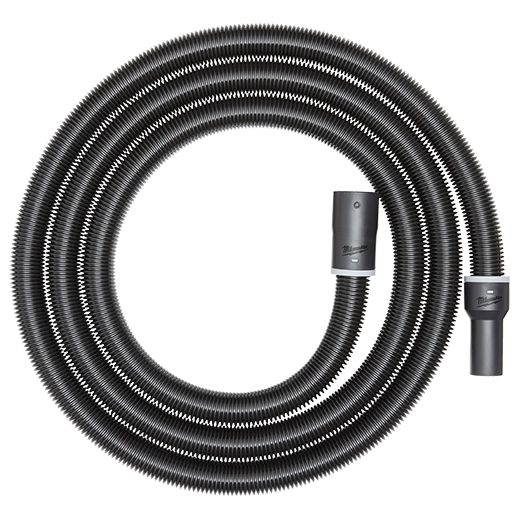
If you rely on air tools, you know how important it is to have the right hose. Your Milwaukee air compressor hose can make a big difference in how smoothly your work goes.
Imagine dealing with leaks, weak pressure, or a hose that just won’t last. Frustrating, right? This guide will help you find the perfect Milwaukee air compressor hose to keep your projects running without a hitch. Stay with me, and you’ll learn how to choose a hose that fits your needs, saves you time, and boosts your tool’s performance.
Choosing The Right Hose
Choosing the right Milwaukee air compressor hose is key for good work results. The hose must fit the tool and the job perfectly. Picking the wrong hose can cause leaks or reduce air flow. It can also make the work harder or unsafe. Knowing the types, materials, and sizes helps you pick the best hose for your needs.
Types Of Air Compressor Hoses
There are several types of air compressor hoses. Rubber hoses are strong and flexible. PVC hoses are light and easy to handle but less durable. Hybrid hoses combine the best of both. Coil hoses are short and spring back into shape quickly. Each type fits different tasks and work environments.
Material Options
Hose materials affect durability and ease of use. Rubber resists heat and abrasion well. PVC hoses are lighter but can crack in cold weather. Hybrid hoses mix rubber and PVC for strength and flexibility. Choose materials that last and suit your work conditions.
Length And Diameter Considerations
Length matters for reach and air pressure. A longer hose allows more movement but may lower pressure. A shorter hose keeps strong pressure but limits reach. Diameter affects air flow. Larger diameter hoses carry more air but are heavier. Pick the right size for your air tools and workspace.

Credit: www.homedepot.ca
Installation Tips
Installing a Milwaukee air compressor hose correctly can extend its life and improve performance. Simple steps help avoid common problems. Following these tips ensures safe and efficient use of your hose.
Proper Hose Connections
Always check the fittings before attaching the hose. Use the right connectors for your compressor and tools. Tighten all connections firmly to stop air leaks. Avoid forcing parts together to prevent damage.
Avoiding Kinks And Twists
Keep the hose straight when unrolling it. Twists can block airflow and weaken the hose. Move the hose gently to prevent sharp bends. Store the hose coiled loosely to maintain its shape.
Securing The Hose Safely
Use clips or hooks to keep the hose off the ground. This avoids tripping hazards and protects the hose from damage. Avoid stretching the hose too tight. Leave some slack for easy movement during work.
Maintenance Practices
Maintaining your Milwaukee air compressor hose extends its life and keeps it working well. Proper care helps avoid leaks and breaks that slow work down. Follow simple steps regularly to keep the hose in top shape.
Regular Inspection Routines
Check the hose for cracks, holes, or weak spots often. Look at the connectors for rust or damage. Catch small problems early to prevent big repairs later. Use a flashlight to see inside the hose ends clearly.
Cleaning Methods
Clean the hose outside with a damp cloth to remove dirt and dust. Avoid using harsh chemicals that can weaken the hose material. Flush the inside of the hose with clean water to clear debris. Let it dry completely before storing or using again.
Repairing Minor Damages
Small cuts or leaks can be fixed with tape made for air hoses. Replace worn-out connectors immediately to keep the seal tight. Use patches designed for air hoses on bigger holes. Always test the hose for leaks after repairs.
Credit: www.milwaukeetool.ca
Troubleshooting Common Issues
Troubleshooting common issues with Milwaukee air compressor hoses helps keep your tools working well. Small problems can cause big delays. Understanding these problems saves time and money. Below are common issues and how to spot them early.
Leaks And Air Loss
Leaks reduce the air pressure needed for tools. Check hoses for cracks, holes, or loose fittings. Listen for hissing sounds along the hose. Use soapy water to find small leaks—bubbles show escaping air. Fix leaks by tightening connections or replacing damaged hose parts.
Pressure Drops
Pressure drops affect tool performance and speed. Measure pressure at the hose end and compare it to the compressor output. Low pressure may come from clogged filters or long hose length. Clean filters regularly and use the shortest hose possible. Replace hoses that are too narrow for your compressor.
Hose Wear And Tear
Wear and tear weaken hose strength and safety. Check hoses for cuts, abrasions, or kinks. Avoid dragging hoses on rough surfaces. Store hoses coiled and off the ground to prevent damage. Replace hoses showing signs of heavy wear to avoid failures during use.
Enhancing Performance
Enhancing the performance of your Milwaukee air compressor hose improves work efficiency. A well-maintained hose delivers steady air flow. It also reduces downtime and wear on equipment.
Simple steps can boost hose performance. These steps help your tools run smoothly and last longer.
Optimizing Hose Layout
Arrange the hose to avoid sharp bends and kinks. Keep the hose straight as much as possible. This prevents air flow loss and damage. Use hose reels or guides to keep it tidy. A neat layout reduces tripping hazards too.
Using Compatible Accessories
Choose fittings and connectors that match your hose size. Proper accessories stop air leaks and pressure drops. Quality couplers ensure easy and secure connections. This keeps air flow steady during use.
Storage Solutions
Store the hose in a cool, dry place. Avoid direct sunlight and extreme temperatures. Coil the hose loosely to prevent cracks. Use hooks or reels for neat storage. Proper storage extends hose life and performance.
Safety Precautions
Using a Milwaukee air compressor hose safely protects both you and your tools. This hose handles high pressure and tough jobs. Taking safety precautions prevents accidents and damage. Follow simple rules to keep control and avoid risks.
Handling High Pressure
High pressure in the hose can cause sudden bursts. Always check the hose for cracks or wear before use. Connect the hose tightly to avoid leaks. Use the correct pressure settings for your task. Stand clear of the hose path while it is pressurized.
Avoiding Hazards
Keep the hose away from sharp objects and heat sources. Do not bend or twist the hose sharply. Store the hose in a dry, cool place to prevent damage. Wear safety glasses and gloves to protect yourself. Clear the workspace to avoid tripping on the hose.
Emergency Measures
Know how to quickly turn off the compressor. Release pressure from the hose before disconnecting. In case of a burst, move away immediately. Do not try to fix the hose while it is pressurized. Seek professional help if the hose leaks or breaks.
Credit: www.milwaukeetool.ca
Frequently Asked Questions
What Is A Milwaukee Air Compressor Hose Used For?
A Milwaukee air compressor hose connects your air compressor to tools. It delivers compressed air efficiently for tasks like inflating tires and powering nail guns. These hoses are durable and designed to handle high pressure safely.
How To Choose The Right Milwaukee Air Compressor Hose?
Choose a hose based on length, diameter, and material. Longer hoses offer flexibility but may reduce air pressure. Select durable materials like rubber or hybrid for longevity. Ensure compatibility with your Milwaukee air compressor model.
Can Milwaukee Air Compressor Hoses Handle High Pressure?
Yes, Milwaukee air compressor hoses are designed for high-pressure applications. They typically support pressures up to 300 PSI or more. Always check the hose specifications to match your compressor’s pressure requirements.
How To Maintain A Milwaukee Air Compressor Hose Properly?
Regularly inspect for cracks, leaks, and wear. Keep the hose clean and avoid kinks or sharp bends. Store it in a cool, dry place to extend its lifespan and maintain optimal performance.
Conclusion
Milwaukee air compressor hoses offer strong, reliable performance. They handle pressure well and last a long time. Choosing the right hose keeps your tools working smoothly. Good hoses make your work faster and easier. Trusting quality brands helps avoid leaks and breaks.
Keep your equipment safe with proper hose care. A strong hose means fewer problems on the job. Simple, sturdy, and effective—Milwaukee hoses meet your needs.