
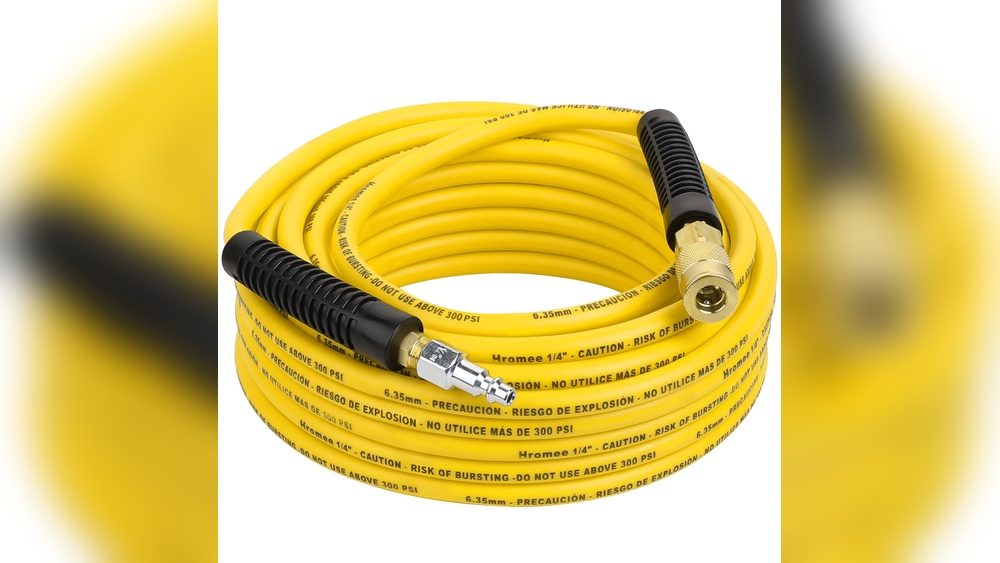
Are you looking for the perfect air hose to keep your compressor running smoothly? Choosing the right air hose can make a huge difference in how well your tools perform and how long your equipment lasts.
Whether you’re working on a small project or a big job, the right hose ensures you get the power and flexibility you need without any hassle. You’ll discover everything about air hoses for compressors—how to pick the best one, what materials work best, and tips to avoid common mistakes.
Keep reading to make sure your compressor setup is as efficient and reliable as possible.
Types Of Air Hoses
Air hoses come in various types to suit different compressor needs. Each type offers unique features and benefits. Choosing the right hose affects performance and durability.
Rubber Air Hoses
Rubber air hoses are strong and flexible. They resist abrasion and harsh weather well. These hoses handle high pressure easily. They stay flexible even in cold weather. Rubber hoses are popular for heavy-duty jobs.
Pvc Air Hoses
PVC air hoses are lightweight and affordable. They resist chemicals and oils better than rubber. These hoses are less flexible but easier to store. PVC hoses work well for light to medium use. They are good for indoor tasks.
Hybrid Air Hoses
Hybrid air hoses combine rubber and PVC materials. They offer flexibility and durability together. These hoses resist kinks and wear better. Hybrids are lighter than pure rubber hoses. They suit various work environments.
Polyurethane Air Hoses
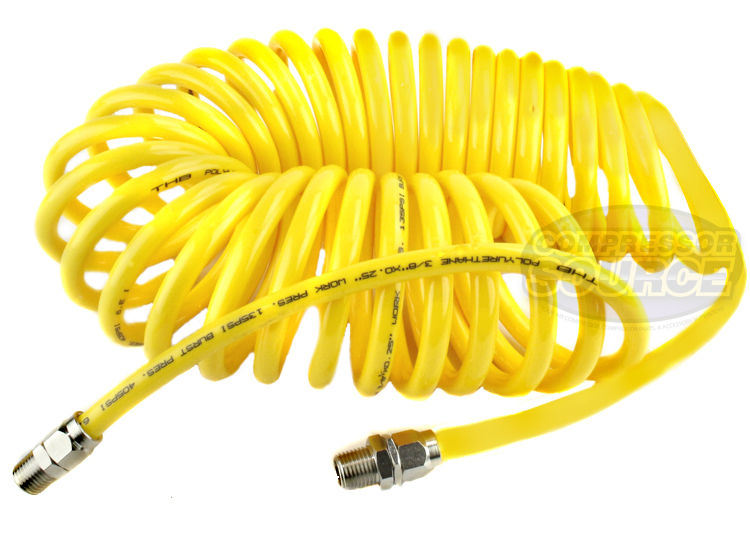
Polyurethane air hoses are very light and flexible. They resist cuts, abrasions, and chemicals well. These hoses handle cold temperatures without cracking. Polyurethane hoses last longer in tough conditions. They are ideal for outdoor and delicate tasks.
Key Features To Consider
Choosing the right air hose for your compressor is important. The hose must fit your needs to work well and last long. Several key features affect performance and safety. Focus on these to find the best air hose for your tasks.
Diameter And Length
Air hose diameter controls airflow volume. Larger diameters carry more air but may be less flexible. Length affects reach and pressure drop. Longer hoses reduce pressure and power. Choose a diameter and length that suit your compressor and job requirements.
Pressure Ratings
Pressure rating shows the maximum air pressure the hose can handle. Using a hose with a lower rating than the compressor can cause damage. Always pick a hose with a pressure rating higher than your compressor’s output. Safety and durability depend on this feature.
Flexibility And Weight
Flexible hoses are easier to move and store. Lightweight hoses reduce fatigue during use. Some materials offer better flexibility while keeping weight low. Consider where and how you will use the hose to choose the right balance.
Temperature Resistance
Air hoses must handle the heat from compressed air and the environment. Some hoses can resist cold and hot temperatures better than others. Check the temperature range to ensure the hose works well in your climate and applications.
Choosing The Right Hose Material
Choosing the right hose material is key for air compressors. The hose must handle pressure and last long. The material affects how well the hose works. It also impacts safety and cost. Understanding different materials helps pick the best option for your needs.
Durability Factors
Durability depends on the material’s strength and flexibility. Some materials resist wear better than others. Rubber hoses offer good flexibility and toughness. PVC hoses are lighter but less flexible. Look for materials that withstand bending and pressure. Strong hoses need fewer replacements and repairs.
Chemical And Abrasion Resistance
Some hoses face harsh chemicals or rough surfaces. Materials like polyurethane resist chemicals and cuts well. Rubber hoses can handle oils and fuels. PVC is less resistant to chemicals. Choose a hose material that matches the work environment. This prevents damage and leaks over time.
Environmental Considerations
The environment affects hose material choice. Heat, cold, and sunlight can weaken some hoses. Rubber handles heat better than PVC. Polyurethane works well in cold weather. UV rays can crack certain materials. Pick a hose material that suits your climate and conditions.
Credit: www.somaxflex.com
Fittings And Couplers
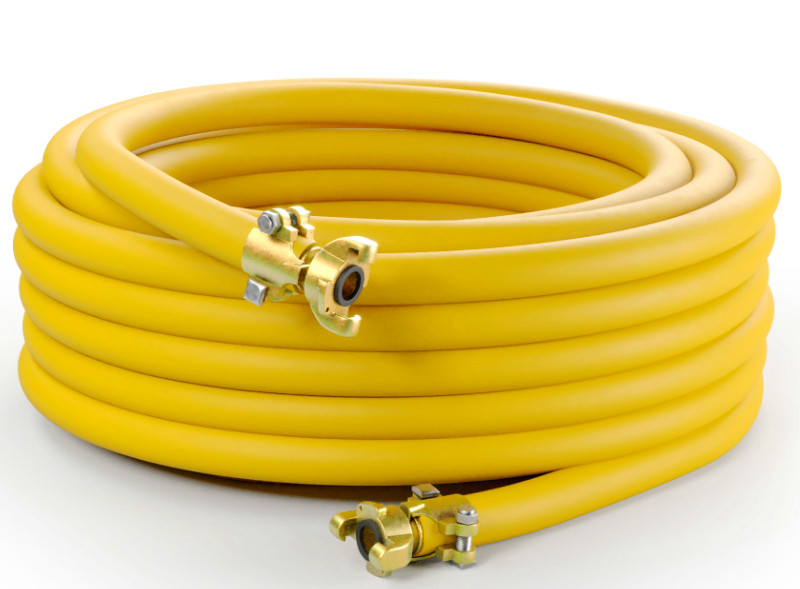
Fittings and couplers are essential parts of air hoses for compressors. They connect the hose to the compressor and tools. Good fittings ensure air flows smoothly without leaks. Choosing the right fittings can save time and effort during work. They also help keep the system safe and efficient.
Common Types
There are several common types of fittings and couplers. Quick-connect couplers allow fast tool changes. Threaded fittings provide a tight, secure connection. Barbed fittings hold hoses firmly with clamps. Each type fits different needs and tools. Knowing these types helps pick the best option.
Material Compatibility
Fittings must match the hose material. Brass fittings resist corrosion and last long. Steel fittings handle high pressure but may rust. Plastic fittings are light but less durable. Using the right material prevents damage and leaks. Always check compatibility before buying fittings.
Sealing And Leak Prevention
Good sealing stops air leaks and saves energy. Many fittings use rubber or nylon seals. Teflon tape can improve thread sealing. Tight connections reduce air loss and noise. Regularly inspect fittings to ensure no leaks appear. Proper sealing keeps the system working well.
Maintenance Tips For Longevity
Proper maintenance helps air hoses last longer and work better. Simple care steps prevent damage and keep air flowing smoothly. Follow these tips to protect your air hoses and save money on replacements.
Proper Storage
Store air hoses in a cool, dry place away from sunlight. Avoid sharp bends or kinks that can weaken the hose. Coil hoses neatly on hooks or reels to prevent tangling and damage.
Regular Inspection
Check hoses often for cracks, leaks, or wear. Look at connectors and fittings for tightness and damage. Early detection stops small problems from becoming big issues.
Cleaning Practices
Clean hoses regularly to remove dirt and debris. Use mild soap and water, then dry completely. Clean hoses keep air flowing and stop buildup inside.
Repairing Minor Damages
Fix small holes or cuts with repair tape or kits. Replace worn connectors to avoid leaks. Repairing minor damage extends hose life and keeps air pressure steady.

Credit: www.amazon.com
Safety Precautions
Using air hoses for compressors requires careful attention to safety. These hoses carry pressurized air that can cause harm if not handled correctly. Following safety precautions helps prevent accidents and extends hose life. Understanding how to avoid common hazards is essential for safe operation.
Avoiding Overpressure
Air hoses have a maximum pressure rating. Exceeding this limit can cause hose bursts. Always check the compressor’s pressure gauge before use. Use pressure regulators to keep air flow steady. Never connect hoses to compressors with higher pressure than rated.
Handling Kinks And Twists
Kinks and twists block air flow and damage hoses. Straighten hoses fully before turning on the compressor. Coil hoses loosely when storing. Avoid sharp bends or pulling the hose too hard. Replace hoses that show permanent bends or cracks.
Protecting Against Wear And Tear
Hoses wear out from rubbing against rough surfaces. Keep hoses away from sharp edges and hot parts. Use hose guards or sleeves for added protection. Inspect hoses regularly for cuts, cracks, or leaks. Replace damaged hoses immediately to avoid accidents.
Enhancing Compressor Performance
Air hoses play a big role in how well your compressor works. Choosing the right hose and setting it up correctly helps the compressor run smoothly. This means better power, less wear, and longer life for your machine.
Small changes in hose use can make a big difference. Understanding how to reduce pressure loss, pick the right hose length, and arrange hoses properly improves performance. These steps save energy and keep your tools working at their best.
Reducing Pressure Drop
Pressure drop happens when air moves through the hose and loses energy. It lowers the power your tools get. Use hoses with a larger diameter to reduce this loss. Avoid sharp bends that slow air flow. Keeping pressure steady helps tools work stronger and faster.
Using The Right Hose Length
Long hoses cause more pressure loss. Choose the shortest hose that fits your job. Too long a hose wastes energy and lowers air flow. A shorter hose keeps pressure high and saves energy. It also makes handling easier and safer.
Optimizing Hose Routing
How you lay out hoses affects air flow. Avoid tight loops and kinks that block air. Keep hoses away from heat sources to prevent damage. Use hose reels or clips to keep hoses straight. Good routing means smooth air flow and less wear on hoses.
Popular Brands And Models
Choosing the right air hose for your compressor is important. Popular brands offer many models. Each model suits different needs and budgets. Knowing the best options helps you pick the right hose.
Top-rated Options
Brands like Flexzilla and Goodyear lead the market. Their hoses are strong and last long. These hoses resist kinks and wear well. They work well for heavy use and tough jobs. Many professionals trust these brands for their reliability.
Budget-friendly Choices
Some brands offer good quality at low prices. Craftsman and Central Pneumatic have affordable hoses. These are good for light and medium tasks. They provide decent durability without high cost. Ideal for hobbyists or occasional use.
Specialized Hoses
Special hoses serve unique needs. Polyurethane hoses are light and flexible. Rubber hoses handle high pressure and heat. Some hoses resist oil and chemicals. Brands like California Air Tools and Milton make these. Choose a hose that fits your specific work.
Common Issues And Troubleshooting
Air hoses for compressors face common problems that affect their performance. Knowing these issues helps you fix them fast. Proper care keeps the hose working longer and safer.
Leaks And Cracks
Leaks and cracks often occur from wear and tear. Check the hose for small holes or splits. Use soapy water to spot air bubbles. Replace the hose if cracks are big or leaks are many. Small leaks can sometimes be patched with tape made for air hoses.
Kinking Problems
Kinks block air flow and can cause damage. Avoid sharp bends or twisting the hose. Store the hose coiled loosely to prevent kinks. Use hose reels or guides to keep it straight. Fix kinks by gently bending the hose back into shape.
Pressure Loss Solutions
Pressure loss reduces tool power and efficiency. Check for leaks or loose connections first. Tighten fittings and replace worn parts. Keep the hose free from kinks and damage. Use the right hose size for your compressor to maintain proper pressure.
Credit: compressor-source.com
Frequently Asked Questions
What Materials Are Best For Air Hoses In Compressors?
Air hoses for compressors are commonly made from rubber, PVC, or polyurethane. Rubber hoses are flexible and durable. PVC hoses are lightweight and affordable. Polyurethane hoses offer excellent abrasion resistance and flexibility. Material choice depends on usage, environment, and durability needs.
How Do I Choose The Right Air Hose Size?
Select air hose size based on compressor output and tool requirements. Larger diameters reduce pressure drop over long distances. Common sizes include 1/4″, 3/8″, and 1/2″. Match hose diameter with tool fittings for optimal performance and efficiency.
Can Air Hoses Handle High Pressure Safely?
Yes, quality air hoses are rated for specific pressure limits. Always check the hose’s maximum PSI rating. Using hoses beyond their pressure rating risks bursting and accidents. Choose hoses with safety margins for reliable compressor operation.
How To Maintain And Store Air Hoses Properly?
Keep hoses clean and free from dirt or chemicals. Avoid kinks and sharp bends to prevent damage. Store hoses coiled in a dry, cool place away from sunlight. Regular inspections help detect wear and leaks early.
Conclusion
Choosing the right air hose keeps your compressor working well. Strong, flexible hoses last longer and handle pressure safely. Check hose length and material before buying. Proper care avoids leaks and damage. Using quality hoses saves time and money in repairs.
Keep your tools ready for any job. Simple steps make a big difference in performance. Stay safe and get the best from your compressor.