

Are you tired of dealing with tangled, weak, or unreliable air compressor hoses? Your projects depend on having the right tools, and a quality air compressor hose kit can make all the difference.
Imagine working smoothly without interruptions, saving time, and boosting your productivity. You’ll discover everything you need to know to choose the perfect hose kit that fits your needs and keeps your air compressor running at its best. Keep reading to find out how to avoid common mistakes and get the most value for your money.
Credit: www.homedepot.com
Types Of Air Compressor Hose Kits
Air compressor hose kits come in different types. Each type serves a specific need. Choosing the right one improves work efficiency. Understanding the varieties helps in making the best choice.
The main types differ by material, size, and fittings. These factors affect durability, flexibility, and compatibility with tools.
Material Varieties
Air compressor hoses are made from several materials. Common types include rubber, PVC, and polyurethane. Rubber hoses are strong and flexible. PVC hoses are lightweight and affordable. Polyurethane hoses resist kinks and last longer. Each material suits different jobs and environments.
Length And Diameter Options
Hose kits vary in length and diameter. Length ranges from a few feet to over 100 feet. Choose a length that fits your workspace. Diameter affects air flow and pressure. Common diameters are 1/4 inch, 3/8 inch, and 1/2 inch. Bigger diameters allow more air to pass through.
Coupling And Fittings
Couplings connect the hose to tools or compressors. They come in quick-connect and threaded types. Quick-connect fittings save time during tool changes. Threaded fittings offer a tight, secure seal. Materials include brass, steel, and plastic. Choose fittings that match your equipment for best results.
Choosing The Right Hose Kit
Choosing the right air compressor hose kit is essential for efficient and safe operation. A suitable hose kit ensures your compressor works well with your tools. It also prevents leaks and hose damage. Picking the right kit saves time and money in the long run.
Matching Hose To Compressor
Check the compressor’s air pressure and flow rate. Choose a hose that can handle these levels without bursting. Hose diameter matters too. A hose too small reduces air flow and tool power. A larger hose fits better and keeps air flowing smoothly.
Considering Application Needs
Think about what tools you will use with the hose. Some tools need high pressure, others need more air volume. The hose length should allow easy movement without stretching. Choose a kit that fits your workspace and tool type perfectly.
Assessing Durability And Flexibility
Look for hoses made with strong materials like rubber or PVC. They last longer and resist wear and tear. Flexibility is key for easy handling and storage. A stiff hose is hard to coil and use in tight spaces. Pick a hose that bends easily but stays tough.
Installation Tips For Optimal Performance
Installing an air compressor hose kit correctly ensures better performance and longer hose life. Small mistakes during installation can cause leaks and reduce efficiency. Follow these simple tips for the best results.
Proper Hose Routing
Route the hose away from sharp edges and heat sources. Avoid tight bends or kinks in the hose. Keep the hose straight or gently curved to allow smooth air flow. Use hose guides or clamps to keep the hose in place. This prevents damage and maintains steady air pressure.
Securing Connections
Tighten all fittings firmly but avoid over-tightening. Loose connections cause air leaks and reduce power. Use thread seal tape on threaded parts for a better seal. Inspect connections regularly to catch leaks early. Proper sealing keeps the system efficient and safe.
Avoiding Common Mistakes
Do not stretch the hose too far from the compressor. Avoid dragging the hose over rough surfaces. Keep the hose clean and free from oil or chemicals. Replace damaged or cracked hoses immediately. These steps protect the hose and improve air flow.
Maintenance Practices To Extend Hose Life
Maintaining your air compressor hose kit is key to making it last longer. Good care helps avoid leaks and keeps air pressure steady. A few simple steps can save money and prevent downtime.
Regular Inspection
Check hoses often for cracks, cuts, or bulges. Look for signs of wear or damage near fittings. Inspect connections to ensure they are tight and secure. Catching problems early stops bigger issues later.
Cleaning And Storage
Keep hoses clean by wiping off dirt and dust. Avoid using harsh chemicals that can weaken the hose material. Store hoses in a cool, dry place away from sunlight. Coil hoses loosely to prevent kinks or bends.
Repair And Replacement Signs
Replace hoses showing leaks, cracks, or deep cuts immediately. If air pressure drops or the hose feels soft, it may be damaged inside. Do not ignore worn fittings or loose connections. Timely repair or replacement keeps work safe and efficient.
Boosting Efficiency With Hose Accessories
Air compressor hose accessories improve how you work with your air tools. They make tasks faster and safer. These accessories help control air flow and keep hoses organized.
Using the right accessories saves time and effort. It also protects your equipment and extends its life. Here are some key accessories that boost efficiency.
Quick Connectors
Quick connectors make attaching and detaching hoses simple. They save time during tool changes. No more screwing and unscrewing fittings.
These connectors create a tight seal to prevent air leaks. They keep the air pressure steady. This helps tools work at their best.
Hose Reels
Hose reels keep hoses neat and tangle-free. They prevent kinks that can damage hoses. Reels also reduce tripping hazards in the workspace.
Using a hose reel means less cleanup after work. It makes storing hoses easier and safer. You can pull out just the length you need.
Pressure Regulators
Pressure regulators control the air pressure going to your tool. They protect tools from too much pressure. This prevents damage and improves tool life.
Regulators ensure tools run smoothly and efficiently. They help maintain consistent performance. Adjusting pressure is quick and simple with these devices.
Safety Considerations
Safety is very important when using air compressor hose kits. These kits work with high pressure air. This can be dangerous if not handled well. Following safety rules helps avoid accidents and injury. It also keeps the equipment in good shape.
Handling High Pressure
Air compressor hoses carry very high pressure air. Never point the hose at people or animals. Always check the pressure rating of your hose. Use hoses made for your specific air pressure. Wear safety goggles and gloves to protect yourself. Release pressure slowly to avoid sudden bursts.
Avoiding Hose Damage
Hoses can get damaged if bent or twisted too much. Keep hoses away from sharp objects and heat sources. Store hoses properly by coiling them loosely. Avoid dragging hoses on rough surfaces. Check hoses often for cracks or leaks. Replace damaged hoses immediately to stay safe.
Proper Use Guidelines
Use the hose only for its intended purpose. Connect hoses securely to avoid air leaks. Do not overload the hose with too much pressure. Follow the manufacturer’s instructions carefully. Keep children and pets away from the working area. Turn off the compressor and release air before disconnecting.
Cost Vs. Quality: Making The Best Investment
Choosing the right air compressor hose kit means balancing cost and quality. Spending too little can lead to quick wear and poor performance. Spending too much might not always give better value. Understanding the options helps make a smart choice. This guide breaks down cost versus quality to find the best fit for your needs.
Budget-friendly Options
Budget-friendly kits offer basic features and decent durability. They work well for light, occasional use. These kits often use simpler materials like PVC or basic rubber. Expect limited flexibility and shorter lifespan. They suit hobbyists or small projects. These kits save money upfront but may need replacing sooner.
Premium Features
Premium kits use high-quality materials like reinforced rubber or hybrid blends. They resist kinks, abrasions, and harsh weather. These hoses maintain pressure better for consistent tool performance. Extra features might include quick-connect fittings and longer lengths. They fit professionals or heavy users who need reliability. The upfront cost is higher but offers better performance.
Long-term Savings
Investing in quality saves money over time. Durable hoses last longer and reduce replacement costs. Reliable kits prevent leaks and maintain air pressure, reducing energy waste. Quality fittings lower repair expenses. Less downtime means more work done. Long-term savings come from fewer repairs and better efficiency, making quality a smart investment.
Credit: jacosuperiorproducts.com

Credit: www.amazon.com
Frequently Asked Questions
What Is Included In An Air Compressor Hose Kit?
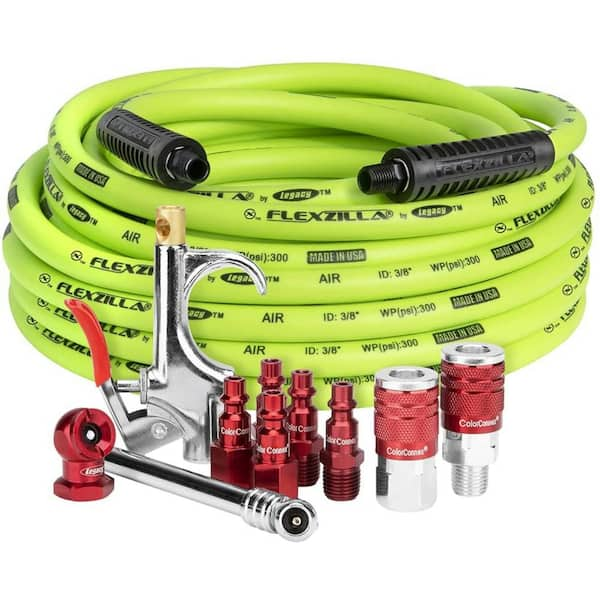
An air compressor hose kit includes hoses, connectors, fittings, and sometimes a storage bag. These kits provide everything needed to connect tools and the compressor efficiently.
How Do I Choose The Right Hose Length?
Choose a hose length based on your workspace size and tool distance. Longer hoses offer more reach but can reduce air pressure.
What Materials Are Best For Air Compressor Hoses?
Rubber and polyurethane are popular hose materials. Rubber is flexible and durable, while polyurethane is lightweight and kink-resistant.
Can I Use Any Hose With My Air Compressor?
No, hoses must match your compressor’s pressure rating and connection size. Using the wrong hose can cause leaks or damage.
Conclusion
Choosing the right air compressor hose kit matters for your work. Good hoses last longer and keep your tools safe. A quality kit helps you finish jobs fast and easy. Always check the size and material before buying. Proper care of your hose saves money and time.
Remember, simple steps make your tasks smoother and better. Pick a hose kit that fits your needs well. This small choice can improve your projects a lot.