
Choosing the right air compressor hose size can make all the difference in how well your tools work and how efficiently your projects get done. If you’ve ever struggled with low air pressure or a hose that feels too bulky to handle, you’re not alone.
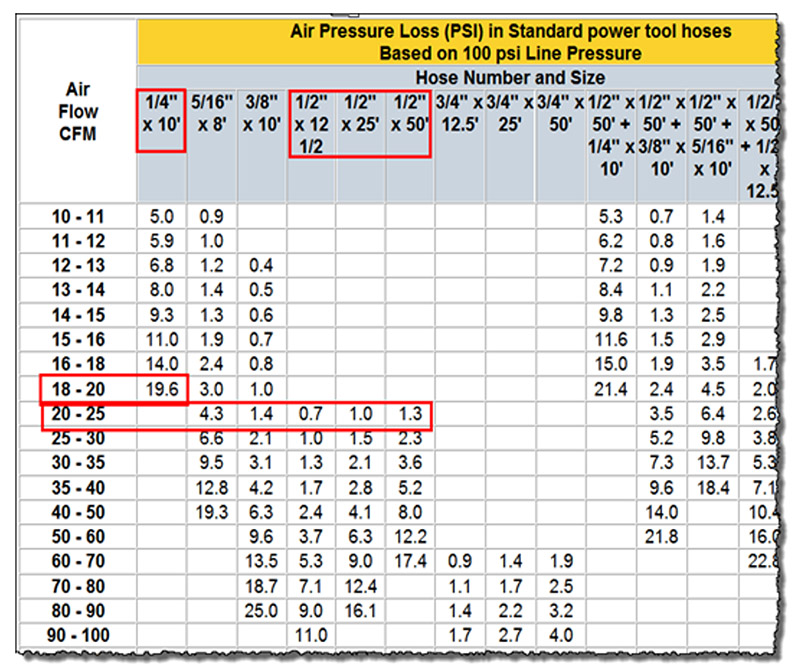
Understanding the perfect hose size for your needs will save you time, effort, and even money. In this guide, you’ll find a clear and simple air compressor hose size chart to help you pick exactly what fits your equipment and tasks.
Keep reading to make sure your air compressor setup is running at its best.
Credit: www.pneumatictips.com
Air Compressor Hose Basics
An air compressor hose carries compressed air from the machine to tools. Choosing the right hose is important for safety and performance. The hose size and material affect how well air flows and how long the hose lasts.
Understanding hose sizes, materials, and types of ends helps you pick the best hose. This guide covers these key points clearly and simply.
Common Hose Sizes
Hose sizes are usually measured by the inside diameter. Common sizes include 1/4 inch, 3/8 inch, and 1/2 inch. Smaller hoses fit light tools and short jobs. Larger hoses are best for heavy tools and longer distances.
Choosing the right size helps keep air pressure steady. Too small a hose can reduce tool power. Too large a hose can be heavy and hard to handle.
Materials Used
Air compressor hoses come in various materials. PVC hoses are light and affordable. Rubber hoses are stronger and flexible. Hybrid hoses mix rubber and PVC to balance strength and weight.
Some hoses have nylon or polyester layers for extra durability. The material affects how the hose bends, resists kinks, and stands up to weather.
Types Of Hose Ends
Hose ends connect the hose to the compressor and tools. Common types include quick-connect fittings and threaded fittings. Quick-connects allow fast tool changes. Threaded fittings screw on securely for a tight seal.
Choosing the right hose ends depends on your tools and compressor setup. Proper ends prevent air leaks and make work easier.
Choosing The Right Hose Diameter
Choosing the right hose diameter is key for your air compressor system. The hose size affects how well air flows from the compressor to the tool. Picking the wrong diameter can cause poor tool performance and wasted energy. This section explains how to select the correct hose size for your needs.
Impact Of Diameter On Air Flow
The diameter controls the amount of air that moves through the hose. A larger diameter allows more air to pass easily. Smaller hoses limit air flow and can cause pressure loss. Proper air flow keeps tools running smoothly and efficiently.
Matching Hose To Tool Requirements
Each air tool needs a specific air volume and pressure. The hose diameter must meet these needs to work correctly. Using a hose that is too small can reduce tool power. A hose that is too big may be heavy and hard to handle.
Pressure Drop Considerations
Air pressure drops as it travels through the hose. The smaller the diameter, the higher the pressure drop. High pressure drop lowers tool performance and can cause delays. Choosing the right diameter helps keep pressure steady and tools working well.
Length And Its Effects
The length of an air compressor hose plays a key role in its performance. Choosing the right length helps keep air pressure steady. It affects how well your tools work. Too long or too short can cause issues. Understanding hose length helps you get better results.
Optimal Hose Lengths
Hoses come in many lengths, from a few feet to over 100 feet. Shorter hoses keep air pressure strong. They suit tasks close to the compressor. Longer hoses reach far but lose pressure. Most users find 25 to 50 feet ideal. This range balances reach and performance well.
How Length Influences Performance
Long hoses reduce air pressure at the tool end. The longer the hose, the more pressure drops. This drop lowers tool speed and power. Hoses that are too long can cause uneven air flow. Using a hose that fits your task keeps tools running smoothly.
Managing Hose Extensions
Sometimes, extra length is needed. You can add extensions but use them carefully. Each added length causes more pressure loss. Connect extensions tightly to avoid leaks. Avoid using too many extensions at once. Check pressure regularly to ensure good tool performance.

Credit: infinitypipesystems.com.au
Hose Compatibility And Fittings
Choosing the right hose and fittings is key for your air compressor setup. Compatibility affects performance and safety. Use the correct size to avoid leaks and pressure loss. Matching hose size with fittings ensures smooth air flow. This section covers how to select fittings and connect hoses properly.
Standard Fitting Sizes
Fittings come in common sizes like 1/4 inch, 3/8 inch, and 1/2 inch. These sizes match typical hose diameters. Using the right size prevents air leaks and wear. Check your hose diameter before buying fittings. Standard sizes fit most tools and compressors easily.
Quick Connect Options
Quick connect fittings save time during setup and changes. They snap together without tools. These come in various sizes and styles. Choose quick connects that fit your hose diameter. They offer fast, secure connections for frequent use.
Ensuring Leak-free Connections
Tight connections stop air from escaping. Use thread seal tape on screw fittings. Avoid over-tightening, which can damage parts. Inspect connections regularly for wear or cracks. Proper fittings and sealing keep your system efficient and safe.
Maintenance Tips For Hose Longevity
Maintaining your air compressor hose can extend its life significantly. Proper care prevents leaks and damage. Simple steps keep the hose flexible and strong for longer use.
Proper Storage Methods
Store the hose in a cool, dry place away from direct sunlight. Coil the hose loosely to avoid kinks and bends. Use hose reels or hooks to keep it off the ground. Avoid sharp edges or heavy objects that might crush the hose.
Regular Inspection Checklist
Check the hose for cracks, holes, or worn spots before each use. Look for leaks by feeling for air escaping along the hose. Inspect the connectors and fittings for rust or damage. Replace any damaged parts immediately to avoid failure.
Handling And Safety Practices
Do not pull the hose by the fittings; always pull from the hose body. Avoid stepping on or running over the hose with vehicles. Keep the hose away from hot surfaces and chemicals. Wear gloves to protect your hands when handling the hose.

Credit: blog.exair.com
Troubleshooting Common Issues
Troubleshooting common issues with your air compressor hose helps keep your tools running well. Small problems can cause big drops in pressure and slow your work. Knowing what to check and fix saves time and money. Here are simple steps to find and solve common hose problems.
Identifying Air Leaks
Air leaks reduce compressor power and waste energy. Look for hissing sounds near hose connections and fittings. Spray soapy water on the hose and watch for bubbles. Check both ends of the hose carefully. Even tiny holes can cause big leaks. Fix leaks by tightening connections or patching small holes.
Pressure Loss Solutions
Low pressure affects tool performance and slows work. Check the hose size against your compressor’s output. A hose too narrow causes pressure drop. Make sure the hose is straight and not kinked. Replace old or damaged hoses. Clean or replace clogged filters and fittings to improve flow.
When To Replace Your Hose
Hoses wear out over time from use and weather. Look for cracks, splits, or dry rot on the hose surface. If the hose loses flexibility or shows visible damage, it needs replacing. Replace hoses that leak often or cause pressure drops. Using a good hose keeps your compressor safe and efficient.
Frequently Asked Questions
What Is The Ideal Air Compressor Hose Size?
The ideal hose size depends on your air tool’s CFM and PSI requirements. Larger diameters reduce pressure drop, improving efficiency. Common sizes are 1/4″, 3/8″, and 1/2″ inner diameters. Choose a size that matches or exceeds your tool’s needs for optimal performance.
How Does Hose Size Affect Air Compressor Performance?
Hose size impacts airflow and pressure loss. Smaller hoses restrict air, causing lower tool power. Larger hoses allow better airflow, reducing pressure drop and improving tool efficiency. Selecting the right hose diameter ensures consistent air delivery and prevents compressor overload.
Can I Use Any Hose Size With My Air Compressor?
Not all hose sizes are compatible. Using too small a hose restricts airflow and reduces tool performance. Oversized hoses can be bulky but generally work well. Always check your compressor and tool specifications to select the correct hose diameter for safe operation.
Why Is A Hose Size Chart Important?
A hose size chart helps match hose diameter with required airflow and pressure. It ensures you pick the right hose to maximize tool efficiency and compressor lifespan. Using the chart prevents common issues like pressure drop and hose wear, saving time and money.
Conclusion
Choosing the right air compressor hose size matters a lot. It helps your tools work better and last longer. Using the correct hose size also saves energy and time. This chart guides you to pick the best fit for your needs.
Keep it handy for easy reference during your projects. Your work will flow smoother, with less hassle and more power. Simple steps lead to better results every time. Trust the chart to help you choose wisely and work smart.