
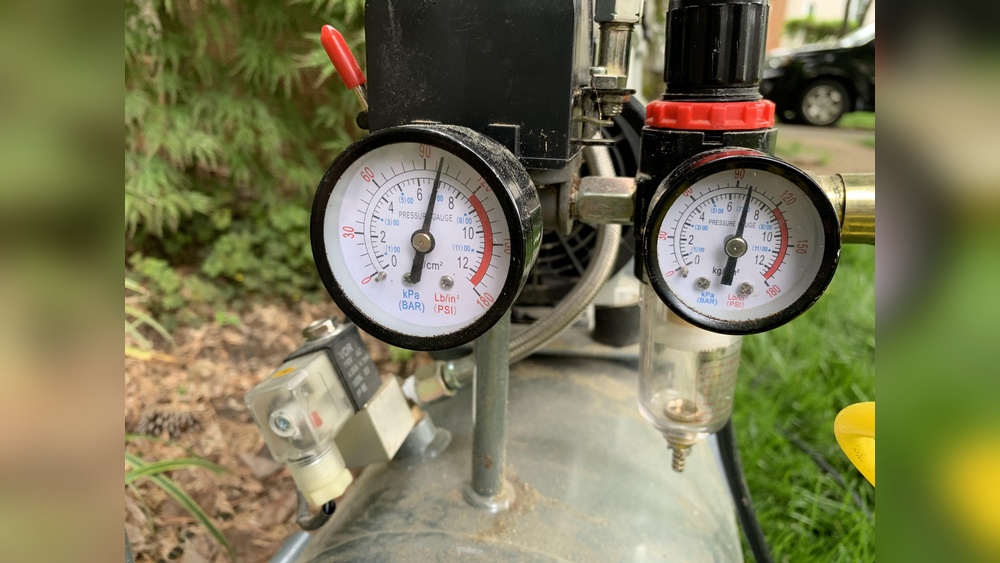
Is your air compressor running, but no pressure is coming through the hose? That can be frustrating when you need your tools to work smoothly.
You might wonder why your compressor seems to be doing its job, yet nothing is reaching the hose. Understanding this problem is the first step to fixing it quickly and getting back on track. You’ll discover the common reasons behind no pressure in your air compressor hose and simple solutions you can try right now.
Keep reading to save time, avoid costly repairs, and get your compressor working like new again.
Common Causes Of No Pressure
No pressure in the hose from an air compressor can stop your work. Understanding common causes helps fix the problem faster. Several issues can reduce or block air pressure. Identifying these issues saves time and effort.
Air Leaks In The System
Air leaks lower pressure in the hose. Leaks can happen at joints, fittings, or cracks in the tank. Even small leaks cause big pressure drops. Check all connections and seals for leaks. Use soapy water to find bubbles showing leaks.
Faulty Pressure Switch
The pressure switch controls compressor pressure levels. A faulty switch may stop the compressor from reaching full pressure. It might turn off too soon or fail to activate the motor. Test the switch with a multimeter or replace it if needed.
Clogged Air Filter
A clogged air filter blocks airflow into the compressor. Poor airflow reduces pressure output. Dirt and dust build up over time. Clean or replace the air filter regularly to keep air flowing freely.
Damaged Hose Or Connections
Cracks or holes in the hose cause pressure loss. Loose or damaged connections also reduce pressure. Inspect the hose carefully for damage. Tighten or replace any faulty parts for proper pressure flow.

Credit: www.reddit.com
Checking Air Compressor Components
Checking the parts of your air compressor is important when there is no pressure to the hose. Small problems in key components can stop air flow. Finding these issues early saves time and repairs.
Focus on three main parts. These are the pressure switch, the air filter, and the hose. Each part plays a role in keeping air moving. Inspecting them carefully helps find the problem fast.
Inspecting The Pressure Switch
The pressure switch controls the air compressor’s on and off cycles. It tells the motor when to start or stop based on pressure levels. Check for dirt, damage, or loose wires. Use a multimeter to test if it works correctly. A faulty switch may stop pressure from reaching the hose.
Examining The Air Filter
The air filter keeps dust and dirt out of the compressor. A clogged filter blocks airflow. Remove the filter and look for dirt or debris. Clean it with soap and water or replace it if very dirty. A clean filter ensures smooth air flow and better pressure.
Testing The Hose For Damage
The hose carries air from the compressor to your tools. Cracks, holes, or kinks in the hose cause pressure loss. Inspect the entire hose length carefully. Squeeze the hose gently to find weak spots. Replace damaged hoses to restore proper air flow and pressure.
Simple Fixes To Restore Pressure
Simple fixes can often bring back the air pressure in your compressor. These fixes save time and money. They let you avoid costly repairs or replacements. Many problems come from small issues. Fixing these can quickly restore pressure to the hose.
Check each part of the air compressor step by step. Look for loose parts, dirty filters, or broken switches. Also, inspect the hose for damage. These checks help find the exact cause of the problem.
Tightening Loose Connections
Loose connections cause air leaks and low pressure. Use a wrench to tighten all bolts and nuts. Check the fittings where the hose connects to the compressor. Tight connections stop air from escaping. This fix often restores full pressure fast.
Replacing The Air Filter
A dirty air filter blocks airflow and reduces pressure. Remove the filter and inspect it for dust and debris. Replace it with a new filter if it looks clogged. A clean filter lets air flow freely. This simple change improves compressor performance.
Fixing Or Replacing The Pressure Switch
The pressure switch controls when the compressor turns on and off. A broken switch may stop pressure buildup. Test the switch with a multimeter for proper function. Replace the switch if it fails the test. Fixing this part restores normal pressure control.
Repairing Or Swapping The Hose
Leaks or cracks in the hose reduce air pressure. Inspect the hose carefully for holes or damage. Small holes can be patched with tape or sealant. Replace the hose if damage is severe. A good hose keeps air pressure steady to the tool.

Credit: www.amazon.com
Preventive Tips For Consistent Pressure
Consistent pressure in your air compressor hose is vital for smooth operation. Preventive care helps avoid pressure drops and keeps tools working well. Simple steps can protect your equipment and save repair costs.
Regular Maintenance Schedule
Check the air compressor regularly. Clean filters and drains often. Replace worn parts quickly. Regular inspections catch small problems early. This keeps pressure steady and equipment reliable.
Proper Storage And Handling
Store hoses in a dry, cool place. Avoid sharp bends or kinks. Handle hoses gently to prevent damage. Proper storage stops cracks and leaks. This helps maintain steady air pressure.
Using Quality Components
Choose durable hoses and fittings. Low-quality parts can cause leaks and pressure loss. Use components made for your compressor’s pressure range. Quality parts last longer and hold air better.
When To Seek Professional Help
Knowing when to seek professional help for air compressor problems saves time and avoids damage. Some issues need expert skills and tools. Trying to fix these can be unsafe or cause more trouble. Watch for signs that show it’s time to call a technician.
Persistent Pressure Issues
If your compressor keeps losing pressure despite basic fixes, it needs expert care. Persistent pressure drops can mean leaks or valve problems inside. Professionals test and find hidden issues fast. They fix parts that stop air from flowing properly.
Complex Electrical Problems
Electrical troubles are risky and hard to fix alone. Faulty wiring or switches can cause the compressor to stop working. A trained technician uses special tools to check electrical parts. They ensure safe repairs that protect your compressor and home.
Compressor Motor Failures
The motor is the heart of the air compressor. Strange noises or no startup signal motor trouble. Motor repairs need skill and experience. Experts can repair or replace motors to restore full power. This prevents further damage to your machine.

Credit: www.youtube.com
Frequently Asked Questions
Why Is My Air Compressor Showing No Pressure To Hose?
No pressure to the hose often means an air leak, blocked valve, or faulty pressure regulator. Check hose connections and valves first.
How To Fix Air Compressor With Zero Hose Pressure?
Inspect hoses for leaks or damage. Tighten fittings and clean or replace blocked valves. Reset or replace the pressure switch if needed.
Can A Clogged Air Filter Cause No Pressure To Hose?
Yes, a clogged air filter restricts airflow, reducing pressure output. Regularly clean or replace the filter to maintain proper pressure.
Does Hose Length Affect Air Compressor Pressure?
Long or narrow hoses can reduce pressure due to friction loss. Use shorter, wider hoses for better air flow and pressure delivery.
Conclusion
An air compressor with no pressure to the hose can stop your work fast. Check the hose for leaks or kinks first. Make sure the compressor tank has enough air. Clean or replace the air filter if it looks dirty.
Also, inspect the pressure regulator and valves. Small fixes often solve the problem quickly. Regular care helps the compressor run well. Keep these tips in mind to avoid downtime. Your tools will work better and last longer. Simple steps bring back strong air pressure every time.