
If you’ve ever struggled with setting up your air compressor, you know how tricky connecting the hose can be. Getting this step right is crucial for your tool to work safely and efficiently.
In this guide, you’ll learn simple, clear steps to connect your air compressor hose quickly and without any hassle. Whether you’re a beginner or just need a refresher, by the end of this article, you’ll feel confident handling your equipment like a pro.
Keep reading to avoid common mistakes and make sure your next project goes smoothly.
Credit: www.youtube.com
Choosing The Right Hose
Choosing the right air compressor hose is important for safe and efficient work. The hose must fit your tool and air compressor perfectly. The wrong hose can cause leaks, reduce power, or even cause accidents.
Focus on the hose type, material, length, and diameter. Each factor affects how well the hose performs. Understanding these will help you pick the best hose for your needs.
Types Of Air Compressor Hoses
There are several types of air compressor hoses. Rubber hoses are durable and flexible. PVC hoses are lightweight and affordable but less flexible. Hybrid hoses combine rubber and PVC for better performance. Choose a type based on your work environment and tool requirements.
Selecting Hose Material
Hose material affects durability and flexibility. Rubber handles high pressure and rough use well. PVC is good for light tasks and indoor use. Hybrid hoses offer a balance of strength and lightness. Consider how often and where you will use the hose.
Determining Hose Length And Diameter
Length matters for reach and air pressure. Longer hoses give more reach but reduce pressure. Shorter hoses keep pressure high but limit movement. Diameter affects airflow volume. Larger diameters provide more air but may be heavier. Match hose length and diameter to your tool’s needs.
Credit: www.reddit.com
Preparing The Compressor And Hose
Preparing the compressor and hose is the first step to a safe and effective connection. It ensures the parts fit well and work correctly. Taking time to prepare reduces risks and saves time later. Follow these simple steps to get ready before connecting the hose.
Checking Compressor Compatibility
Not all hoses fit every air compressor. Check the compressor’s manual for compatible hose types and sizes. Look at the connection size on the compressor. It should match the hose fitting size exactly. Using incompatible parts may cause leaks or damage.
Inspecting The Hose For Damage
Carefully examine the hose before use. Look for cracks, holes, or weak spots. Check the fittings for rust or wear. A damaged hose can cause air leaks and reduce performance. Replace any hose that shows signs of damage.
Gathering Necessary Tools
Prepare the tools needed for the connection. Common tools include wrenches or pliers to tighten fittings. Have a clean cloth ready to wipe connections. Keeping tools handy speeds up the process and ensures a secure fit.
Connecting The Hose To The Compressor
Connecting the hose to the air compressor is a key step before using any air tool. A proper connection ensures air flows smoothly without leaks. This section guides you through the process in easy steps.
Locating The Air Outlet
Find the air outlet on your compressor. It is usually a metal valve or nozzle near the tank. This outlet is where the hose attaches to receive compressed air. Make sure the compressor is off before starting.
Attaching The Hose Fitting
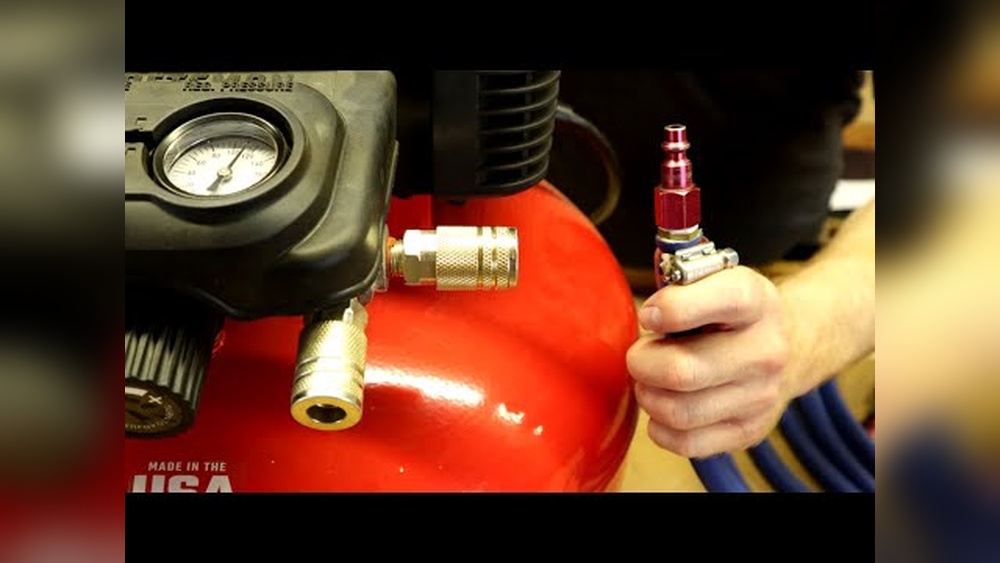
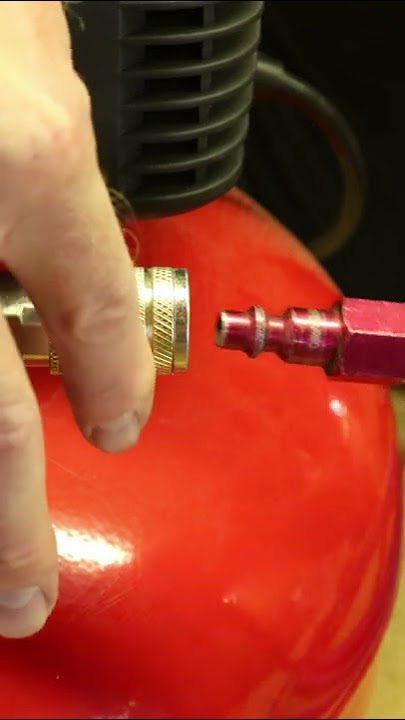
Take the hose fitting and line it up with the air outlet. Push the fitting onto the outlet firmly. Some fittings twist or click into place. Check your hose type for the correct method.
Securing The Connection
Use any locking mechanism on the fitting to secure it. This could be a clamp, screw, or quick-connect latch. Tighten it enough to prevent air leaks but avoid over-tightening. A secure connection keeps air pressure steady.
Connecting The Hose To The Tool
Connecting the air compressor hose to your tool is a key step for smooth operation. The connection must be secure to ensure proper air flow. Take time to do it right to avoid leaks and interruptions.
Identifying Tool Inlet
First, find the air inlet on your tool. It is usually a small metal fitting. This inlet is where the hose will connect. Check the size and type of fitting to match the hose end.
Attaching Quick-connect Couplers
Most tools use quick-connect couplers for easy attachment. Slide the coupler onto the tool’s inlet until it clicks. This click means the hose is locked in place. Avoid forcing the coupler to prevent damage.
Ensuring A Tight Seal
Check that the hose and tool connection is tight. A loose fit can cause air leaks and lower pressure. Twist the connection gently to test its firmness. Use thread tape if needed for a better seal.
Testing The Connection
Testing the connection of your air compressor hose is vital. It ensures the hose fits well and works safely. This step prevents air leaks and keeps the compressor running smoothly. Follow these simple steps to test your connection properly.
Turning On The Compressor
Start by turning on the air compressor. Listen to the sound of the motor. It should run without unusual noises. Wait for the compressor to build pressure. This usually takes a few minutes.
Checking For Air Leaks
Next, check for air leaks at the connection points. Use your hand to feel for any air escaping. You can also spray soapy water on the connection. Look for bubbles that show escaping air. Leaks reduce compressor efficiency and waste air.
Adjusting Connections If Needed
If you find leaks, turn off the compressor first. Tighten the hose fittings carefully by hand or with a wrench. Avoid overtightening, which can damage threads. Test the connection again after adjusting. Repeat until no air leaks appear.
Credit: premiumconwin.com
Maintaining Your Air Compressor Hose
Maintaining your air compressor hose is key to keeping it working well. Proper care helps avoid leaks and breaks. This saves money and time. Simple steps can extend the hose’s life. Follow these tips to keep your hose ready for use.
Proper Storage Tips
Store the hose in a cool, dry place. Avoid direct sunlight and heat. Coil the hose neatly without sharp bends. Use hooks or reels to hang it. This stops kinks and damage. Keep it away from chemicals and sharp objects.
Regular Inspection And Cleaning
Check the hose often for cracks or leaks. Look at connections and fittings closely. Clean the hose with a damp cloth. Remove dirt and dust that can cause wear. Do not use harsh chemicals or solvents. Dry the hose completely before storing.
Replacing Worn Or Damaged Parts
Replace any worn or cracked hose sections immediately. Change damaged fittings and connectors too. Use parts that fit your air compressor model. This keeps the system safe and efficient. Regular replacement prevents bigger problems later.
Frequently Asked Questions
How Do I Connect An Air Compressor Hose Safely?
First, ensure the air compressor is off and depressurized. Attach the hose to the compressor’s outlet securely. Use quick-connect fittings if available. Check for tight connections to prevent leaks. Always wear safety goggles during connection.
What Tools Do I Need To Connect An Air Compressor Hose?
You typically need quick-connect fittings, a wrench, and Teflon tape. These tools ensure a secure and leak-free connection. Some hoses come with fittings pre-installed. Verify compatibility between hose and compressor fittings before starting.
Can I Connect Different Brands Of Air Compressor Hoses?
Yes, but ensure matching fitting sizes and types. Use adapters if necessary for compatibility. Mixing brands is common but requires careful checking. Proper connections prevent air leaks and maintain performance.
How Do I Prevent Air Leaks When Connecting Hoses?
Use Teflon tape on threaded connections for a tight seal. Hand-tighten first, then use a wrench without over-tightening. Inspect connections for damage or wear. Perform a soap water test to detect leaks.
Conclusion
Connecting an air compressor hose is simple with the right steps. Always check the hose and fittings for damage. Make sure connections are tight to avoid leaks. Use the proper tools to secure the hose quickly. Safety matters, so wear protective gear while working.
Practice these tips to work confidently and efficiently. Your projects will run smoothly with a well-connected hose. Keep these ideas in mind for your next task. Easy and safe connections make all the difference.