
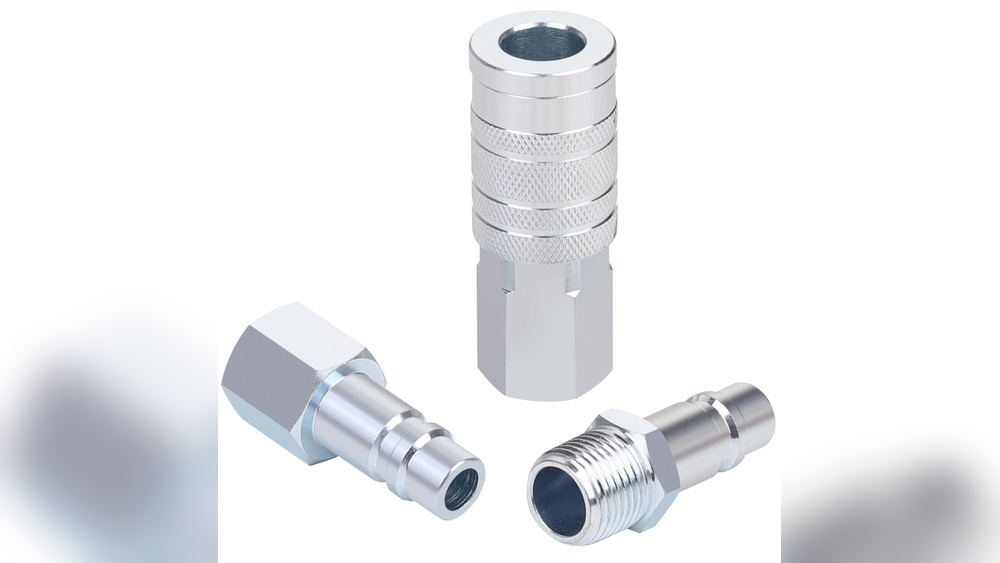
Are you tired of dealing with air leaks and weak connections in your air compressor setup? Your tools and projects deserve better.
An air compressor hose coupler is the simple yet powerful accessory that can make a big difference in how you work. It ensures a secure, fast, and hassle-free connection between your hoses and tools. Keep reading to discover how choosing the right coupler can save you time, boost your efficiency, and protect your equipment from damage.
This guide will help you find the perfect fit for your needs and get the most out of your air compressor.
Types Of Air Compressor Hose Couplers
Air compressor hose couplers come in various types. Each type suits different tasks and environments. Choosing the right coupler improves efficiency and safety. Understanding these types helps you pick the best one for your needs.
Industrial Couplers
Industrial couplers are built for heavy use in factories and workshops. They offer strong connections and handle high air pressure. These couplers are usually made from durable metals like steel or brass. Their design ensures secure fits to avoid air leaks during long work hours.
Automotive Couplers
Automotive couplers are common in car repair and maintenance. They connect air tools like impact wrenches and spray guns. These couplers often have quick-release features for fast tool changes. They work well with moderate air pressure and frequent use.
Heavy-duty Couplers
Heavy-duty couplers suit tough jobs in construction and industrial sites. They withstand harsh conditions and rough handling. These couplers provide strong seals and resist wear and tear. Their rugged build helps maintain reliable air flow under stress.
Miniature Couplers
Miniature couplers are small and lightweight. They fit compact air tools and tight spaces. These couplers are easy to connect and disconnect quickly. They work best for light to medium air pressure tasks.

Credit: www.amazon.com
Materials And Durability
The choice of material affects the strength and life of air compressor hose couplers. Durability matters because these parts face constant pressure and wear. Different materials offer unique benefits for different uses. Understanding these materials helps in picking the right coupler for your needs.
Brass Couplers
Brass couplers are common in air compressor hoses. They resist rust and corrosion well. Brass is strong yet easy to shape into precise fittings. These couplers last long in normal work conditions. They also handle high air pressure without cracking or breaking.
Steel Couplers
Steel couplers provide extra strength for heavy-duty jobs. They withstand high impact and rough handling. Steel may weigh more but offers excellent durability. These couplers resist bending or denting during use. Many professionals prefer steel for tough environments.
Plastic Couplers
Plastic couplers are lightweight and cost-effective. They work well in low-pressure applications. Plastic does not rust but may wear faster under stress. These couplers are easy to install and replace. Ideal for light tasks or indoor use.
Corrosion Resistance
Corrosion resistance extends the life of couplers significantly. Brass and steel couplers often have coatings to prevent rust. Plastic couplers naturally resist corrosion but can degrade in sunlight. Choosing corrosion-resistant material reduces maintenance and downtime.
How Quick Connects Work
Quick connects make attaching and detaching air compressor hoses simple and fast. They save time and effort during work. These couplers create a secure link between the hose and tools. Understanding how they work helps in choosing the right type for your needs.
Push-to-connect Mechanism
This mechanism allows you to connect hoses with a simple push. You just push the hose end into the coupler. The coupler grabs the hose firmly without twisting or turning. This design makes connections quick and easy, even in tight spaces.
Locking Systems
Locking systems keep the hose tightly attached during use. They prevent the hose from slipping or coming loose. Some couplers use ball bearings or clips that lock in place. This feature improves safety and avoids air leaks during operation.
Pressure Sealing
Pressure sealing stops air from escaping the connection point. A rubber or silicone ring inside the coupler seals tightly around the hose. This seal holds under high pressure without leaking. It ensures efficient air flow and strong tool performance.
Choosing The Right Coupler
Choosing the right air compressor hose coupler is essential for smooth operation. The right coupler ensures a secure fit and efficient air flow. It also prevents air leaks and equipment damage. Understanding key factors helps make the best choice for your needs.
Compatibility With Hoses
Check the coupler’s compatibility with your hose type. Different hoses have different materials and sizes. Using a compatible coupler avoids leaks and wear. Match the coupler to the hose material and diameter for a tight seal.
Flow Rate Considerations
Consider the air flow rate needed for your tools. A coupler with too small a flow rate limits performance. Choose a coupler that supports the maximum air flow your compressor provides. This ensures tools work efficiently without pressure drops.
Size And Thread Types
Couplers come in various sizes and thread types. Match the coupler size to your hose and tool fittings. Common thread types include NPT and BSP. Using the correct thread prevents cross-threading and air leaks.
Installation Tips
Installing an air compressor hose coupler correctly ensures safe and efficient operation. Proper installation prevents air leaks and maintains strong connections. Follow these simple steps to install couplers with ease.
Preparing Hose Ends
Cut the hose end clean and straight. Remove any dirt or debris from inside the hose. Use a sharp knife or hose cutter for a neat edge. Make sure the hose end fits the coupler snugly. Proper preparation helps create a tight seal.
Securing Couplers
Slide the coupler over the hose end fully. Use hose clamps or crimp fittings to secure it firmly. Tighten clamps evenly to avoid damaging the hose. Check the coupler is stable and does not move. A secure fit prevents air leaks and disconnections.
Leak Testing
Turn on the air compressor at low pressure first. Listen carefully for hissing sounds near the coupler. Apply soapy water to the connection and watch for bubbles. Bubbles mean there is a leak. Tighten the coupler or clamps until no bubbles appear. Leak testing ensures safety and performance.
Maintenance And Troubleshooting
Proper maintenance and troubleshooting keep your air compressor hose coupler working well. Regular care prevents damage and extends the coupler’s life. Easy checks help find problems early. Fixing small issues avoids costly repairs. Follow simple steps to keep your coupler in top shape.
Cleaning Quick Connects
Quick connects gather dirt and dust during use. Clean them often to avoid clogs and leaks. Use a soft cloth and mild soap to wipe the surfaces. Avoid harsh chemicals that can damage seals. Dry the parts fully before reconnecting. Clean quick connects help maintain strong air flow.
Common Issues
Leaks and poor connections are frequent problems with couplers. Dirt, worn seals, or damage cause these issues. Check for air hissing sounds or visible cracks. Loose fittings reduce air pressure and slow work. Tighten connections and replace damaged parts quickly. Regular inspection catches faults before failure.
Replacing Worn Parts
Worn parts reduce coupler performance and safety. O-rings and seals wear out with use. Replace these parts to stop leaks and maintain pressure. Use parts made for your coupler model. Follow instructions for easy and safe replacement. Changing parts regularly keeps the system reliable.
Safety Practices
Safety is crucial when working with air compressor hose couplers. These parts handle high pressure and need careful use. Following safety practices helps prevent accidents and injuries. Understanding how to handle, store, and secure couplers keeps the workspace safe.
Handling Under Pressure
Always wear safety glasses and gloves before handling couplers. Never disconnect hoses while under pressure. Release air pressure fully before detaching the coupler. Hold the coupler firmly to avoid sudden movements. Check for leaks or damage before use.
Proper Storage
Store couplers in a clean, dry place away from dust. Avoid exposure to extreme temperatures or sunlight. Keep hoses coiled loosely to prevent kinks. Regularly inspect and clean couplers before storing. Proper storage extends the life of couplers.
Preventing Accidental Disconnection
Use locking couplers or clips to secure connections. Double-check all connections before starting the compressor. Avoid pulling or twisting hoses while connected. Ensure couplers fit tightly and correctly. This reduces the risk of sudden disconnections.
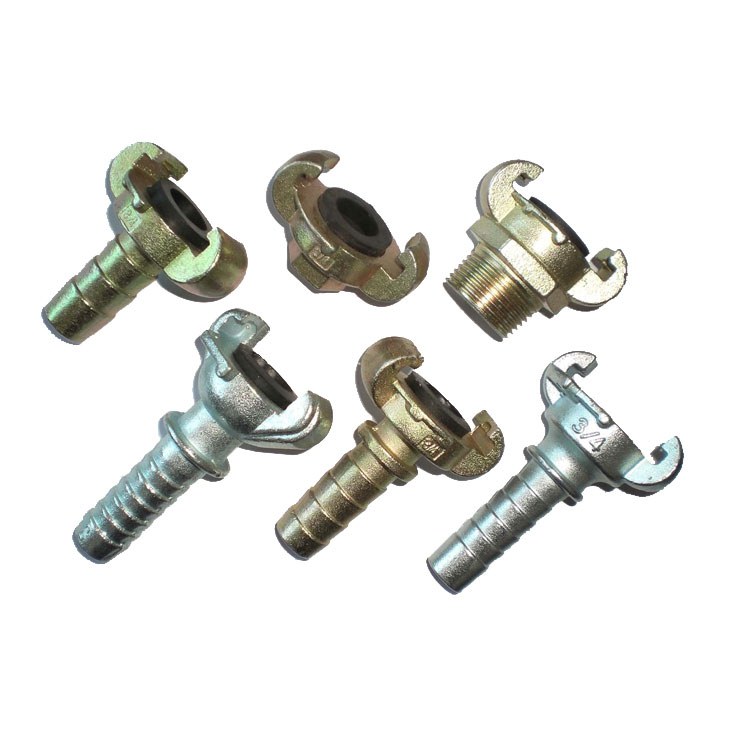
Credit: www.burwell.com.au
Popular Brands And Models
Choosing the right air compressor hose coupler matters for tool efficiency and safety. Many brands offer a range of models suited for different needs. Some focus on durability, others on cost-effectiveness or high performance. Understanding popular brands helps pick the best option for your work.
Top Industry Picks
Industries trust brands like Milton and Dixon for reliability. Milton’s couplers are known for easy connection and long life. Dixon offers tough models that handle heavy use and high pressure. Both brands provide a variety of sizes and materials for different jobs.
Budget-friendly Options
For basic tasks, brands like Hosetech and Campbell Hausfeld deliver quality at low cost. These couplers suit hobbyists and light use. They offer decent durability and standard fittings. Choosing budget options saves money without losing essential features.
High-performance Models
High-performance couplers come from brands such as Snap-on and DeWalt. These models offer fast connect and disconnect features. They resist wear and corrosion, ideal for heavy-duty work. High pressure and temperature tolerance make them reliable in tough conditions.

Credit: cneastophose.en.made-in-china.com
Frequently Asked Questions
What Is An Air Compressor Hose Coupler?
An air compressor hose coupler connects the hose to the compressor or tools. It ensures a secure, airtight fit. This helps maintain consistent air pressure and improves tool efficiency. Couplers come in various sizes and materials for different applications.
How Do I Choose The Right Hose Coupler?
Select a coupler based on hose size, pressure rating, and tool compatibility. Check the material for durability and corrosion resistance. Quick-connect types are popular for easy use. Matching the coupler to your compressor and tools ensures optimal performance.
Can I Use Any Coupler With My Air Compressor?
No, couplers must match hose diameter and pressure requirements. Using incompatible couplers can cause leaks or damage. Always check manufacturer specifications. Proper fit ensures safety and maintains air pressure. Avoid mixing different brands without confirming compatibility.
How To Maintain An Air Compressor Hose Coupler?
Regularly inspect for leaks, cracks, or dirt buildup. Clean couplers with a dry cloth to prevent clogging. Lubricate moving parts with suitable oil if recommended. Replace damaged couplers promptly. Proper maintenance extends lifespan and ensures safe operation.
Conclusion
Choosing the right air compressor hose coupler makes a big difference. It keeps your tools connected and working well. A good coupler prevents air leaks and saves energy. It also makes changing hoses quick and easy. Small details like material and size matter a lot.
Always pick one that fits your needs and tools. Proper care helps it last longer and work better. A reliable coupler means smoother work and less hassle. Simple, strong, and efficient—that’s what you want.