
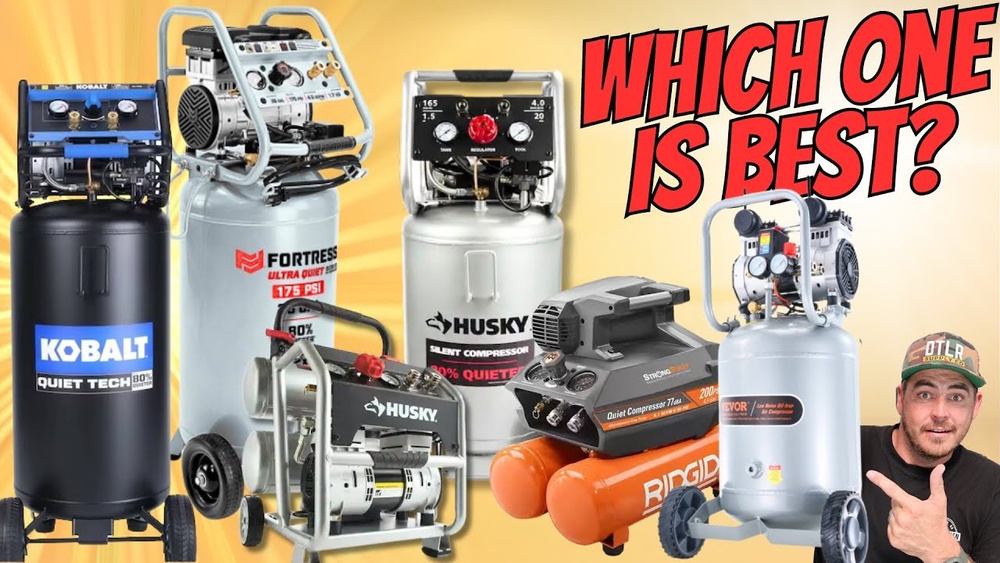
If you want to take your auto detailing to the next level, you need the right tools. One of the most important tools is an air compressor. This machine is not just for filling tires—it’s a powerful helper for cleaning, drying, and even running other detailing equipment. But choosing the best air compressor for auto detailing can feel confusing. Different sizes, types, and features make the choice tricky. In this review, you’ll learn what makes a great air compressor for auto detailing, discover popular models, and get practical advice to help you make the right decision.
Why Air Compressors Matter In Auto Detailing
Auto detailing is all about making cars look their best. It’s much more than washing a vehicle. Professionals and enthusiasts use special techniques and tools to clean, polish, and protect every part of a car. Air compressors help in many ways:
- Blowing out dust from tight spaces like vents, dashboards, and seats
- Drying surfaces quickly after washing, especially in hard-to-reach spots
- Powering tools like dual-action polishers, foam cannons, and pneumatic brushes
- Cleaning engine bays and removing debris without water
Using compressed air saves time, gives better results, and prevents water spots. But not all air compressors work equally well for auto detailing. Let’s explore the key factors.
Main Features To Look For In An Air Compressor
Before buying, it’s important to understand what matters most. Here are the features that make a difference for auto detailers:
Air Volume And Pressure
Air compressors are rated by CFM (cubic feet per minute) and PSI (pounds per square inch). CFM shows how much air the compressor delivers. PSI shows the pressure level.
- For basic cleaning and drying, you need at least 2–3 CFM at 90 PSI.
- For running pneumatic tools, a higher CFM (4–6+) is better.
- Higher PSI means more power, but too much can damage delicate surfaces.
Tank Size
The tank stores compressed air. A bigger tank means you can work longer without stopping to refill.
- Small tanks (1–3 gallons): Good for light work or mobile detailing.
- Medium tanks (5–10 gallons): Best for regular detailing jobs.
- Large tanks (20+ gallons): Useful for shops with many cars or heavy tool use.
Portability
If you move from car to car or work at different locations, you need a compressor that is easy to carry. Wheels, handles, and lightweight design help.
Noise Level
Auto detailing often happens in garages or shops. Loud compressors can be annoying for workers and customers. Look for quiet models (less than 70 decibels) if noise is a concern.
Oil-free Vs. Oil-lubricated
- Oil-free compressors: Less maintenance, cleaner air, lighter weight. Great for most detailing jobs.
- Oil-lubricated compressors: Longer life, better for heavy use, but need regular oil changes.
Duty Cycle
This tells you how long a compressor can run before resting. If you detail many cars, a higher duty cycle (50–100%) is important.
Price And Warranty
Quality compressors cost more, but cheap models often break or have weak performance. A good warranty gives peace of mind.
Types Of Air Compressors For Auto Detailing
Not every compressor fits every detailing style. Here are the main types:
Pancake Compressors
Small, round tanks. Light and portable. Usually 1–6 gallons. Enough for cleaning and drying, but not for heavy tools.
Hot Dog Compressors
Long, horizontal tanks. Good for small spaces. Usually 4–8 gallons. Suitable for mobile detailers.
Twin Stack Compressors
Two tanks stacked. More air capacity. Good balance between power and portability.
Vertical Compressors
Tall, upright tanks. Large capacity (10–60 gallons). Best for shops with heavy use.
Portable Compressors
Lightweight, often oil-free. Easy to move. Perfect for mobile jobs and home garages.
Comparing Popular Air Compressor Models For Auto Detailing
To help you choose, here’s a comparison of popular models used by auto detailers:
| Model | Tank Size | CFM @ 90 PSI | Noise Level (dB) | Portability | Price |
|---|---|---|---|---|---|
| California Air Tools 8010 | 8 gal | 2.2 | 60 | Wheels, Handle | $$$ |
| Makita MAC2400 | 4.2 gal | 4.2 | 79 | Heavy, Portable | $$$ |
| Porter-Cable C2002 | 6 gal | 2.6 | 82 | Lightweight | $$ |
| DeWalt DWFP55126 | 6 gal | 2.6 | 75 | Easy Carry | $$$ |
| Campbell Hausfeld VT6271 | 26 gal | 7.6 | 85 | Wheels, Large | $$$$ |

Credit: www.reddit.com
Detailed Review Of Top Air Compressors For Auto Detailing
Let’s look closer at five top models, their strengths, and where they fit best.
California Air Tools 8010
This compressor is famous for being very quiet and reliable. With only 60 decibels, you can work without disturbing others. Its 8-gallon tank gives enough air for most detailing jobs. The oil-free pump means less maintenance and no risk of oily residue on surfaces. It’s fairly portable thanks to wheels and a handle. The CFM is not the highest, but it’s enough for cleaning, drying, and running small tools. It’s a favorite for home garages and small shops.
Makita Mac2400
Known for strong power and durable build, this compressor gives a high CFM, perfect for running pneumatic tools like polishers and brushes. The 4.2-gallon tank is smaller, but the compressor refills quickly. It is oil-lubricated, so regular maintenance is needed. It’s heavier than most, but still portable for shop use. Noise is moderate, but not silent. The Makita is best for pros who need strong performance.
Porter-cable C2002
A popular pancake model with a 6-gallon tank, it’s lightweight and easy to carry. It works well for blowing out interiors and drying surfaces. The CFM is good for basic tasks, but not for heavy tools. The noise level is higher, but the price is affordable. This is a great choice for beginners or mobile detailers who need simple, reliable performance.
Dewalt Dwfp55126
This model is known for its tough build and easy portability. The 6-gallon tank and 2.6 CFM at 90 PSI are good for most detailing jobs. It’s oil-free and has a low noise rating. The DeWalt is a good mix of performance and convenience, suitable for both home and small shop use.
Campbell Hausfeld Vt6271
For shops with heavy use, this large compressor is a strong option. The 26-gallon tank and high CFM allow you to run multiple tools and work long hours. It is oil-lubricated and needs more maintenance, but it’s built for big jobs. Noise is high, so it’s best for commercial shops. It is not portable, but the wheels help move it around in the shop.
How To Choose The Right Air Compressor For Your Detailing Needs
Finding the best compressor depends on your style of detailing, where you work, and your budget.
For Mobile Detailers
If you move often or work at customer homes, portability is key. Choose:
- Lightweight models (under 35 lbs)
- Oil-free pumps for less mess
- Smaller tanks (6–8 gallons)
- Models with wheels and handles
For Home Garage Detailers
Working at home means you want quiet, reliable performance. Look for:
- Quiet compressors (under 70 dB)
- Medium tanks (6–10 gallons)
- Oil-free designs
- Affordable price
For Professional Shops
If you run a shop, you need power and endurance. Choose:
- Large tanks (20+ gallons)
- High CFM (6+)
- Models with high duty cycles
- Oil-lubricated for longer life
Mistakes To Avoid
- Buying too small: Low CFM means weak performance. If you want to use pneumatic tools, pick a compressor with at least 4–5 CFM.
- Ignoring noise: Loud compressors can annoy staff and customers.
- Skipping maintenance: Oil-lubricated models need regular oil changes. Neglect leads to breakdowns.
- Choosing the cheapest model: Cheap compressors often break or fail under heavy use.
Practical Tips For Using Air Compressors In Auto Detailing
Even the best compressor won’t help if you use it wrong. Here are some tips:
- Always check pressure settings before using. Too much pressure can damage surfaces.
- Use the correct attachments for each job. Nozzle tips, blow guns, and foam cannons all need specific air flow.
- Clean your compressor’s intake filter regularly. Dust and dirt block airflow.
- Drain moisture from the tank after each use. Water build-up can cause rust and reduce performance.
- Never aim compressed air at skin or eyes—serious injury can occur.
- For drying, use a wide nozzle to cover more area and avoid water spots.
Air Compressor Accessories For Auto Detailing
To get the most from your compressor, consider these accessories:
- Blow Gun: For cleaning vents, dashboards, and seats.
- Foam Cannon: Creates thick foam for washing. Needs higher CFM.
- Pneumatic Brush: Deep cleans upholstery and carpets.
- Air Hose: Choose a durable, flexible hose. 25–50 feet is ideal.
- Quick Connectors: Make switching tools fast and easy.
- Inline Filters: Keep air clean and dry—important for painting or sensitive jobs.

Credit: www.amazon.sa
Real Examples: Air Compressor In Action
Imagine you want to clean the tight spaces in a car interior. A blow gun powered by a 6-gallon compressor can remove dust from vents and under seats in seconds. For drying after a wash, a wide nozzle helps prevent water spots, especially around mirrors and trim.
If you use a foam cannon, you need a compressor with at least 2–3 CFM for thick, consistent foam.
In a busy shop, a large compressor with high CFM allows you to run multiple tools at once. For example, you can use a pneumatic brush to clean seats while another worker dries the exterior—all without stopping.
Data: Air Compressor Performance For Auto Detailing Tasks
To help you understand the power needed for different tasks, here’s a practical comparison:
| Task | Recommended CFM | Recommended PSI | Tank Size |
|---|---|---|---|
| Interior Cleaning (blow gun) | 2–3 | 80–90 | 6–8 gal |
| Drying Exterior | 2–4 | 90–100 | 8–10 gal |
| Foam Cannon | 2–3 | 90–120 | 8–10 gal |
| Pneumatic Brush | 4–6 | 90–120 | 10+ gal |
| Running Multiple Tools | 6–8 | 100–120 | 20+ gal |
Cost Analysis: Are Air Compressors Worth It For Detailing?
Buying an air compressor is an investment. Let’s look at costs and savings:
- Entry-level models cost $100–$250. Good for beginners and light work.
- Mid-range models cost $250–$500. Suitable for most home and shop detailers.
- High-end models cost $500–$1,500+. Needed for commercial shops and heavy tool use.
A compressor can save time on drying, improve cleaning results, and let you use advanced tools. For most detailers, the extra cost pays off in better quality and faster work. Also, compressors often last many years with proper care.
Non-obvious Insights For Beginners
- Moisture control matters: Compressors naturally collect water inside the tank. If you don’t drain this water, it can spray out and leave spots on the car. Always drain the tank after each job.
- Tool compatibility: Not all detailing tools are made for every compressor. Check your tool’s CFM and PSI requirements before buying. Using the wrong compressor can damage tools or leave you frustrated.
- Temperature effect: In cold weather, oil-lubricated compressors take longer to warm up. If you work outdoors, oil-free compressors often perform better.

Credit: www.youtube.com
Maintenance Tips For Longevity
- Check and replace air filters every few months.
- Inspect hoses and connectors for cracks or leaks.
- For oil-lubricated models, change oil as recommended by the manufacturer.
- Store compressor in a dry place to avoid rust.
- Run the compressor occasionally even if not in use; this keeps seals flexible.
Safety Precautions
Compressed air is powerful and can be dangerous if misused. Follow these safety steps:
- Always wear eye protection when using air tools.
- Keep compressor away from flammable materials.
- Do not block vents or airflow.
- Never use damaged hoses or connectors.
- Turn off and unplug the compressor before maintenance.
Pros And Cons Of Air Compressors For Auto Detailing
Here’s a quick overview to help you weigh the benefits and drawbacks:
Pros:
- Faster drying and cleaning
- Allows use of advanced tools
- Saves time and labor
- Improves detailing quality
Cons:
- Initial cost can be high
- Maintenance is needed
- Noise can be an issue
- Some models are heavy or hard to move
Environmental Impact
Modern compressors are more efficient and use less energy. Oil-free models produce cleaner air and fewer emissions. Proper maintenance helps reduce waste and extends life, which is better for the environment. For those concerned about energy use, look for compressors with automatic shut-off and low power features.
How Air Compressors Support Professional Detailing Businesses
For detailing businesses, air compressors are almost essential. They help increase productivity by speeding up drying and cleaning. Using pneumatic tools gives better results and attracts more customers. Many shops report that with the right compressor, they can detail 2–3 more cars per day.
This boosts revenue and reputation.
Some shops even use compressors for paint jobs or applying protective coatings. Having a reliable, powerful compressor means you can expand your services and grow your business.
Real User Experiences
Many detailers share positive stories about their compressors:
- A mobile detailer says, “Switching to a California Air Tools compressor cut my drying time by half and made interiors easier to clean.”
- A shop owner reports, “The Campbell Hausfeld lets us run two pneumatic brushes at once. We finish jobs faster and our customers notice the difference.”
- A beginner notes, “Porter-Cable’s pancake compressor is easy to carry. I use it for blowing out vents and drying after washing—no water spots!”
But some users also warn:
- “My first compressor was too small. It couldn’t keep up with my tools and I had to stop often.”
- “I forgot to drain the tank and ended up spraying water on a customer’s car.”
These stories show why choosing the right model—and learning how to use it—matters.
Common Questions When Shopping For Air Compressors
When buying, ask yourself:
- What tasks will I do most—cleaning, drying, or running tools?
- Do I need portability or is the compressor staying in one place?
- How much noise can I tolerate?
- What is my budget?
- Will I use oil-free or oil-lubricated?
Answering these questions helps narrow your choices and prevents costly mistakes.
Table: Quick Comparison Of Oil-free Vs. Oil-lubricated Compressors
Here’s a side-by-side look to help you decide:
| Feature | Oil-Free | Oil-Lubricated |
|---|---|---|
| Maintenance | Low | High |
| Air Quality | Clean | May contain oil |
| Lifespan | Shorter | Longer |
| Weight | Lighter | Heavier |
| Noise | Quieter | Louder |
| Best For | Mobile, Home | Commercial, Shop |
How To Improve Your Auto Detailing With An Air Compressor
To get the best results:
- Invest in quality tools and accessories.
- Learn the pressure and air flow settings for each task.
- Maintain your compressor regularly.
- Train staff or yourself to use attachments safely.
- Upgrade as your business grows.
If you detail cars often, an air compressor is more than a convenience—it’s a game changer.
Where To Learn More
If you want technical details and industry standards, visit this Wikipedia page for more about air compressors.
Frequently Asked Questions
What Size Air Compressor Is Best For Auto Detailing?
For most detailing jobs, a 6–10 gallon compressor with 2–4 CFM at 90 PSI works well. If you use pneumatic tools or detail many cars, choose a larger model (20+ gallons, 6+ CFM).
Can I Use A Small Pancake Compressor For Detailing?
Yes, pancake compressors (1–6 gallons) are good for basic tasks like blowing out interiors and drying small areas. But for heavy tools or large jobs, you’ll need more power and capacity.
How Do I Keep My Compressor From Spraying Water?
Drain the tank after each use. Compressors collect moisture inside, which can spray out and leave spots. Some models have automatic moisture drains, but manual draining is usually needed.
Is An Oil-free Compressor Better For Detailing?
Oil-free compressors are cleaner and require less maintenance, making them ideal for auto detailing. However, for heavy use in shops, oil-lubricated models last longer.
How Loud Are Air Compressors?
Noise levels vary. Quiet models are around 60–70 decibels, similar to normal conversation. Larger or older compressors can be much louder (80–90 dB), which can be uncomfortable in shops.
Auto detailing with the right air compressor is easier, faster, and gives better results. Whether you’re a beginner or run a busy shop, understanding your needs and the options available makes all the difference. Investing in a quality compressor and learning to use it well will help you deliver professional results every time.