
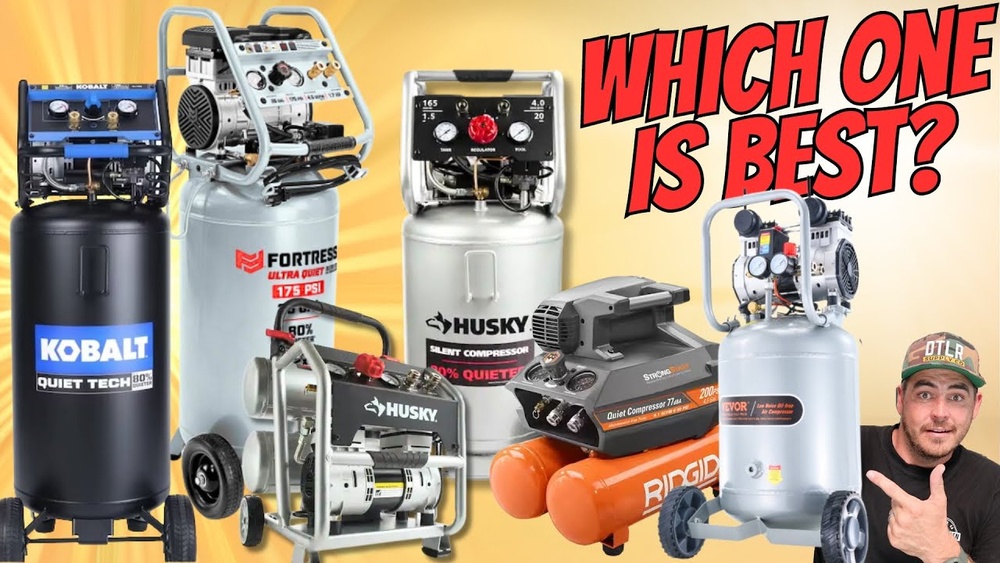
Every serious auto detailer knows that the right tools make all the difference. One tool that stands out in this field is the air compressor. Whether you are cleaning stubborn dirt from car interiors, blowing out cracks, or powering pneumatic tools, an air compressor is almost essential. But buying the right one is not easy. With so many features, brands, and sizes, it is easy to feel lost. This guide is here to help you choose the best air compressor for auto detailing, no matter if you are a hobbyist or a professional.
We will break down the key factors, compare different types, and reveal common mistakes people make when buying their first air compressor for car care. Plus, you will get practical examples, expert tips, and answers to the most common questions.
By the end, you will know exactly what to look for and how to get the most value for your money.
Why Air Compressors Matter In Auto Detailing
Air compressors do much more than just inflate tires. In auto detailing, they are used to:
- Blow out dust and debris from tight spaces
- Dry surfaces quickly after washing
- Power pneumatic tools like polishers, spray guns, and extractors
- Clean vents, seats, and carpets with precision
- Apply dressings and coatings evenly
Without an air compressor, these tasks take longer and often give poorer results. Even more, some modern cleaning tools (like the Tornador or air-powered sprayers) need strong, steady air to work well.
Real Example: Interior Cleaning
Imagine cleaning air vents or seat rails with just a brush and vacuum. Dirt hides in corners, and you spend extra time. With a strong air compressor, you blow everything out in seconds. That’s why professionals never skip this tool.
Key Factors When Choosing An Air Compressor
Not all air compressors are the same. Before you buy, it helps to understand the main features that affect performance and ease of use.
1. Cfm (cubic Feet Per Minute)
CFM shows how much air the compressor delivers. More CFM means more power for tools and faster cleaning. For most auto detailing tasks, a compressor with at least 4-6 CFM at 90 PSI is recommended. Some powerful tools may need more.
2. Tank Size
The tank size decides how much air you have before the compressor needs to refill. Bigger tanks (20-30 gallons) run tools longer without stopping, but they take up more space and are heavier. For mobile detailers, smaller tanks (4-10 gallons) are easier to move but need more frequent refills.
3. Psi (pounds Per Square Inch)
PSI measures air pressure. Most detailing tools need about 90-120 PSI. Check that your compressor can deliver this pressure consistently.
4. Portability
If you detail cars at different locations, weight and size matter. Small, portable models are easier to load into a van or move around a garage. However, they may not have enough power for heavy-duty use.
5. Noise Level
Detailing in homes, offices, or enclosed spaces means noise is a real concern. Compressors with lower decibel ratings (dB) are less disturbing. Oil-lubricated models are usually quieter than oil-free ones.
6. Power Source
Most compressors run on electricity (110V or 220V). Some heavy-duty models use gas for outdoor or mobile work. Choose based on where you will use it most.
7. Maintenance Needs
Oil-free compressors need less maintenance but may not last as long as oil-lubricated models. Think about how much time you want to spend on care and repairs.
8. Price And Warranty
Set a budget, but remember that very cheap models often have short lifespans or can’t handle daily use. Look for a solid warranty and good customer support.
Types Of Air Compressors For Auto Detailing
Understanding the different types helps you choose what matches your workflow and space.
1. Pancake Compressors
These are small, round compressors with flat tanks (like a pancake). They are light, easy to move, and good for light detailing work.
Pros:
- Easy to carry
- Fast start-up
- Good for blowing out interiors
Cons:
- Small tank (3-6 gallons)
- Not for heavy tools
2. Hot Dog Compressors
Named for their horizontal, tube-like tanks. They are still portable but usually have slightly bigger tanks (4-8 gallons).
Pros:
- Still portable
- Slightly more air storage
- Good for small spray guns
Cons:
- Heavier than pancake models
- Limited for big tools
3. Twin Stack Compressors
These have two tanks stacked together for more air without much extra space. Popular with mobile detailers.
Pros:
- Medium tank capacity (4-8 gallons)
- Balanced weight
- Quick recovery
Cons:
- Heavier than single-tank types
- Still not for continuous tool use
4. Wheelbarrow Compressors
These look like a wheelbarrow, with one or two large wheels for easy moving. Tanks are bigger (10-30 gallons), making them fit for shops or high-volume work.
Pros:
- Large tank
- Can run strong tools
- Semi-portable
Cons:
- Heavy (often 80+ pounds)
- Not for small cars
5. Stationary Compressors
Big, heavy-duty units that stay in one place. Tanks can be 30 gallons or more.
Pros:
- High power and air output
- Handles all tools
- Long life
Cons:
- Expensive
- Not mobile
Popular Air Compressor Brands For Auto Detailing
Many brands make compressors, but some are better for auto detailing. Here are a few favorites among pros and hobbyists:
- California Air Tools: Known for quiet operation and reliability.
- DeWalt: Durable, well-built compressors for frequent use.
- Makita: Good balance of power and portability.
- Porter-Cable: Great value for light to medium use.
- Campbell Hausfeld: Offers many sizes, from small to large.
- Ingersoll Rand: Trusted for heavy-duty, stationary compressors.
When choosing a brand, check reviews and warranty details.
Comparing Air Compressors: What Matters Most?
Let’s compare three popular compressor types for auto detailing to see how their specs stack up.
| Type | Tank Size | CFM @ 90 PSI | Weight | Noise Level | Best For |
|---|---|---|---|---|---|
| Pancake | 6 gal | 2.6 | 30 lbs | 75 dB | Mobile, light interior |
| Twin Stack | 8 gal | 4.0 | 60 lbs | 80 dB | General detailing |
| Wheelbarrow | 20 gal | 6.2 | 100 lbs | 85 dB | Shop, heavy tools |
As you can see, tank size and CFM increase with bigger models, but so does weight and noise. Choose based on your main tasks.
Matching Tools And Air Needs
Every tool you use in auto detailing has its own air requirements. If your compressor cannot keep up, tools will work poorly or stop.
Typical Air Needs For Detailing Tools
| Tool | CFM Needed | PSI Needed |
|---|---|---|
| Blow Gun | 2-4 | 90-120 |
| Tornador Gun | 5-6 | 90-100 |
| Mini Polisher | 4-7 | 90-100 |
| Paint Spray Gun | 5-12 | 30-50 |
| Extractor | 6-8 | 100-120 |
Non-obvious insight: Many beginners buy a compressor with too little CFM. Even if the tank is big, tools will not run well if CFM is too low.
Common Mistakes When Buying An Air Compressor
Buying a compressor is a big investment. Avoid these mistakes to save time, money, and stress.
- Ignoring CFM: People often focus on tank size and forget CFM. The tool needs air flow, not just storage.
- Going Too Small: A small, cheap compressor may seem enough, but it slows you down and burns out fast.
- Overbuying: Some buy huge, heavy compressors “just in case.” They waste money and struggle to move them.
- Not Checking Power Supply: Some garage outlets can’t handle big compressors. Always check your wiring and voltage.
- Buying Loud Models: High noise can annoy neighbors or clients. Quiet compressors are worth the extra money for mobile detailers.
- Ignoring Warranty: Cheaper brands may not last, and repairs can be costly without a good warranty.
Hidden tip: Try to match compressor size to your busiest day, not your quietest. This avoids upgrades later.
Key Features And Add-ons For Better Detailing
Some features can make your compressor much easier to use and last longer.
1. Regulator And Moisture Trap
A regulator lets you adjust air pressure for each tool. A moisture trap removes water from the air, which protects your tools and avoids water spots when painting.
2. Quick-connect Couplers
These let you switch tools quickly without turning off the compressor. Save time and avoid leaks.
3. Roll Cage Or Protective Frame
If you move your compressor often, a roll cage protects it from bumps and drops.
4. Wheels And Handles
For bigger compressors, sturdy wheels and a good handle make moving much easier.
5. Low Oil Shutoff
This feature shuts down the compressor if oil runs low, saving the motor from damage.
Practical insight: Always drain your tank after each day. Water collects inside and can rust the tank.
Electric Vs Gas-powered Compressors
The choice between electric and gas matters for where and how you work.
- Electric Compressors: Clean, quiet, and easy to maintain. They need a power source, so less mobile.
- Gas Compressors: More power, great for outdoor or remote jobs. Louder, heavier, and need more care.
Example: If you detail at homes or small shops, electric is best. If you work at race tracks or outdoor events, gas may be worth it.
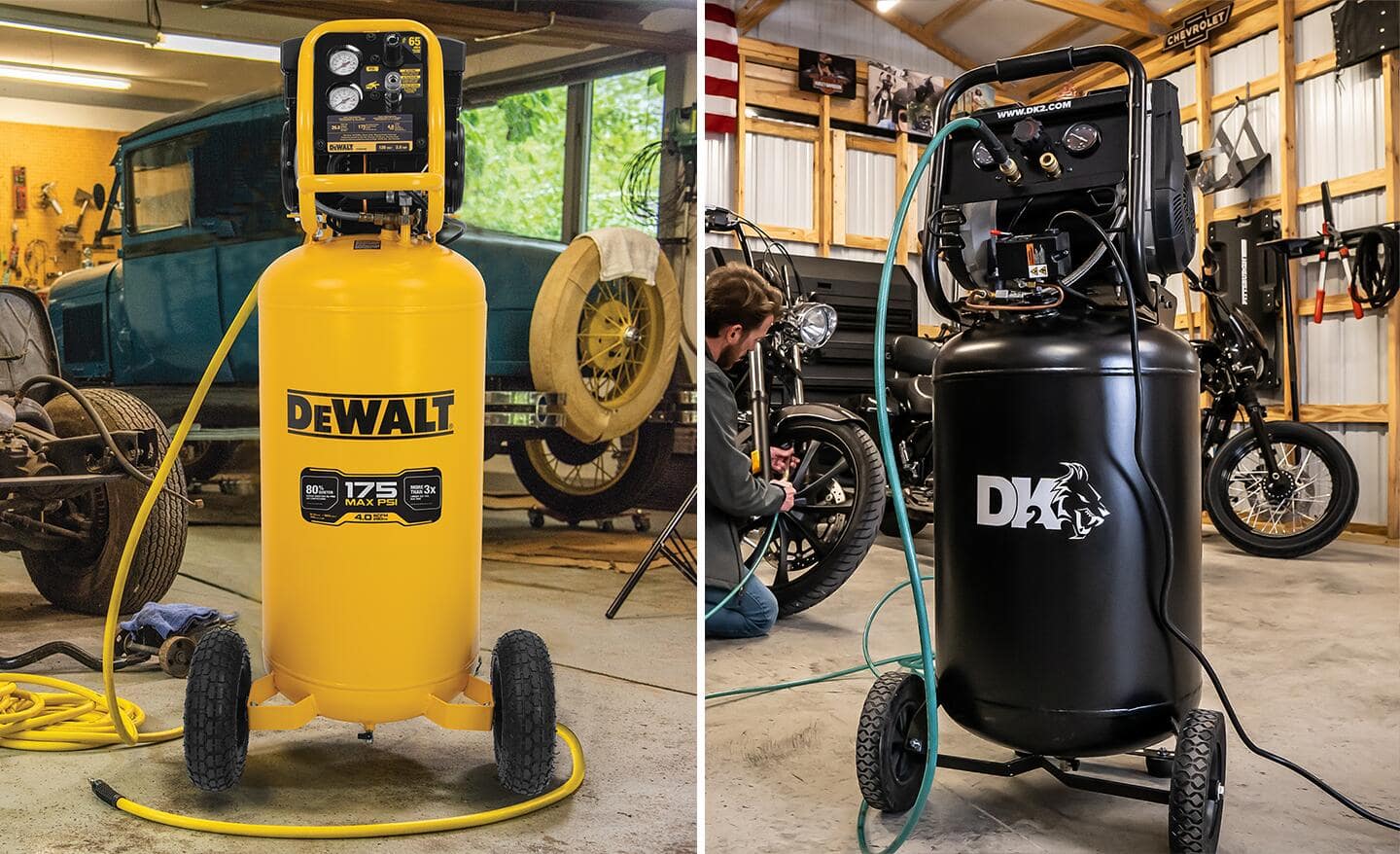
Oil-free Vs Oil-lubricated Compressors
This choice affects maintenance and life span.
- Oil-Free: Lighter, less care needed, but louder and may wear out faster.
- Oil-Lubricated: Quieter, lasts longer, but needs oil checks and changes.
Tip: For mobile detailers or light use, oil-free is fine. For shop use or heavy tools, oil-lubricated lasts longer.
Credit: www.homedepot.com
Understanding Duty Cycle
Duty cycle is the percentage of time a compressor can run without overheating. For example, a 50% duty cycle means the compressor should only run half the time, then rest.
- Low duty cycle (20-50%): Cheaper models, okay for short bursts.
- High duty cycle (70-100%): Pro models, can run almost nonstop.
Beginner miss: Running a low-duty compressor all day can burn out the motor quickly.
How To Size Your Compressor For Your Business
Think about your average workload:
- Home Hobbyist: A 6-gallon pancake or twin stack is enough for interiors and blow guns.
- Mobile Detailer: 8-10 gallons, 4-6 CFM, oil-free for lighter weight.
- Shop or Pro: 20+ gallons, 6-10 CFM, oil-lubricated, high duty cycle.
Pro tip: Always buy at least 20% more CFM than your biggest tool needs. This keeps you productive and reduces wear.
Budgeting For Your Air Compressor
Air compressors for auto detailing range from $120 to over $1,500. Here’s how pricing generally works:
- Under $250: Small, portable compressors. Good for light cleaning, not for heavy tools.
- $250–$600: Mid-size, twin stack, or small wheelbarrow models. Good for mobile detailing.
- $600–$1,500: Large, stationary, or pro-level compressors. For shops and high-volume work.
Remember: Factor in the cost of hoses, regulators, moisture traps, and fittings. These can add $50–$200 more.
Real-world Examples: What The Pros Use
- Mobile detailers often use 6–10 gallon twin stack compressors, as these fit in vans and power most tools.
- High-volume shops prefer 20–60 gallon stationary compressors for nonstop work.
- Home detailers choose small pancake models for easy storage, but add a moisture trap for better results.
Surprising fact: Some pro detailers run two smaller compressors together for extra air without a giant tank. This also gives backup if one fails.

Credit: www.youtube.com
Air Compressor Maintenance For Detailers
A well-cared-for compressor lasts years and works better.
Simple Maintenance Tips
- Drain the tank daily: Prevents rust and water in air lines.
- Check oil (if required): Top up or change as recommended.
- Clean intake filters: Dirty filters reduce airflow.
- Inspect hoses and fittings: Replace worn parts to avoid leaks.
- Store indoors: Keeps compressor dry and safe from weather.
Neglecting these steps is a common beginner mistake and leads to costly breakdowns.
Environmental And Safety Tips
- Noise: Use ear protection for loud compressors.
- Ventilation: Never use gas compressors indoors.
- Water Control: Always use a moisture trap when spraying or running air tools.
- Secure hoses: Avoid tripping hazards in busy shops.
Hidden safety tip: If your compressor smells like burning or gets very hot, stop using it immediately and check for problems.
Buying Used Vs. New Compressors
Some detailers buy used compressors to save money, but there are risks.
- New compressors: Come with warranty, latest safety features, and no hidden wear.
- Used compressors: Cheaper, but may have hidden leaks or worn motors.
If buying used: Check tank for rust, listen for strange noises, and ask for a test run.
Where To Buy Your Air Compressor
- Local hardware stores: Good for seeing models in person and easy returns.
- Online retailers: More variety, sometimes better prices.
- Specialty shops: Offer expert advice and pro models.
Tip: Read reviews and check for after-sales support before you buy.
For more technical details and air compressor basics, check this Wikipedia guide.
Maximizing Your Air Compressor’s Value
Get more from your investment with these strategies:
- Use proper hoses and connectors: Low-quality hoses can reduce airflow by 10–20%.
- Add air tools over time: Start simple, then add polishers, sprayers, or extractors as your business grows.
- Schedule regular maintenance: A small repair now prevents a big breakdown later.
Non-obvious tip: Storing your compressor with the tank drained and unplugged extends its life by years.
Frequently Asked Questions
What Size Air Compressor Is Best For Auto Detailing?
For most auto detailing, a compressor with at least 4-6 CFM at 90 PSI and a 6–10 gallon tank is ideal. This covers blow guns, Tornador tools, and small polishers. For heavy use or multiple tools, go for a 20+ gallon model with 6+ CFM.
Can I Use A Pancake Air Compressor For Auto Detailing?
Yes, but only for light cleaning like blowing out dust or inflating tires. Pancake compressors are portable but have low air flow and small tanks. They are not strong enough for Tornador guns or paint sprayers.
How Do I Reduce Water In My Air Lines?
Install a moisture trap and drain your compressor tank after every use. For best results, add an in-line air dryer if you use air for painting or sensitive tools.
Are Oil-free Compressors Good For Mobile Detailing?
Yes. Oil-free compressors are lighter and need less care, making them great for mobile detailers who move often. Just note they are usually louder and may wear out faster than oil-lubricated types.
How Often Should I Service My Air Compressor?
Check the oil (if needed) every month, drain the tank daily, and clean filters every few months. Replace worn hoses and parts as needed. Good maintenance can double your compressor’s life.
Choosing the best air compressor for auto detailing is not just about price or size. It is about matching the right features to your workflow, tools, and budget. By understanding CFM, PSI, tank size, and key features, you avoid common mistakes and get better results with less stress.
Treat your compressor well, and it will become your most valuable tool in the detailing arsenal.

Credit: www.amazon.sa