
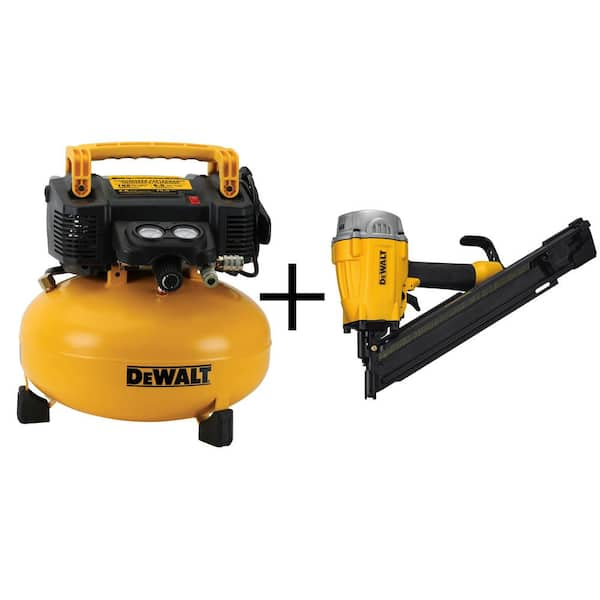
If you’re about to start a major framing job—maybe building a deck, a shed, or even a new room—one tool combination stands out for speed and power: a framing nailer with a reliable air compressor. This duo can save hours of hammering, prevent sore arms, and produce professional-quality results. But not every air compressor is a good match for a framing nailer. Get the wrong one, and you’ll end up with jams, weak drives, or endless waiting as the tank refills.
Choosing the right air compressor for framing nailer work can be confusing. You’ll see dozens of models, technical specs, and marketing buzzwords. Some compressors might be strong enough for a brad nailer but stumble with heavy-duty framing. Others might be powerful but far too heavy or loud for a home workshop.
This in-depth review breaks it all down. You’ll discover what matters most, how different compressors compare, and what mistakes even experienced DIYers sometimes make. You’ll also find real-world examples, performance data, and answers to questions most guides skip. By the end, you’ll know exactly which air compressor fits your framing nailer and your workflow.
What Makes A Good Air Compressor For Framing Nailer Jobs?
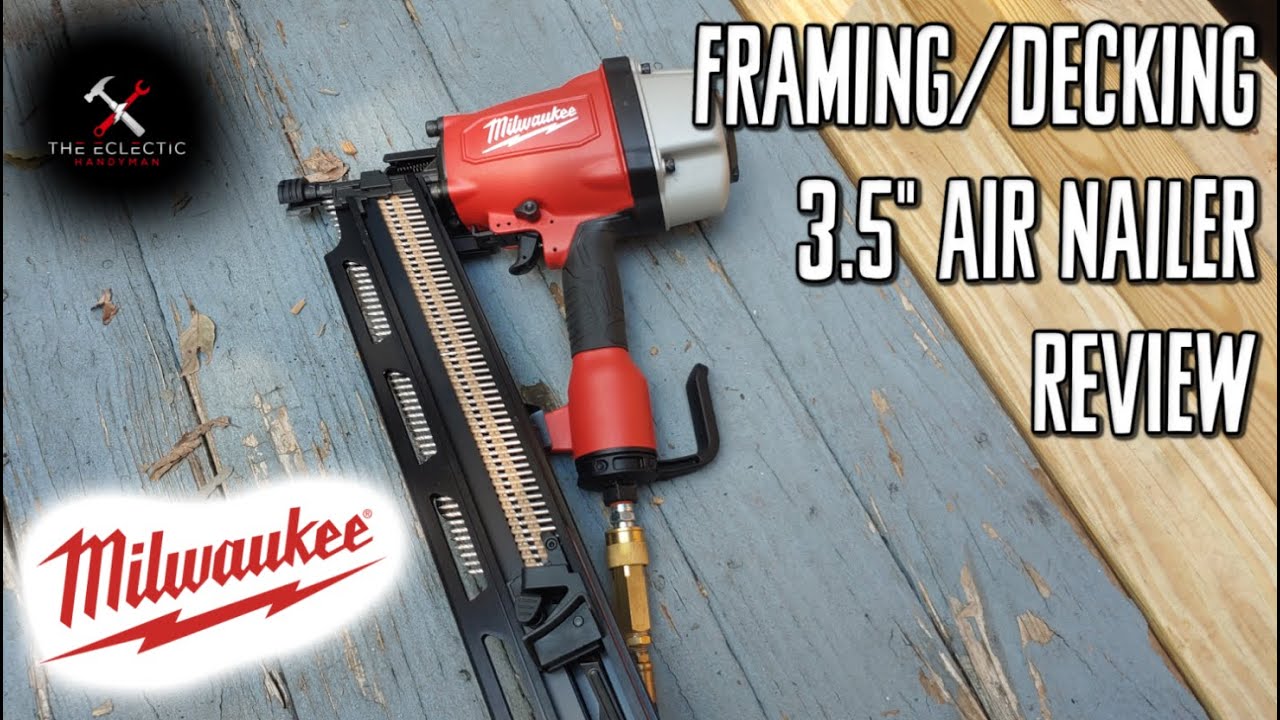
When you’re using a framing nailer, the compressor is not just a power source—it’s the heart of your tool setup. Your framing nailer needs quick, consistent bursts of air at the right pressure. If the compressor can’t keep up, you’ll get “under-driven” nails that stick out or jams that force you to stop and clear the tool.
Here’s what you need to consider:
- Air pressure (PSI): Framing nailers usually need at least 90 PSI (pounds per square inch) to work properly.
- Air delivery (CFM): CFM (cubic feet per minute) tells you how much air the compressor can deliver. For framing nailers, a minimum of 2.2 CFM at 90 PSI is the standard for single-tool use.
- Tank size: A bigger tank (4–6 gallons or more) means less waiting for air to refill, especially for long jobs.
- Portability: If you move around the job site, weight and handle design matter.
- Noise: Some compressors are very loud—above 80 decibels. For indoor or neighborhood work, a quiet model can be a big advantage.
- Duty cycle: This is how long the compressor can run without overheating.
Non-obvious tip: Don’t just look at maximum PSI. Some compressors advertise high PSI but have very low CFM at 90 PSI, making them slow for framing work.
Non-obvious tip: If you want to run two framing nailers at once, double the minimum CFM. Not all “contractor” compressors are truly up to that task.
Key Features To Look For
Getting lost in the specs? Here’s what truly matters when you’re matching an air compressor to a framing nailer:
1. Cfm At 90 Psi
This spec is more important than almost anything else. Framing nailers use a lot of air in short bursts. If the compressor can’t deliver enough air quickly at 90 PSI, you’ll have to wait for the tank to refill after just a few nails.
2. Tank Size
A 6-gallon tank is ideal for most framing jobs. It provides a buffer of air, so you can fire several nails before the compressor needs to run again. For small repair jobs, a 4-gallon unit can work, but you may notice more waiting time.
3. Portability
If you’re working on a roof or moving room-to-room, heavy compressors are a pain. Some “pancake” models (round and flat) are easier to carry and take up less space.
4. Power Source
Most compressors for framing nailers use standard 120V household outlets. But if you’re on a job site without power, a gas-powered compressor may be necessary.
5. Noise Level
Some models are designed to be quieter (below 75 decibels). This makes a huge difference if you’re working indoors, or early in the morning.
6. Oil-free Vs. Oil-lubricated
Oil-free compressors are lower maintenance and lighter. Oil-lubricated models can last longer and run cooler but need more upkeep.

Credit: www.youtube.com
Top Air Compressors For Framing Nailer: Detailed Reviews
Let’s look at top-rated compressors, comparing their performance, reliability, and value for framing nailer projects.
1. Bostitch Btfp02012 6-gallon Pancake Compressor
This model is a favorite among contractors and serious DIYers. Its 6-gallon tank and 2. 6 CFM at 90 PSI make it a strong match for single-tool framing work.
Pros:
- Lightweight (about 29 lbs)
- Quick recovery time
- Oil-free and low maintenance
- Easy to carry
Cons:
- Can be loud (about 78.5 decibels)
- Not ideal for two framing nailers at once
Real-world example: Many users report framing a whole basement wall with no lag, as long as they pause every few minutes.
2. Dewalt Dwfp55126 6-gallon Pancake Compressor
DEWALT’s compressor offers similar specs to the BOSTITCH but is known for its rugged build and quieter operation.
Pros:
- 2.6 SCFM at 90 PSI
- 75.5 decibel noise level
- Protective console cover
- Handy cord wrap
Cons:
- Slightly heavier than some pancake competitors
- No wheels
Non-obvious insight: The replaceable console cover protects controls—important if your compressor takes hard knocks on job sites.
3. California Air Tools 8010 Ultra Quiet & Oil-free 1.0 Hp, 8-gallon Steel Tank
This model is much quieter than most competitors, making it a top pick for indoor jobs.
Pros:
- Only 60 decibels (conversation level)
- Large 8-gallon tank
- 2.2 CFM at 90 PSI
- Oil-free pump
Cons:
- Heavier (48 lbs)
- Slightly lower CFM than some 6-gallon models
Pro tip: If you value quiet, this is a rare compressor that you can use in a garage without ear protection.
4. Makita Mac2400 Big Bore 2.5 Hp
Makita’s “Big Bore” design is built for high-demand tools like framing nailers.
Pros:
- 4.2-gallon twin stacked tank
- Delivers 4.2 CFM at 90 PSI (can run two nailers)
- Low noise (79 decibels)
- Oil-lubricated for long life
Cons:
- Heavy (77 lbs)
- Needs regular oil changes
Non-obvious insight: The twin stacked tank design makes it more compact than you’d expect for its air delivery.
5. Porter-cable C2002-wk Oil-free Umc Pancake Compressor
A budget-friendly choice that still meets framing nailer requirements.
Pros:
- 2.6 SCFM at 90 PSI
- 6-gallon tank
- Only 34 lbs
- Includes 13-piece accessory kit
Cons:
- Noisy (82 decibels)
- Not the most durable for commercial use
Real-world example: Great for homeowners who frame occasionally, but not recommended for daily contractor use.
6. Industrial Air Il1682066.mn 20-gallon Belt Driven Air Compressor
For large projects, a 20-gallon compressor can keep up with heavy framing crews.
Pros:
- 6.2 CFM at 90 PSI (supports multiple nailers)
- Belt-driven for quieter operation
- Durable, heavy-duty build
- 120/240V motor
Cons:
- Very heavy (159 lbs)
- Not portable for one person
Pro tip: This is overkill for small jobs but perfect for high-volume framing or commercial sites.
7. Senco Pc1010 1-horsepower Peak, 1-gallon Compressor
For small framing tasks or punch-list work, this compact compressor is a handy choice.
Pros:
- Ultra-light (20 lbs)
- Quiet (68 decibels)
- Oil-free
- Quick recovery
Cons:
- Only 0.7 CFM at 90 PSI (not for heavy framing)
- Small tank
Non-obvious insight: Fits easily in a car trunk; great for quick repairs or indoor trim, but not enough for fast-paced framing.
8. Campbell Hausfeld Dc080500 8-gallon Quiet Compressor
A good middle ground between power and quiet operation.
Pros:
- 2.4 CFM at 90 PSI
- 68 decibel noise level
- Oil-free, low maintenance
- Large wheels for transport
Cons:
- Slower to refill on long runs
- Not for two framing nailers
Real-world example: Ideal for one framing gun, insulation jobs, or fencing.
9. Rolair Jc10 Plus 2.5-gallon Oil-less Compressor
A favorite among finish carpenters, but also suitable for light framing.
Pros:
- 2.4 CFM at 90 PSI
- Very quiet (60 decibels)
- Compact, easy to carry
Cons:
- Small tank (2.5 gallons)
- Not for high-speed, continuous framing
Pro tip: Perfect for punch lists, but not for framing a whole house.
10. Metabo Hpt Ec99s Twin Stack Compressor
Formerly Hitachi, Metabo HPT offers a contractor-grade compressor.
Pros:
- 3.1 CFM at 90 PSI
- Durable cast-iron pump
- 4-gallon twin stack
- Can run two nailers for short bursts
Cons:
- 52 lbs (not light)
- Oil-lubricated (needs maintenance)
Non-obvious insight: The cast-iron cylinder increases lifespan under heavy use, ideal for professionals.
Side-by-side Comparison: Popular Models
To make it easier to see the differences, here’s a comparison of top models for single framing nailer use:
| Model | Tank Size | CFM @ 90 PSI | Weight | Noise Level | Oil-Free? |
|---|---|---|---|---|---|
| BOSTITCH BTFP02012 | 6 gal | 2.6 | 29 lbs | 78.5 dB | Yes |
| DEWALT DWFP55126 | 6 gal | 2.6 | 30 lbs | 75.5 dB | Yes |
| Makita MAC2400 | 4.2 gal | 4.2 | 77 lbs | 79 dB | No |
| California Air Tools 8010 | 8 gal | 2.2 | 48 lbs | 60 dB | Yes |
| Metabo HPT EC99S | 4 gal | 3.1 | 52 lbs | 79 dB | No |
How To Match A Compressor To Your Framing Nailer
You now know the specs, but how do you match your framing nailer to a compressor in real life? Here’s a step-by-step method:
1. Check The Nailer’s Air Requirements
Look in the framing nailer’s manual. It will list the required operating pressure (usually 70–120 PSI) and air consumption (CFM per shot or per minute).
2. Calculate Your Needs
If your nailer uses 2. 2 CFM at 90 PSI, choose a compressor that matches or exceeds this. For two nailers, double the CFM.
3. Choose A Tank Size
For single framing, a 4–6 gallon tank is usually enough. For team use or long framing sessions, 8–20 gallons is better.
4. Consider Portability
Will you move the compressor a lot? Go for lighter, pancake, or twin-stack models.
5. Think About Noise And Power Source
Quiet compressors are best for indoor work. If you’ll be far from outlets, you’ll need a gas-powered or generator-compatible compressor.
Example:
If you’re building a deck with a Paslode framing nailer (uses 2. 2 CFM at 90 PSI), a DEWALT DWFP55126 will keep up. But if you and a friend each want to use a nailer, you’ll need a Makita MAC2400 or Industrial Air 20-gallon model.
Common Buyer Mistakes (and How To Avoid Them)
Even experienced users sometimes make these errors when choosing an air compressor for framing nailers:
1. Focusing Only On Psi
Some compressors boast 150–200 PSI, but if their CFM at 90 PSI is low, you’ll constantly wait for the tank to refill.
2. Going Too Small On Tank Size
If your tank is too small, you can only fire a few nails before the compressor cycles on. This slows down big framing jobs.
3. Overlooking Noise Level
A loud compressor can make indoor work difficult and annoy neighbors. Quiet models cost more but can be worth every penny.
4. Ignoring Duty Cycle
Some compressors aren’t designed for long, continuous use. They overheat and shut off during big framing jobs.
5. Buying For Price, Not Performance
Cheaper compressors often have plastic parts, slower refill times, or poor durability. For regular framing work, spending a bit more upfront saves time and frustration.
Credit: www.homedepot.com
Best Air Compressor Types For Different Framing Scenarios
Not every job is the same. Here’s a quick guide:
| Job Type | Recommended Compressor | Reason |
|---|---|---|
| Home Addition/Remodel | 6-gallon pancake | Good balance of power, portability |
| Deck or Shed Building | 8-gallon quiet | Less noise for outdoor, enough air for steady work |
| Whole House Framing | 20-gallon or twin stack 4+ CFM | Can run two nailers, less waiting |
| Punch List/Repair | 1-gallon compact | Ultra-portable for small jobs |
Real-world Performance: What Users Say
User experiences often reveal more than specs. Here are a few insights:
- Contractor crews favor the Makita MAC2400 and Industrial Air 20-gallon for all-day reliability.
- DIYers love the BOSTITCH and DEWALT pancake models for remodels and small additions.
- Quiet workspaces: California Air Tools and Campbell Hausfeld get high marks for not disturbing households or neighbors.
- Maintenance matters: Oil-lubricated models last longer but need more care. Some users forget to change oil, leading to early breakdowns.
Pro tip: Always use a high-quality air hose (at least 3/8” diameter) for framing. A narrow or long hose can reduce effective air delivery, causing “misfires.”
Credit: www.youtube.com
Maintenance Tips For Compressor Longevity
A good compressor is an investment. Here’s how to keep yours in top shape:
- Drain the tank after each use. Water from compressed air collects inside and can cause rust.
- Check air filters monthly. Clean or replace to keep air flow strong.
- Oil-lubricated models: Check oil level before each use. Change oil every 200–300 hours.
- Inspect hoses and fittings for leaks.
- Store indoors during winter. Freezing can damage pumps and tanks.
Ignoring maintenance is a top reason compressors fail early. Rust, dirty air filters, and low oil can all ruin a good compressor.
Frequently Asked Questions
How Big Of A Compressor Do I Need For A Framing Nailer?
For most single framing nailers, a compressor with at least 2.2 CFM at 90 PSI and a 4–6 gallon tank is recommended. For two nailers, look for at least 4.0+ CFM and a larger tank (8 gallons or more).
Can I Use A Pancake Compressor For Framing?
Yes, as long as it delivers enough CFM at 90 PSI. Models like the BOSTITCH BTFP02012 and DEWALT DWFP55126 can handle most single framing nailers. For heavier or faster work, a larger compressor is better.
Is An Oil-free Or Oil-lubricated Compressor Better For Framing Nailers?
Oil-free compressors are easier to maintain and lighter. Oil-lubricated compressors tend to be more durable for heavy, daily framing work. Choose based on how often you’ll use it and your comfort with maintenance.
How Important Is Noise Level In An Air Compressor?
Noise matters more than many realize, especially for indoor projects. Standard models run at 78–82 decibels, which is loud. “Quiet” models run below 70 decibels, allowing you to work early, late, or in noise-sensitive areas.
Where Can I Learn More About Air Compressor Specs And Safety?
You can find more details about air compressor ratings, use, and safety at the OSHA Compressed Air Safety Guide.
The Bottom Line
Choosing the right air compressor for framing nailer work is more than just picking the biggest or cheapest model. It’s about matching CFM and tank size to your tool, making sure you have enough power without unnecessary weight or noise, and picking a unit you can move and maintain. The best compressor for you depends on your job size, how often you’ll use it, and how much noise you can tolerate.
By focusing on CFM at 90 PSI, real tank capacity, and portability, you’ll get years of reliable framing performance—and avoid the common mistakes that can ruin a project or tool. Whether you’re building a house, a deck, or just repairing a wall, the right compressor makes every nail drive count.