
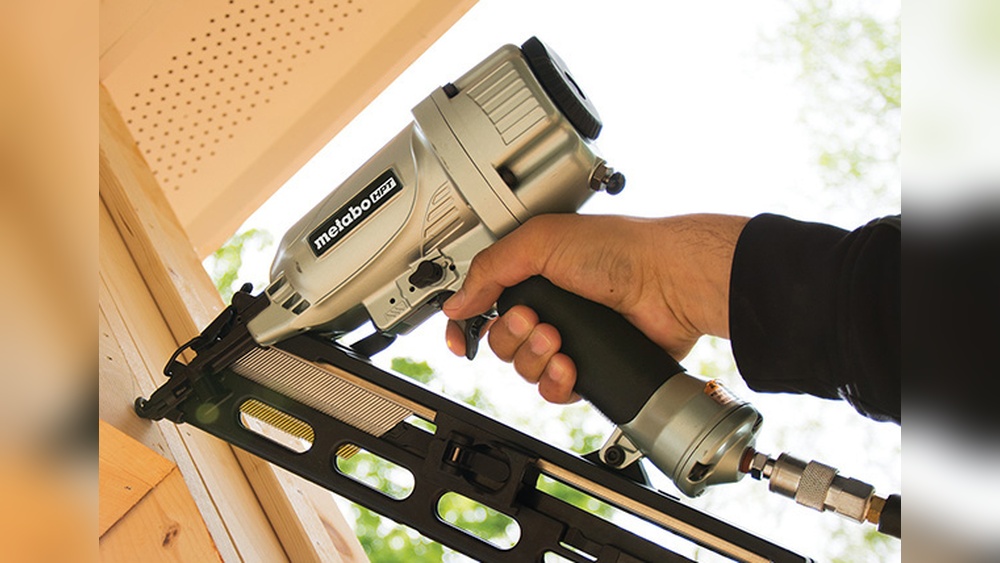
Choosing the right air compressor for your framing nailer can be confusing, especially if you are not familiar with the technical details. Many people buy the wrong compressor, only to find out later that it does not power their nailer well, or it is too heavy to move around a job site.
A poor match can slow down your work, damage your tools, or waste your money. With so many options on the market, how do you know what really matters? This guide will walk you through everything you need to know, from basic concepts to smart buying tips.
By the end, you will feel confident in picking the best air compressor for your framing projects, whether you are a professional or a passionate DIYer.
Understanding Framing Nailers And Air Compressors
Before you buy, it is important to know how framing nailers and air compressors work together. A framing nailer is a power tool that drives nails into wood quickly and with consistent depth. It is commonly used for building house frames, decks, or fences. Most framing nailers use compressed air to fire each nail, which is where the air compressor comes in.
An air compressor takes in outside air, compresses it, and stores it in a tank. When you pull the trigger on your nailer, the compressor releases the right amount of air to drive the nail. The size and power of the compressor decide how smoothly your nailer works.
If the compressor is too small or weak, you will get delays, uneven nailing, or even tool jams.
Key Factors When Choosing An Air Compressor
There is no one-size-fits-all air compressor. The best choice depends on the nailer type, your usage, work location, and your budget. Here are the key factors you should always check:
1. Required Air Pressure (psi)
Framing nailers need a certain amount of air pressure, measured in pounds per square inch (PSI). Most framing nailers work well with 70–120 PSI. However, you should always check your nailer’s manual for the exact requirement. The compressor must provide at least as much PSI as the nailer needs, or it will not fire properly.
2. Air Volume (cfm)
Cubic feet per minute (CFM) measures how much air the compressor can deliver. Framing nailers typically need 2–4 CFM at 90 PSI. If you use two nailers at the same time, you need to double the CFM. A compressor with too low CFM will cause the pressure to drop, making the nailer slow or inconsistent.
3. Tank Size
The tank size affects how long you can work without the compressor motor running. Common sizes for framing are 4 to 6 gallons, though some portable models are as small as 2 gallons. A bigger tank means longer bursts of work before recharging, but it also makes the compressor heavier.
4. Portability
If you move around a lot, look for a portable air compressor. Smaller tanks, built-in handles, and wheels make transport easier. But remember, lighter compressors may not have the power for big jobs.
5. Power Source
Compressors run on either electricity or gasoline. Electric models are quieter, cleaner, and great for indoor use. Gas-powered compressors are stronger and don’t need an outlet, making them popular on large outdoor job sites.
6. Noise Level
All compressors make noise, but some are much louder than others. If you work in a residential area or indoors, a quieter model (below 80 decibels) makes a big difference in comfort.
7. Duty Cycle
The duty cycle shows how long the compressor can run in one hour without overheating. A 50% duty cycle means the compressor can run for 30 minutes in one hour. If you need to run your nailer for long periods, look for a high-duty-cycle compressor.
8. Build Quality And Maintenance
A well-made compressor lasts longer and needs less care. Look for metal components, a strong motor, and simple oil-free designs if you want less maintenance.
9. Price And Warranty
Prices range from under $100 for small models to over $500 for heavy-duty units. A good warranty (at least 1 year) can save you money and trouble if something breaks.

Credit: www.lowes.com
What Size Air Compressor Do You Need For A Framing Nailer?
Many beginners think bigger is always better, but that is not always true. The best size depends on your typical workload and whether you use more than one nailer. Here’s a useful guideline:
- For single framing nailer use (DIY projects, small crews): 2–4 CFM at 90 PSI, 4–6 gallon tank.
- For multiple nailers or heavy use (large crews, commercial work): 5+ CFM at 90 PSI, 6+ gallon tank.
Example
If your nailer needs 2. 2 CFM at 90 PSI, but you want to run two nailers at once, choose a compressor with at least 4. 5 CFM at 90 PSI.
Types Of Air Compressors For Framing Nailers
Not all compressors are made the same. Some designs are better suited for framing nailers:
Pancake Compressors
These have a flat, round tank and are usually 4–6 gallons. They are popular for their portability and stability. Pancake compressors are a top choice for single-nailer framing jobs.
Hot Dog Compressors
Long, horizontal tanks that look like a hot dog. They usually hold 2–8 gallons. Hot dog compressors are easy to move and often used for both framing and finish nailers.
Twin-stack Compressors
With two small horizontal tanks, twin-stacks offer more air but stay portable. These are great for running two nailers at once.
Wheelbarrow Compressors
Larger, heavy-duty units with big tanks (8–20+ gallons) and wheels. They are designed for big framing jobs, commercial sites, or situations where you need lots of air for a long time.
Credit: www.homedepot.com
Comparing Popular Air Compressor Types
The following table compares the most common compressor types for framing nailers:
| Type | Tank Size (Gal) | Portability | Best For |
|---|---|---|---|
| Pancake | 4–6 | Easy to carry | DIY, light framing |
| Hot Dog | 2–8 | Portable | General use, small crews |
| Twin-Stack | 4–8 | Portable | Two nailers, mid-size jobs |
| Wheelbarrow | 8–20+ | Heavy, wheeled | Large crews, commercial |
Essential Features To Look For
A few features can make your work safer, faster, and more comfortable.
Oil-free Pump
Oil-free compressors need less maintenance and are lighter. They are perfect for people who want to “plug and play” with minimal care. However, traditional oil-lubricated models may last longer if maintained well.
Quick-connect Couplers
Quick-connect couplers let you attach and remove hoses or nailers in seconds. This saves time, especially if you switch tools often.
Roll Cage
A roll cage protects the compressor from damage on busy job sites. It is a must if you work in rough environments.
Adjustable Regulator
The regulator controls the air pressure going to your nailer. An easy-to-read gauge and simple adjustment knob help you fine-tune performance and avoid over-driving nails.
Multiple Outlets
Some compressors have two or more outlets, so you can power more than one nailer at a time.
Mistakes To Avoid When Buying
Many buyers make common errors when picking an air compressor for their framing nailer. Avoid these pitfalls to save money and hassle:
- Choosing based on price alone: Cheap compressors often lack the power or durability needed for framing work.
- Ignoring CFM ratings: If you pick a compressor with low CFM, your nailer will struggle, especially with continuous use.
- Not planning for future needs: If you may need to run two nailers or use other air tools, buy a slightly bigger compressor.
- Forgetting about noise: Loud compressors can be a nightmare indoors or in neighborhoods.
- Overlooking weight and portability: A huge compressor is hard to move, especially if you work alone.
- Missing key features: Skipping things like quick couplers or roll cages can cost you time and safety on the job.
How To Match Your Framing Nailer To An Air Compressor
To get the best results, always match your framing nailer’s requirements to the compressor’s ratings. Here’s a simple process:
- Find your nailer’s CFM and PSI requirements (check the manual or tool label).
- Multiply CFM by the number of nailers you plan to use at once.
- Choose a compressor that can deliver at least that CFM at the required PSI.
- Pick a tank size that matches your workflow (smaller for short jobs, larger for long sessions).
Example
If your nailer needs 2. 5 CFM at 90 PSI, and you want to use two nailers, you need a compressor with at least 5. 0 CFM at 90 PSI.
Top Air Compressor Brands For Framing Nailers
A few brands are well known for making reliable compressors for framing work:
- DEWALT: Known for tough, long-lasting tools. Their pancake compressors are a favorite on job sites.
- PORTER-CABLE: Offers affordable, popular pancake compressors for home and pro use.
- Makita: High-quality, quiet compressors with strong motors.
- California Air Tools: Famous for quiet models and oil-free pumps.
- Rolair: Heavy-duty, professional-grade compressors for big jobs.
- Bostitch: Trusted by many contractors for framing and roofing.
Real-world Example: Comparing Two Popular Models
Let’s compare two leading compressors for framing nailers, the DEWALT DWFP55126 and the Makita MAC2400:
| Feature | DEWALT DWFP55126 | Makita MAC2400 |
|---|---|---|
| Tank Size | 6 gal (pancake) | 4.2 gal (twin-stack) |
| Max PSI | 165 | 130 |
| CFM @ 90 PSI | 2.6 | 4.2 |
| Noise Level (dB) | 75.5 | 79 |
| Weight | 30 lbs | 77 lbs |
| Pump Type | Oil-free | Oil-lubricated |
Insight: The DEWALT is much lighter and easier to move, making it great for small crews or home use. The Makita offers higher CFM, so it is better for running two nailers at once or longer framing sessions.
Practical Buying Tips
It is easy to get lost in technical details. Here are clear, practical tips to guide your decision:
- Buy slightly more CFM than you need. Compressors lose efficiency over time.
- Test the noise if you can. Some “quiet” compressors are still surprisingly loud.
- Check outlet availability. Electric compressors need enough power from your work location.
- Inspect the warranty and support. A strong warranty often means better quality.
- Read real reviews from other framing pros or DIYers before buying.
Maintenance Tips For Long Compressor Life
A good compressor should last for years, but only if you care for it. Here are some easy maintenance steps:
- Drain the tank after each use to prevent rust.
- Clean or change air filters regularly.
- Check hoses and fittings for leaks or cracks.
- Follow the manufacturer’s service schedule for oil changes (if not oil-free).
- Store the compressor in a dry place to avoid moisture problems.
Credit: www.senco.com
Common Questions Beginners Miss
Many new buyers do not realize:
- Using a too-small compressor can damage your nailer. The motor overworks, and your nails may not drive fully.
- High PSI does not always mean better. Focus on CFM and tank size for framing nailers.
- Short hoses reduce pressure loss. Always use the shortest possible hose for best results.
Advanced Tips: Getting More From Your Compressor
If you want to get the best performance and longest life from your investment, keep these advanced tips in mind:
- Use a regulator and filter combo to keep moisture and dirt out of your nailer.
- Let the compressor cool down after long sessions to prevent motor wear.
- Upgrade to a 3/8-inch hose if you need to run more air tools at once; it reduces pressure drop.
- Label your tools and hoses if you work in a team to avoid mix-ups and wasted time.
Cost Breakdown: What Should You Expect To Pay?
Prices for air compressors vary based on power, size, and brand. Here is a rough breakdown:
- Basic DIY models (2–4 gal, 2–2.5 CFM): $100–$200
- Mid-range portable units (4–6 gal, 2.5–4.5 CFM): $200–$350
- Pro/commercial models (8+ gal, 5+ CFM): $350–$600+
Remember, spending a bit more upfront can save you money and trouble over time.
Table: Air Compressor Specs For Common Framing Nailers
To help you match your nailer and compressor, here’s a handy reference:
| Brand/Model | Required CFM @ 90 PSI | Recommended Compressor |
|---|---|---|
| Hitachi NR90AES1 | 2.2 | 4 gal, 3.0+ CFM |
| Bostitch F21PL | 2.0 | 6 gal, 2.6+ CFM |
| DEWALT DWF83PL | 2.5 | 6 gal, 3.5+ CFM |
| Paslode F350S | 2.5 | 4 gal, 3.0+ CFM |
When To Upgrade Your Compressor
If you notice these problems, it may be time for a new compressor:
- Your nailer fires slowly or inconsistently.
- The compressor runs nonstop and gets hot.
- You need to run more tools at once.
- You have started larger framing projects.
- Repairs cost more than the compressor’s value.
Why Cfm Matters More Than Psi
Many buyers focus on PSI because it is easy to see on the label. But for framing nailers, CFM is the real key. CFM is about how much air is actually available to drive nails quickly and consistently. If you only check PSI, you might buy a compressor that cannot keep up during long nailing sessions.
Safety Tips When Using Air Compressors With Framing Nailers
- Always wear hearing protection and safety glasses.
- Check all connections before starting work.
- Never exceed the recommended PSI for your nailer.
- Keep the compressor on a level surface to avoid tipping.
- Unplug or turn off the compressor before making any repairs.
When A Portable Compressor Is Better
Portable compressors are best when you:
- Work alone or with a small crew.
- Move from room to room or house to house.
- Need to store the compressor in a small space.
- Do not want to deal with gas engines or heavy lifting.
When To Choose A Larger, Stationary Compressor
Go for a bigger, stationary model if:
- You have a workshop or garage with big framing projects.
- Multiple people need air tools at the same time.
- You want less waiting for the tank to recharge.
Environmental Factors To Consider
- Temperature: Cold weather can slow down compressors or cause starting problems. Some oil-free models handle cold better.
- Humidity: Moisture in the air can collect inside the tank. Drain the tank often to prevent rust.
- Altitude: At high elevations, compressors may lose some power. Buy a model with extra CFM if you work in the mountains.
Where To Buy
You can buy air compressors at home improvement stores, tool retailers, or online marketplaces. Try to see and hear the compressor in person, if possible. For more technical information, visit the Wikipedia page on air compressors.
Frequently Asked Questions
What Is The Minimum Cfm Needed For A Framing Nailer?
Most framing nailers need at least 2.0–2.5 CFM at 90 PSI. If you plan to use two nailers, double the CFM. Always check your nailer’s manual for the exact number.
Can I Use A Small Pancake Compressor For Framing?
Yes, a pancake compressor (4–6 gallons) with the right CFM and PSI works well for single framing nailers and small jobs. For heavy or team use, you may need a larger unit.
How Do I Reduce Air Compressor Noise?
Choose a quiet model (below 80 dB), use rubber feet or mats to dampen vibration, and place the compressor in a different room if possible. Oil-lubricated models are often quieter than oil-free ones.
Is Oil-free Or Oil-lubricated Better For Framing Nailers?
Oil-free compressors are easier to maintain and lighter, making them good for DIYers and light framing. Oil-lubricated compressors last longer and are better for heavy-duty, daily use.
Can I Use One Compressor For Multiple Air Tools?
Yes, but the CFM rating must be high enough to power all tools at the same time. Add the CFM requirements of each tool and buy a compressor that meets or exceeds the total.
—
The right air compressor can make framing faster, safer, and more enjoyable. Take time to match your compressor to your nailer and your work style. Consider not only the specs, but also noise, portability, and future needs. Avoid common mistakes, maintain your equipment well, and you will get years of reliable service from your investment.
With this guide, you are ready to choose the best air compressor for your framing nailer—one that fits your budget, your job, and your plans for growth.