
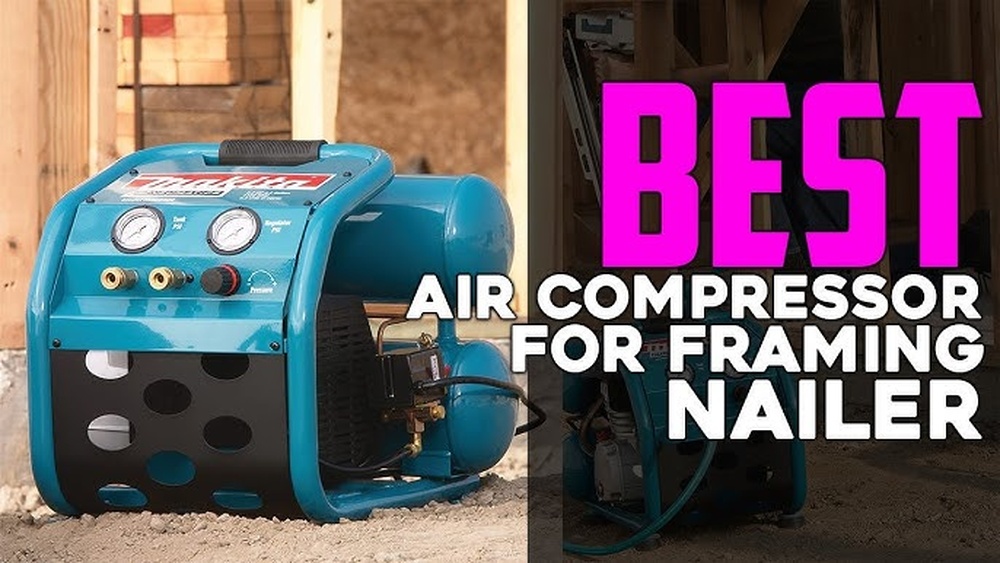
When you start building walls, installing roofs, or doing any serious carpentry, a framing nailer becomes your best friend. But even the most powerful nailer is useless without the right air compressor. The compressor is the heart of your pneumatic tool setup, delivering the air pressure and volume needed to fire nails fast and consistently. But with so many compressors out there, how do you pick the best one for framing nailers? This guide walks you through the top models, key features to look for, and practical buying advice. Whether you’re a contractor, a DIY enthusiast, or just want to avoid common mistakes, you’ll find everything you need here.
What Makes A Good Air Compressor For Framing Nailers?
Not every air compressor is suitable for framing nailers. It’s not just about raw power—there are several important factors.
Key Requirements
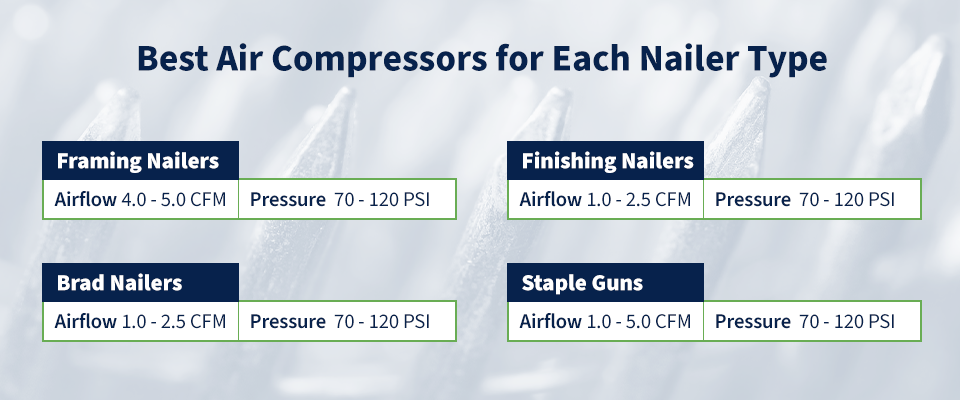
- Air Delivery (CFM): Framing nailers need a continuous air flow. Most require at least 2.0 CFM at 90 PSI, but more is always better, especially for dual-tool setups.
- Pressure (PSI): Look for models offering at least 90 PSI. Many nailers operate best between 100-120 PSI for consistent nail driving.
- Tank Size: A bigger tank (4-6 gallons) allows longer work before the compressor cycles. Small tanks can cause annoying delays.
- Portability: Framing work usually happens in different locations. Lightweight, wheeled, or compact compressors save your back.
- Noise Level: Lower decibel ratings (dB) make work more comfortable, especially indoors or on long jobs.
- Duty Cycle: Some compressors can run longer without overheating. This matters for bigger jobs.
Non-obvious Insights
- Recovery Time: Many beginners ignore how quickly the compressor refills the tank. Slow recovery means you wait longer between nailing bursts.
- Multiple Tool Support: If you plan to run two nailers, you need at least double the CFM, not just a bigger tank.
Top 10 Air Compressors For Framing Nailers
Let’s look at the best models available, why they stand out, and what makes them a fit for framing nailers.
1. California Air Tools 8010a
This model is famous for its ultra-quiet operation—only 60 dB. The 8-gallon aluminum tank resists rust, and the oil-free pump reduces maintenance. It delivers 3. 0 CFM at 90 PSI, which is enough for most framing nailers. The wheel kit and handle make it easy to move, even though the tank is larger.
People love how it can run all day on big framing jobs without breaking a sweat.
2. Porter-cable C2002
A favorite among contractors, this pancake compressor offers 2. 6 SCFM at 90 PSI and a max of 150 PSI. The 6-gallon tank is enough for continuous nailing and fast recovery. Weighing only 34 lbs, it’s portable and fits easily in a truck bed.
The water drain valve and rubber feet are practical touches, and the price makes it a top value.
3. Makita Mac2400 Big Bore
Built for serious power, the MAC2400 uses a cast iron pump for durability. With 4. 2-gallon twin tanks and 4. 2 CFM at 90 PSI, it can power two framing nailers. The roll cage design protects the compressor on rough sites.
It’s a bit heavier at 77 lbs, but the extra power and reliability are worth it for professionals.
4. Dewalt Dwfp55126
This 6-gallon pancake compressor is well-known for its 165 max PSI and 2. 6 SCFM at 90 PSI. It’s lightweight, portable, and starts easily even in cold weather. Two universal couplers let you run two tools at once. The console cover keeps controls safe from bumps, and the cord wrap is a nice touch for storage.
5. Rolair Vt25big
If you need serious air delivery, the Rolair VT25BIG stands out. It provides 6. 5 CFM at 90 PSI from a 5. 3-gallon tank. That means almost no waiting between bursts, even with two framing nailers. The roll cage and big wheels make it job-site ready.
It’s noisier and heavier, but you get unmatched performance.
6. Bostitch Btfp02012
Compact but powerful, this pancake compressor has a 6-gallon tank and delivers 2. 6 SCFM at 90 PSI. It reaches up to 150 PSI, making it a good match for all framing nailers. The oil-free design means low maintenance, and it’s easy to carry at 29 lbs.
The high-efficiency motor works well in cold climates.
7. Metabo Hpt Ec710s
Metabo HPT (formerly Hitachi) brings a 6-gallon, 150 PSI compressor with 2. 8 CFM at 90 PSI. The steel roll cage protects it from drops, and the motor is built for long life. At only 36. 5 lbs, it’s portable and easy to use.
The quiet operation (73 dB) is a plus, especially indoors.
8. Campbell Hausfeld Dc080500
Known for quiet operation (68 dB), this 8-gallon compressor offers 2. 4 CFM at 90 PSI. It’s oil-free, so there’s less maintenance, and it’s easy to move with large wheels and a handle. This model is ideal for users who want less noise but enough power for framing.
9. Senco Pc1010n
For smaller jobs or trim work, the Senco PC1010N shines with its lightweight (21 lbs) and ultra-quiet design (68 dB). The 1-gallon tank and 0. 7 CFM at 90 PSI are not enough for heavy framing, but it’s perfect for punch lists or small repairs.
It’s the compressor you grab when speed and quiet matter more than raw power.
10. Industrial Air Il1682066.mn
Built for the biggest jobs, this compressor has a huge 20-gallon tank and delivers 5. 3 CFM at 90 PSI. It’s heavy-duty, perfect for workshops or contractors who run multiple framing nailers. It’s not very portable at 159 lbs, but the big wheels help.
If you want a compressor that never slows down, this is the one.
Credit: www.paslode.com
Comparison Of Key Specifications
To help you choose, here’s a comparison of the main specs for these top compressors:
| Model | Tank Size | CFM @ 90 PSI | Max PSI | Weight | Noise (dB) |
|---|---|---|---|---|---|
| California Air Tools 8010A | 8 gal | 3.0 | 120 | 48 lbs | 60 |
| PORTER-CABLE C2002 | 6 gal | 2.6 | 150 | 34 lbs | 82 |
| Makita MAC2400 | 4.2 gal | 4.2 | 130 | 77 lbs | 79 |
| DEWALT DWFP55126 | 6 gal | 2.6 | 165 | 32 lbs | 75.5 |
| Rolair VT25BIG | 5.3 gal | 6.5 | 135 | 108 lbs | 86 |
| Bostitch BTFP02012 | 6 gal | 2.6 | 150 | 29 lbs | 78.5 |
| Metabo HPT EC710S | 6 gal | 2.8 | 150 | 36.5 lbs | 73 |
| Campbell Hausfeld DC080500 | 8 gal | 2.4 | 125 | 67 lbs | 68 |
| Senco PC1010N | 1 gal | 0.7 | 135 | 21 lbs | 68 |
| Industrial Air IL1682066.MN | 20 gal | 5.3 | 135 | 159 lbs | 80 |
How To Choose The Right Air Compressor For Your Framing Nailer
Getting the best air compressor for framing nailers is about matching the tool and the work. Here’s a breakdown of the most important things to consider.
Understand Your Nailer’s Needs
Check the CFM and PSI requirements of your framing nailer. Most framing nailers need about 2 CFM at 90 PSI, but if you use two tools at once, double that number.
Job Size And Frequency
- Occasional DIY jobs: A 6-gallon pancake compressor is usually enough.
- Professional framing: Go for 8 gallons or more, and higher CFM for continuous work.
- Multiple users/tools: You need a larger tank (at least 10 gallons) and higher CFM.
Portability Vs. Power
If you move from site to site, choose a lighter unit with wheels. For stationary work (like a workshop), a bigger tank and more weight are not a problem.
Noise Level
Some compressors are as loud as a motorcycle (over 80 dB). For indoor or long jobs, a quieter model (under 70 dB) makes a huge difference in comfort.
Maintenance And Durability
Oil-free models need less care, but oil-lubed pumps last longer for heavy use. Look for cast iron parts and roll cages if you work on busy sites.
Budget
Spending a little more can save you headaches. Cheaper compressors often have slow recovery and wear out faster. Consider the cost of downtime, not just the price tag.

Credit: www.youtube.com
Common Mistakes When Buying An Air Compressor For Framing Nailers
Even experienced builders sometimes get this wrong. Here are errors you can avoid:
- Ignoring CFM Ratings: The biggest mistake is buying a compressor that can’t keep up with your nailer’s air needs. This leads to weak, incomplete nail drives.
- Overvaluing Tank Size: A bigger tank helps, but CFM is more important for continuous work.
- Not Considering Noise: Noise fatigue is real. Don’t ignore dB ratings if you work indoors.
- Forgetting Portability: A heavy, awkward compressor slows you down if you change locations often.
- No Plan for Multiple Tools: If you ever want to run two nailers, buy a compressor that supports it from the start.
Real-world Scenarios: Which Compressor Fits Your Needs?
Let’s look at some examples to make things clear.
Scenario 1: Weekend Diy Framer
You’re building a deck or fixing a fence. You work alone and don’t need to shoot nails non-stop. The PORTER-CABLE C2002 or Bostitch BTFP02012 is perfect—light, easy to carry, and strong enough for single-tool use.
Scenario 2: Professional Contractor
You build walls and roofs daily, sometimes with a helper. You need high CFM and a tough build. The Makita MAC2400 or Rolair VT25BIG offers the power and durability for all-day work, even with two nailers.
Scenario 3: Quiet Indoor Work
You do framing in finished spaces or noise-sensitive areas. The California Air Tools 8010A or Campbell Hausfeld DC080500 is ideal—quiet enough to talk over and still powerful.
Scenario 4: Workshop Setup
You want a compressor that never slows down, running multiple tools all day. The Industrial Air IL1682066.MN is the answer, with a huge tank and high CFM.
Credit: www.quincycompressor.com
Table: Quick Reference – Which Compressor For Which Job?
| Type of User | Best Model(s) | Reason |
|---|---|---|
| DIY/Homeowner | PORTER-CABLE C2002, Bostitch BTFP02012 | Portable, affordable, enough power for single-tool use |
| Pro Contractor | Makita MAC2400, Rolair VT25BIG | High CFM, durable, supports multiple nailers |
| Quiet/Indoor Work | California Air Tools 8010A, Campbell Hausfeld DC080500 | Low noise, good performance for framing |
| Workshop | Industrial Air IL1682066.MN | Large tank, high CFM, best for multiple users |
Maintenance Tips For Long Compressor Life
Even the best air compressor for framing nailers needs some care. Here’s how to keep your investment working for years:
- Drain the Tank Daily: Moisture builds up inside. Open the drain valve after each use to prevent rust.
- Check Filters: Dirty air filters reduce performance. Clean or replace them regularly.
- Inspect Hoses and Fittings: Look for leaks or cracks. Even small leaks lower power.
- Follow Oil Changes (if needed): For oil-lubed models, change oil as recommended. This prevents pump damage.
- Store Properly: Keep your compressor dry and covered when not in use.
Accessories That Make A Difference
A few smart add-ons make using your compressor with a framing nailer easier and safer:
- High-quality hoses: Flexible, kink-resistant hoses reduce frustration and air loss.
- Quick-connect couplers: Make tool changes fast and secure.
- Regulators and gauges: Ensure stable pressure, which means fewer jams or misfires.
- Extension cords (correct gauge): Use heavy-duty cords to avoid voltage drop and motor damage.
Expert Tips For Maximum Performance
- Let the compressor fully charge: Before starting, wait until the tank reaches full pressure. Don’t rush.
- Work in short bursts: For small tanks, pause between bursts to let pressure recover.
- Keep tools oiled: Even if your compressor is oil-free, framing nailers need a drop of tool oil to work smoothly.
- Use the right nails: Wrong size or type can cause jams, no matter how good your compressor is.
Why You Should Avoid Underpowered Compressors
Many first-time buyers choose a compressor that’s too small, thinking it saves money. But underpowered compressors cause:
- Inconsistent nail driving (some nails don’t sink fully)
- Longer work times (waiting for pressure to recover)
- Extra wear on both compressor and nailer
- Frustration and costly mistakes
It’s better to buy a compressor with a little more power than you think you need. You’ll grow into it, not out of it.
When To Upgrade Your Air Compressor
If you notice these signs, it’s time to get a new or bigger model:
- Compressor runs constantly but can’t keep up
- Nailer misfires or nails stick out
- You add more tools or helpers
- The tank or pump shows signs of rust or leaks
A well-chosen compressor lasts for years, but don’t hesitate to upgrade if your work demands it.
Frequently Asked Questions
What Size Air Compressor Do I Need For A Framing Nailer?
For most framing nailers, you need at least 2.0 CFM at 90 PSI. A tank size of 4-6 gallons works for single-tool use. For two nailers or heavy use, look for 8 gallons or more and higher CFM.
Can I Use A Pancake Compressor With A Framing Nailer?
Yes, if the compressor delivers enough CFM and PSI. Models like the PORTER-CABLE C2002 and Bostitch BTFP02012 are popular pancake compressors that can handle most framing nailers for DIY or light professional work.
Why Does My Framing Nailer Misfire With My Compressor?
Misfires usually happen when the compressor can’t keep up with the tool’s air needs. Check your compressor’s CFM rating and make sure it meets or exceeds your nailer’s requirement. Also, check for leaks or low pressure.
Is An Oil-free Compressor Better For Framing Nailers?
Oil-free compressors are easier to maintain and lighter, which is good for portability. But oil-lubed models tend to last longer and handle heavy use better. Either type works, as long as it meets your air needs.
How Important Is Noise Level When Choosing An Air Compressor?
Noise level matters a lot, especially for indoor work or long jobs. Quiet compressors (under 70 dB) make work more comfortable and reduce hearing damage risk. Always check the dB rating before buying.
Choosing the best air compressor for framing nailers is not just about buying the most expensive model. It’s about matching power, portability, and reliability to your actual needs. Take the time to compare specs, read real-user reviews, and think about your future work. The right compressor turns framing from a chore into a smooth, efficient process.
For more on air compressor technology and history, you can check this Wikipedia page on air compressors.
With the right setup, your framing nailer will deliver pro-quality results every time, and you’ll wonder how you ever worked without it.