
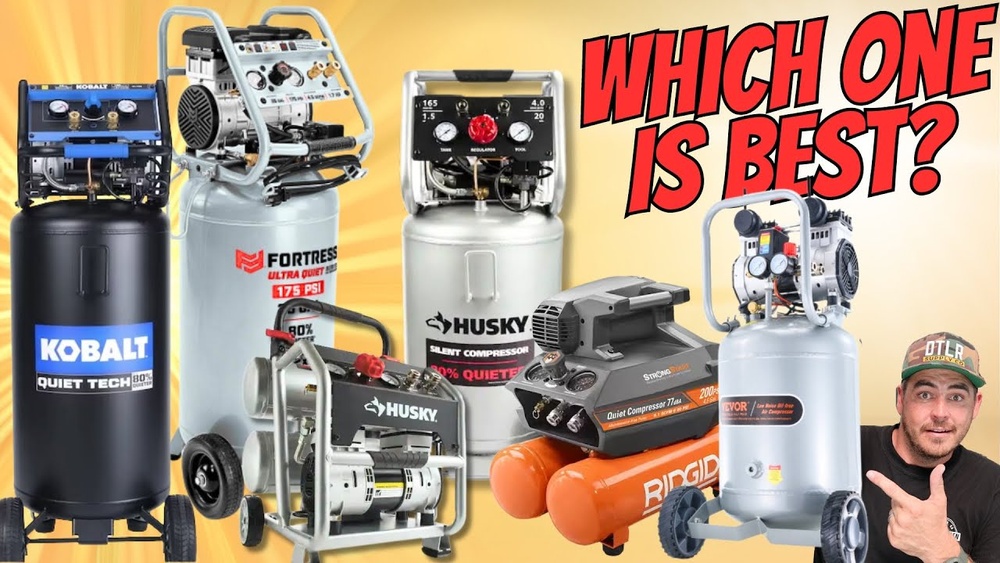
If you have ever tried auto detailing with just a vacuum and some towels, you know how hard it is to get that professional look. Dust in the vents, sand in the carpet, stubborn grime on the seats—these are the small things that make a big difference. That’s why many detailers, both professional and DIY, use an air compressor for auto detailing. But with so many choices, features, and price points, picking the right one can be confusing.
This guide covers everything you need to know about air compressors for auto detailing. You’ll learn why they matter, how to choose the right one, what features matter most, common mistakes, and how to get the best results. We’ll also review some top models, compare their specifications, and answer the questions most beginners have but are often afraid to ask. Whether you want to speed up your weekend car cleaning or open a small detailing business, you’ll find clear, practical advice here.
Why Use An Air Compressor For Auto Detailing?
If you’ve ever seen a professional detailer clean a car, you’ll notice they always use compressed air. But why is it so popular in this industry?
First, an air compressor blasts dirt and debris out of tight spaces that vacuums and brushes can’t reach. Think about seat rails, dashboard vents, cup holders, and seams in upholstery—these are always full of dust. Compressed air also dries surfaces quickly after shampooing or steam cleaning, helping to avoid water spots and mold.
Second, many modern detailing tools need compressed air to work. Tornador cleaning guns, pneumatic polishers, and mini blow guns all rely on a steady air supply. Without the right air compressor, these tools simply won’t work properly.
Another benefit is speed. Using air cuts cleaning time in half because you don’t have to scrub every inch or wait for things to dry. You can also use air to apply dressings or coatings evenly, saving product and effort.
Finally, using an air compressor keeps your hands cleaner and reduces the fatigue from repetitive scrubbing. This means you can detail more cars in less time, with better results.
Key Features To Consider
With many options on the market, what should you look for in a compressor meant for auto detailing? Here are the features that matter most:
1. Airflow (cfm)
CFM stands for cubic feet per minute, and it measures how much air the compressor delivers. Most detailing tools need at least 4-6 CFM at 90 PSI. Small pancake compressors often don’t provide enough airflow, so check this number first.
2. Pressure (psi)
PSI means pounds per square inch. For most detailing work, 90-120 PSI is more than enough. Some tools, like mini polishers, need 90 PSI minimum to work well.
3. Tank Size
The tank size controls how long you can use air tools before the compressor needs to refill. For spot cleaning, a 6-gallon tank may be enough. For continuous use (like with a Tornador), 20-30 gallons is better.
4. Noise Level
Many compressors are loud—over 80 decibels. For home use or mobile detailing, look for quieter models (60-70 decibels). Oil-lubricated compressors are usually quieter than oil-free types.
5. Portability
If you plan to move the compressor around a lot, choose one with wheels and a sturdy handle. Compact models are great for mobile detailers. But remember, smaller compressors often have less power.
6. Duty Cycle
This is the percentage of time a compressor can run before it needs to rest. A 50% duty cycle means it can run for 5 minutes and then needs 5 minutes of rest. For commercial work, look for a higher duty cycle.
7. Power Source
Most home compressors are electric (110-120V). For mobile work without easy access to outlets, gas-powered compressors are an option, but they are heavier, noisier, and need more maintenance.
8. Moisture And Filtration
Compressors can produce water vapor, which can leave spots on surfaces or damage tools. A built-in air dryer or filter helps keep your air clean and dry.
Non-obvious insight: Many beginners ignore the importance of moisture traps. Wet air can ruin your detailing work, especially when blowing out crevices or using with cleaning guns.
Top Air Compressor Models For Auto Detailing
There are hundreds of compressors on the market. Here are some of the most popular and reliable models for auto detailing, with their key specs, pros, and cons.
California Air Tools 8010
This model is a favorite among mobile detailers because it’s quiet and reliable.
- CFM: 3.0 at 90 PSI
- Tank Size: 8 gallons
- Noise: 60 decibels
- Weight: 48 lbs
Pros: Ultra-quiet, oil-free, portable, quick recovery
Cons: Lower CFM means not ideal for heavy-duty tools
Dewalt Dwfp55126
A compact, pancake-style compressor that’s easy to move.
- CFM: 2.6 at 90 PSI
- Tank Size: 6 gallons
- Noise: 75.5 decibels
- Weight: 30 lbs
Pros: Lightweight, affordable, maintenance-free
Cons: Small tank, not enough power for high-demand tools
Makita Mac2400 Big Bore
Known for its durability and steady performance.
- CFM: 4.2 at 90 PSI
- Tank Size: 4.2 gallons
- Noise: 79 decibels
- Weight: 77 lbs
Pros: High CFM for size, cast iron pump, low noise
Cons: Heavy, not as portable
Campbell Hausfeld Dc080500
A great balance of size, noise, and power.
- CFM: 2.4 at 90 PSI
- Tank Size: 8 gallons
- Noise: 68 decibels
- Weight: 54 lbs
Pros: Quiet, good tank size, easy to move
Cons: Lower CFM, not for continuous heavy use
Industrial Air Il1682066
For those needing more power and bigger tanks.
- CFM: 6.2 at 40 PSI, 5.3 at 90 PSI
- Tank Size: 20 gallons
- Noise: 82 decibels
- Weight: 159 lbs
Pros: High CFM, large tank, ideal for pro shops
Cons: Heavy, not mobile, noisy
Porter-cable C2002
A budget-friendly option for light-duty work.
- CFM: 2.6 at 90 PSI
- Tank Size: 6 gallons
- Noise: 82 decibels
- Weight: 34 lbs
Pros: Cheap, easy to store, simple to use
Cons: Noisy, not enough power for pro tools
Rolair Jc10 Plus
A favorite for its extremely low noise.
- CFM: 2.35 at 90 PSI
- Tank Size: 2.5 gallons
- Noise: 60 decibels
- Weight: 42 lbs
Pros: Quiet, durable, compact
Cons: Small tank, low CFM, best for spot work
Metabo Hpt Ec914s
A strong performer in the mid-range.
- CFM: 4.0 at 90 PSI
- Tank Size: 6 gallons
- Noise: 73 decibels
- Weight: 51 lbs
Pros: Good power, reasonable noise, solid build
Cons: On the heavy side for a 6-gallon model
Comparison: Popular Air Compressors For Detailing
To help you compare, here’s a look at the main specs for the top choices:
| Model | CFM @ 90 PSI | Tank Size (gal) | Noise (dB) | Weight (lbs) |
|---|---|---|---|---|
| California Air Tools 8010 | 3.0 | 8 | 60 | 48 |
| DEWALT DWFP55126 | 2.6 | 6 | 75.5 | 30 |
| Makita MAC2400 | 4.2 | 4.2 | 79 | 77 |
| Campbell Hausfeld DC080500 | 2.4 | 8 | 68 | 54 |
| Industrial Air IL1682066 | 5.3 | 20 | 82 | 159 |

Credit: www.youtube.com
How To Use An Air Compressor For Detailing
Getting the best results from your air compressor isn’t just about turning it on and blasting air everywhere. Here’s a step-by-step approach used by pros:
- Prep Your Workspace: Move the car to a well-ventilated area. Check there’s a safe power source.
- Assemble and Inspect: Connect your hose and any inline moisture traps or filters. Check for leaks.
- Set Pressure: Adjust the regulator to match your tool (usually 90 PSI for most detail work).
- Start with Dry Blowing: Blow out dirt from vents, under seats, cup holders, and tight spaces. Always wear eye protection.
- Use with Detailing Tools: Connect cleaning guns or mini polishers. Follow the tool’s instructions for best results.
- Dry Surfaces: After shampooing or steam cleaning, use air to dry carpets, mats, or seats quickly.
- Final Touches: Use air to apply dressings or blow off dust from crevices before handing the car to the customer.
Pro tip: Always keep the nozzle moving. Holding it in one spot can damage delicate surfaces or force water into electronics.
Accessories That Make A Difference
The right attachments can turn a basic compressor into a full detailing system. Here are some must-have accessories:
- Detailing Blow Guns: Long, slim tips help reach tight spots.
- Tornador Cleaning Guns: Mix air and cleaning fluid to deep clean fabrics and carpets.
- Moisture Traps and Filters: Prevents water and oil from getting on surfaces.
- Quick-Connect Couplers: Makes tool changes fast and easy.
- High-Quality Hoses: Flexible hoses reduce fatigue and reach further inside the car.
Non-obvious insight: Many beginners buy a good compressor but use cheap hoses or fittings, which leak air and reduce performance. Invest in quality air lines and connectors for the best results.
Mistakes To Avoid When Choosing And Using A Compressor
Even experienced detailers sometimes make costly mistakes. Here are the most common ones and how to avoid them:
1. Buying Too Small
A small, cheap compressor might work for inflating tires, but it can’t keep up with air-hungry tools. Always check the CFM rating and tank size against your tools’ requirements.
2. Ignoring Noise Levels
Some compressors are as loud as a lawn mower. If you work in a residential area or indoors, a quiet model is worth the extra cost.
3. Skipping Filtration
Moisture and oil in the air can ruin your work or even damage car electronics. Always use a moisture trap and change it regularly.
4. Overworking The Compressor
Running your compressor non-stop can cause it to overheat and wear out faster. Respect the duty cycle and let it rest.
5. Poor Maintenance
Check the oil level (if oil-lubricated), drain the tank after use, and replace filters as needed. Neglecting maintenance leads to lower performance and a shorter lifespan.
6. Using The Wrong Attachments
Not all blow guns or cleaning tools are safe for delicate car interiors. Always use tools designed for automotive use.
Air Compressor Maintenance Tips
A well-maintained compressor lasts longer and performs better. Here are some simple maintenance tips:
- Drain the tank after every use to remove water and prevent rust.
- Clean or replace filters regularly to keep air dry and clean.
- Check hoses and fittings for leaks. Even small leaks reduce efficiency.
- Follow the oil schedule for lubricated models. Use the correct oil type.
- Store indoors if possible, away from moisture and extreme temperatures.
Following these steps adds years to your compressor’s life and keeps your detailing work top-notch.
Real-world Performance: User Experiences
Many detailers and car enthusiasts have shared their experiences with different compressors. Here’s what stands out:
- California Air Tools 8010 users love the low noise, saying they can run it in garages without bothering neighbors.
- Makita MAC2400 gets high marks for durability. Several users report using it daily for years with only basic maintenance.
- Industrial Air IL1682066 is praised by shop owners for its power and large tank, but they all mention it’s not practical for mobile work.
One surprising finding: Many users who start with small pancake compressors end up upgrading within a year. The main reason is the lack of airflow and the constant cycling on and off, which slows down work and can burn out the motor.
Cost Considerations: Is Expensive Always Better?
Not always. The best air compressor for auto detailing is the one that matches your needs and workflow. For a weekend hobbyist, a quiet 6-8 gallon model is usually enough. For a mobile detailer, portability and noise matter more than raw power.
Professional shops, however, need a high-CFM, large-tank model that can run multiple tools all day. Spending more upfront on a commercial-grade unit saves money in the long run—less downtime, fewer repairs, and happier customers.
Practical tip: Don’t forget to budget for accessories like hoses, blow guns, and moisture traps. These can add $50-$150 to the total cost.

Credit: www.reddit.com
Safety Tips For Using Air Compressors In Auto Detailing
Compressed air is powerful and can be dangerous if used incorrectly. Follow these safety tips:
- Wear eye protection whenever blowing debris.
- Never point the nozzle at yourself or others.
- Check hoses for cracks before each use.
- Release pressure before disconnecting tools.
- Keep children and pets away from the work area.
For more safety information, you can visit OSHA’s official safety page.
Table: Common Detailing Tools And Air Requirements
Here’s a quick reference for the most popular detailing tools and how much air they need:
| Tool | CFM Needed | Recommended PSI |
|---|---|---|
| Tornador Cleaning Gun | 4-5 | 90-100 |
| Mini DA Polisher | 4-6 | 90 |
| Blow Gun (Dusting) | 2-3 | 80-90 |
| Upholstery Staple Gun | 1-2 | 70-90 |
When To Upgrade Your Air Compressor
You may be wondering if you need to upgrade. Here are some clear signs:
- Your compressor runs constantly and still can’t keep up.
- Tools lose power or slow down during use.
- You plan to run multiple air tools at the same time.
- You notice water spots or oil residue from the air line.
- You start taking on more cars or adding new services.
If any of these happen, it’s time to invest in a larger or more advanced model.
The Environmental Impact Of Air Compressors
Air compressors use electricity or fuel and can be noisy and hot. Here’s how to minimize their impact:
- Choose energy-efficient models with automatic shutoff.
- Use only as much air as needed—avoid letting it run idle.
- For mobile work, avoid gas compressors in residential areas.
- Maintain your compressor to prevent oil and air leaks.
Some new models use brushless motors or variable speed drives, which save energy and reduce noise.

Credit: www.amazon.sa
Frequently Asked Questions
What Size Air Compressor Do I Need For A Tornador Cleaning Gun?
A Tornador cleaning gun works best with a compressor that can deliver at least 4-5 CFM at 90 PS