
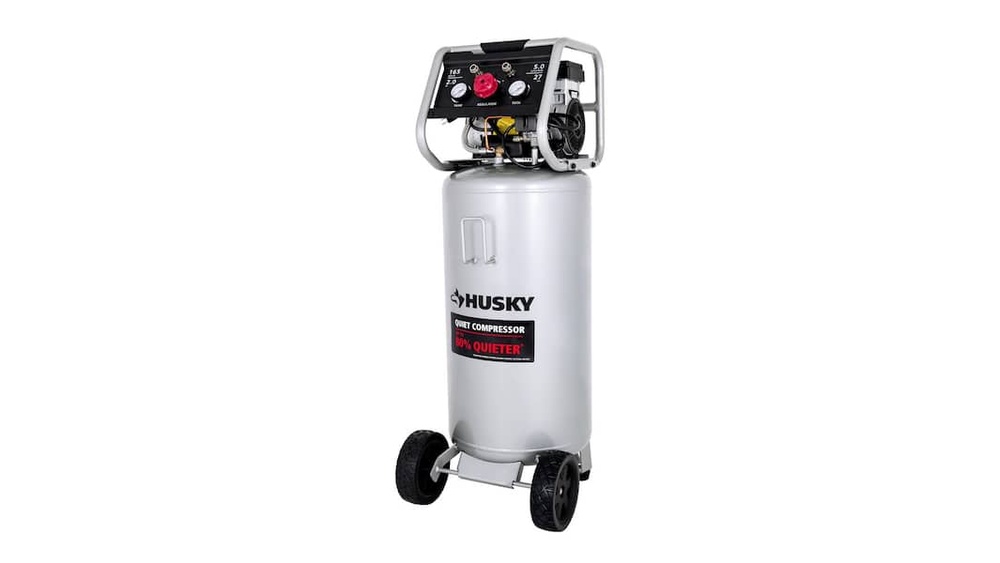
Absolutely! Let’s create a comprehensive, human-friendly guide for readers looking for the best air compressors for auto detailing under $800. This article will dive deep into what matters, compare top picks, and give practical advice you can trust.
—
Looking for the perfect air compressor for auto detailing under $800 can feel overwhelming. The market is full of options, all with different specs and features. Whether you’re a mobile detailer, a hobbyist, or run a car wash, the right air compressor can make your work faster, cleaner, and even safer for your equipment.
But how do you choose wisely—without paying for things you don’t need or missing features that really matter? Let’s break down everything you need to know, plus review top choices that fit your budget.
Why Air Compressors Matter In Auto Detailing
Air compressors are more than just a tool to inflate tires. In auto detailing, they power blow guns, clean tight spaces, dry surfaces quickly, and even help run polishers or extractors. A good compressor saves time and reaches areas brushes can’t.
For example, blowing out dust from vents, cleaning around buttons, or drying water from mirrors after a wash.
But not every compressor is right for auto detailing. Some are too small and run out of air quickly. Others are bulky, noisy, or need too much power. Finding the right balance between size, power, and price is key.
What Really Matters When Choosing An Air Compressor For Auto Detailing
Many buyers focus only on horsepower or tank size, but there’s more to consider. Here’s what actually matters:
1. Cfm (cubic Feet Per Minute) At 90 Psi
CFM is the amount of air the compressor delivers. For detailing, most tools need at least 2–4 CFM at 90 PSI. Some extractors or polishers need more. If the compressor’s CFM is too low, your tools won’t work well, or you’ll have to stop and wait while the tank refills.
Non-obvious tip: Check the CFM at 90 PSI, not just “max CFM.” Some brands show a higher CFM at a lower PSI, which can be misleading.
2. Tank Size
A bigger tank (20–30 gallons) means you can work longer before the compressor kicks back on. But bigger tanks are heavier and take up more space. For mobile work, smaller tanks (6–10 gallons) are easier to move but may need to refill more often.
Practical example: If you mainly use a blow gun or tire inflator, a 6-gallon tank may be enough. For continuous use, like running a DA polisher or extractor, look for 20 gallons or more.
3. Portability
Will you move the compressor around, or will it stay in your shop? Wheeled models are easier to move. Some pancake compressors are light but can tip over if pulled by the hose.
Experience-based insight: If you detail cars at customers’ homes, choose a model with sturdy wheels and a comfortable handle.
4. Noise Level
Some compressors are very loud, which can bother neighbors or customers. “Quiet” or “ultra-quiet” models are usually below 70 decibels (dB). Standard models can be as loud as 80–85 dB.
Beginner mistake: Don’t assume all compressors are equally noisy. Check the decibel rating before you buy.
5. Power Source
Most detailers use electric compressors. Gas-powered ones are stronger, but they’re heavy, noisy, and not safe to use indoors. Make sure the compressor runs on standard 120V outlets unless you have a 240V line.
6. Duty Cycle
Some compressors are designed for short bursts, not continuous use. If you plan to use air tools for long periods, look for a “100% duty cycle” or at least 50%.
7. Build Quality And Warranty
A solid steel tank, good fittings, and a strong warranty can save money long-term. Cheap units may leak or break after a few months.
Credit: landmarktools.com
Common Mistakes When Buying An Air Compressor For Detailing
Even experienced detailers make mistakes. Here are two common ones:
- Buying too small: Many beginners buy a small, cheap compressor, thinking it will do everything. But if the CFM is too low, it can’t power tools properly, and you’ll waste time.
- Ignoring noise: Some compressors are so loud that you’ll need ear protection, especially indoors. Always consider where you’ll use the compressor.
Top 10 Air Compressors For Auto Detailing Under $800
Let’s look at the top options, each with its strengths. The list below covers a mix of portable and stationary models, so you can find what fits your workflow.
- California Air Tools 8010 Ultra Quiet & Oil-Free
- 8-gallon tank, 3.0 CFM at 90 PSI, only 60 dB.
- Very quiet and oil-free, so it’s good for indoor use.
- Great for mobile detailers or shops with noise restrictions.
- DEWALT DXCM271.COM 27 Gallon Portable Air Compressor
- 27-gallon tank, 5.1 CFM at 90 PSI.
- More power for bigger tools. Heavier but rolls easily.
- Good for shops or frequent use.
- Makita MAC2400 Big Bore 2.5 HP
- 4.2-gallon twin-stack, 4.2 CFM at 90 PSI.
- Compact but powerful. Cast iron pump for long life.
- Not as quiet, but very reliable.
- PORTER-CABLE C2002-WK Oil-Free UMC Pancake Compressor
- 6-gallon tank, 2.6 CFM at 90 PSI.
- Lightweight, easy to carry. Good for light use.
- Comes with 13-piece accessory kit.
- Campbell Hausfeld DC080500
- 8-gallon tank, 2.4 CFM at 90 PSI, 68 dB.
- Oil-free, quiet operation.
- Great for home garages or small shops.
- Industrial Air IL1682066.MN 20-Gallon Belt Driven
- 20-gallon tank, 6.2 CFM at 40 PSI, 5.3 CFM at 90 PSI.
- Belt drive for quiet operation and long life.
- Heavy but powerful. Good for fixed locations.
- BOSTITCH BTFP02012 Oil-Free Compressor
- 6-gallon tank, 2.6 CFM at 90 PSI.
- Pancake design for stability. Lightweight and easy to move.
- Reliable for light tasks.
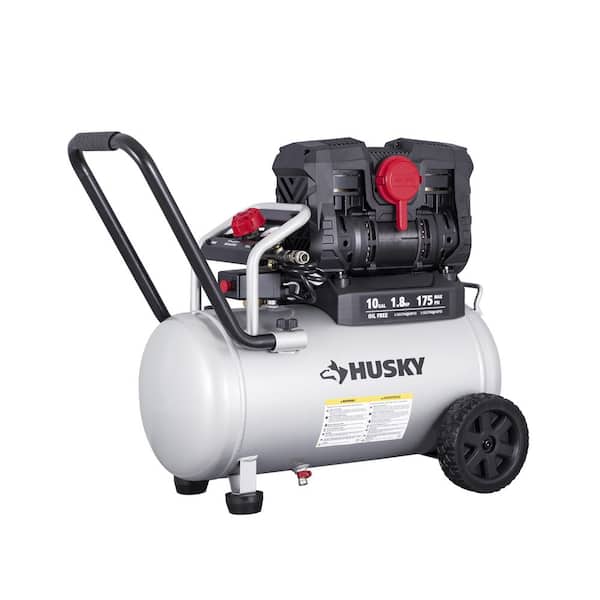
- Husky 20 Gallon Portable Electric Air Compressor
- 20-gallon tank, 4.0 CFM at 90 PSI.
- Oil-free and low maintenance.
- Good size for mobile or shop use.
- Rolair VT25BIG 2.5 HP Wheeled Compressor
- 5.3-gallon tank, 6.5 CFM at 90 PSI.
- High output in a portable design. More expensive but durable.
- Ideal for heavy use.
- Stealth 12 Gallon Ultra Quiet Air Compressor
- 12-gallon tank, 4.0 CFM at 90 PSI, 68 dB.
- Very quiet and oil-free.
- Good for mobile or indoor work.
Credit: www.homedepot.com
Detailed Comparison: Choosing The Right Model
To make your decision easier, here’s a side-by-side look at key specs:
| Model | Tank Size | CFM @ 90 PSI | Noise Level | Weight | Best For |
|---|---|---|---|---|---|
| California Air Tools 8010 | 8 gal | 3.0 | 60 dB | 48 lbs | Mobile/quiet work |
| DEWALT DXCM271.COM | 27 gal | 5.1 | 78 dB | 136 lbs | Shops/heavy use |
| Makita MAC2400 | 4.2 gal | 4.2 | 79 dB | 77 lbs | Garage/portable |
| PORTER-CABLE C2002-WK | 6 gal | 2.6 | 82 dB | 34 lbs | Mobile/light use |
| Campbell Hausfeld DC080500 | 8 gal | 2.4 | 68 dB | 67 lbs | Home/small shop |
| Industrial Air IL1682066.MN | 20 gal | 5.3 | 75 dB | 159 lbs | Shops/stationary |
| BOSTITCH BTFP02012 | 6 gal | 2.6 | 78 dB | 29 lbs | Mobile/light use |
| Husky 20 Gallon | 20 gal | 4.0 | 81 dB | 97 lbs | Mobile/shop |
| Rolair VT25BIG | 5.3 gal | 6.5 | 86 dB | 108 lbs | Heavy use/portable |
| Stealth 12 Gallon | 12 gal | 4.0 | 68 dB | 95 lbs | Mobile/quiet work |
Practical Examples: Matching Compressors To Your Needs
- Mobile detailers: You’ll want something light and quiet, like the California Air Tools 8010 or Stealth 12 Gallon. These fit in a van and won’t disturb customers.
- Home garages: The Makita MAC2400 or Campbell Hausfeld DC080500 are small enough for a garage but strong enough for most detailing tasks.
- Shops: If you run a busy shop, the DEWALT DXCM271.COM or Industrial Air IL1682066.MN can keep up with constant use.
Non-obvious insight: If you plan to use multiple air tools at once, add up their CFM requirements. Make sure your compressor can keep up.

Credit: redats.com
How To Get The Most From Your Air Compressor
Even the best compressor won’t last if you skip maintenance. Here’s how to keep it in top shape:
- Drain the tank after use. Moisture builds up and can rust the tank.
- Check oil (if not oil-free). Change oil as the manual says.
- Clean or replace the air filter. Dirty filters reduce performance.
- Check fittings for leaks. Use soapy water to spot bubbles.
- Store hoses properly. Don’t kink or crush them.
Beginner tip: Always let the compressor cool before you move it or store it in a closed vehicle.
Accessories That Make Detailing Easier
To get the best results, consider these add-ons:
- Blow gun: For vents, seams, and tight spots.
- Tire inflator with gauge: For quick tire top-offs.
- Flexible hose: A rubber hose is easier to manage than stiff PVC.
- Quick-connect fittings: These make switching tools fast and hassle-free.
- Water separator: Keeps water out of your tools, preventing streaks and rust.
Pro tip: Use a coalescing filter if you run polishers or extractors. It keeps oil and water out of your air lines.
What To Avoid When Shopping For Air Compressors
- Plastic tanks: These are rare but avoid them—steel is safer and lasts longer.
- No-name brands: Save a few dollars now, but you may not get parts or support later.
- Overpromised specs: If a small, cheap compressor claims “6 CFM at 90 PSI,” be skeptical. Always read real reviews.
When Should You Spend More?
If you plan to grow your detailing business, it’s smart to buy a compressor with a little more power than you need now. Upgrading later costs more than buying right the first time. But don’t overbuy—a huge shop compressor wastes money if you only do a few cars a week.
Frequently Asked Questions
Can I Use A Pancake Compressor For Auto Detailing?
Yes, for small tasks like blowing dust or inflating tires. For running extractors or polishers, you’ll need a bigger tank and more CFM.
Oil-free Or Oil-lubed: Which Is Better?
Oil-free compressors are lower maintenance and lighter, good for mobile work. Oil-lubed models last longer and run cooler, better for heavy shop use.
How Loud Are Air Compressors?
Quiet models are around 60–70 dB (like a normal conversation). Standard ones can be as loud as 80–85 dB (like traffic).
What Size Hose Should I Use?
A 3/8-inch hose is best for most detailers. It flows enough air for most tools but isn’t too heavy.
Can I Use An Extension Cord With My Compressor?
It’s better to avoid long extension cords—they can cause voltage drop and damage the motor. If you must, use a thick, short cord (12-gauge or thicker).
Where To Learn More
For more on CFM, duty cycle, and compressor types, check out the [Compressed Air and Gas Institute](https://www.cagi.org/), which has clear guides for beginners.
Final Thoughts
The best air compressor for auto detailing under $800 is the one that fits your workflow, tools, and space—not just the one with the biggest tank or highest horsepower. Focus on CFM at 90 PSI, tank size, noise level, and portability.
If you work mobile, quiet and light are more important than raw power. For shops, a bigger tank and higher CFM will pay off in productivity.
Don’t forget accessories and proper maintenance—they make a bigger difference than you might think. And remember, a quality compressor makes every detailing job easier, cleaner, and more professional.
Choosing wisely means you’ll spend less time waiting for air and more time making cars look their best.