
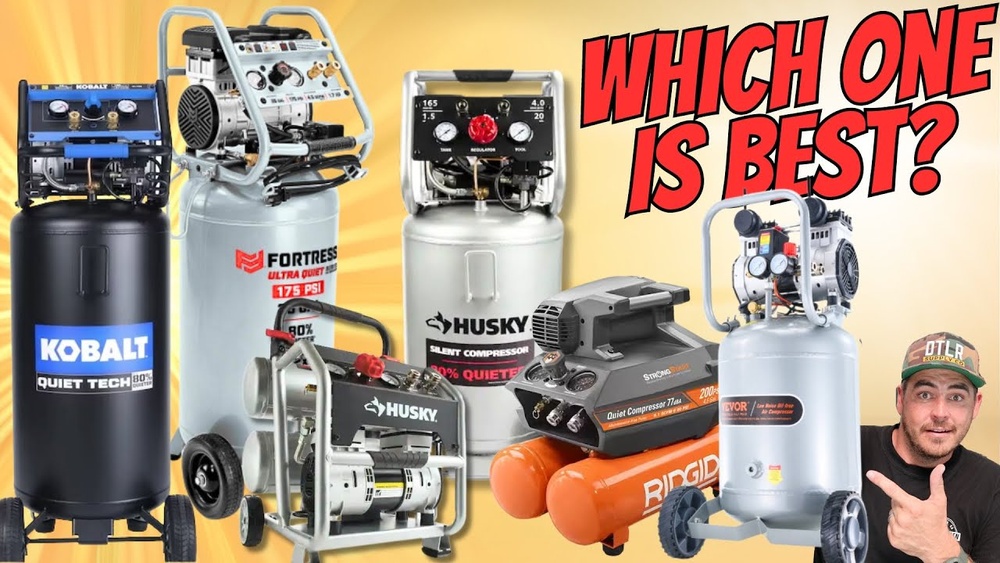
Every auto detailer knows the right equipment can make or break the job. From removing stubborn dust to powering tools for deep cleaning, an air compressor is a secret weapon in professional car care. But with so many models, specs, and brands, choosing the best air compressor for auto detailing can feel overwhelming.
If you’re just starting, or even upgrading your setup, the right guidance will save you money, frustration, and time.
This guide is designed to help you confidently pick the perfect air compressor for your auto detailing needs. Whether you’re a mobile detailer, a garage hobbyist, or running a full-scale business, you’ll find actionable advice, real-world examples, and important insights that many beginners miss.
Let’s break down the essentials, compare popular options, and make sure you avoid common mistakes.
Why Auto Detailers Need An Air Compressor
Auto detailing means more than washing and waxing. Today, detailers use air compressors for multiple tasks:
- Drying vehicles quickly, especially in tight spots like mirrors and grills.
- Blowing out dust and dirt from vents, buttons, and seams.
- Powering pneumatic tools like DA polishers, mini sanders, and interior cleaning guns.
- Operating foam cannons for thick, even soap coverage.
A good air compressor not only improves cleaning but also speeds up your workflow. It makes your job easier and helps you deliver a spotless finish, even in hard-to-reach areas.
Air is especially useful for those “final touch” moments—blowing stray water from behind badges, inside door mirrors, and along window seals. Even a quick blast along the dashboard or seat rails can help remove hidden dust or crumbs, making interiors look truly detailed.
Most professionals agree that a compressor is the fastest way to dry wheels and tight engine bay corners, where towels can’t reach. And if you’re using steamers or spray extraction tools, compressed air can help prep surfaces or speed up drying between steps.
Key Factors To Consider When Buying
Choosing an air compressor for auto detailing isn’t just about picking the biggest one you can afford. There are several factors to balance:
1. Airflow (cfm)
CFM stands for cubic feet per minute—the amount of air the compressor delivers. Most detailing tools have a recommended CFM. For example, a Tornador cleaning gun may need 5 CFM at 90 PSI. Always check your tools’ requirements first.
- Light dusting and drying: 2–3 CFM
- Interior cleaning guns: 4–5 CFM
- DA polishers: 6–8 CFM
If your compressor’s CFM is too low, tools won’t run efficiently.
Also remember, CFM can drop if you use longer hoses or multiple tools at once. It’s best to buy a compressor with 10–20% higher CFM than your most demanding tool. This gives you a buffer for real-world situations—like when a hose is kinked or the tank isn’t fully pressurized.
2. Pressure (psi)
PSI means pounds per square inch—the force of the air. Detailing tools work best around 80–120 PSI. Most compressors reach 120–150 PSI, but always confirm your tools’ needs. Remember, high PSI doesn’t mean much if CFM is too low.
When you adjust your regulator, set PSI just high enough to run your tool. Running tools at much higher PSI than needed doesn’t improve performance and can wear them out faster.
3. Tank Size
Tank size is measured in gallons. Bigger tanks store more air, allowing longer tool use before the motor refills the tank.
- Small jobs (mobile detailing): 2–6 gallons
- Medium jobs (home garage): 8–15 gallons
- Large shops: 20+ gallons
But a larger tank means more weight and less portability.
A small tank can work for short bursts—like cleaning out a vent or blowing water from a mirror—but will refill often if you run tools continuously. For polishing or running a cleaning gun on an SUV interior, a medium or large tank keeps air flowing steadily without frequent stops.
4. Power Source
- Electric compressors are quieter, cleaner, and suitable for indoor or mobile work.
- Gasoline models offer more power but are heavier, noisier, and not safe indoors.
Most detailers prefer electric units for flexibility and convenience.
If you work outdoors away from outlets, a small generator can power most electric compressors. Gas models are best for large, outdoor jobs where electricity isn’t available, but these are rare in typical detailing.
5. Portability
Mobile detailers need lightweight, compact compressors. Stationary units suit fixed shops where power and tank size matter more than easy movement.
Consider how much you’ll need to lift or wheel the compressor around. Some models have collapsible handles or low-profile tanks, making them easier to fit in a vehicle or carry up steps.
6. Noise Level
Noise is often overlooked. Detailing in residential areas or indoors? Look for compressors rated under 75 decibels. Some “quiet” models go as low as 60 dB.
Don’t underestimate noise fatigue. Working next to a loud compressor for hours can be stressful, even if you wear ear protection. Some clients also appreciate a quieter setup, especially in residential neighborhoods or office parks.
7. Duty Cycle
Duty cycle shows how long a compressor can run before resting. A 50% duty cycle means it should run for 5 minutes and rest for 5. Higher is better for constant use.
If you run tools non-stop—like using a cleaning gun on a full-sized van interior—look for a compressor with a 75% duty cycle or higher. Otherwise, you risk overheating the motor or shortening its lifespan.
8. Oil Vs. Oil-free
- Oil-lubricated compressors last longer and run cooler but need more maintenance.
- Oil-free units are lighter and require less care—ideal for mobile work.
Oil-free designs are also less messy. There’s no risk of oil leaking onto carpets or upholstery, which is critical when working inside customer vehicles.
9. Price And Warranty
Set a budget, but don’t go too cheap. Quality compressors pay off in reliability and performance. Check warranty terms—some brands offer 1–3 years of coverage.
A longer warranty can give peace of mind, especially if your business depends on keeping equipment running daily. Don’t forget to factor in the cost of accessories and replacement parts when comparing prices.
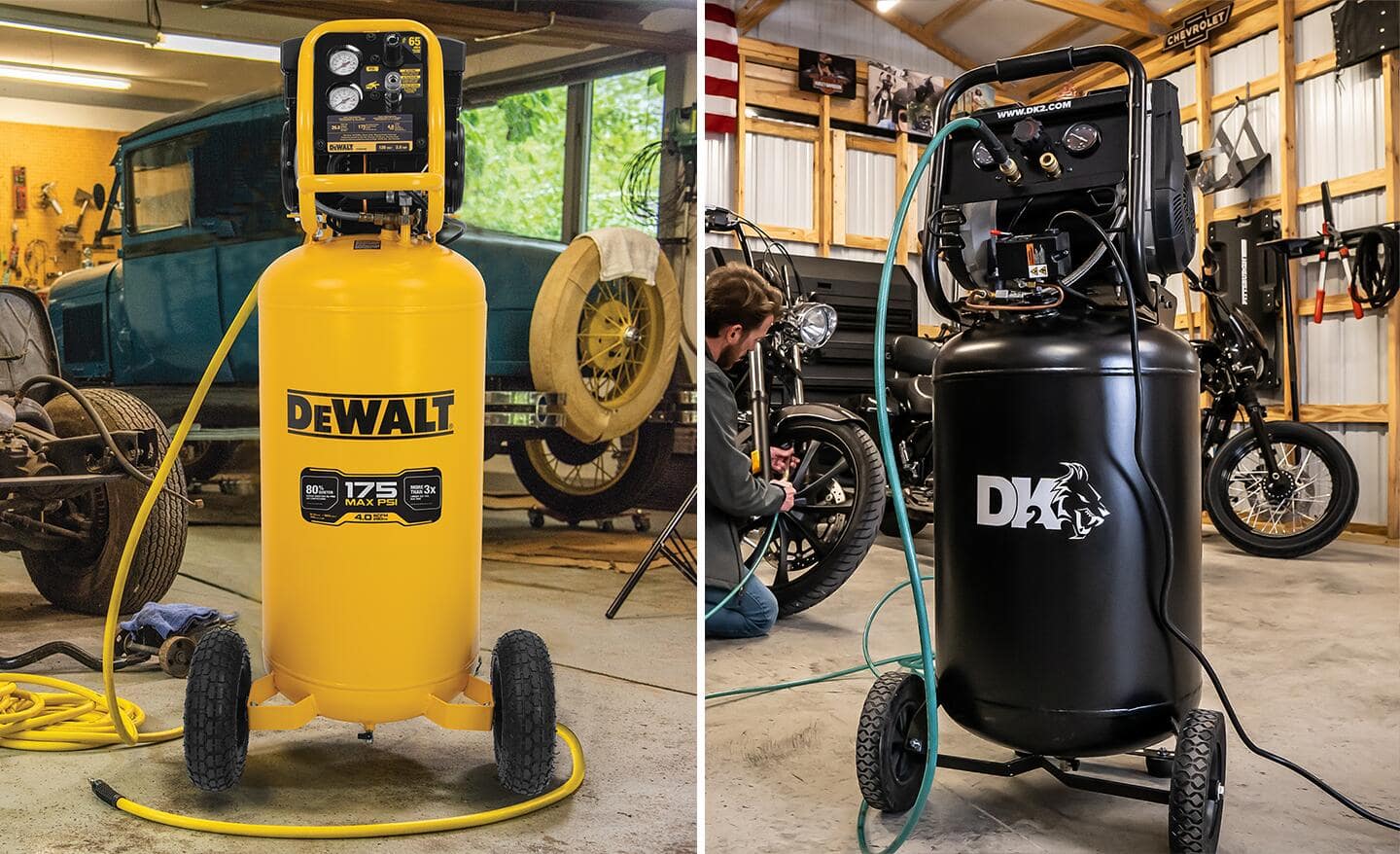
Credit: www.homedepot.com
Understanding Air Compressor Specifications
If you’re new to compressors, specs can be confusing. Here’s a simple breakdown:
- Horsepower (HP): Power of the motor. More HP often means higher CFM, but efficiency matters more.
- CFM @ PSI: Always look at CFM at the working PSI you need (e.g., 5 CFM at 90 PSI).
- Single-Stage vs. Two-Stage: Single-stage is common for detailing. Two-stage units give higher pressure for industrial tools, but aren’t usually needed.
- Voltage: Check your worksite’s power (120V, 240V) to avoid surprises.
Always read the spec sheet carefully. Some brands list “peak” CFM or PSI, which sounds good but isn’t sustainable during real use. Focus on “running” or “delivered” values for a true picture of performance. Some compressors also list “SCFM” (standard CFM), which factors in temperature and humidity—useful for comparing different models in similar conditions.
Top Uses Of Air Compressors In Auto Detailing
An air compressor is a multitool in your detailing kit. Here’s how professionals use it:
- Drying after washing: Blow water from crevices, door jams, and wheels to prevent drips and water spots.
- Cleaning vents and interiors: Blast dust from air vents, seat rails, buttons, and under seats.
- Powering cleaning guns: Tools like Tornador or Cyclone guns use compressed air to deep-clean carpets and upholstery.
- Running polishers and buffers: Pneumatic DA sanders or polishers need steady airflow for consistent results.
- Foaming soap: Foam cannons connect to your air line for thick, even coverage.
- Spray painting and touch-ups: Some detailers use compressors for small paint fixes.
- Inflating tires and air tools: Keep your shop running smoothly.
For example, after a wash, a detailer might use a blow gun to dry emblems and window trims, preventing water from dripping out after waxing. When cleaning interiors, a Tornador gun can blast cleaner and air into seat creases, making dirt removal much faster than scrubbing alone.
In larger shops, compressors help power vacuum extractors or even sanders for headlight restoration. The versatility of compressed air makes it a cornerstone tool for any detailer aiming for efficiency.
Common Mistakes When Choosing An Air Compressor
Many beginners make avoidable errors when buying. Here’s what to watch out for:
- Ignoring CFM: Buying a compressor with too low CFM means your tools will underperform or stop frequently.
- Overvaluing PSI: High PSI alone doesn’t help if airflow isn’t enough.
- Choosing too small a tank: Small tanks refill often, causing delays. Match tank size to your average job.
- Forgetting about noise: A loud compressor can upset neighbors or make shop communication hard.
- Overspending on features you don’t need: Fancy industrial models are overkill for most detailers.
- Not checking power requirements: Some large compressors need 240V outlets, not standard 120V.
Another overlooked mistake: failing to plan for future growth. If you plan to add more tools or employees, buy a compressor that can handle extra demand. Also, some buyers forget about storage. Compressors with awkward shapes or large footprints can be hard to store in vans or small garages.
Top Features To Look For
When shopping, prioritize these must-have features:
- Adjustable pressure regulator for tool flexibility.
- Moisture separator/filter to keep water out of your lines (prevents spotting and tool damage).
- Quick-connect couplers for fast tool changes.
- Roll cage or protective frame if you move the compressor often.
- Wheels and handles for easy transport.
- Thermal overload protection to prevent motor damage.
A built-in pressure gauge is also useful for monitoring system health. Some compressors offer dual outlets or integrated hose reels, which save space and keep your work area tidy. Look for rubber feet or vibration dampers if you’ll use the compressor on finished floors.
Comparing Popular Air Compressor Types
Not sure which compressor style is best? Here’s a comparison of the most common types for auto detailing.
| Type | Best For | Pros | Cons |
|---|---|---|---|
| Pancake | Mobile detailers | Lightweight, compact, easy to carry | Small tank, lower CFM |
| Hot Dog | Small shops, mobile | Stable, portable, moderate tank size | Can be noisy, limited CFM |
| Twin Stack | Multiple tools, small garages | More air, still portable | Heavier, takes more space |
| Vertical/Stationary | Large shops, heavy use | High CFM, large tank, runs longer tools | Not portable, higher cost |
If you’re not sure which type fits, visit a local hardware store and try lifting or rolling different models. Sometimes the “ideal” type on paper feels too heavy or awkward in person.
Matching Compressor Size To Your Detailing Business
How big should your compressor be? It depends on your workflow, tools, and location.
Mobile Detailing
If you work on the go, size and weight matter most. Look for:
- 2–6 gallon tanks
- Oil-free design
- Low noise
- Handles/wheels
A 3-gallon pancake or hot dog style is popular for interior cleaning and light drying.
If you’re working from a car trunk or van, double-check the compressor’s dimensions to be sure it fits in your vehicle. Some mobile detailers even mount small compressors permanently in their vans, using quick-disconnect hoses for faster setup.
Home Garage Detailers
Balance tank size and power. For one car at a time, consider:
- 6–10 gallon tank
- 4–5 CFM at 90 PSI
- 120V electric power
Twin stack models give more air without being too bulky.
If you regularly tackle larger jobs—like SUVs or trucks—a 10–15 gallon tank can reduce waiting time between tasks. This also helps if you want to try spray painting or run multiple tools as your skills grow.
Professional Shops
If you run multiple tools or need uninterrupted airflow:
- 20+ gallon tank
- 6+ CFM at 90 PSI
- Stationary vertical style
- Moisture separator
A large compressor lets you run polishers, guns, and drying nozzles all day.
Professional shops should plan for redundancy. If your shop’s workflow stops every time the compressor needs to rest, it’s time to size up or add a backup unit.
Essential Accessories For Auto Detailing Compressors
The right accessories boost your compressor’s performance and protect your tools. Don’t overlook these:
- Moisture separator: Removes water from compressed air to prevent spotting and tool damage.
- Air hose: 25–50 feet, flexible, abrasion-resistant. Look for 3/8” diameter for better airflow.
- Quick-connect couplers: Speed up tool swaps.
- Blow gun: For drying and dusting.
- Cleaning gun (e.g., Tornador): Deep cleans upholstery and vents.
- Inline air filter: Extra protection from oil and dust.
- Hose reel: Keeps your workspace tidy and safe.
Also consider a spare pressure regulator, especially if you use tools with different PSI needs. A backup air chuck and tire gauge are handy for quick tire inflations. Using color-coded hoses or couplers can help you quickly identify the right line for each tool, reducing setup time.
Real-world Example: Choosing For Mobile Detailing
Let’s say you run a mobile detailing business focused on interiors and quick washes. You need a compressor that’s easy to lift in and out of your van, runs quietly, and can power a Tornador cleaning gun.
- Tank size: 4 gallons (compact, enough for short bursts)
- CFM: At least 5 at 90 PSI (to run cleaning gun without stopping)
- Noise: Under 70 dB (don’t disturb clients)
- Weight: Under 40 lbs (one-person lift)
- Oil-free: Less mess, no spills in vehicle
A portable pancake compressor with a moisture trap and a 25’ hose is an ideal setup.
Remember, you might need to use a long extension cord when working at client homes. Choose a compressor that won’t trip household breakers. With the right setup, you can clean vents, blow out debris, dry emblems, and power a cleaning gun—all with one compact unit.
Real-world Example: For A Detailing Shop
Now, suppose you have a busy shop with two detailers working at once. You need enough air for a cleaning gun, DA polisher, and a blowgun—sometimes at the same time.
- Tank size: 20 gallons or more
- CFM: 7–10 at 90 PSI
- Power: 120V or 240V (check your wiring)
- Noise: Not as critical, but quieter is better for communication
A vertical stationary compressor with a twin outlet manifold, moisture trap, and hose reels at each work bay will keep your team working efficiently.
Adding a wall-mounted hose reel in each bay saves time and keeps hoses from tangling. You can also run a dedicated airline to a wash bay, making it easy to dry vehicles immediately after rinsing. Investing in a backup moisture separator is wise for busy shops, especially in humid climates.
Maintenance Tips For Long Compressor Life
A good air compressor is an investment. Regular maintenance keeps it running strong:
- Drain tank daily: Water collects inside—open the drain valve to prevent rust.
- Check filters: Clean or replace intake filters every few months.
- Inspect hoses: Replace cracked or worn hoses to avoid leaks.
- Oil checks (if oil-lubricated): Monitor levels and top up as needed.
- Store indoors: Protect from rain, dust, and extreme temperatures.
Don’t forget to check for air leaks around fittings and couplers. A simple soapy water test can reveal leaks that waste energy and reduce tool performance. For shop compressors, schedule a yearly professional checkup to inspect belts, motors, and pressure switches.
Even a few minutes of maintenance each week can add years to your compressor’s life.
Comparing Popular Air Compressor Brands For Detailing
To narrow your search, here’s a side-by-side look at brands detailers trust:
| Brand | Known For | Typical Price Range | Warranty |
|---|---|---|---|
| California Air Tools | Ultra-quiet, portable models | $150–$700 | 1–3 years |
| DeWalt | Durable, pro-grade compressors | $200–$1,000 | 1 year |
| Makita | Reliable, quiet operation | $180–$800 | 1 year |
| PORTER-CABLE | Budget-friendly, light use | $120–$300 | 1 year |
| Ingersoll Rand | Industrial, heavy-duty | $500–$2,500 | 1–2 years |
Some brands offer special models designed for quiet operation or include bundled accessories like hoses, gauges, or couplers. Check for reviews from other auto detailers, not just general contractors, to find models proven in real-world car care.
Key Questions Before You Buy
Ask yourself these questions to avoid regrets:
- What tools will I power? Check CFM needs for each.
- How often will I use the compressor? Occasional or daily?
- Will I work in one spot or travel to clients?
- Do I have space and proper power where I’ll use it?
- Is noise a concern for neighbors or customers?
Also, consider if you’ll want to run more than one tool at a time. If you ever plan to expand, it’s usually cheaper to buy a slightly larger compressor now than to replace your unit later.
Non-obvious Insights Most Detailers Miss
- Moisture is your enemy. Even small compressors can push water into air lines, causing spots on interiors and tool corrosion. Always use a moisture separator—even if the air feels dry.
- CFM drop-off over distance. A long, narrow hose can reduce air flow to your tools. Stick to a wider diameter hose (3/8”) for best results, especially if you use over 25 feet of hose.
- Ambient temperature affects performance. Compressors lose efficiency in cold weather. If you detail outdoors in winter, a slightly larger tank and higher CFM rating help maintain steady tool operation.
Another tip: always bleed air from your hoses before disconnecting tools. This reduces wear on couplers and prevents a sudden burst of air (which can stir up dust near just-cleaned surfaces).
Practical Buying Steps
- List your tools. Write down every air-powered tool and its CFM/PSI needs.
- Check your workspace. Measure available space, power outlets, and noise limits.
- Set a realistic budget. Include costs for hoses, filters, and couplers.
- Read real user reviews. Focus on reliability, noise, and ease of maintenance.
- Buy from a reputable dealer. This makes warranty claims and service easier.
If possible, test the compressor before buying. Listen for noise, check for vibrations, and see if the controls are easy to use. Some dealers offer demo models or rent units for a day, which can help you avoid surprises.

Credit: www.amazon.sa
Where To Learn More
For a deeper dive into compressor specs, air tool requirements, and troubleshooting, visit the Wikipedia Air Compressor page. It’s a valuable resource for both beginners and professionals.
Frequently Asked Questions
What Size Air Compressor Do I Need For Auto Detailing?
Most detailers need at least 4–6 CFM at 90 PSI for interior cleaning guns and drying tools. For one-person mobile work, a 4–6 gallon tank is enough. For a shop with multiple users, aim for 20+ gallons and 7–10 CFM.
Can I Use An Oil-free Air Compressor For Detailing?
Yes. Oil-free compressors are popular in auto detailing because they’re lighter, need less maintenance, and don’t risk oil leaks inside vehicles. For most detailing tasks, oil-free is a smart choice.
How Do I Prevent Water Spots From Compressor Air?
Use a moisture separator or inline air filter. Drain your tank daily, and avoid using the compressor in very humid conditions if possible. This keeps interior surfaces and tools dry.
Are Quiet Air Compressors Worth The Extra Cost?
For mobile detailers, home garages, or indoor use, quiet compressors (under 70 dB) are worth it. They keep customers happy, reduce ear fatigue, and allow easier communication during work.
What Is The Best Brand For A Beginner Detailer?
California Air Tools and PORTER-CABLE offer reliable, affordable compressors for new detailers. Look for easy maintenance, good warranties, and portable designs. Always match specs to your main tools.
The right air compressor is a cornerstone of professional auto detailing. By understanding your needs, matching specs carefully, and investing in key accessories, you set yourself up for faster, higher-quality work. This guide gives you the confidence to choose wisely—so you can focus on what matters: making every vehicle shine.

Credit: www.youtube.com