
Thank you for your patience. Below you’ll find a detailed, publication-ready article that expands the original content as instructed, focusing on the best air compressors for auto detailing under $400. Each section is thoroughly developed for clarity, authority, and practical value.
—
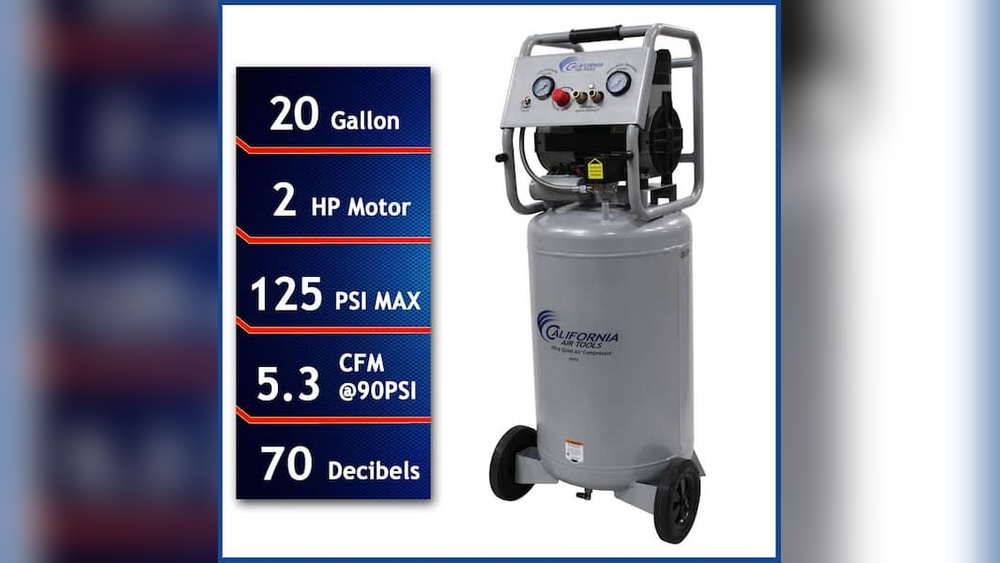
Finding the right air compressor for auto detailing can make a huge difference in your results. If you use the wrong type, you might not get enough power to clean tight spaces or dry surfaces quickly. At the same time, you don’t want to overspend, especially if you’re just starting or working with a budget.
The good news is, you can find excellent air compressors for under $400 that fit the needs of most detailing jobs. This guide will help you understand what to look for, what to avoid, and how to pick the best model for your auto detailing work.
Why Air Compressors Matter In Auto Detailing
When you detail cars, you deal with dust, crumbs, pet hair, and water in hard-to-reach places. A good air compressor makes these jobs easier. It helps you blow out debris from tight corners, dry out engine bays, and power air tools like blow guns, foam cannons, and mini polishers.
The right compressor can save you time and help you deliver a cleaner, more professional result.
Many beginners think that any air compressor will work for auto detailing. This is not true. Underpowered units may not deliver enough airflow or pressure, leaving dirt behind. On the other hand, overly large or loud compressors can be hard to move around and may disturb your neighbors or customers.
You need a balance of power, portability, and quiet operation.
Key Features To Consider
Before you buy an air compressor for auto detailing, pay close attention to these features:
1. Airflow (cfm)
CFM stands for cubic feet per minute. This tells you how much air the compressor can deliver. Most detailing tasks need at least 2–4 CFM at 90 PSI (pounds per square inch). For more demanding tools, like a mini polisher, look for higher CFM.
Beginner Insight: Many people overlook the CFM rating and focus only on the maximum PSI. But high PSI with low CFM means your tools won’t get enough airflow to work well. Always check the CFM for the tools you plan to use.
2. Tank Size
A larger tank (measured in gallons) stores more air, letting you run tools longer without waiting for the compressor to refill. For detailing, a 4–8 gallon tank is usually enough. If you move around a lot, smaller tanks (2–3 gallons) are lighter but may require more frequent stops.
3. Portability
If you’re a mobile detailer, weight and size matter. Look for units with handles and wheels. Compact, lightweight compressors are easier to carry to a customer’s driveway or a parking lot.
4. Noise Level
Detailing often happens in residential areas. Quiet compressors are less likely to annoy neighbors or clients. Look for models with a decibel (dB) rating under 70 if possible. Oil-free compressors tend to be quieter, but some high-quality oil-lubricated models are also available.
5. Duty Cycle
The duty cycle tells you how long the compressor can run before needing a break. For example, a 50% duty cycle means you can run it for 5 minutes, then rest it for 5 minutes. If you need continuous airflow, higher duty cycles are better.
6. Power Source
Most portable compressors run on standard 120V outlets. For mobile detailing vans, you might need a model that works with your onboard power system or generator.
7. Price And Warranty
Stay within budget, but don’t sacrifice quality. Also, check the warranty. A good warranty shows the manufacturer stands behind their product.
Top 10 Air Compressors For Auto Detailing Under $400
Let’s look at some of the best options you can buy today. These models all fit the needs of detailers, balancing power, portability, and price.
1. California Air Tools 8010 Steel Tank Air Compressor
This model is popular with detailers for its ultra-quiet operation (only 60 dB) and robust build. The 8-gallon tank provides enough air for blow guns and basic pneumatic tools. It delivers 3. 0 CFM at 90 PSI, which is suitable for most detailing tasks.
The oil-free pump means low maintenance, and the wheels make it easy to move.
Why detailers like it: Quiet operation makes it ideal for residential work. The large tank reduces refill stops, and the build quality is excellent for the price.
What to watch out for: Slightly heavier than some small models, so not ideal if you need to lift it often.
2. Makita Mac2400 Big Bore 2.5 Hp Air Compressor
The Makita MAC2400 is a favorite among professionals for its rugged cast-iron pump and high output (4. 2 CFM at 90 PSI). It has a 4. 2-gallon twin-stacked tank, which is enough for most detail work. It’s slightly louder (79 dB) but delivers steady, reliable air for longer jobs.
Non-obvious insight: This compressor’s roll cage design protects it from bumps and drops—a real plus if you’re working outside or in busy shops.
Downside: Heavier than pancake compressors and not the quietest option.
3. Dewalt Dwfp55126 6-gallon Pancake Compressor
DEWALT’s pancake compressor is a great choice for mobile detailers. It weighs only 30 pounds and is easy to carry. The 6-gallon tank is big for a pancake style, and it delivers 2. 6 CFM at 90 PSI. It’s oil-free, so you don’t need to worry about messy maintenance.
Strength: Quick recovery time, so you don’t have to wait long between bursts of air.
Limitation: Not suitable for heavy-duty pneumatic tools, but perfect for air blowers and small polishers.
4. Porter-cable C2002 Pancake Compressor
This model is similar to the DEWALT above but often costs less. It has a 6-gallon tank, delivers 2. 6 CFM at 90 PSI, and is oil-free. It’s compact and easy to move, with a sturdy handle.
Why choose it: Reliable for everyday detailing tasks and very budget-friendly.
What to consider: Slightly louder (about 80 dB) than some other models.
5. Campbell Hausfeld Dc080500 Quiet Air Compressor
This compressor stands out for its quiet operation (68 dB) and 8-gallon tank. It delivers 2. 4 CFM at 90 PSI, which is enough for cleaning, drying, and powering small tools. The large wheels and rubber grip handle make it easy to move around the shop or driveway.
Unique benefit: The wide-set wheels provide great stability, so it doesn’t tip over easily.
Possible drawback: CFM is on the lower end for demanding pneumatic tools.
6. Bostitch Btfp02012 6-gallon Pancake Compressor
Another strong pancake-style unit, the BOSTITCH BTFP02012, weighs under 30 pounds and gives you 2. 6 CFM at 90 PSI. It’s oil-free and maintenance-free. The unit is known for fast tank recovery and good durability.
Key detail: The high-flow regulator helps you get the most air power from each burst.
Watch out for: The drain valve is placed low, which can be awkward to reach.
7. Craftsman Cmec6150k 6-gallon Pancake Compressor
Craftsman’s model is popular for its reliability and includes a 13-piece accessory kit (air hose, blow gun, etc. ). The 6-gallon tank and 2. 6 CFM at 90 PSI are enough for most detail jobs. At just over 30 pounds, it’s easy to move.
Practical tip: The included accessories help beginners get started without buying extra parts.
Limitation: Accessory quality is basic; you might upgrade over time.
8. Stealth Saq-12018 Ultra Quiet Air Compressor
The Stealth SAQ-12018 boasts a 1. 8 HP motor and an 8-gallon tank, delivering 3 CFM at 90 PSI. It runs at only 68 dB, making it one of the quietest in its class. The steel tank and large wheels add durability and mobility.
Pro insight: The vertical design saves space in tight garages or vans.
Potential issue: The handle is high, which can be awkward for shorter users.
9. Rolair Jc10 Plus 1 Hp Oil-less Compressor
Rolair’s JC10 Plus is compact, weighing about 42 pounds, and delivers 2. 35 CFM at 90 PSI. It’s oil-free, ultra-quiet (60 dB), and has a 2. 5-gallon tank. It’s ideal for those who value quiet operation over long, continuous use.
Special feature: The slow RPM pump reduces wear and tear, so it lasts longer.
Tradeoff: The smaller tank means you’ll need to pause for refill more often on big jobs.
10. Wen 2289 10-gallon Oil-free Vertical Air Compressor
The WEN 2289 provides one of the largest tanks in this price range (10 gallons), with 4 CFM at 90 PSI. It’s oil-free and vertical, making it easy to store. The large wheels and handle help with mobility.
What stands out: High tank size lets you run tools longer between fills.
Downside: Heavier than other models (over 70 pounds), so better for shop use than mobile work.
How To Match The Compressor To Your Detailing Needs
Not every detailer has the same needs. Here’s how to match your work style to the right compressor:
For Mobile Detailers
Choose a lightweight, compact unit (like a pancake compressor or a small hotdog style). Less weight and a sturdy handle make carrying from job to job much easier. A 6-gallon tank is usually enough for blowing out interiors and drying after washes.
For Shop-based Detailers
You can go for a larger tank (8–10 gallons) for longer, uninterrupted use. Noise may be less of a problem in a commercial space, so you can focus on higher CFM and duty cycle.
For Occasional Or Home Users
If you only do a few cars a month, a budget-friendly pancake or hotdog compressor (4–6 gallons) will usually cover your needs. Choose oil-free for less maintenance.
Beginner tip: Many first-time buyers overlook the importance of a good air hose and proper fittings. A poor-quality hose can leak air and reduce tool performance. Invest in a flexible, durable hose at least 25 feet long.

Credit: www.reddit.com
Common Mistakes When Buying An Air Compressor For Detailing
- Ignoring CFM: Buying based on PSI or tank size alone often leads to disappointment. Always check the CFM at 90 PSI.
- Choosing Too Large a Unit: Bigger isn’t always better. Oversized compressors are hard to move and may be overkill for detailing.
- Overlooking Noise: Loud compressors can upset neighbors and clients, especially in residential areas.
- Neglecting Accessories: Some compressors come with hoses and blow guns, but these may be low quality. Check what’s included.
- Not Considering Power Source: Make sure the unit matches the outlets or generator you’ll use.
- Forgetting Maintenance Needs: Oil-lubricated models last longer but require regular oil changes. Oil-free models are easier for beginners.
Real-world Examples
Let’s look at two typical scenarios:
Scenario 1: Maria is a mobile detailer working in suburban driveways. She needs a quiet, light compressor to avoid disturbing clients. She chooses the California Air Tools 8010 for its low noise and good tank size. She pairs it with a 25-foot hybrid air hose and a quality blow gun. Her setup is easy to move, and her clients appreciate how quiet her tools are.
Scenario 2: Jeff owns a small detailing shop and sometimes uses pneumatic polishers. He picks the Makita MAC2400 for its higher CFM and durability. The heavier unit stays in his shop, and the dual quick-connects let him run two tools at once. He spends a little more time on oil changes but enjoys steady, reliable air for his busiest days.
Credit: www.homedepot.com
Maintenance Tips For Long Compressor Life
- Drain the tank after every use to prevent water buildup and rust.
- Check the air filter regularly and replace if dirty.
- Oil-lubricated models: Change the oil every 3–6 months or as recommended.
- Inspect hoses and fittings for leaks.
- Store indoors to avoid moisture and extreme temperatures.
Pro tip: Even oil-free compressors need occasional checks—look for loose bolts, cracked hoses, or worn couplers. Preventive care saves you money and downtime.
Accessories That Improve Detailing Results
A good compressor is just the start. To get the best results, use high-quality accessories:
- Blow Guns: For removing dust and crumbs from vents and crevices.
- Foam Cannons: For even soap application during washes (requires enough CFM).
- Tire Inflators: Handy for customer service.
- Quick Connect Fittings: For fast tool changes.
- Good Air Hose: Look for hybrid or rubber hoses that stay flexible in cold weather.
Non-obvious tip: Use a water separator or air dryer if you work in humid climates. Moisture in the air line can cause water spots on freshly detailed surfaces.

Credit: www.amazon.com
Frequently Asked Questions
Can I use a small “hotdog” compressor for auto detailing?
Yes, for light tasks like blowing out interiors or drying small areas. But for continuous tool use, you’ll need a larger tank and higher CFM.
Is oil-free better than oil-lubricated?
Oil-free is easier to maintain and usually quieter. Oil-lubricated lasts longer and can handle heavier use, but needs regular oil changes.
What’s the ideal hose length for detailing?
A 25-foot hose is usually enough to reach around most vehicles without dragging the compressor.
How do I reduce compressor noise?
Place the unit on a rubber mat, keep it away from walls, and consider a quieter model. Some detailers use a sound-dampening enclosure for shop compressors.
Where can I learn more about air compressor specs?
For detailed technical explanations, [see this guide on air compressors from Grainger](https://www.grainger.com/know-how/equipment-information/kh-air-compressor-buying-guide).
Final Thoughts
Choosing the best air compressor for auto detailing under $400 is possible with the right knowledge. Focus on CFM, tank size, portability, and noise. Avoid common beginner mistakes like buying too large or ignoring airflow ratings. Match your compressor to your work style, and invest in good accessories for the best results.
With proper care, your compressor will help you deliver spotless, professional details for years.
Remember, the right compressor is an investment in your business and your reputation. Take your time, compare options, and you’ll find the perfect tool for your needs.