
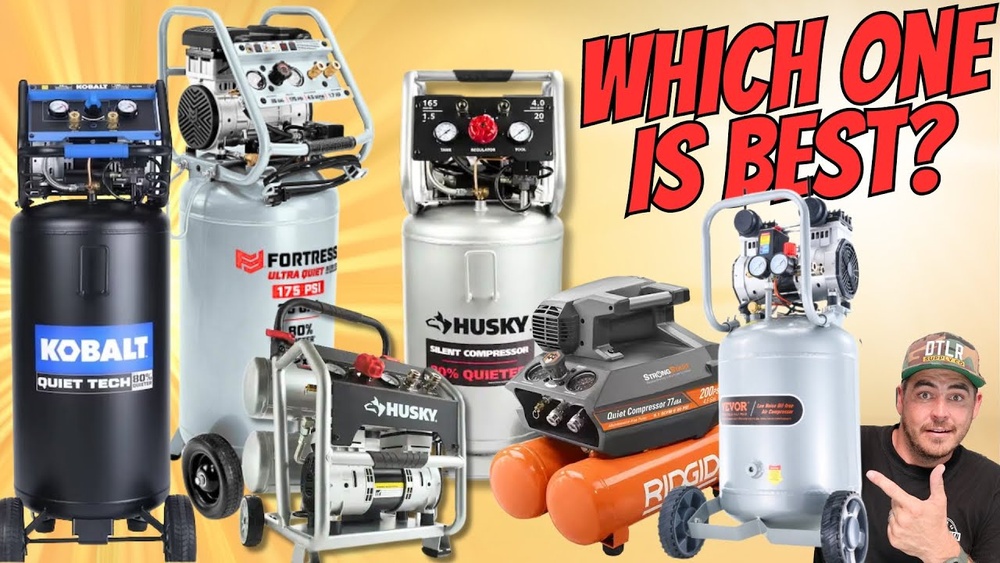
Auto detailing has become more popular than ever, with car enthusiasts and professionals wanting spotless, showroom-quality results. One tool that can make a big difference is the air compressor. Whether you’re blowing out dust from vents, powering a dual-action polisher, or drying water from tight spots, the right air compressor can save time and boost results. But the market is full of models, specs, and features—choosing the best one is not easy.
This guide compares the most popular air compressors for auto detailing. You’ll learn what matters, see clear differences, and discover tips most beginners miss. By the end, you’ll know exactly what type of air compressor fits your auto detailing style, space, and budget.
Why Air Compressors Matter In Auto Detailing
Detailing is more than washing and waxing. Many tasks need air power for the best results. For example, air compressors help with:
- Blowing out dust from car interiors (vents, seats, consoles)
- Drying hard-to-reach spots after washing
- Powering pneumatic tools (like DA polishers, sprayers)
- Cleaning engine bays without water
Using an air compressor makes detailing faster and more effective. Compressed air gets into places hands can’t reach and cuts drying time. Plus, some tools like tornador cleaning guns need a steady air supply. Without the right compressor, you might get uneven results or slowdowns.
Key Features To Compare
Not all compressors are equal. Here are the most important factors to compare before buying for auto detailing:
1. Tank Size
Tank size, measured in gallons or liters, affects how long you can use air before the motor runs again. For detailing, common sizes are 2 to 20 gallons. A bigger tank means more continuous air, less waiting.
2. Cfm (cubic Feet Per Minute)
CFM shows how much air a compressor can deliver. Most detailing tools need 3–6 CFM at 90 PSI. Low CFM means you’ll run out of air quickly or tools won’t work right.
3. Psi (pounds Per Square Inch)
PSI is air pressure. Most tools work at 90 PSI, but some need more. Higher PSI helps with tough dirt and drying.
4. Portability
You may detail at different locations—driveways, garages, mobile jobs. Smaller compressors are easier to move, but usually have less power.
5. Noise Level
Some compressors are loud. If you work in a home garage or indoors, a quieter model is better. Noise is measured in decibels (dB).
6. Oil Vs Oil-free
Oil-free compressors are easier to maintain and don’t risk leaking oil on surfaces. Oil-lubricated ones often last longer and run quieter.
7. Duty Cycle
Duty cycle shows how long a compressor can run without resting. A 50% duty cycle means it can run half the time. Higher is better for long jobs.
8. Price And Warranty
Cheaper compressors might not last as long. Warranties matter for peace of mind.
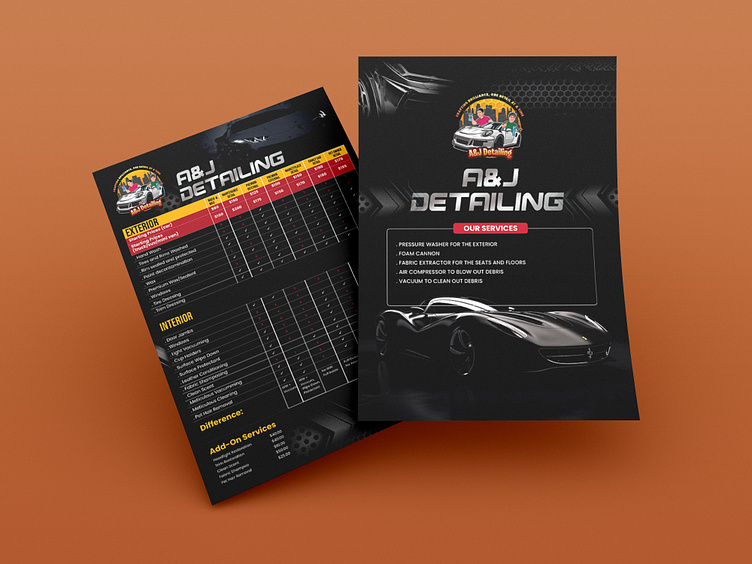
Credit: dribbble.com
Common Types Of Air Compressors For Auto Detailing
Here are the main types you’ll find:
- Pancake Compressors: Flat, compact, usually 3–6 gallon tanks. Good for small jobs.
- Hot Dog Compressors: Cylindrical tanks, 1–8 gallons. Easy to move.
- Twin Stack Compressors: Two small tanks, more air in less space.
- Vertical Compressors: Large upright tanks, often 15+ gallons. Best for shops.
Each type has pros and cons. The best choice depends on your work style.
Top 7 Air Compressors For Auto Detailing Compared
To help you pick, here’s a comparison of seven popular air compressors used by detailers, from compact to professional models.
| Model | Tank Size | Max PSI | CFM @ 90 PSI | Type | Noise (dB) | Weight | Price Range |
|---|---|---|---|---|---|---|---|
| California Air Tools 8010 | 8 Gal | 120 | 3.0 | Hot Dog | 60 | 48 lbs | $$$ |
| DEWALT DWFP55126 | 6 Gal | 165 | 2.6 | Pancake | 75.5 | 30 lbs | $$ |
| Makita MAC2400 | 4.2 Gal | 130 | 4.2 | Twin Stack | 79 | 77 lbs | $$$ |
| PORTER-CABLE C2002 | 6 Gal | 150 | 2.6 | Pancake | 82 | 34 lbs | $$ |
| BOSTITCH BTFP02012 | 6 Gal | 150 | 2.6 | Pancake | 78.5 | 29 lbs | $$ |
| Rolair JC10 Plus | 2.5 Gal | 125 | 2.35 | Hot Dog | 60 | 42 lbs | $$$ |
| Campbell Hausfeld DC080500 | 8 Gal | 125 | 2.4 | Hot Dog | 68 | 67 lbs | $$$ |
1. California Air Tools 8010
This compressor is famous for being very quiet (60 dB) and delivers enough air (3.0 CFM at 90 PSI) for most detailing tools. The 8-gallon tank means you can work longer before the motor restarts. It’s oil-free, so there’s less maintenance. At 48 lbs, it’s not light, but the wheels help. Many pros like it for mobile detailing because it won’t disturb neighbors.
Non-obvious insight: The 8010’s low noise lets you use it early or late without complaints—something most beginners don’t consider until they annoy someone.
2. Dewalt Dwfp55126
A popular pancake compressor with a 6-gallon tank. It’s lightweight (30 lbs) and powerful for its size (2.6 CFM at 90 PSI, max 165 PSI). The high PSI is great for quick bursts of air and drying. It’s oil-free and easy to carry. However, it’s louder than some (75.5 dB), so not the best for quiet environments.
Practical tip: The pancake design is stable and fits in small trunks or car back seats—a plus for mobile detailers.
3. Makita Mac2400
This twin-stack model is built tough. With a 4. 2-gallon tank and 4. 2 CFM at 90 PSI, it powers most air tools without trouble. It’s oil-lubricated for durability but needs occasional oil checks. At 77 lbs, it’s heavy—best for a fixed location or van.
Noise is moderate (79 dB).
Experience insight: Its roll-cage design protects it in busy workshops, so it’s a favorite for shop-based detailers.
4. Porter-cable C2002
Another pancake favorite. The 6-gallon tank and 2. 6 CFM at 90 PSI are enough for most detail jobs. It’s oil-free, so no mess. It’s louder (82 dB), but it’s affordable and reliable. The compact size makes it easy to move around.
Common mistake: Many users forget to drain the tank after use, causing rust. Always release air and moisture after each session.
5. Bostitch Btfp02012
Very similar to the PORTER-CABLE, but a bit quieter (78. 5 dB) and lighter (29 lbs). Also oil-free, 6-gallon, and offers 2. 6 CFM at 90 PSI. This model is a good choice for weekend detailers who want a balance of price, portability, and performance.
6. Rolair Jc10 Plus
Known for its ultra-quiet operation (60 dB) and solid build. The 2.5-gallon tank is smaller, but it works for light detailing—especially interiors and engine bays. At 42 lbs, it’s portable but not featherweight. Delivers 2.35 CFM at 90 PSI. It’s a favorite for those who detail in noise-sensitive neighborhoods.
7. Campbell Hausfeld Dc080500
With an 8-gallon tank, this compressor gives long work times between cycles. It’s oil-free and fairly quiet (68 dB). At 2. 4 CFM, it’s best for light to medium tools, not heavy-duty polishers. The 67 lbs weight is manageable with wheels.
Hidden benefit: The horizontal tank stores easily under shelves—useful for small shops or garages.
Feature Comparison: What Do These Specs Mean For Detailers?
To make sense of the numbers, here’s a quick look at how each feature affects auto detailing tasks.
| Feature | Why It Matters | Best Use |
|---|---|---|
| Tank Size | Longer, continuous work with fewer motor restarts | Drying, cleaning interiors, running polishers |
| CFM | Enough air for tools to run at full power | Polishers, tornadors, sprayers |
| Noise | Comfort for you and clients/neighbors | Mobile detailing, home garages |
| Oil-Free | Less maintenance, no oil stains | Mobile work, sensitive surfaces |
| Portability | Easy to carry in/out of vehicles | Mobile detailing, small spaces |
Non-obvious insight: Many beginners focus only on tank size, but CFM is often more important for tool performance. A small tank with high CFM can be better than a big tank with low CFM.
Matching Compressor Size To Detailing Tasks
Not every detailer needs the biggest compressor. Here’s a breakdown of which size fits each task:
Small Compressors (1–4 Gallons)
Best for:
- Interior dusting
- Drying small trim or mirrors
- Blowing out vents
Limitations: Not enough air for long use of DA polishers or tornador guns.
Medium Compressors (5–8 Gallons)
Best for:
- Full car drying (after wash)
- Using tornador guns (short bursts)
- Running small DA polishers
Limitations: May need to pause on long jobs for the tank to refill.
Large Compressors (10+ Gallons)
Best for:
- Non-stop use of polishers, sprayers, or vacuum attachments
- Shop or high-volume work
Limitations: Heavy, not easy to move. Overkill for occasional detailing.
Straight-to-the-point tip: If you only detail your car on weekends, a 6-gallon pancake or hot dog model is usually enough. For daily business, consider 8 gallons or bigger.
Real-world Examples: Compressor Usage In Detailing
Let’s look at three common scenarios:
Home Detailer
John wants his sedan to look great. He details in his garage and driveway. He uses an air gun to blow out crumbs and a small polisher for headlights.
- Best fit: Pancake compressor (PORTER-CABLE C2002 or BOSTITCH BTFP02012). Easy to store, enough power for small tools.
- Why: Quiet enough for the neighborhood, portable, affordable.
Mobile Pro Detailer
Sara offers mobile detailing. She cleans 2–3 cars a day, including interiors, exteriors, and engine bays. She uses a tornador gun and sometimes a polisher.
- Best fit: California Air Tools 8010 or Campbell Hausfeld DC080500.
- Why: Quiet operation, bigger tank for multiple cars, oil-free for fast setup.
Shop-based Detailer
Mike runs a small shop, working on cars all day. He needs nonstop air for polishers and sprayers.
- Best fit: Makita MAC2400 or a larger vertical tank compressor.
- Why: High CFM, durable, can run for hours with short breaks.
Experience-based advice: Always check your tools’ air requirements before buying a compressor. Many users buy too small and regret it when their tools sputter or stop.
Practical Tips For Choosing The Right Compressor
- Check tool specs. Look at the air (CFM) and pressure (PSI) needs of your main tools.
- Think about where you’ll use it. Home? Shop? Mobile? Choose for your main location.
- Plan for growth. If you might add tools later, buy a slightly bigger compressor now.
- Noise matters. If you work near homes, quieter models prevent problems.
- Oil-free is easier. For most, oil-free means less maintenance and less risk.
- Read reviews. See what other detailers say about reliability and customer service.
Buyer Mistakes To Avoid
- Ignoring CFM ratings: Many buyers focus on tank size or price and get a compressor that can’t keep up with their tools.
- Buying too big or heavy: A huge tank is useless if you can’t lift it or fit it in your car.
- Forgetting about noise: Loud compressors can annoy neighbors or clients, hurting business.
- Neglecting maintenance: Not draining the tank leads to rust and early failure.
- Skipping warranty checks: Cheap models without support can end up costing more if they break.
Calm expert tip: Always buy from a reputable brand with a good warranty. It saves time, money, and frustration in the long run.
Maintenance And Longevity
A good air compressor should last years with simple care:
- Drain the tank after each use. This stops water from building up and causing rust.
- Check oil (if not oil-free). Top up as needed.
- Change air filters. Dirty filters make the compressor work harder.
- Store indoors. Keep it dry and safe from the weather.
Hidden detail: Even oil-free compressors need the tank drained. Many new users think oil-free means maintenance-free, but water buildup is a risk for every model.

Credit: www.made-in-china.com
Accessories That Boost Compressor Performance
To get the most from your compressor, consider these add-ons:
- Flexible air hoses (25–50 ft): Reach all sides of a car.
- Quick-connect fittings: Change tools fast.
- Water separators: Remove moisture from the air—important for painting or sensitive tools.
- Blow guns: Targeted air for crevices.
- Tornador guns: Special cleaning tool powered by compressed air.
- Air duster attachments: For electronics or vents.
Not all accessories fit every compressor. Check sizes and compatibility before buying.
Price Vs. Value: What Should You Spend?
- $100–$200: Entry-level pancake or small hot dog compressors. Good for personal use, light jobs.
- $200–$400: Mid-range, usually 6–8 gallon, quieter, more durable. Good for regular use or small business.
- $400+: High-end, big tanks, high CFM. Best for pro shops, daily use, or teams.
Straight advice: For most detailers, $200–$350 gets a reliable, quiet, oil-free compressor that covers all basic needs.

Credit: www.youtube.com
Safety And Air Compressor Use In Detailing
- Never point air at skin or face. Even low pressure can hurt.
- Wear hearing protection for louder models.
- Check hoses for leaks before each use.
- Keep kids and pets away when the compressor is running.
- Unplug before maintenance.
Non-obvious tip: Use a short air hose for interior work to avoid tripping. Long hoses are great for exteriors but can tangle inside cars.
Where To Learn More
For more on air compressor specs, maintenance, and tool compatibility, see the official Wikipedia guide on air compressors.
Frequently Asked Questions
What Size Air Compressor Is Best For Auto Detailing?
For most car detailing tasks, a 6–8 gallon oil-free compressor with at least 2.5 CFM at 90 PSI is ideal. It’s large enough for drying, tornador guns, and small polishers. Mobile pros may prefer larger tanks for all-day use.
Is An Oil-free Air Compressor Better For Car Detailing?
Yes, for most detailers, oil-free compressors are easier to maintain and safer for paint and interiors. There’s no risk of oil leaks on car surfaces.
How Loud Are Air Compressors For Detailing?
Noise ranges from 60 dB (very quiet) to 80+ dB (loud). Quiet models like the California Air Tools 8010 or Rolair JC10 Plus are great for home or mobile use. Always check the dB rating if noise is a concern.
Can I Use A Small Pancake Compressor For All Detailing Tasks?
A small pancake compressor can handle light tasks (dusting, drying mirrors), but may struggle with long use of polishers or tornador guns. For heavy or pro use, a bigger tank and higher CFM are better.
What Is The Most Common Mistake When Buying A Compressor For Detailing?
The most common mistake is choosing a model with low CFM. If the compressor can’t deliver enough air, your tools will not work well. Always match CFM to your most demanding tool.
Auto detailing is more enjoyable and efficient with the right air compressor. Choosing wisely means less frustration and better results, whether you’re working on your own car or starting a business. Take the time to compare specs, match them to your needs, and care for your compressor—you’ll see the difference every time you turn it on.