

An oilless air compressor operates without oil lubrication, making it ideal for clean air applications. It reduces maintenance needs and minimizes contamination risks.
Oilless air compressors are designed for various applications requiring clean, dry air. They serve industries like healthcare, food processing, and electronics, where oil contamination could be detrimental. These compressors utilize advanced technologies to compress air without the need for oil, ensuring purity.
Many models are portable, making them suitable for both commercial and home use. Users appreciate their low maintenance and quieter operation compared to traditional compressors. With a growing focus on efficiency and environmental impact, oilless options are becoming increasingly popular. This trend highlights their importance in modern applications, driving innovation in the air compressor market.

Credit: www.amazon.com
The Rise Of Oilless Air Compressors
The demand for oilless air compressors is growing fast. These machines offer clean, efficient, and low-maintenance solutions. Many industries prefer them for various applications. Let’s explore the key reasons behind their rise.
The Shift From Traditional Models
Traditional air compressors use oil for lubrication. This leads to several issues:
- Oil contamination in the air.
- Frequent maintenance requirements.
- Higher operational costs.
Oilless models eliminate these problems. They operate without oil, offering several advantages:
- Cleaner air quality for sensitive applications.
- Reduced maintenance efforts.
- Lower energy consumption.
Industries like food and beverage, medical, and electronics favor oilless compressors. They ensure a safe and efficient working environment.
Technological Advancements
Recent technology has improved oilless air compressors. Key advancements include:
| Feature | Benefits |
|---|---|
| Noise Reduction Technology | Quieter operation for better work environments. |
| Energy Efficiency | Lower energy bills and smaller carbon footprint. |
| Advanced Materials | Longer lifespan and durability. |
These innovations make oilless compressors more appealing. Businesses seek reliable and cost-effective solutions. As technology evolves, oilless compressors will likely dominate the market.
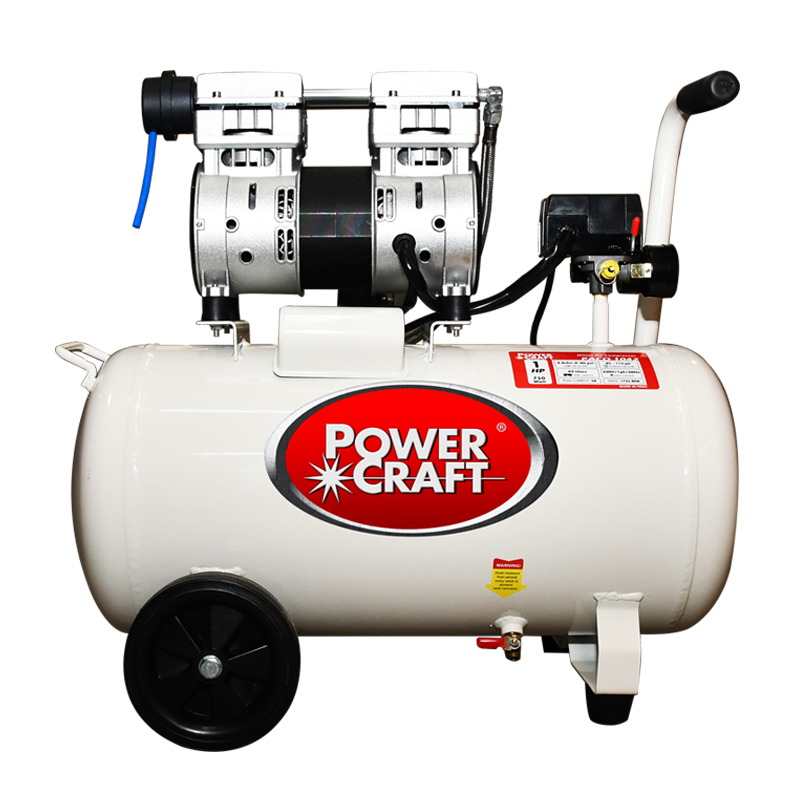
Credit: powercraft.ph
How Oilless Air Compressors Work
Oilless air compressors provide a clean and efficient way to compress air. They operate without oil lubrication, making them suitable for various applications. Understanding their mechanics reveals their advantages and innovations.
The Mechanics Of Oil-free Operation
Oilless air compressors rely on a unique design. They compress air using a piston or diaphragm. This process eliminates the need for oil. Here’s how it works:
- Compression Cycle: The piston moves down, drawing in air.
- Compression Phase: The piston moves up, compressing the air.
- Discharge Phase: Compressed air exits through a valve.
The entire cycle happens quickly. This efficiency allows for continuous operation. Without oil, maintenance is minimal. Users enjoy cleaner air for tools and equipment.
Materials And Design Innovations
Modern oilless compressors use advanced materials. These materials enhance durability and efficiency. Key innovations include:
| Material | Benefit |
|---|---|
| Composite Plastics | Lightweight and resistant to wear |
| Aluminum Alloys | Improved heat dissipation |
| Special Coatings | Reduce friction and enhance performance |
Design improvements also play a role. Engineers focus on:
- Optimized airflow paths for efficiency.
- Quiet operation features for less noise.
- Compact structures for easy transport.
These innovations make oilless air compressors reliable and effective. They meet the needs of diverse users, from hobbyists to professionals.
Comparing Oilless And Oiled Air Compressors
Choosing between oilless and oiled air compressors is crucial. Each type has unique features. Understanding these differences helps in making informed decisions.
Performance Factors
The performance of air compressors depends on various factors. Here’s how oilless and oiled models compare:
| Factor | Oilless Air Compressors | Oiled Air Compressors |
|---|---|---|
| Noise Level | Generally quieter | Louder due to moving parts |
| Pressure Output | Lower pressure capacity | Higher pressure capacity |
| Temperature | Runs cooler | Higher operating temperatures |
| Power Consumption | More energy-efficient | May consume more energy |
Oilless compressors are suitable for light tasks. Oiled compressors excel in heavy-duty applications. Select based on your specific needs.
Maintenance And Longevity
Maintenance is essential for the lifespan of any compressor. Here’s a comparison:
- Oilless Air Compressors:
- No oil changes needed
- Less frequent maintenance
- Longer lifespan due to fewer moving parts
- Oiled Air Compressors:
- Regular oil checks required
- More maintenance tasks
- Can last longer with proper care
Consider your willingness to perform maintenance. Oilless models require less effort. Oiled models need regular attention for optimal performance.

Credit: unicrown-tw.com
Benefits Of Using Oilless Air Compressors
Oilless air compressors offer numerous advantages. They are clean, safe, and efficient. These compressors suit various applications. Below are key benefits.
Environmental Impact
Oilless air compressors provide a positive environmental impact. They do not use oil, reducing pollution. This leads to:
- Lower carbon emissions
- Reduced oil waste
- Cleaner air quality
Using these compressors helps conserve resources. They promote sustainability. This makes them a smart choice for eco-conscious users.
Health And Safety Advantages
Health and safety are critical in any workplace. Oilless air compressors enhance safety. They eliminate oil mist, reducing:
- Fire hazards
- Slip and fall accidents
- Respiratory issues from oil fumes
Less maintenance is required. This leads to fewer mechanical failures. Overall, they create a safer work environment.
Applications Of Oilless Air Compressors
Oilless air compressors serve various industries. Their clean, efficient operation makes them ideal for many applications. Below are some key areas where these compressors shine.
Industrial And Manufacturing Uses
Oilless air compressors play a crucial role in industrial settings. They provide reliable power for many tasks. Here are some common applications:
- Pneumatic Tools: Used for drills, sanders, and nail guns.
- Packaging: Assist in sealing and labeling products.
- Spray Painting: Ensure smooth and even application of paint.
- Material Handling: Operate conveyors and lifts.
These compressors reduce maintenance costs. They also offer a longer lifespan compared to oil-lubricated models.
Medical And Dental Fields
In the medical and dental sectors, cleanliness is vital. Oilless air compressors meet strict hygiene standards. Their applications include:
- Dental Equipment: Power dental drills and sterilizers.
- Medical Devices: Support respiratory machines and suction devices.
- Laboratory Use: Provide air for various analytical instruments.
These compressors help maintain a sterile environment. They operate quietly, ensuring patient comfort.
| Application | Industry | Benefits |
|---|---|---|
| Pneumatic Tools | Industrial | High efficiency and low maintenance |
| Dental Equipment | Medical | Hygienic and quiet operation |
| Laboratory Instruments | Medical | Reliable and clean air supply |
Selecting The Right Oilless Air Compressor
Choosing the correct oilless air compressor is vital. It impacts performance and efficiency. Consider various factors before making a decision.
Size And Capacity Considerations
The size and capacity of the air compressor are crucial. They determine how much air the unit can deliver.
- Small Projects: A compact compressor with lower capacity works well.
- Medium Tasks: A mid-sized compressor provides a balance.
- Heavy-Duty Use: Larger compressors are necessary for demanding jobs.
Know the tools you will use. Match the compressor’s capacity to your needs. A table below outlines common sizes and their applications:
| Compressor Size | Typical Capacity (CFM) | Best For |
|---|---|---|
| Small | 1-3 CFM | Tire inflation, small spray guns |
| Medium | 4-6 CFM | Nail guns, airbrushes |
| Large | 7+ CFM | Sandblasting, heavy tools |
Features To Look For
Features enhance the usability of the oilless air compressor. Key attributes to consider include:
- Noise Level: Look for quieter models for residential areas.
- Portability: Check for wheels or lightweight designs.
- Tank Size: Larger tanks store more air for extended use.
- Power Source: Choose between electric or battery-operated options.
Some compressors offer extra features like:
- Automatic shut-off to save energy.
- Built-in pressure gauges for accuracy.
- Multiple outlet ports for versatility.
Assess these features carefully. They can significantly enhance your work experience.
Maintenance Tips For Oilless Air Compressors
Proper maintenance keeps your oilless air compressor running smoothly. Regular upkeep prevents costly repairs. It also extends the life of your unit. Follow these tips for effective maintenance.
Routine Checks And Cleaning
Regular checks and cleaning keep your compressor efficient. Here are some key tasks:
- Check the air filter: Clean or replace it every month.
- Inspect hoses and fittings: Look for wear or leaks.
- Drain moisture: Empty the tank after each use.
- Clean the exterior: Wipe down surfaces to remove dust.
Keep an eye on the pressure gauge. Ensure it operates within the recommended range. A malfunctioning gauge can lead to performance issues.
Troubleshooting Common Issues
Sometimes problems arise. Here are common issues and solutions:
| Issue | Possible Cause | Solution |
|---|---|---|
| No Air Output | Clogged air filter | Clean or replace the filter. |
| Low Pressure | Leaky hoses | Inspect and replace damaged hoses. |
| Overheating | Blocked vents | Clear debris from vents. |
| Unusual Noise | Loose parts | Tighten or replace loose components. |
Follow these tips to maintain your oilless air compressor. Regular checks and troubleshooting can save time and money.
Future Trends In Air Compressor Technology
The air compressor industry is evolving rapidly. Innovations are shaping the future. Sustainability is becoming a key focus. Oilless air compressors are at the forefront of these changes. Let’s explore what lies ahead.
Innovations On The Horizon
New technologies are enhancing air compressor performance. Here are some exciting innovations:
- Smart Technology: Many compressors now include smart sensors. These sensors monitor performance in real-time.
- Advanced Materials: Manufacturers use lighter and stronger materials. This improves durability and efficiency.
- Variable Speed Drives: These drives adjust power based on demand. This reduces energy waste.
- Noise Reduction Technology: New designs minimize noise. This makes compressors quieter and more user-friendly.
These innovations aim to improve efficiency and user experience. They also help meet the growing demand for reliable tools.
The Role Of Sustainability
Sustainability is crucial for future air compressor designs. Here’s how it impacts the industry:
| Aspect | Impact |
|---|---|
| Energy Efficiency | Reduced energy consumption lowers operating costs. |
| Eco-Friendly Materials | Use of recyclable materials decreases environmental impact. |
| Reduced Emissions | Lower emissions contribute to cleaner air quality. |
Consumers are increasingly aware of environmental issues. They prefer products that are eco-friendly. Oilless air compressors meet these demands effectively.
As technology advances, the air compressor market will continue to grow. Innovations and sustainability will drive this growth. The future looks promising for air compressors and their users.
Frequently Asked Questions
What Is An Oilless Air Compressor?
An oilless air compressor is a type of compressor that operates without the need for oil lubrication. This design reduces maintenance and prevents oil contamination in compressed air. Oilless compressors are ideal for applications like airbrushing, inflating tires, and powering pneumatic tools.
How Does An Oilless Air Compressor Work?
Oilless air compressors use pistons and cylinders to compress air without oil. The absence of oil allows for cleaner air output. These compressors often feature a direct drive system, which enhances efficiency and reduces noise, making them suitable for home and light industrial use.
What Are The Advantages Of Oilless Air Compressors?
The main advantages include low maintenance, cleaner air, and portability. Without oil, you avoid contamination and reduce upkeep costs. They are also quieter and more compact, making them perfect for small spaces or home workshops.
Are Oilless Air Compressors Noisy?
Oilless air compressors tend to be quieter than traditional models. The absence of oil reduces friction, which contributes to lower noise levels. While they are not completely silent, they are often suitable for indoor use without causing significant disturbance.
Conclusion
Oilless air compressors offer a clean and efficient solution for various applications. Their low maintenance and quiet operation make them ideal for home and professional use. Choosing the right model enhances productivity and ensures reliability. Investing in an oilless air compressor can significantly benefit your projects and overall efficiency.