

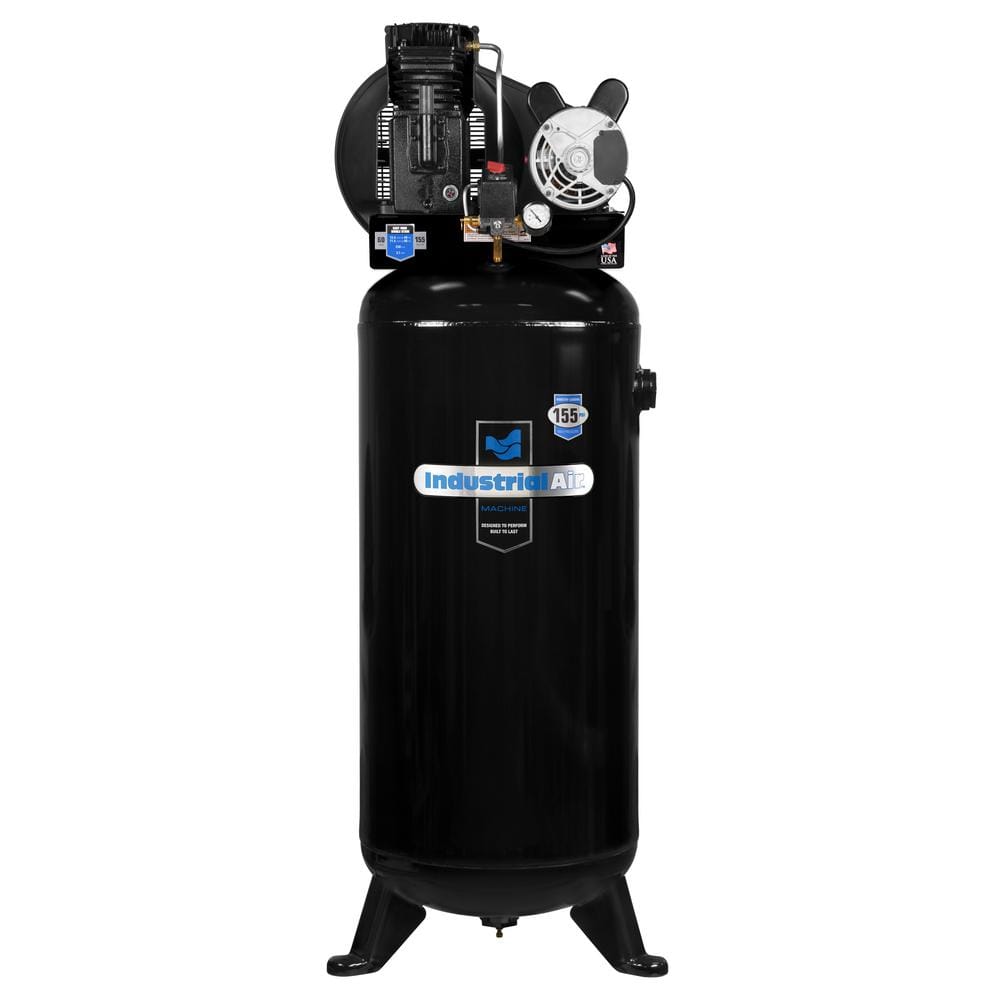
A large air compressor is a powerful machine designed for heavy-duty tasks. It supplies compressed air for various industrial applications, such as powering tools and machinery.
Large air compressors play a vital role in numerous industries, from construction to manufacturing. Their ability to deliver high volumes of compressed air makes them essential for tasks like operating pneumatic tools, spray painting, and inflating tires. Businesses often choose large compressors for their efficiency and reliability, ensuring consistent performance in demanding environments.
Understanding the different types and features can help you select the right model for your needs. Investing in a quality large air compressor can significantly enhance productivity and streamline operations. Choosing the right compressor is crucial for maximizing its benefits and ensuring long-term use.

Credit: www.midwestair-compressor.com
Introduction To Large Air Compressors
Large air compressors play a crucial role in various industries. They provide compressed air for tools and equipment. Understanding these machines helps in choosing the right one for your needs.
The Role Of Air Compressors In Industry
Air compressors are essential in many sectors. They power tools, clean surfaces, and assist in manufacturing. Here are some key roles:
- Powering Pneumatic Tools: Air compressors supply air to tools like drills and wrenches.
- Spraying Paint: Compressed air helps in even paint application.
- Inflating Tires: They quickly inflate tires for vehicles and machinery.
- Cleaning: Compressed air removes dust and debris from equipment.
- Manufacturing Processes: Many machines rely on compressed air for operation.
Different Types Of Large Air Compressors
Choosing the right type of large air compressor matters. Each type serves specific needs. Here are the main types:
| Type | Description | Common Uses |
|---|---|---|
| Reciprocating Compressors | Uses pistons to compress air. | Pneumatic tools, automotive repairs. |
| Screw Compressors | Utilizes rotating screws to generate compressed air. | Manufacturing, continuous operation. |
| Rotary Vane Compressors | Employs rotating vanes for air compression. | Aerospace, food processing. |
| Centrifugal Compressors | Uses high-speed rotating impellers. | Large-scale industrial applications. |
Each type has unique features. Consider your specific requirements before making a choice.
Key Features Of Industrial Air Compressors
Industrial air compressors are essential for various applications. Their features determine performance, efficiency, and reliability. Understanding these features helps in selecting the right compressor for your needs.
Pressure Ratings And Air Flow
Pressure ratings and airflow are crucial for industrial air compressors. These factors affect the compressor’s ability to handle tasks efficiently.
- Pressure Ratings: Measured in PSI (pounds per square inch). Common ratings include:
- Low Pressure: 60-90 PSI
- Medium Pressure: 90-150 PSI
- High Pressure: 150-300 PSI
- Air Flow: Measured in CFM (cubic feet per minute). Adequate airflow is vital for tools and machinery. Higher CFM ratings are needed for larger tools.
Consider the tools you will use. Choose a compressor with suitable pressure and airflow ratings.
Power Sources: Electric Vs. Gasoline
Choosing the right power source is essential for your compressor.
| Power Source | Advantages | Disadvantages |
|---|---|---|
| Electric |
|
|
| Gasoline |
|
|
Evaluate your work environment. Decide between electric and gasoline based on your needs.
Selecting The Right Air Compressor
Choosing the right air compressor is crucial for your projects. This decision impacts efficiency, performance, and overall satisfaction. Understanding your needs helps narrow down options.
Assessing Your Air Demand
First, determine how much air your tools need. Different tools require different air volumes. Here are some common tools and their requirements:
| Tool | CFM Requirement |
|---|---|
| Air Nail Gun | 1.5 – 2 CFM |
| Paint Sprayer | 8 – 10 CFM |
| Impact Wrench | 4 – 6 CFM |
CFM stands for Cubic Feet per Minute. It measures airflow. Calculate the total CFM needed by adding up all tools’ requirements. Choose a compressor with a higher CFM rating to ensure efficiency.
Understanding Duty Cycle
The duty cycle shows how long an air compressor can run. It’s expressed as a percentage. For example, a 50% duty cycle means the compressor can run 5 minutes and rest for 5 minutes.
- Choose a compressor with a duty cycle matching your tasks.
- Continuous use requires a higher duty cycle (70% or more).
- Occasional use can work with a lower duty cycle (50% or less).
Remember, running a compressor beyond its duty cycle can cause overheating. This can damage the unit. Understanding these factors ensures you select the right air compressor.
Credit: www.homedepot.com
Installation Best Practices
Installing a large air compressor requires careful planning. Proper installation ensures efficiency and longevity. Follow these best practices for optimal performance.
Choosing The Location
Selecting the right location is crucial. Consider these factors:
- Space: Ensure enough space for maintenance.
- Accessibility: Place it near power sources and tools.
- Surface: Use a flat, sturdy surface to support the unit.
- Noise: Avoid placing it near quiet areas.
Ensuring Proper Ventilation
Good ventilation is vital for the compressor’s performance. Follow these tips:
- Keep at least 12 inches of space around the compressor.
- Install vents or fans to promote airflow.
- Avoid enclosing the compressor in tight spaces.
- Monitor the temperature regularly. High heat can damage components.
Use a temperature gauge to check the environment. Proper ventilation prevents overheating and extends the life of your air compressor.
Maintenance For Peak Performance
Maintaining your large air compressor is crucial for optimal efficiency. Regular upkeep ensures reliable operation and extends the lifespan of your machine. Follow these essential maintenance tips to keep your compressor running smoothly.
Regular Check-ups And Troubleshooting
Performing regular check-ups is vital for your compressor’s health. These checks can catch issues early, preventing costly repairs. Here’s a simple checklist for your maintenance routine:
- Inspect air filters for dirt and blockages.
- Check oil levels and quality.
- Examine hoses for wear and leaks.
- Monitor pressure gauges for accuracy.
- Listen for unusual noises during operation.
Keep a log of your inspections. Documenting issues helps with troubleshooting. This practice ensures you address problems promptly. A well-maintained compressor operates efficiently, saving energy and costs.
Replacing Worn Components
Components wear out over time. Replacing these parts is essential for peak performance. Common components to check include:
| Component | Signs of Wear | Replacement Frequency |
|---|---|---|
| Air Filter | Clogged or dirty | Every 3-6 months |
| Oil Filter | Discoloration or dirt | Every 6 months |
| Belts | Cracks or fraying | Annually |
| Hoses | Cracks or leaks | Every 2 years |
Replace worn components immediately. Doing so prevents further damage. Your compressor will run more efficiently with new parts.
Energy Efficiency Tips
Reducing energy costs with a large air compressor is crucial. Efficiency saves money and benefits the environment. Here are some essential tips to enhance energy efficiency.
Optimizing Air Compressor Usage
Maximize the efficiency of your air compressor with simple strategies:
- Choose the right size compressor for your tasks.
- Avoid running the compressor at full capacity constantly.
- Schedule regular maintenance checks to keep it running smoothly.
- Inspect for leaks. Even small leaks waste energy.
Consider the following table for better understanding:
| Action | Benefit |
|---|---|
| Right size compressor | Reduces energy consumption |
| Regular maintenance | Improves performance |
| Leak inspection | Saves energy costs |
Implementing Smart Controls
Smart controls enhance the performance of large air compressors:
- Use variable speed drives to adjust compressor speed.
- Integrate programmable timers to limit run time.
- Install sensors to monitor pressure and temperature.
Consider these smart control options:
- Variable Speed Drives: Adjusts speed based on demand.
- Programmable Timers: Automates shut-off during downtime.
- Pressure Sensors: Prevents unnecessary energy use.
Safety Considerations
Using a large air compressor requires strict safety measures. Proper safety practices protect users and equipment. Always prioritize safety to prevent accidents and injuries.
Operating Procedures
Follow these operating procedures for safe compressor use:
- Read the user manual before operating.
- Inspect the compressor for leaks or damage.
- Ensure all safety guards are in place.
- Wear appropriate personal protective equipment (PPE):
- Safety goggles
- Hearing protection
- Gloves
- Keep the area well-ventilated.
- Do not overload the compressor.
- Use the correct air pressure for your tools.
Emergency Protocols
Be prepared for emergencies with these protocols:
| Situation | Action |
|---|---|
| Air Leak | Shut off the compressor immediately. |
| Electrical Shock | Disconnect power. Call for help. |
| Overheating | Turn off the compressor. Allow to cool. |
| Injury | Administer first aid. Seek medical attention. |
Always keep a first aid kit nearby. Regularly review emergency plans with your team. Familiarity with these protocols saves lives.

Credit: www.bobcat.com
Innovations In Air Compressor Technology
Air compressors have seen rapid advancements in technology. These innovations improve efficiency, reduce energy consumption, and enhance performance. Understanding the latest trends helps industries stay competitive.
Latest Market Trends
Several key trends are shaping the air compressor market:
- Smart Technology: Many compressors now include IoT features. These allow for remote monitoring and control.
- Energy Efficiency: Manufacturers focus on creating energy-saving models. These models lower operational costs.
- Noise Reduction: New designs minimize noise levels. This is crucial for workplaces.
- Portable Solutions: Compact and lightweight models are gaining popularity. They are easier to transport and use.
| Trend | Description |
|---|---|
| Smart Technology | IoT-enabled compressors for monitoring and control. |
| Energy Efficiency | Models designed to save energy and reduce costs. |
| Noise Reduction | Advanced designs for quieter operation. |
| Portable Solutions | Compact models for easy transport and use. |
Future Of Air Compressors In Industry
The future of air compressors looks bright. Several trends will shape their evolution:
- Automation: Increased automation will streamline operations.
- Sustainability: Eco-friendly options will become the norm.
- Advanced Materials: New materials will enhance durability and performance.
- Integration: Seamless integration with other machinery will improve workflows.
These advancements will lead to smarter, more efficient air compressors. Industries will benefit from lower costs and increased productivity.
Frequently Asked Questions
What Is A Large Air Compressor Used For?
Large air compressors are typically used for heavy-duty tasks. They power tools, equipment, and machinery in various industries. Common applications include construction, automotive repair, and manufacturing. Their ability to deliver high volumes of compressed air makes them essential for both professional and industrial settings.
How To Choose The Right Large Air Compressor?
Choosing the right large air compressor involves several factors. Consider the required CFM (cubic feet per minute) for your tools. Assess the tank size for your work duration. Also, think about portability if you need to move it often. Lastly, examine the power source, whether electric or gas.
What Are The Maintenance Tips For Large Air Compressors?
Regular maintenance is crucial for large air compressors. Check and change the oil as needed to ensure optimal performance. Clean or replace air filters regularly to maintain airflow efficiency. Inspect hoses and fittings for leaks. Lastly, drain the tank regularly to prevent moisture buildup and corrosion.
How Loud Are Large Air Compressors?
Large air compressors can be quite loud, typically ranging from 70 to 90 decibels. This noise level can vary based on the model and design. It’s important to consider noise-reducing features if you work in noise-sensitive areas. Using ear protection is recommended during operation to safeguard your hearing.
Conclusion
Choosing the right large air compressor can significantly impact your projects. Consider factors like power, capacity, and portability. A well-suited compressor enhances efficiency and productivity. Take your time to research and compare options. Investing in the right equipment pays off in the long run, ensuring you achieve the best results.