
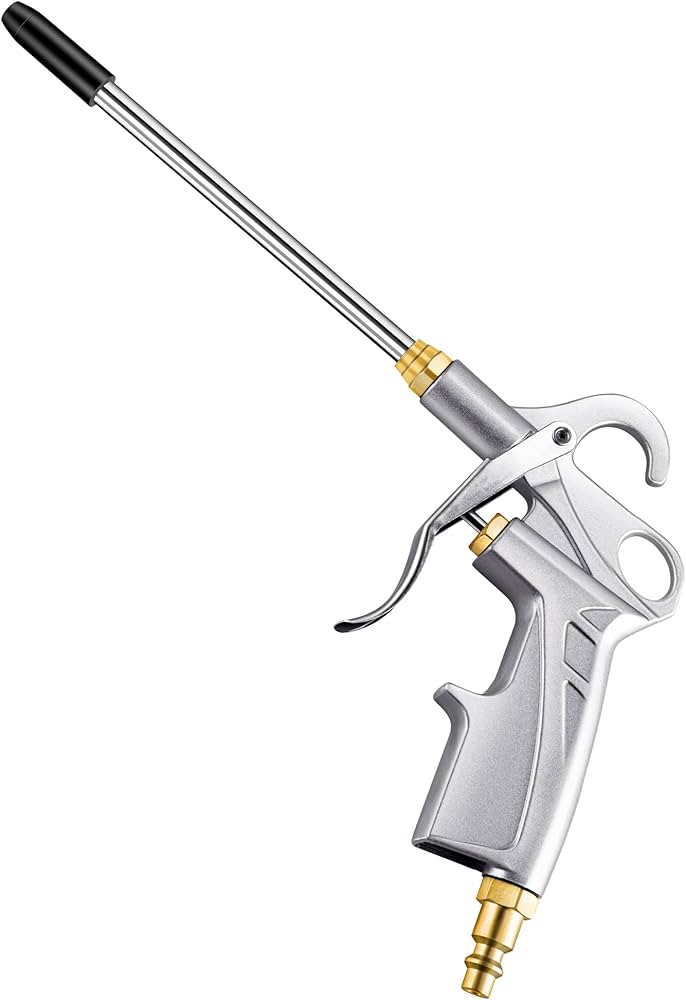
An air nozzle for an air compressor directs airflow to specific areas, enhancing efficiency. It helps in cleaning, drying, and inflating tasks.
Air nozzles are vital accessories for air compressors, serving various applications in both industrial and household settings. They help focus compressed air, making tasks like blowing dust off surfaces, inflating tires, or drying components quicker and more effective. Choosing the right nozzle can significantly enhance productivity and reduce air consumption.
With various types available, including adjustable and fixed nozzles, users can tailor their airflow needs. Understanding the specific application is crucial for selecting the most efficient nozzle, ensuring optimal performance. Proper use of air nozzles not only improves effectiveness but also extends the lifespan of your air compressor.
Introduction To Air Nozzles
Air nozzles are vital components for air compressors. They direct and control the flow of compressed air. This enhances the performance of various tools and tasks. Understanding air nozzles helps improve efficiency and productivity.
Essential Air Compressor Accessories
Air nozzles are part of essential accessories for air compressors. They come in different types and sizes. Here are some common types:
- Standard Nozzles
- Adjustable Nozzles
- Safety Nozzles
- Blow Gun Nozzles
Each type has unique features. Choosing the right nozzle is key for effective operation. Proper air nozzles help in:
- Reducing air consumption
- Improving tool performance
- Minimizing noise levels
Impact On Performance And Efficiency
Air nozzles significantly impact performance and efficiency. The right nozzle enhances air flow control. This leads to better results in various applications.
| Nozzle Type | Performance Benefit | Efficiency Gain |
|---|---|---|
| Standard Nozzle | Consistent air flow | Optimal air usage |
| Adjustable Nozzle | Variable air pressure | Customizable flow |
| Safety Nozzle | Reduced risk of injury | Safe operation |
| Blow Gun Nozzle | High air velocity | Fast drying and cleaning |
Proper air nozzle selection ensures maximum efficiency. This reduces energy costs and enhances productivity.
Types Of Air Nozzles
Understanding the types of air nozzles for air compressors is essential. Each type serves specific purposes. Choosing the right one enhances efficiency and performance.
Standard Nozzles
Standard nozzles are the most common type. They work well for general applications. These nozzles are simple and easy to use.
- Affordable and accessible
- Great for cleaning and drying
- Compatible with most air compressors
Standard nozzles typically have a circular opening. This design helps in directing airflow effectively. They are perfect for home and light industrial use.
High-efficiency Nozzles
High-efficiency nozzles maximize airflow while minimizing air consumption. They are designed for demanding tasks. These nozzles save energy and reduce costs.
- Increased airflow rates
- Reduces noise during operation
- Improves productivity
High-efficiency nozzles use advanced designs. They often feature a venturi shape. This shape allows for faster airflow.
Specialized Industrial Nozzles
Specialized industrial nozzles cater to specific needs. They are used in various industries for unique tasks. Examples include heavy-duty cleaning and blowing off debris.
| Nozzle Type | Application | Features |
|---|---|---|
| Blow-off Nozzle | Debris removal | High force, narrow opening |
| Safety Nozzle | Hazardous materials | Reduces risk of injury |
| Vacuum Nozzle | Dust collection | Combines suction and air |
These nozzles improve efficiency in tough environments. They often have custom designs to meet specific requirements.
Air Nozzle Materials
Choosing the right material for your air nozzle is crucial. Different materials offer various benefits. Understanding these materials helps improve performance and longevity.
Choosing The Right Material
Common materials for air nozzles include:
- Plastic – Lightweight and cost-effective. Ideal for low-pressure applications.
- Aluminum – Strong and resistant to corrosion. Suitable for medium-pressure tasks.
- Stainless Steel – Highly durable. Great for high-pressure uses.
- Brass – Offers good corrosion resistance. Best for specialized applications.
| Material | Weight | Corrosion Resistance | Best Use |
|---|---|---|---|
| Plastic | Light | Poor | Low-pressure |
| Aluminum | Medium | Good | Medium-pressure |
| Stainless Steel | Heavy | Excellent | High-pressure |
| Brass | Medium | Good | Specialized |
Durability And Longevity Concerns
Durability is key for air nozzles. The right material affects how long they last. Consider these factors:
- Application Type – Choose a material matching your use.
- Environmental Conditions – Use corrosion-resistant materials in harsh environments.
- Pressure Levels – High-pressure applications need strong materials.
Investing in quality materials pays off. It reduces maintenance and replacement costs. Ensure your choice aligns with your specific needs.
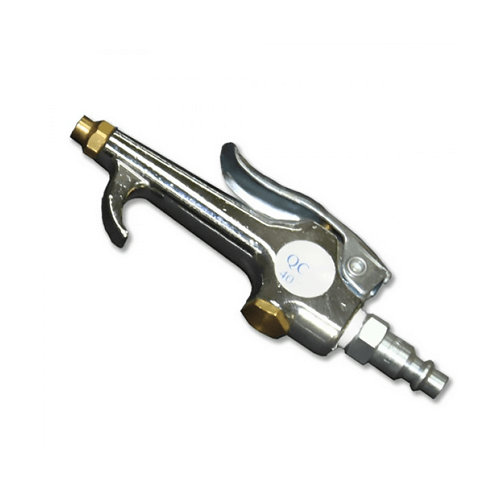
Credit: www.air-care.com
Design Features
The design features of an air nozzle for air compressors play a vital role. They enhance efficiency and functionality. Understanding these features helps users choose the right nozzle.
Nozzle Shape And Airflow
The shape of an air nozzle directly affects airflow. Different shapes create various air patterns. Here are common nozzle shapes:
- Round Nozzle: Focused airflow for precision tasks.
- Flat Nozzle: Wide airflow for large areas.
- V-Shaped Nozzle: Ideal for directing air in tight spaces.
Each shape serves a unique purpose. Choosing the right one improves task efficiency.
Adjustable And Fixed Nozzles
Air nozzles come in two types: adjustable and fixed. Each type has distinct benefits.
| Type | Benefits |
|---|---|
| Adjustable Nozzles |
|
| Fixed Nozzles |
|
Choosing between adjustable and fixed nozzles depends on your needs. Consider the tasks before making a decision.
Improving Air Compressor Efficiency
Enhancing air compressor efficiency is vital for performance and cost savings. A key component is the air nozzle. It can significantly influence how effectively air is delivered. Optimizing the airflow and reducing energy consumption are crucial steps.
Optimizing Air Flow
Optimizing air flow improves both performance and efficiency. An air nozzle regulates the direction and speed of the air. Here are some tips for optimization:
- Choose the right nozzle size.
- Ensure nozzles are clean and free from blockages.
- Align nozzles to target areas.
- Use adjustable nozzles for different tasks.
Proper airflow reduces pressure drop. This leads to more efficient air delivery. An effective nozzle design maximizes output and minimizes waste.
Energy Consumption Reduction
Reducing energy consumption is essential for cost efficiency. Air nozzles can help achieve this goal. Here are effective strategies:
- Use high-efficiency nozzles.
- Implement timers to control usage.
- Regularly maintain the air compressor.
High-efficiency nozzles consume less energy while delivering more air. Regular maintenance prevents energy loss from leaks or blockages. These actions lead to significant savings over time.
| Strategy | Benefit |
|---|---|
| High-efficiency nozzles | Lower energy costs |
| Timers | Reduce unnecessary usage |
| Regular maintenance | Prevent energy loss |

Credit: www.amazon.com
Installation Tips
Installing an air nozzle for your air compressor is crucial for efficiency. Proper installation ensures optimal performance and safety. Follow these tips for a smooth setup.
Step-by-step Guide
- Gather Your Tools: You will need a wrench, screwdriver, and safety goggles.
- Turn Off the Compressor: Always ensure the air compressor is off before starting.
- Remove the Old Nozzle: Use a wrench to unscrew the existing nozzle.
- Clean the Threads: Remove any debris or dust from the threads.
- Apply Thread Sealant: Use Teflon tape for a better seal.
- Install the New Nozzle: Screw the new nozzle tightly onto the compressor.
- Check for Leaks: Turn on the compressor and inspect for air leaks.
Common Mistakes To Avoid
- Ignoring Safety: Always wear protective gear.
- Over-tightening: Do not use excessive force; it can damage threads.
- Skipping the Sealant: Failing to use Teflon tape can lead to leaks.
- Not Checking Compatibility: Ensure the nozzle fits your compressor model.
- Neglecting Maintenance: Regularly check and clean the nozzle.
| Mistake | Consequence |
|---|---|
| Ignoring Safety | Injury risk during installation |
| Over-tightening | Damaged threads and air leaks |
| Skipping the Sealant | Increased chance of leaks |
| Not Checking Compatibility | Poor performance or damage |
| Neglecting Maintenance | Reduced efficiency over time |
Maintenance And Care
Proper maintenance and care for your air nozzle can extend its life. Regular upkeep ensures optimal performance and prevents costly repairs. Follow these guidelines for effective maintenance.
Routine Cleaning Procedures
Keeping your air nozzle clean is essential. Dust and debris can cause blockages. Here are simple steps for cleaning:
- Turn off the air compressor.
- Detach the air nozzle from the hose.
- Use a brush to remove dirt.
- Rinse with clean water.
- Dry completely before reattaching.
Repeat this cleaning every month. This prevents buildup and improves airflow.
Signs Of Wear And Replacement
Watch for signs of wear on your air nozzle. Early detection can save time and money. Look for these indicators:
- Cracks or chips on the nozzle surface
- Reduced airflow during use
- Strange noises while operating
- Visible rust or corrosion
If you notice any of these signs, consider replacing the nozzle. A new nozzle ensures efficient operation.
Case Studies
Case studies show how an Air Nozzle for Air Compressor can boost efficiency. They reveal real-life examples of performance improvements. Different nozzle types also impact results. Here are insights from various industries.
Real-world Efficiency Improvements
Many companies have reported significant efficiency gains after switching to advanced air nozzles. Below are some examples:
- Manufacturing Plant A: Improved air delivery reduced drying time by 30%.
- Automotive Workshop B: Increased cleaning speed by 50% with a new nozzle design.
- Textile Factory C: Lowered energy costs by 20% by optimizing nozzle placement.
These changes led to:
- Higher productivity levels.
- Reduced operational costs.
- Less wasted air and energy.
Comparative Analysis Of Nozzle Types
Different nozzle types offer varying advantages. Here’s a comparison:
| Nozzle Type | Benefits | Drawbacks |
|---|---|---|
| Standard Nozzle | Cost-effective and easy to use | Less efficient air flow |
| High-Efficiency Nozzle | Reduces air consumption | Higher initial cost |
| Adjustable Nozzle | Customizable air flow | Complex setup |
Choose the right nozzle type to maximize efficiency. Consider your specific needs and budget. Each type has unique strengths and weaknesses. Evaluating these will guide your decision.
Selecting The Right Nozzle For Your Needs
Choosing the correct air nozzle for your air compressor is vital. The right nozzle boosts efficiency and performance. It also enhances safety during operation.
Assessing Work Environment
Each work environment presents unique challenges. Consider these factors:
- Type of Work: Is it for cleaning, drying, or inflating?
- Air Pressure: What is the required PSI for tasks?
- Space Constraints: Is there limited room for maneuvering?
- Environmental Conditions: Is it wet, dusty, or hazardous?
Different nozzles perform better in specific conditions. For example, a narrow nozzle works well in tight spaces. A wide nozzle suits larger areas.
Balancing Cost And Performance
Finding a balance between cost and performance is crucial. Here are some tips:
| Factor | Low-Cost Nozzles | High-Performance Nozzles |
|---|---|---|
| Durability | May wear out quickly | Lasts longer under pressure |
| Efficiency | Lower air flow | Higher air flow |
| Versatility | Limited uses | Suitable for various tasks |
Invest in a nozzle that offers good performance. Cheaper options may save money upfront, but they often fail early.
Consider your budget. Sometimes, spending more now saves money later.
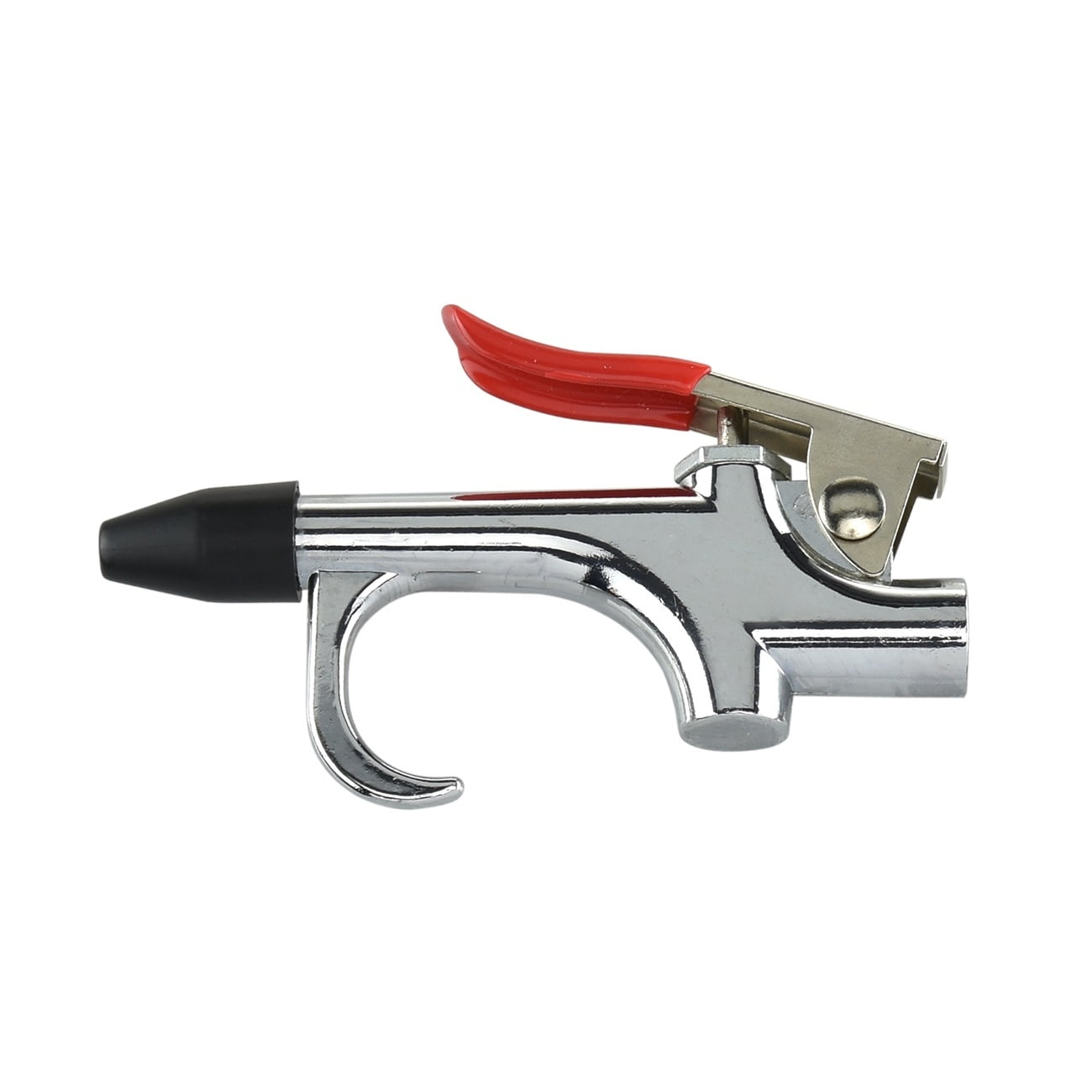
Credit: www.walmart.com
Future Innovations In Air Nozzle Technology
The air nozzle is evolving. New designs promise better performance. These innovations focus on efficiency, safety, and user convenience. Emerging technologies will reshape how we use air compressors.
Emerging Trends
Several trends are changing the air nozzle landscape:
- Smart Nozzles: Integrating sensors for real-time monitoring.
- Eco-Friendly Materials: Using recyclable and sustainable materials.
- Modular Designs: Allowing customization for different tasks.
- Advanced Coatings: Reducing wear and increasing longevity.
These trends lead to significant advancements. Smart nozzles will enhance precision. Eco-friendly materials will reduce environmental impact.
Potential For Further Efficiency Gains
Efficiency in air nozzles can improve in various ways:
| Innovation | Benefit |
|---|---|
| Variable Orifice Design | Adjusts flow rate for different tasks |
| Integrated Pressure Regulators | Maintains optimal pressure automatically |
| Noise-Reduction Features | Creates a quieter working environment |
| Energy Recovery Systems | Conserves energy during operation |
These innovations promise major efficiency gains. Users will benefit from lower energy costs. Enhanced performance will become the industry standard.
Investing in advanced air nozzle technology makes sense. It leads to better productivity and reduced waste. The future looks bright for air compressor users.
Frequently Asked Questions
What Is An Air Nozzle For An Air Compressor?
An air nozzle is a device used to control the flow of compressed air from an air compressor. It directs the air precisely for various applications, such as cleaning, inflating, or drying. Using the right nozzle enhances efficiency and saves energy while ensuring effective performance.
How Do I Choose The Right Air Nozzle?
Choosing the right air nozzle depends on your specific application. Consider factors like airflow requirements, pressure ratings, and the type of work you’ll be doing. Different nozzles offer various features, such as adjustable airflow or specialized shapes, to meet different needs effectively.
Can I Use Any Nozzle With My Air Compressor?
Not all nozzles are compatible with every air compressor. It’s crucial to match the nozzle size and type to your compressor’s specifications. Using an incompatible nozzle may lead to reduced efficiency, increased wear, or even damage to the compressor.
How Do I Clean My Air Nozzle?
Cleaning your air nozzle is simple and essential for optimal performance. Begin by removing the nozzle from the air compressor. Use compressed air or a soft brush to clear any debris or buildup. Regular maintenance ensures consistent airflow and prolongs the nozzle’s lifespan.
Conclusion
Choosing the right air nozzle for your air compressor can enhance efficiency. It ensures optimal airflow and minimizes energy waste. Consider factors like size, type, and application for the best results. Investing in a quality air nozzle will improve your projects and extend your compressor’s lifespan.
Make an informed choice today!