
A very quiet air compressor operates at lower decibel levels, making it suitable for indoor use. These compressors minimize noise without sacrificing performance, providing a peaceful working environment.
Quiet air compressors are essential for various tasks, from inflating tires to powering tools. Noise levels can be a significant concern, especially in residential areas or workplaces where silence is valued. A very quiet air compressor allows users to work without disturbing others or feeling overwhelmed by loud machinery.
These models typically feature advanced technology, which reduces vibration and sound. They are ideal for artists, DIY enthusiasts, and professionals who require a peaceful atmosphere. Investing in a quiet air compressor enhances productivity while maintaining comfort, proving that efficiency doesn’t have to come at the expense of tranquility.

Credit: www.harborfreight.com
The Quest For Silence
The search for quiet tools is growing. Many people want powerful tools that don’t disturb the peace. Very quiet air compressors are becoming popular for this reason. They combine efficiency with low noise levels. This is perfect for home projects or workshops.
Noise Levels In Traditional Compressors
Traditional air compressors can be very loud. Their noise levels can reach up to 90 decibels. This can be annoying and harmful to hearing over time. Here’s a quick comparison:
| Compressor Type | Noise Level (Decibels) |
|---|---|
| Traditional Compressor | 80 – 90 dB |
| Very Quiet Compressor | 50 – 60 dB |
Choosing a quieter compressor can make a big difference. It helps maintain a calm environment while working.
Importance Of Low Noise In Diy Projects
Low noise levels matter in DIY projects. Here are a few reasons:
- Comfort: A quiet compressor makes work enjoyable.
- Focus: Less noise helps you concentrate better.
- Neighborhood Relations: It’s kinder to neighbors.
Using a very quiet air compressor is smart for:
- Indoor projects like painting.
- Working late without disturbing others.
- Hobbies that need precision and focus.
Investing in a very quiet air compressor enhances your DIY experience. It allows you to work freely without distractions.
Decibels Decoded
Understanding noise levels is key for choosing a very quiet air compressor. Decibels (dB) measure sound intensity. A lower dB rating means a quieter machine. This section breaks down how to interpret these ratings.
Understanding Noise Ratings
Noise ratings help compare different air compressors. Here’s a quick guide to common dB levels:
| Decibel Level (dB) | Sound Example |
|---|---|
| 30 dB | Whisper |
| 40 dB | Quiet Library |
| 50 dB | Normal Conversation |
| 70 dB | Vacuum Cleaner |
For a very quiet air compressor, look for models under 60 dB. These are suitable for home use or quiet environments.
Comparing Sound Intensity
Understanding how sound intensity works is essential. Here’s how to compare:
- Every increase of 10 dB means the sound is 10 times louder.
- For example, a 60 dB compressor sounds 10 times louder than a 50 dB one.
- Consider your environment:
- Home office
- Workshop
- Garage
Choose a compressor that fits your noise tolerance. Remember, a quieter model leads to a more pleasant experience.
Key Features Of Quiet Air Compressors
Quiet air compressors have unique features that minimize noise. These features make them ideal for home use and workshops. Let’s explore the key elements that contribute to their quiet operation.
Sound Dampening Materials
Sound dampening materials play a vital role in reducing noise levels. Manufacturers use these materials to absorb vibrations. Here are some common sound dampening materials:
- Acoustic Foam: Soft foam absorbs sound waves.
- Rubber Mounts: These prevent vibrations from spreading.
- Insulated Housings: Thick casings reduce external noise.
These materials work together to create a quieter environment. Users can enjoy the benefits without disruptive sounds.
Low Rpm Motors
Low RPM motors are another key feature of quiet air compressors. These motors run at lower speeds. This reduces noise production significantly. Here are some advantages of low RPM motors:
- Less Noise: Lower speeds mean quieter operation.
- Energy Efficiency: They consume less power.
- Longer Lifespan: Slower speeds reduce wear and tear.
Low RPM motors ensure efficient performance. They help maintain a peaceful workspace.
Top Picks For The Diy Enthusiast
For DIY enthusiasts, a very quiet air compressor is essential. These models provide power without noise. They make projects enjoyable without disturbing the peace.
Compact Models
Compact air compressors are perfect for small spaces. They are lightweight and easy to store. Here are some top compact picks:
- California Air Tools 1P1060S – 1.0 HP, 56 dB
- DEWALT DWFP55126 – 6 Gallon, 75.5 dB
- PORTER-CABLE C2002-WK – 6 Gallon, 82 dB
These models combine performance with quiet operation. Ideal for indoor tasks, they provide excellent portability.
Efficiency Meets Silence
Efficiency is key for any DIY project. Here are some features to look for:
| Feature | Importance |
|---|---|
| Low Decibel Rating | Minimizes noise |
| Oil-Free Pump | Less maintenance needed |
| Portability | Easy to move around |
Look for these features in a quiet air compressor. They ensure efficiency while keeping noise levels low.
With these top picks, DIY projects become more enjoyable. Choose a model that fits your needs. Enjoy the silence while getting the job done!
Installation Tips For Maximum Quietude
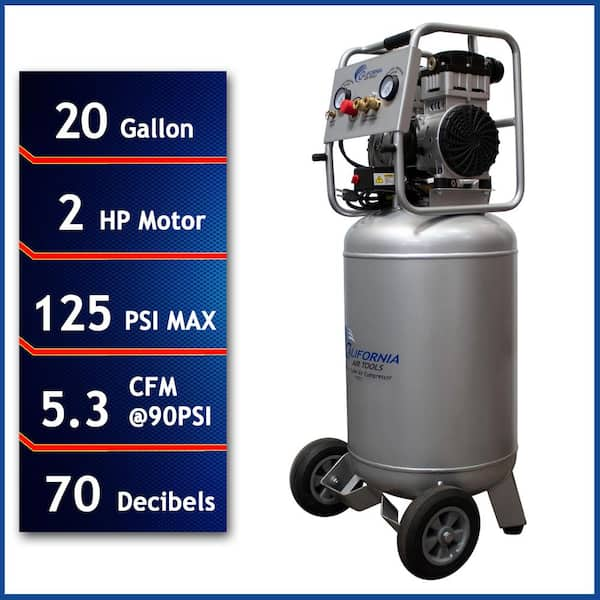
Installing a very quiet air compressor can significantly reduce noise levels. Proper installation enhances performance and keeps your space serene. Follow these tips for optimal quietude.
Strategic Placement
Choosing the right location for your air compressor is vital. A well-placed unit reduces noise and vibration. Consider these points:
- Keep the compressor away from living areas.
- Install it in a soundproof room or shed.
- Position it on a flat, stable surface.
Use barriers like walls or fences to block sound. Ensure proper ventilation to prevent overheating. A well-ventilated area also enhances performance.
Vibration Control Tactics
Vibration can increase noise levels. Implementing vibration control tactics is essential. Here are some effective methods:
- Use rubber mats to absorb vibrations.
- Install isolation pads under the compressor.
- Secure all hoses and connections tightly.
Ensure the compressor is level. An uneven surface can cause extra vibrations. Regularly check and maintain your compressor for best results.
| Vibration Control Method | Benefits |
|---|---|
| Rubber Mats | Reduces noise and absorbs shock |
| Isolation Pads | Minimizes vibration transfer |
| Tight Connections | Prevents rattling and reduces noise |
Implement these strategies for a quieter air compressor. Enjoy a peaceful environment while benefiting from efficient air compression.
Credit: www.homedepot.com
Maintenance For Sustained Hush
Keeping your very quiet air compressor in top shape ensures it runs smoothly. Regular maintenance helps maintain its low noise levels. Follow these easy guidelines to keep your compressor whispering.
Regular Check-ups
Performing regular check-ups is essential for your air compressor. Schedule these check-ups:
- Every 3 months for light use
- Every month for heavy use
During check-ups, inspect:
- The oil level
- Filters for dirt and debris
- Connections and hoses for leaks
Clean or replace filters as needed. This ensures optimal air flow and quiet operation.
Replacing Worn Components
Worn components can lead to increased noise. Identify and replace them promptly. Common components to check include:
| Component | Signs of Wear |
|---|---|
| V-belts | Cracks or fraying |
| Oil filters | Clogged or dirty |
| Air intake filters | Dirt accumulation |
Replace these components based on your findings. This maintains low noise levels and efficient performance.
Creative Uses For Quiet Compressors
Quiet air compressors offer versatility for various projects. Their low noise levels make them perfect for indoor tasks. Here are some creative uses for these handy tools.
Indoor Diy Projects
Quiet compressors excel in indoor DIY projects. They make tasks easier without disturbing anyone. Here are some ways to use them:
- Painting: Use a spray gun for smooth finishes.
- Inflating: Perfect for balloons or sports equipment.
- Nail Guns: Speed up woodworking tasks effortlessly.
- Air Brushing: Create detailed artwork and crafts.
These projects benefit from the quiet operation. You can work on them at any hour. The low noise allows for a relaxed atmosphere.
Late Night Work Sessions
Quiet compressors are ideal for late-night work sessions. Their noise-free operation lets you work without interruption. Here’s how they shine during these hours:
- Home Repairs: Fix squeaky doors or leaky faucets.
- Hobby Projects: Complete model building or crafting.
- Automotive Work: Use air tools for car maintenance.
- Photography: Inflate props for shoots without noise.
Embrace the convenience of a quiet compressor. Complete your projects without waking the household. Enjoy creativity at any time of day or night.

Credit: eatoncompressor.com
Future Of Air Compressors In Diy
The future of air compressors in DIY projects looks bright. Technological innovations make these tools more efficient and user-friendly. Quieter models gain popularity among hobbyists and professionals alike.
Technological Advancements
Air compressors are evolving rapidly. New technologies enhance performance and usability. Here are some key advancements:
- Smart Technology: Many models now feature digital controls.
- Energy Efficiency: Improved motors reduce electricity use.
- Portable Designs: Lightweight options make transport easier.
- Multi-Functionality: Some compressors serve multiple purposes.
These advancements lead to better performance. Users can accomplish more tasks with less effort. Efficiency and convenience are the main goals.
The Move Towards Quieter Tools
Noise levels are a major concern for DIY enthusiasts. Quiet air compressors address this issue effectively. Here’s why quieter tools are essential:
| Benefit | Description |
|---|---|
| Reduced Noise Pollution | Helps maintain a peaceful environment. |
| Improved Comfort | Less noise means a more enjoyable work experience. |
| Versatility | Quieter tools can be used in various settings. |
Many manufacturers focus on creating silent models. Users appreciate the blend of power and quietness. This trend will continue to grow in the DIY community.
Frequently Asked Questions
What Is A Very Quiet Air Compressor?
A very quiet air compressor is designed to operate at low noise levels, typically under 60 decibels. This makes it ideal for indoor use and in noise-sensitive environments. Many models feature sound-dampening technology, ensuring efficient performance without disturbing your peace.
How Does A Quiet Air Compressor Work?
A quiet air compressor works by using advanced engineering to minimize sound production. It often employs soundproofing materials and efficient motor designs. This allows it to generate compressed air while significantly reducing noise output, making it suitable for various applications, including woodworking and home repairs.
What Are The Benefits Of Using A Quiet Air Compressor?
Using a quiet air compressor offers several advantages. It minimizes noise pollution, making it ideal for residential areas. Additionally, it can enhance comfort during long work hours and reduce the risk of hearing damage. These compressors also promote a peaceful work environment without compromising performance.
Where Can I Use A Quiet Air Compressor?
You can use a quiet air compressor in various settings, including homes, workshops, and studios. They are perfect for indoor tasks like inflating tires, powering pneumatic tools, and crafting. Their low noise levels make them suitable for residential neighborhoods and noise-sensitive environments.
Conclusion
Choosing a very quiet air compressor can significantly enhance your workspace. These models operate with minimal noise, allowing for a more pleasant environment. With various options available, finding the right one to meet your needs is essential. Enjoy the benefits of efficiency without the disruptive sound.
Invest wisely for a quieter experience.