
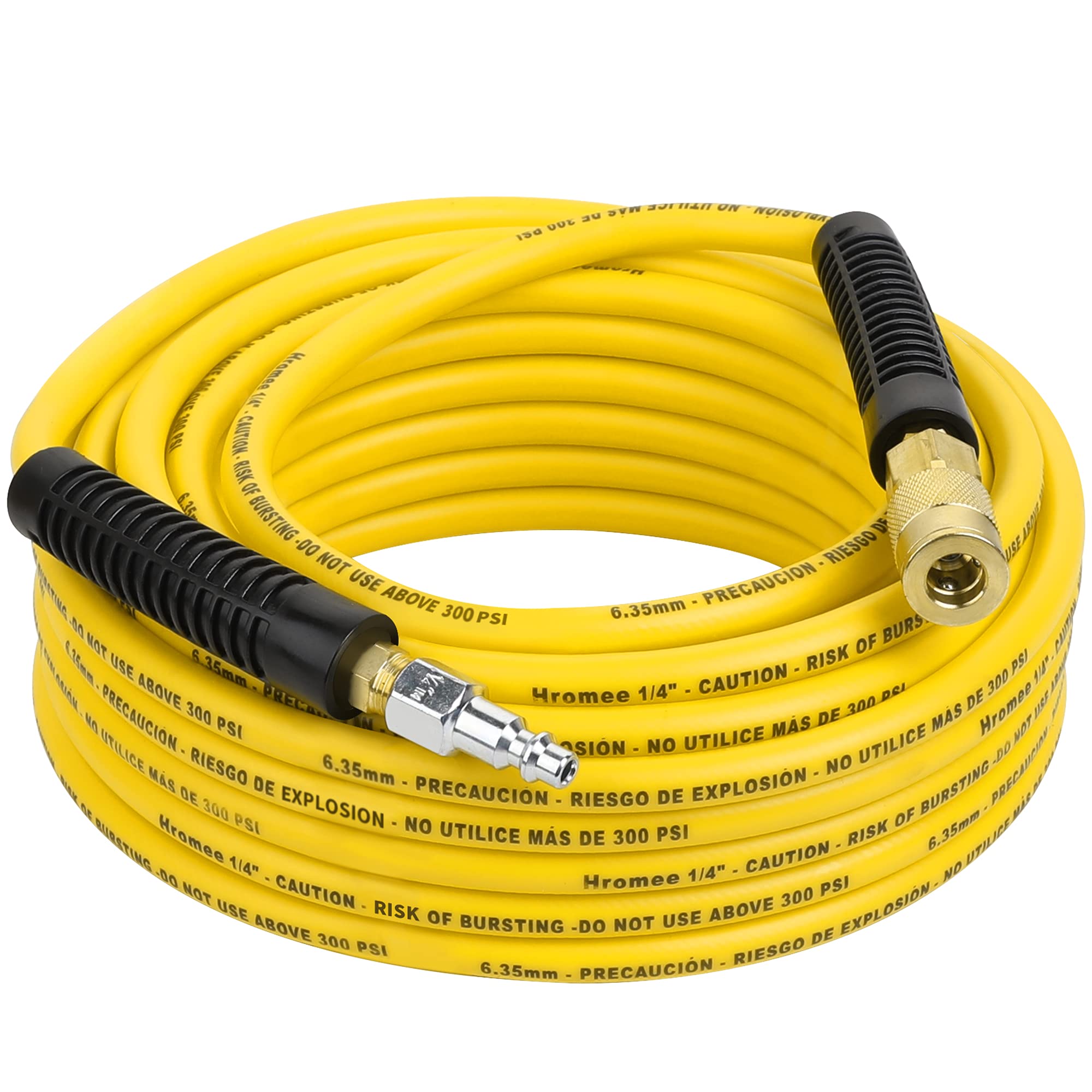
An air compressor is a device that converts power into potential energy stored as pressurized air. A hose connects the compressor to tools or equipment, delivering the compressed air.
Air compressors are essential tools in various industries and DIY projects. They power tools like nail guns, spray guns, and impact wrenches, making tasks easier and more efficient. The right air hose is crucial for optimal performance, as it affects air pressure and flow.
Selecting the right size and material enhances durability and flexibility. Understanding the relationship between air compressors and hoses can significantly improve your workflow. Whether you’re a professional or a hobbyist, knowing how to choose and maintain your equipment ensures you achieve the best results in your projects.
Credit: compressor-source.com
The Role Of Air Compressors In Diy
Air compressors are essential tools for DIY enthusiasts. They provide power for various projects. Understanding their role helps you maximize efficiency.
Pneumatic Power For Home Projects
Air compressors deliver pneumatic power to many tools. This makes them perfect for home projects. Here are some benefits:
- Efficient operation of pneumatic tools
- Increased speed in completing tasks
- Less fatigue compared to manual tools
Pneumatic tools include:
- Air nailers
- Spray guns
- Impact wrenches
Using these tools can transform your DIY experience. They make tasks easier and faster.
Versatility Of Air Compressors
Air compressors are highly versatile. You can use them for various tasks:
| Task | Tool |
|---|---|
| Inflating tires | Air compressor with hose |
| Painting | Spray gun |
| Cleansing | Air blower |
| Fastening | Air nailer |
The range of applications makes them valuable. With an air compressor, you can tackle many projects effectively.
Selecting The Right Air Compressor
Selecting the right air compressor is crucial for your projects. The right choice ensures efficiency and performance. Various types of compressors meet different needs. Understanding these types helps you make a better decision.
Types Of Air Compressors
Air compressors come in several types. Each type serves unique purposes. Here are the most common types:
- Reciprocating Compressors: Great for small tasks.
- Rotary Screw Compressors: Ideal for continuous use.
- Centrifugal Compressors: Best for large-scale operations.
- Portable Compressors: Easy to move and use anywhere.
Each type has specific features. Assess your needs before choosing.
Key Specifications To Consider
Consider these key specifications while selecting an air compressor:
| Specification | Description |
|---|---|
| CFM (Cubic Feet per Minute) | Measures airflow. Higher CFM supports more tools. |
| PSI (Pounds per Square Inch) | Indicates pressure. Higher PSI is better for heavy tasks. |
| Tank Size | Larger tanks store more air. This reduces the need for frequent refills. |
| Power Source | Electric or gas. Choose based on your work environment. |
Understanding these specifications helps you choose wisely. Match your needs with the compressor’s capabilities.
Understanding Air Hose Options
Choosing the right air hose can enhance your air compressor’s performance. Different options exist based on material, length, and diameter. Knowing these factors helps you make the best choice.
Materials And Durability
The material of an air hose affects its lifespan and efficiency. Common materials include:
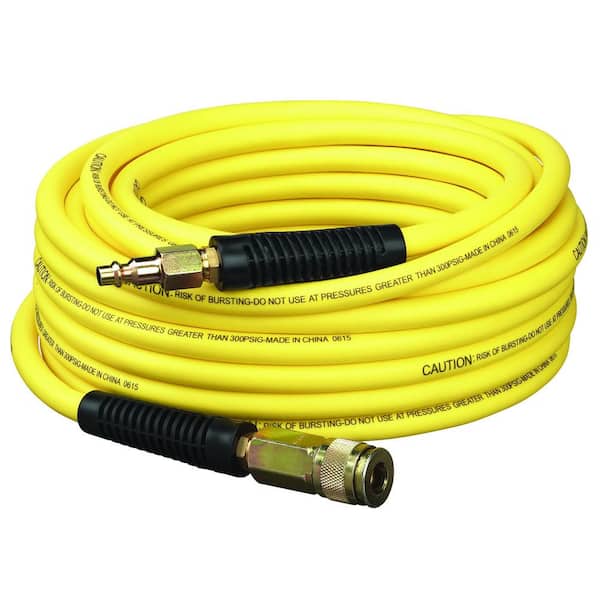
- Rubber: Flexible, durable, and withstands high pressure.
- PVC: Lightweight and resistant to weather but less durable.
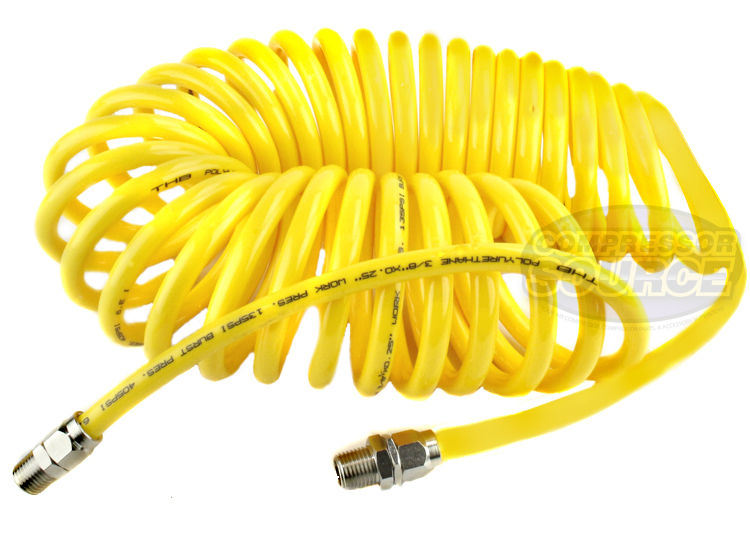
- Polyurethane: Extremely flexible and abrasion-resistant.
Choose a material based on your needs. For heavy-duty tasks, rubber is ideal. For light tasks, PVC or polyurethane works well.
Hose Length And Diameter
Length and diameter impact air flow and tool performance. Consider these points:
| Length | Effect |
|---|---|
| Short (25 ft) | Less pressure drop, better power. |
| Medium (50 ft) | Good balance between reach and performance. |
| Long (100 ft) | More pressure drop, reduced power. |
Diameter also matters. Larger diameters allow more air flow. Standard sizes are:
- 1/4 inch: For small tools.
- 3/8 inch: For medium tasks.
- 1/2 inch: For heavy machinery.
Choose the right length and diameter for your tasks. This ensures efficient air delivery and optimal performance.
Credit: www.homedepot.com
Connecting Your Air Hose
Connecting your air hose properly is essential for effective performance. A secure connection ensures the air compressor works efficiently. Proper fittings help prevent leaks and maintain optimal pressure.
Fittings And Connectors
Choosing the right fittings and connectors is crucial. Several types are available, including:
- Quick-connect fittings
- Barbed fittings
- Threaded fittings
Each type serves a different purpose:
| Fitting Type | Use Case |
|---|---|
| Quick-connect fittings | Easy to connect and disconnect |
| Barbed fittings | Secure connection for rubber hoses |
| Threaded fittings | Permanent connections with sealing tape |
Securing A Leak-free Connection
To ensure a leak-free connection, follow these steps:
- Inspect the hose and fittings for damage.
- Clean the threads before connecting.
- Apply Teflon tape on threaded fittings.
- Tighten connections securely but avoid over-tightening.
Regularly check for leaks. Use soapy water to find small leaks. If bubbles form, replace the faulty part immediately.
Maintaining a leak-free connection improves performance and safety. It saves energy and reduces costs.
Maintenance Tips For Longevity
Keeping your air compressor and hose in top shape is crucial. Proper maintenance can extend their life. Regular care saves money and improves performance.
Regular Cleaning Routines
Cleaning your air compressor and hose regularly prevents buildup. Dirt and dust can cause damage over time.
- Disconnect the air compressor from power.
- Wipe the exterior with a damp cloth.
- Check the air filter. Clean or replace it as needed.
- Inspect hoses for cracks or wear. Clean with mild soap and water.
Establish a cleaning schedule. Monthly cleanings keep everything running smoothly.
Inspection And Replacement
Regular inspections help catch issues early. Look for signs of wear and tear on all parts.
| Component | Inspection Frequency | Replacement Tips |
|---|---|---|
| Air Filter | Monthly | Replace if dirty or damaged. |
| Hoses | Every Use | Replace if cracked or leaking. |
| Oil Level | Weekly | Top off or change as needed. |
Document all inspections and replacements. This helps track maintenance history.
Safety Considerations
Using an air compressor and hose safely is crucial. Proper practices protect you and those around you. Understanding safety measures can prevent accidents and injuries.
Proper Usage Techniques
Follow these usage techniques for safe operation:
- Read the user manual before operating the compressor.
- Inspect the air compressor and hose for damage.
- Ensure all connections are secure before use.
- Use the correct pressure settings for your tasks.
- Keep the compressor in a dry and well-ventilated area.
These techniques help prevent dangerous situations. Always operate the compressor in a safe environment.
Protective Gear And Precautions
Wearing protective gear is essential. Here are some recommended items:
| Protective Gear | Purpose |
|---|---|
| Safety Goggles | Protect eyes from debris and dust. |
| Ear Protection | Reduce noise exposure from the compressor. |
| Gloves | Provide grip and protect hands from cuts. |
| Dust Mask | Filter out harmful particles during use. |
Always follow these precautions:
- Keep children and pets away from the work area.
- Do not exceed the compressor’s pressure limits.
- Store hoses properly to avoid tripping hazards.
- Disconnect the power source when not in use.
These steps ensure a safer working environment. Prioritize safety to enjoy your air compressor’s benefits.
Popular Diy Projects With Air Tools
Air tools make DIY projects easier and faster. They are powerful and efficient. Here are two popular projects that showcase their capabilities.
Spray Painting Made Easy
Using an air compressor for spray painting saves time and effort. It provides an even coat and smooth finish. Here’s how to get started:
- Choose the right spray gun.
- Mix paint according to instructions.
- Set up your air compressor to the right pressure.
- Test the spray pattern on cardboard.
- Start painting in smooth, even strokes.
Benefits of spray painting with air tools:
| Benefit | Description |
|---|---|
| Speed | Covers large areas quickly. |
| Finish | Gives a professional look. |
| Control | Adjustable spray patterns for precision. |
Efficient Carpentry With Nail Guns
Nail guns are essential for carpentry projects. They drive nails quickly and accurately. Here’s how to use them effectively:
- Select the right nail gun for your project.
- Load nails according to the manufacturer’s guidelines.
- Adjust the depth setting for different materials.
- Hold the gun firmly and aim carefully.
- Pull the trigger to drive nails into place.
Why use a nail gun?
- Speed: Finish projects faster than with a hammer.
- Consistency: Ensure uniform nail placement.
- Less effort: Reduce fatigue on larger jobs.

Credit: www.amazon.com
Maximizing Your Air Compressor’s Potential
Air compressors are versatile tools. They can do much more than just inflate tires. Understanding how to maximize your air compressor’s potential is key. This section explores creative uses and expanding your tool collection.
Creative Uses For Air Compressors
Air compressors can serve many purposes. Here are some innovative ways to use them:
- Blowing Dust: Clean hard-to-reach places.
- Painting: Use with spray guns for a smooth finish.
- Cleaning: Remove debris from equipment and surfaces.
- Inflating: Quickly inflate sports equipment and pool toys.
- Powering Tools: Operate nail guns and air wrenches.
Expanding Your Tool Collection
Enhance your air compressor setup with additional tools. Adding more tools can make your compressor even more useful. Consider these options:
| Tool | Purpose |
|---|---|
| Nail Gun | Perfect for woodworking projects. |
| Spray Gun | Ideal for painting and finishing. |
| Air Ratchet | Quickly tighten or loosen bolts. |
| Sandblaster | Clean surfaces effectively. |
| Inflator | Inflate tires quickly and easily. |
Investing in these tools enhances your air compressor’s utility. Explore various attachments to suit your needs. This approach maximizes efficiency and productivity.
Frequently Asked Questions
What Is An Air Compressor Used For?
An air compressor is essential for powering various tools and equipment. It compresses air, allowing it to be stored and used later. This makes it perfect for applications like inflating tires, powering pneumatic tools, and painting. Understanding its uses helps you choose the right compressor for your needs.
How Do I Choose The Right Air Hose?
Choosing the right air hose involves considering length, diameter, and material. A longer hose offers flexibility, while a wider diameter reduces airflow restrictions. Additionally, materials like PVC or rubber affect durability and flexibility. Always match your hose specifications to your air compressor and tools for optimal performance.
Can I Use Any Hose With My Air Compressor?
Not all hoses are compatible with every air compressor. It’s crucial to match the hose size and pressure rating to your compressor’s specifications. Using an incompatible hose can lead to reduced efficiency or damage. Always consult the manufacturer’s guidelines to ensure safe and effective usage.
How Often Should I Maintain My Air Compressor?
Regular maintenance of your air compressor is vital for longevity. Check oil levels, clean air filters, and inspect hoses monthly. Additionally, drain moisture from the tank regularly to prevent rust. Following these maintenance practices will ensure your compressor runs efficiently and lasts longer.
Conclusion
Understanding air compressors and hoses can significantly improve your projects. Choosing the right equipment ensures efficiency and safety. Always consider the specifications and compatibility of your tools. Investing in quality products will enhance performance and longevity. With the right knowledge, you can optimize your air compressor experience effectively.
Happy compressing!