

An air compressor auto drain automatically removes moisture and condensate from the tank. This feature prevents rust and ensures optimal performance.
Air compressors play a vital role in various industries, providing compressed air for tools and machinery. Over time, moisture builds up in the tank, leading to potential damage and inefficiency. An auto drain system addresses this issue by automatically expelling excess water, ensuring the compressor runs smoothly.
This feature not only prolongs the lifespan of the compressor but also enhances productivity. Users benefit from reduced maintenance and improved air quality. Investing in an air compressor with an auto drain system can significantly enhance operational efficiency, making it a wise choice for both professionals and hobbyists alike. Keep your equipment in top shape with this essential feature.
Introduction To Air Compressor Auto Drains
Air compressor auto drains are essential tools for maintaining air systems. They remove moisture and contaminants automatically. This process helps keep your compressor running efficiently. Regular maintenance is crucial for optimal performance.
Significance Of Auto Drain Maintenance
Maintaining auto drains is vital for several reasons:
- Prevents Rust: Moisture can cause rust in air tanks.
- Improves Efficiency: Clean air systems operate better.
- Extends Lifespan: Regular maintenance increases equipment life.
- Reduces Downtime: Fewer breakdowns mean more productivity.
Neglecting auto drain maintenance can lead to costly repairs. It also affects the quality of the compressed air.
Types Of Auto Drains
There are several types of air compressor auto drains:
| Type | Description | Best For |
|---|---|---|
| Electronic Drains | Automatically open and close based on moisture levels. | High-end compressors |
| Pneumatic Drains | Use compressed air to flush out moisture. | Medium-duty applications |
| Manual Drains | Require user intervention to release moisture. | Budget-friendly solutions |
Choosing the right type depends on your needs. Each type offers unique benefits.
The Function Of Auto Drains
Auto drains are essential for maintaining air compressors. They remove moisture automatically. This helps keep your air system efficient and clean.
How Auto Drains Work
Auto drains operate through simple mechanisms. They use sensors to detect moisture levels in the air. When moisture builds up, the drain opens and releases it.
The process is automatic and requires no manual work. Here’s how it works:
- Sensor Activation: A sensor detects water accumulation.
- Drain Opening: The drain valve opens.
- Water Release: Water is expelled from the system.
This cycle repeats as needed, ensuring optimal performance.
Benefits Of Using Auto Drains
Auto drains offer numerous advantages for air compressor systems:
- Prevent Rust: Removing moisture prevents corrosion.
- Improve Efficiency: Dry air improves compressor performance.
- Reduce Downtime: Automatic operation reduces maintenance time.
- Enhance Longevity: Keeps components in better condition.
- Energy Savings: Efficient systems use less energy.
These benefits contribute to a more reliable air compressor system.
| Benefit | Description |
|---|---|
| Prevent Rust | Eliminates moisture that causes corrosion. |
| Improve Efficiency | Ensures dry air for better performance. |
| Reduce Downtime | Minimizes manual maintenance tasks. |
| Enhance Longevity | Keeps parts working longer and better. |
| Energy Savings | Lower energy costs with efficient operation. |
Selecting The Right Auto Drain
Choosing the best auto drain for your air compressor is crucial. It helps maintain performance and prevents damage. Here are key factors to consider.
Compatibility With Your Air Compressor
Ensure the auto drain matches your air compressor model. Check these points:
- Size: Fit the drain to your compressor’s dimensions.
- Pressure Rating: It must handle your compressor’s pressure.
- Connection Type: Match the drain’s connection with your compressor’s outlet.
Refer to the manufacturer’s specifications. This ensures smooth operation and longevity.
Manual Vs. Automatic Drains
Decide between a manual or automatic drain. Each has unique benefits:
| Type | Advantages | Disadvantages |
|---|---|---|
| Manual Drain |
|
|
| Automatic Drain |
|
|
Choose based on your needs and budget. Automatic drains save time. Manual drains save money.

Credit: m.youtube.com
Installation Tips
Installing an air compressor auto drain can enhance efficiency. Follow these tips for a smooth installation. Proper setup prevents leaks and ensures optimal performance.
Step-by-step Installation Process
- Gather Your Tools: Get a wrench, screwdriver, and Teflon tape.
- Locate the Drain Valve: Find the drain valve on your compressor.
- Attach the Auto Drain: Screw the auto drain onto the valve.
- Use Teflon Tape: Wrap Teflon tape around the threads for a tight seal.
- Connect the Drain Line: Attach the drain line to the auto drain.
- Test for Leaks: Turn on the compressor and check for leaks.
- Adjust Settings: Set the auto drain according to your needs.
Common Installation Mistakes
- Skipping Teflon Tape: Not using tape can cause leaks.
- Overtightening: Too tight can crack fittings.
- Incorrect Drain Line Angle: An improper angle can block drainage.
- Ignoring Manual Instructions: Always follow the manufacturer’s guidelines.
- Forgetting to Test: Testing ensures everything works correctly.
| Common Mistakes | Impact |
|---|---|
| Skipping Teflon Tape | Causes leaks |
| Overtightening | Can crack fittings |
| Incorrect Drain Line Angle | Blocks drainage |
| Ignoring Manual Instructions | Leads to incorrect setup |
| Forgetting to Test | May result in failures |
Regular Maintenance Procedures
Regular maintenance of your air compressor’s auto drain ensures optimal performance. It prevents issues that can lead to costly repairs. Simple procedures can extend the life of your equipment.
Cleaning The Auto Drain
Cleaning the auto drain is essential for efficient operation. Follow these steps:
- Turn off the air compressor.
- Disconnect the power supply.
- Remove the auto drain from the compressor.
- Use a soft brush to clean the drain.
- Rinse with clean water.
- Reinstall the auto drain securely.
Cleaning should occur every few months. This prevents dirt buildup and ensures proper drainage.
Checking For Leaks And Blockages
Inspecting for leaks and blockages is crucial. Regular checks keep your system running smoothly. Here’s how to do it:
- Examine all connections for leaks.
- Listen for hissing sounds, indicating leaks.
- Check the drainage line for blockages.
- Ensure the drain valve operates freely.
Use the following table for leak detection:
| Leak Type | Signs | Action |
|---|---|---|
| Air Leak | Hissing sound | Tighten or replace fittings |
| Water Leak | Visible moisture | Check seals and gaskets |
Perform these checks monthly. Keeping everything in good shape boosts efficiency.

Credit: www.amazon.com
Troubleshooting Common Issues
Air compressor auto drains can face various problems. Identifying these issues early helps maintain efficiency. Here are some common problems and solutions.
Auto Drain Fails To Open
When the auto drain fails to open, it can lead to moisture buildup. This can harm your air compressor. Here are some common causes:
- Power Supply Issues: Check if the auto drain is getting power.
- Clogged Drain Valve: Inspect for any blockages in the valve.
- Faulty Timer: Ensure the timer is functioning correctly.
To troubleshoot:
- Disconnect the power supply.
- Inspect wiring and connections.
- Clean the drain valve.
- Test the timer with a multimeter.
Excessive Moisture In The System
Excessive moisture can damage tools and equipment. It also reduces the air compressor’s efficiency. Common causes include:
- High Humidity: Environment may have too much moisture.
- Insufficient Drainage: Auto drain may not be functioning.
- Incorrect Settings: Check the pressure settings on your compressor.
To reduce moisture levels:
- Install a desiccant dryer.
- Adjust the compressor settings.
- Regularly maintain the auto drain.
Keep an eye on moisture levels. Regular checks prevent serious problems later.
Best Practices For Optimal Performance
To maintain your air compressor’s efficiency, follow these best practices. Proper care ensures long-lasting performance and reduced maintenance costs.
Setting The Correct Drainage Intervals
Regular drainage is crucial for optimal performance. Water buildup can damage your compressor. Here are tips to set your drainage intervals:
- Check the manufacturer’s recommendations.
- Consider the humidity levels in your area.
- Use automatic drain valves for convenience.
Typical drainage intervals are:
| Condition | Drainage Interval |
|---|---|
| Low Humidity | Every 8 hours |
| Moderate Humidity | Every 4 hours |
| High Humidity | Every 1 hour |
Ensuring Proper Air Flow
Proper air flow is vital for your compressor’s health. Restricted air flow can lead to overheating and inefficiency. Follow these steps to ensure good air flow:
- Keep the compressor clean and free from debris.
- Ensure all air intake filters are clear.
- Place the compressor in a well-ventilated area.
Regularly inspect your compressor for:
- Dirt and dust accumulation.
- Obstructed air intakes.
- Damaged or clogged filters.
Maintaining proper air flow enhances performance and prolongs equipment life.
Advanced Maintenance: Tips And Tricks
Maintaining your air compressor is essential for optimal performance. An auto drain system plays a crucial role in this process. Here are some tips and tricks to enhance your maintenance routine.
Upgrading Auto Drain Systems
Upgrading your auto drain system can significantly improve efficiency. Consider these options:
- Electronic Drains: These operate automatically and save time.
- Float Drains: Simple and effective for smaller systems.
- Timer Drains: Set intervals for draining water.
Choosing the right system can reduce maintenance efforts. Evaluate your compressor’s needs before upgrading.
Preventive Maintenance Schedules
Establishing a preventive maintenance schedule is vital. Regular checks can prevent major issues. Follow these steps:
- Inspect the auto drain system weekly.
- Change filters every three months.
- Check for leaks monthly.
- Drain the tank at least once a week.
Use the table below to track your maintenance tasks:
| Task | Frequency | Notes |
|---|---|---|
| Inspect Auto Drain | Weekly | Ensure it operates smoothly. |
| Change Filters | Every 3 Months | Use OEM filters for best results. |
| Check for Leaks | Monthly | Tighten connections if necessary. |
| Drain Tank | Weekly | Prevent moisture buildup. |
Sticking to this schedule keeps your compressor in top shape. Regular maintenance leads to longer equipment life.
Environmental Considerations
Air compressors play a vital role in many industries. They can also impact the environment. Understanding how to manage their waste is crucial. This section discusses responsible condensate disposal and energy efficiency in auto drains.
Disposing Of Condensate Responsibly
Condensate is a byproduct of compressed air. It often contains oil, water, and other pollutants. Disposing of it improperly can harm the environment. Here are some responsible disposal methods:
- Filtration Systems: Use filters to clean condensate.
- Separation Units: Separate oil from water effectively.
- Recycling: Recycle condensate for reuse.
- Proper Disposal: Dispose of hazardous waste through certified facilities.
Following these methods ensures safe disposal. It reduces environmental pollution and protects water sources.
Energy Efficiency And Auto Drains
Auto drains improve energy efficiency in air compressors. They automatically remove condensate without manual intervention. This leads to several benefits:
| Benefit | Description |
|---|---|
| Reduced Energy Costs | Minimizes air loss from manual drain systems. |
| Improved Performance | Keeps air systems clean and efficient. |
| Longer Equipment Life | Prevents moisture buildup and corrosion. |
Using auto drains enhances energy savings. It also supports sustainable practices in the industry. Efficient systems contribute to a healthier planet.
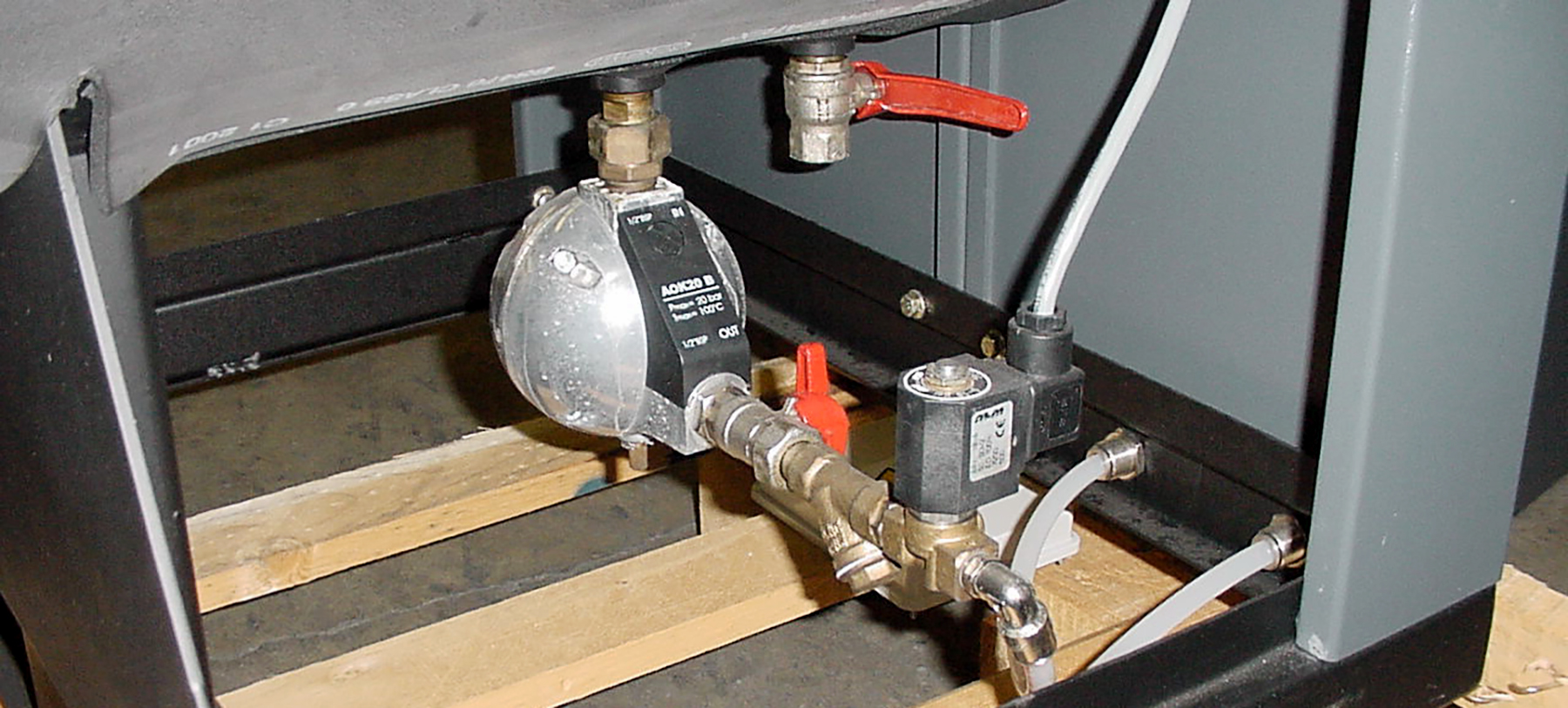
Credit: www.generalairproducts.com
Frequently Asked Questions
What Is An Air Compressor Auto Drain?
An air compressor auto drain is a device that automatically removes condensation from the compressor tank. This helps prevent water buildup, which can damage the compressor and affect performance. Using an auto drain ensures efficient operation and prolongs the lifespan of your air compressor.
How Does An Air Compressor Auto Drain Work?
An air compressor auto drain works by detecting moisture in the tank. Once it senses water accumulation, it opens a valve to release the excess water. This process usually occurs at set intervals or based on pressure levels, ensuring the tank remains clear of harmful condensation.
Why Do I Need An Auto Drain For My Compressor?
An auto drain is essential for maintaining the health of your air compressor. It prevents rust and corrosion caused by moisture buildup. Additionally, it improves efficiency and reduces the need for manual draining, saving you time and effort in maintenance.
Can I Install An Auto Drain Myself?
Yes, you can install an auto drain yourself with basic tools. Most auto drains come with installation instructions that are easy to follow. However, if you are unsure, consulting a professional can ensure proper installation and optimal performance.
Conclusion
An auto drain for air compressors enhances efficiency and prolongs equipment life. By automatically removing moisture, it prevents corrosion and ensures optimal performance. Investing in this technology is smart for both professionals and DIY enthusiasts. Embrace the benefits of an air compressor auto drain for a hassle-free experience and improved productivity.