

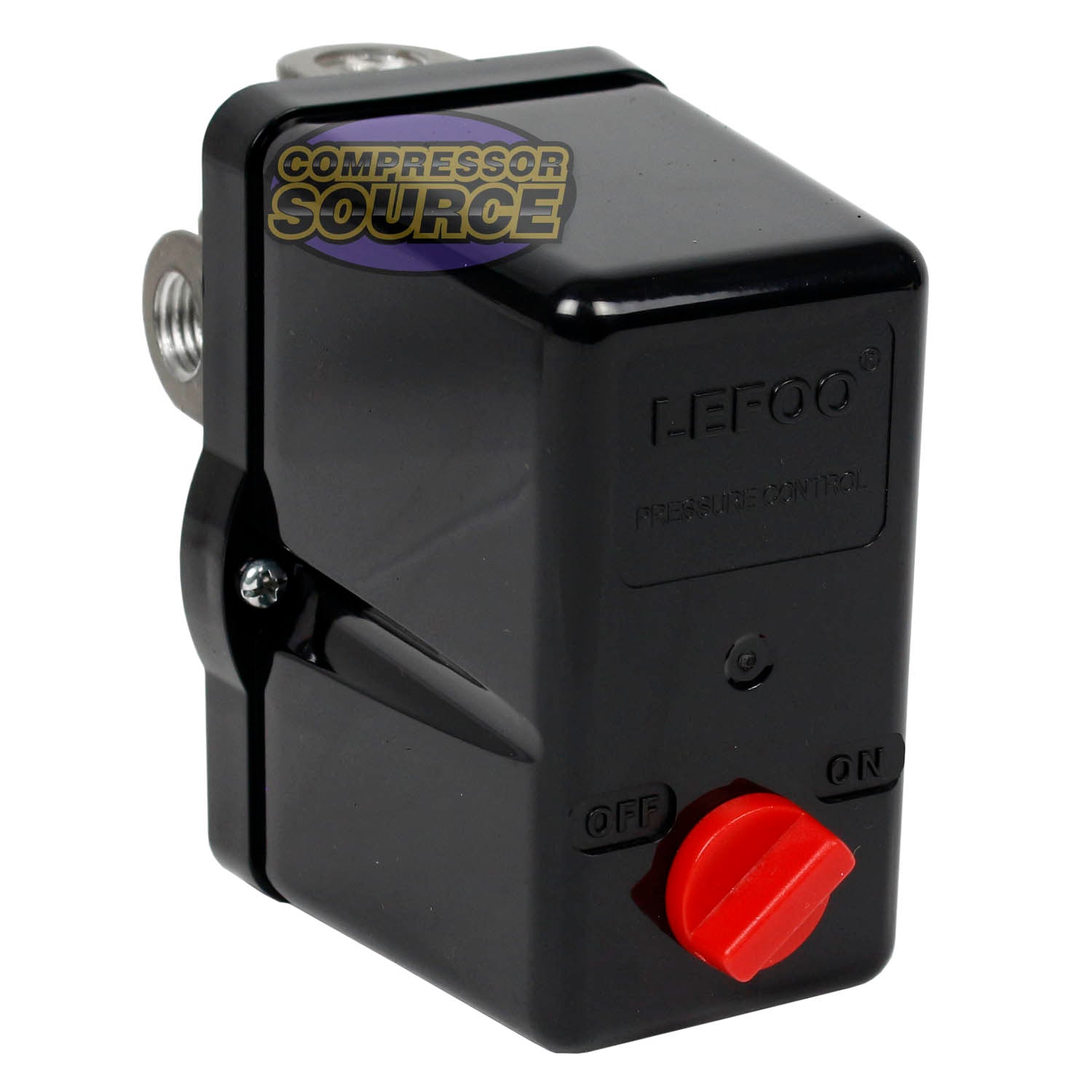
An air compressor pressure switch regulates the pressure within the compressor system. It turns the compressor on and off based on preset pressure levels.
Air compressor pressure switches play a crucial role in maintaining optimal pressure levels in various applications. These devices automatically control the compressor’s operation, ensuring efficient performance and preventing damage. By activating at a specific pressure, they help maintain the desired air supply while conserving energy.
Understanding how these switches work can enhance your knowledge of air compressors, leading to better maintenance and longevity of your equipment. This blog will delve into the functions, types, and troubleshooting tips for air compressor pressure switches, providing valuable insights for both beginners and experienced users alike. Discover how to optimize your air compressor system effectively.

Credit: www.amazon.com
Introduction To Air Compressor Pressure Switches
An air compressor pressure switch is essential for controlling air pressure. It regulates the compressor’s operation. This switch ensures the compressor runs efficiently. It protects the system from pressure issues. Understanding how it works helps in maintenance and efficiency.
Key Functions
The pressure switch performs several key functions:
- Pressure Regulation: It maintains the desired pressure level.
- Automatic Start/Stop: The switch turns the compressor on and off.
- Safety Mechanism: It prevents over-pressurization, protecting components.
- Monitoring: It provides readings for pressure levels.
Importance In Compressor Performance
The pressure switch impacts overall compressor performance significantly. Here are its main benefits:
- Efficiency: A well-functioning switch enhances energy efficiency.
- Longevity: It helps prolong the lifespan of the compressor.
- Consistent Pressure: It ensures stable air pressure for tools.
- Cost Savings: Improved efficiency reduces operational costs.
In summary, the air compressor pressure switch is vital. It ensures reliable performance and safety in air systems.

Credit: compressor-source.com
Types Of Pressure Switches
Understanding the types of pressure switches is vital for effective air compressor operation. These switches control the pressure levels within your system. They ensure the compressor runs efficiently and safely.
Mechanical Vs. Digital
Pressure switches can be categorized into two main types: mechanical and digital.
| Type | Description | Advantages |
|---|---|---|
| Mechanical | Uses physical components to detect pressure changes. |
|
| Digital | Utilizes electronic sensors for precise pressure readings. |
|
Single-stage Vs. Dual-stage
Pressure switches also differ in their stage configurations. Understanding these will help you choose the right one.
- Single-Stage:
- Engages at one pressure point.
- Ideal for basic compressors.
- Simple to install and operate.
- Dual-Stage:
- Operates at two pressure points.
- Offers better control over pressure changes.
- Suitable for complex applications.
Choosing between single-stage and dual-stage depends on your compressor needs.
How Pressure Switches Work
Understanding how pressure switches function is essential for efficient air compressor operation. These switches control the pressure levels within the compressor. They ensure the system runs safely and effectively.
Basic Operation Mechanism
The basic operation of a pressure switch is straightforward. It monitors air pressure in the compressor tank. Here’s how it works:
- The compressor builds up air pressure.
- The pressure switch senses the pressure level.
- When the pressure hits a preset level, the switch opens.
- This action stops the compressor from running.
- As air is used, pressure drops.
- Once the pressure falls below a certain point, the switch closes.
- This restart signal turns the compressor back on.
This cycle repeats, maintaining optimal pressure levels. The pressure switch acts like a gatekeeper for air flow.
Pressure Setting And Adjustment
Adjusting the pressure setting on a pressure switch is crucial for performance. Here are steps to do so:
- Turn off the air compressor.
- Locate the pressure switch. It’s usually near the motor.
- Find the adjustment screws. There are typically two:
- Cut-in Pressure: The pressure at which the compressor starts.
- Cut-out Pressure: The pressure at which the compressor stops.
- Use a screwdriver to adjust the screws.
- Turn clockwise to increase pressure.
- Turn counterclockwise to decrease pressure.
- Test the compressor after adjustments.
Always consult the manufacturer’s guidelines before making changes. Proper adjustments lead to better efficiency and lifespan of your compressor.
Credit: compressor-source.com
Installation Guidelines
Installing an air compressor pressure switch is crucial for efficient operation. Follow these guidelines to ensure proper setup and performance. The right tools and steps make installation easy and safe.
Tools And Materials Needed
- Wrench set
- Screwdriver
- Replacement pressure switch
- Teflon tape
- Safety goggles
- Work gloves
Step-by-step Installation Process
- Turn off the compressor. Disconnect it from the power source.
- Release air pressure. Open the drain valve to release any stored air.
- Remove the old switch. Use a wrench to unscrew it from the tank.
- Clean the threads. Ensure the threads on the tank are clean.
- Apply Teflon tape. Wrap tape around the threads of the new switch.
- Install the new switch. Screw it onto the tank tightly.
- Reconnect wires. Match the wires to their original positions.
- Check connections. Ensure all connections are secure and tight.
- Turn on the compressor. Restore power and check for leaks.
Follow these steps to ensure a smooth installation. Proper setup enhances the life of your air compressor.
Setting The Correct Pressure
Setting the correct pressure on your air compressor is crucial. It ensures safety and efficiency. Proper pressure settings can extend the life of your equipment.
Determining Optimal Pressure
Finding the optimal pressure involves knowing your specific needs. Different tasks require different pressure levels. Here are some common pressure ranges:
| Task | Recommended Pressure (PSI) |
|---|---|
| Tire Inflation | 30-35 PSI |
| Pneumatic Tools | 90-120 PSI |
| Painting | 15-30 PSI |
| Cleaning | 50-100 PSI |
Identify the task you will perform. Match it with the recommended pressure. This ensures optimal performance.
Adjusting Cut-in And Cut-out Settings
The cut-in and cut-out settings control compressor operation.
- Cut-In Pressure: The pressure at which the compressor starts.
- Cut-Out Pressure: The pressure at which the compressor stops.
To adjust these settings:
- Locate the pressure switch on your compressor.
- Find the adjustment screws. They are usually labeled.
- Turn the screw clockwise to increase pressure.
- Turn the screw counterclockwise to decrease pressure.
Always test after making adjustments. Ensure pressure levels meet your requirements. This simple step keeps your compressor running smoothly.
Troubleshooting Common Issues
Air compressor pressure switches control the compressor’s operation. Problems may arise, leading to inefficiencies. Identifying and fixing these issues is crucial for optimal performance.
Identifying Symptoms Of Failure
Recognizing symptoms helps in diagnosing the problem. Common signs include:
- Inconsistent Pressure: The compressor fails to maintain steady pressure.
- Frequent Cycling: The compressor turns on and off too often.
- Leakage: Air leaks around the pressure switch.
- Burning Smell: Overheating can indicate a problem.
Use this table to summarize the symptoms and possible causes:
| Symptom | Possible Cause |
|---|---|
| Inconsistent Pressure | Faulty pressure switch or leaks |
| Frequent Cycling | Incorrect pressure settings |
| Leakage | Worn out seals or connections |
| Burning Smell | Overheating due to electrical issues |
Diy Fixes Vs. Professional Repair
Deciding between DIY fixes and hiring a professional is crucial. Here are some guidelines:
- DIY Fixes:
- Check for leaks. Use soapy water to find bubbles.
- Adjust pressure settings on the switch.
- Clean the contacts of the pressure switch.
- Professional Repair:
- Complex electrical issues.
- Replacing damaged components.
- Comprehensive system evaluations.
Assess your skill level before attempting repairs. Safety should always come first.
Maintenance Best Practices
Proper maintenance of your air compressor pressure switch ensures optimal performance. Regular care prevents unexpected failures. Follow these best practices to extend the life of your equipment.
Regular Inspection And Cleaning
Inspect the pressure switch frequently. Look for signs of wear or damage.
- Check for loose connections.
- Examine the electrical contacts.
- Ensure no dirt or debris is present.
Cleaning the pressure switch is crucial. Use a soft brush or cloth to remove dust. Keep the area around the switch clear of obstructions.
Preventative Measures For Longevity
Implement these preventative measures to enhance durability:
- Use a surge protector to prevent electrical spikes.
- Monitor the operating pressure regularly.
- Replace the air filter as needed.
Consider maintaining a clean environment. Store the compressor in a dry place. Avoid exposure to extreme temperatures.
| Action | Frequency |
|---|---|
| Inspect pressure switch | Monthly |
| Clean air filter | Every 3 months |
| Check connections | Every 6 months |
By following these maintenance best practices, you ensure your air compressor runs smoothly. Regular attention keeps your pressure switch in top shape.
Upgrading Your Pressure Switch
Upgrading your air compressor’s pressure switch can enhance performance. A new switch can improve efficiency and reliability. Knowing when and how to upgrade is vital for optimal operation.
When To Consider An Upgrade
Recognizing the signs that you need a new pressure switch is essential. Here are key indicators:
- Frequent cycling: The compressor turns on and off too often.
- Inconsistent pressure: Pressure levels fluctuate widely.
- Old age: The switch is outdated and may fail.
- Leaks: Any signs of air leaks around the switch.
Choosing The Right Switch For Your Compressor
Selecting the correct pressure switch ensures compatibility and performance. Consider these factors:
- Pressure range: Match the switch’s range with your compressor’s needs.
- Type: Choose between manual, automatic, or dual pressure switches.
- Voltage rating: Ensure it matches your compressor’s electrical system.
- Quality: Opt for switches from reputable brands for durability.
| Feature | Importance |
|---|---|
| Pressure Range | Ensures compressor operates efficiently. |
| Type of Switch | Affects convenience and control. |
| Voltage Rating | Prevents electrical issues and failures. |
| Brand Quality | Ensures long-lasting performance and reliability. |
Legal And Safety Considerations
Air compressor pressure switches play a crucial role in ensuring safety. Understanding legal and safety regulations is essential. Compliance protects users from accidents and equipment damage.
Compliance With Industry Standards
Compliance with industry standards is vital for air compressor safety. Various organizations set guidelines for equipment use. Here are some key standards to consider:
- OSHA – Occupational Safety and Health Administration
- ANSI – American National Standards Institute
- ISO – International Organization for Standardization
- ASME – American Society of Mechanical Engineers
Each organization provides specific safety guidelines. Following these helps in maintaining compliance.
Ensuring Safe Operation
Safe operation of air compressors depends on proper use of pressure switches. Here are some safety tips:
- Regularly inspect the pressure switch for damage.
- Ensure proper installation according to the manufacturer’s instructions.
- Check electrical connections for wear and tear.
- Keep the area around the compressor clean and dry.
- Use appropriate safety gear during operation.
Implementing these practices lowers the risk of accidents. Always prioritize safety to protect yourself and others.
Frequently Asked Questions
What Is An Air Compressor Pressure Switch?
An air compressor pressure switch is a crucial component that regulates the air pressure within the tank. It activates the compressor when the pressure drops below a preset level and shuts it off when the desired pressure is reached. This ensures optimal performance and prevents over-pressurization.
How Does A Pressure Switch Work?
The pressure switch works by monitoring the air pressure in the tank. It uses a diaphragm that reacts to pressure changes. When the pressure falls below the set point, the switch closes, starting the compressor. Once the pressure reaches the cut-out level, the switch opens, stopping the compressor.
Why Is My Pressure Switch Malfunctioning?
A malfunctioning pressure switch can be caused by various issues, including dirt buildup, electrical problems, or a faulty diaphragm. Additionally, improper pressure settings can lead to erratic behavior. Regular maintenance and cleaning can often resolve these problems, ensuring reliable performance of your air compressor.
How To Adjust An Air Compressor Pressure Switch?
To adjust an air compressor pressure switch, locate the adjustment screws, usually labeled “cut-in” and “cut-out. ” Use a screwdriver to turn these screws carefully. Make small adjustments and test the compressor after each change. Always refer to the manufacturer’s manual for specific instructions.
Conclusion
Understanding the air compressor pressure switch is essential for optimal performance. Proper settings ensure efficiency and longevity of your equipment. Regular maintenance can prevent costly repairs. By choosing the right switch, you enhance your compressor’s reliability. Keep your projects running smoothly with the right knowledge and tools at hand.