
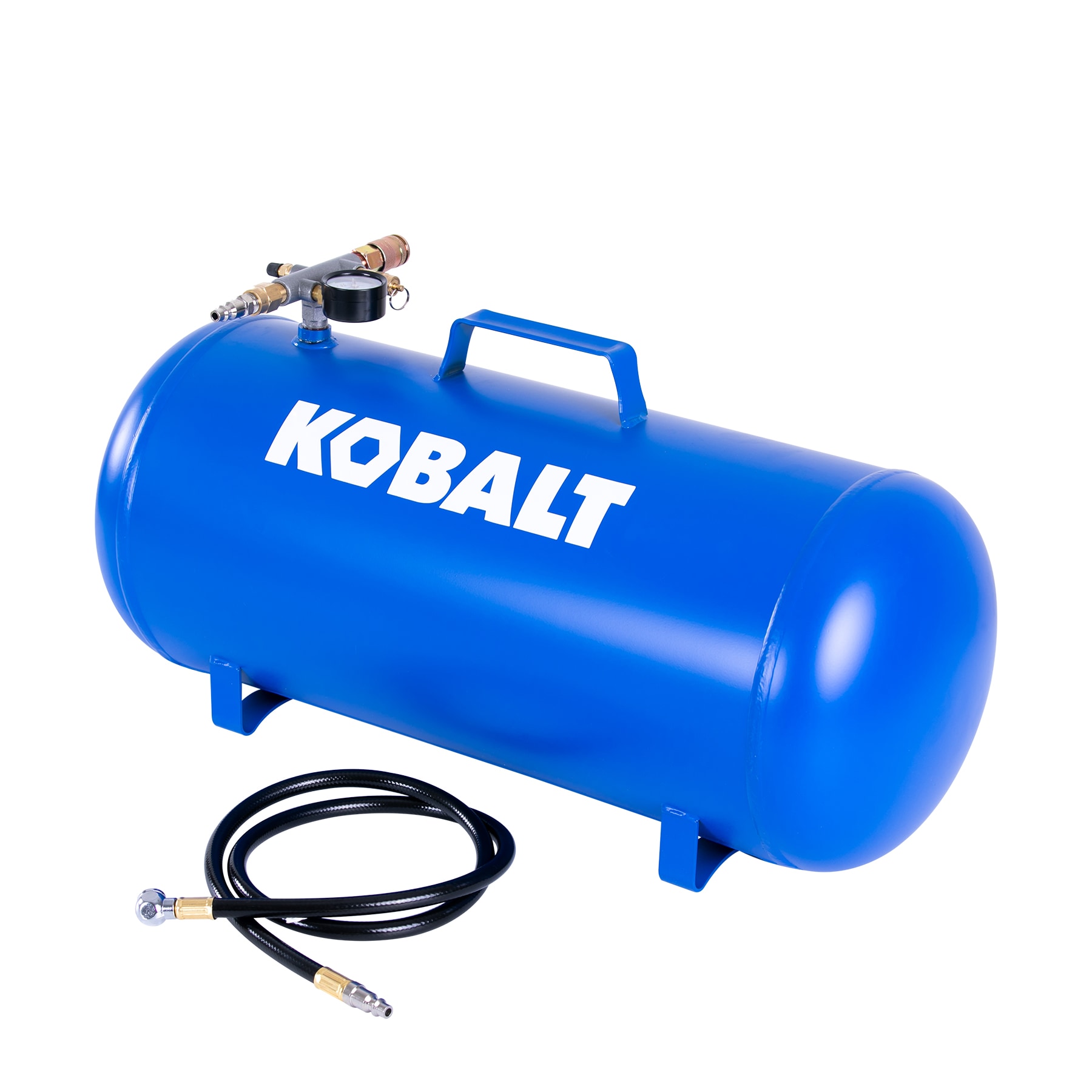
An air compressor air tank stores compressed air for various applications. It allows for consistent pressure and efficient operation of air tools.
Air compressor air tanks play a crucial role in many industries and DIY projects. They store compressed air, providing a reliable power source for pneumatic tools like nail guns, spray guns, and air wrenches. A well-sized air tank improves efficiency by minimizing the frequency of the compressor cycling on and off.
This not only prolongs the life of the compressor but also ensures a steady airflow for your tools. Understanding the right tank size and pressure settings helps users maximize performance. Whether for home use or professional applications, knowing your air tank is essential for getting the job done effectively.
Introduction To Air Compressor Tanks
Air compressor tanks play a crucial role in various applications. They store compressed air for later use. Understanding their function helps optimize performance. Let’s explore their significance and types.
The Role Of Air Tanks In Compressor Systems
Air tanks serve several important functions:
- Storage: They hold compressed air until needed.
- Pressure Regulation: They help maintain consistent pressure levels.
- Moisture Control: They reduce moisture buildup in air lines.
- System Efficiency: They enhance the overall efficiency of the compressor.
Without an air tank, compressors would run continuously. This increases wear and tear. Tanks allow compressors to cycle on and off, saving energy.
Types Of Air Tanks And Their Uses
Air tanks come in various shapes and sizes. Each type serves different purposes:
| Type of Air Tank | Description | Common Uses |
|---|---|---|
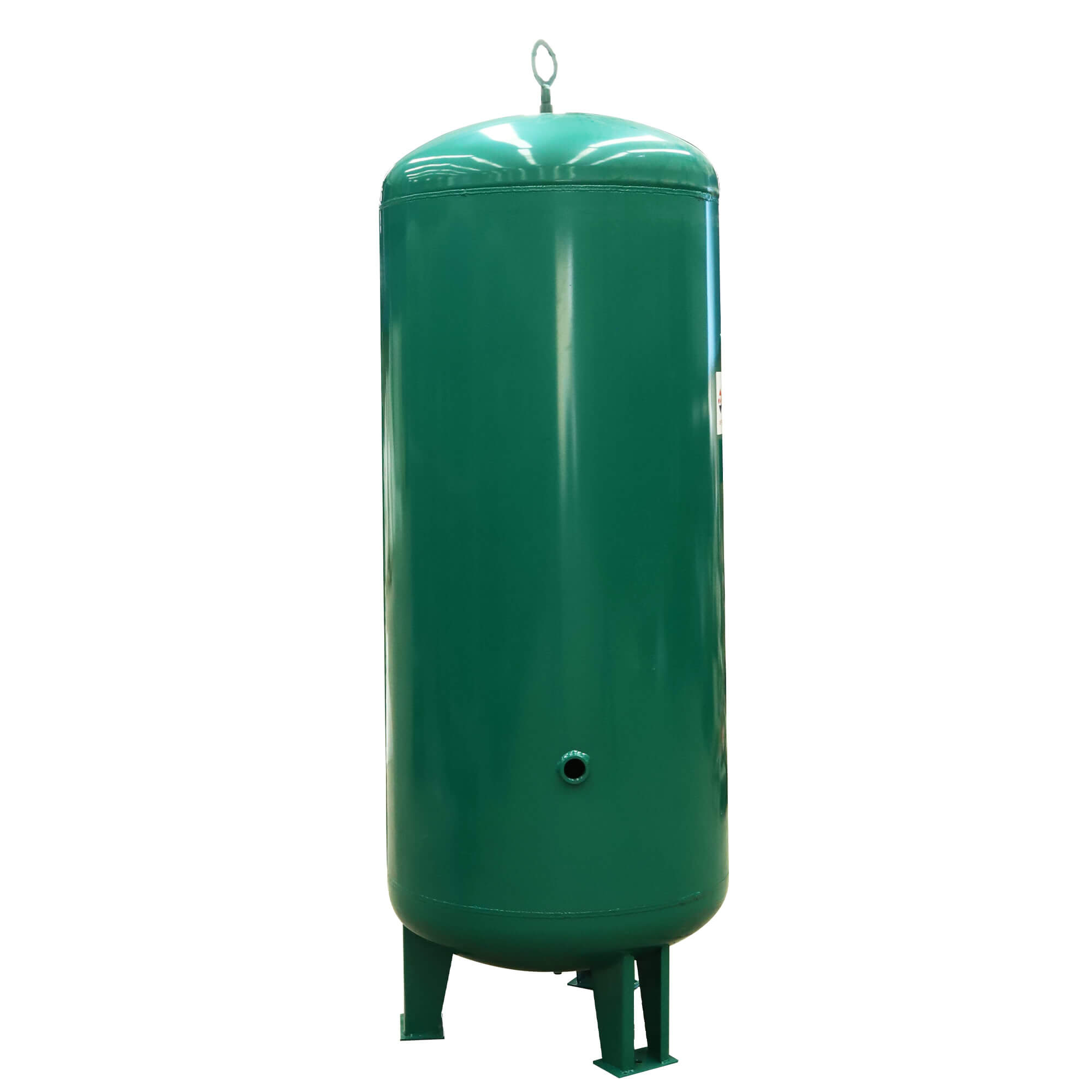
| Vertical Air Tanks | Space-saving design, stands upright. | Garage, workshops. |
| Horizontal Air Tanks | Wider base, more stable. | Industrial applications. |
| Portable Air Tanks | Lightweight, easy to move. | DIY projects, small tasks. |
| Receiver Tanks | Large tanks for high-demand systems. | Manufacturing, construction sites. |
Choosing the right air tank is vital. It depends on your specific needs. Consider the space, pressure requirements, and mobility.

Credit: www.harborfreight.com
Optimizing Air Tank Performance
Optimizing the performance of your air compressor air tank is crucial. A well-performing air tank enhances efficiency and prolongs the life of your compressor. Follow these best practices to get the most out of your air tank.
Proper Sizing For Your Needs
Choosing the right size air tank is essential. A tank that is too small may not store enough air. A tank that is too large can waste energy. Consider the following factors:
- Application: What tasks will you perform?
- Air Demand: How much air do you need at once?
- Compressor Output: What is your compressor’s output rating?
Here’s a simple table to help determine the right tank size:
| Application | Recommended Tank Size |
|---|---|
| Light Use (nail guns, etc.) | 1-2 gallons |
| Medium Use (spray painting) | 5-10 gallons |
| Heavy Use (sandblasting, etc.) | 20+ gallons |
Location And Installation Best Practices
Where you place your air tank affects its performance. Follow these installation best practices:
- Ventilation: Ensure good airflow around the tank.
- Level Surface: Install on a flat and stable surface.
- Avoid Heat Sources: Keep away from direct sunlight and heat.
Check these installation tips:
- Use proper fittings and connections.
- Secure the tank to prevent movement.
- Regularly inspect for leaks or damage.
Following these guidelines will help you maximize your air tank’s performance. Enjoy smoother operations and improved efficiency.
Maintenance For Longevity
Maintaining your air compressor air tank is essential. Regular care keeps it running longer. Proper maintenance prevents costly repairs and downtime.
Routine Inspection Checklist
- Check for leaks: Inspect hoses and connections.
- Inspect safety valve: Ensure it operates correctly.
- Examine drain valve: Clear any debris or buildup.
- Check pressure gauge: Ensure readings are accurate.
- Look for rust: Check the tank exterior and interior.
- Inspect electrical connections: Ensure there are no frayed wires.
Cleaning And Preventative Care
Cleaning your air tank prevents buildup and maintains efficiency. Follow these steps:
- Drain moisture: Open the drain valve regularly.
- Wipe the exterior: Use a damp cloth to remove dust.
- Clean air filters: Replace or clean as needed.
- Inspect oil levels: Change oil based on the manufacturer’s guide.
- Store properly: Keep the tank in a dry, cool place.
Regular maintenance enhances performance. It also extends the lifespan of your air compressor. Follow these guidelines to ensure longevity.
Credit: bjbeneair.com
Safety Considerations
Air compressors can be very useful. They provide power for many tools. Yet, safety is crucial when using them. Understanding how to handle air tanks protects you and others.
Understanding Pressure Ratings
Pressure ratings show how much air a tank can hold. They are important for safe operation. Here are some key points:
- PSI: Pounds per square inch, a measure of pressure.
- Check Ratings: Always check the manufacturer’s rating.
- Overpressure: Avoid exceeding the rated pressure. It can cause explosions.
Follow these steps to ensure safety:
- Read the manual before use.
- Regularly inspect the tank for damages.
- Replace any worn-out parts immediately.
Emergency Relief Systems
Emergency relief systems are vital for safety. They release excess pressure automatically. Here are some important features:
| Feature | Description |
|---|---|
| Relief Valve: | Releases pressure when it exceeds safe levels. |
| Safety Switch: | Shuts down the compressor if pressure is too high. |
| Regular Testing: | Ensure systems work properly through routine checks. |
Always test these systems regularly. They save lives and prevent damage. Proper maintenance is key to safe operation.
Energy Efficiency Tips
Improving the energy efficiency of your air compressor air tank can save money. Simple steps can significantly reduce energy waste. Here are some effective tips to enhance efficiency.
Leak Detection And Repair
Air leaks can waste a lot of energy. Regular checks are essential to find leaks. Follow these steps:
- Inspect hoses and fittings for wear.
- Use soapy water to check for bubbles.
- Listen for hissing sounds while the compressor runs.
Repair leaks immediately. Sealing them can enhance performance and save energy. Consider using:
- Pipe sealant for threaded joints.
- Rubber grommets for connecting points.
- Tape for small cracks or holes.
Regulating Pressure For energy savings
Maintaining the correct pressure is crucial. Set the pressure according to your tasks. Follow these guidelines:
- Adjust the regulator to match your tool requirements.
- Keep the pressure at the lowest needed level.
- Regularly monitor and adjust pressure settings.
Benefits of regulating pressure:
| Benefit | Impact on Efficiency |
|---|---|
| Reduced energy consumption | Lower utility bills |
| Less wear on the compressor | Longer equipment lifespan |
| Improved tool performance | Better results |
Following these tips will help you save energy and money.
Upgrading Your Air Tank
Upgrading your air compressor air tank can enhance performance. A larger tank holds more air. This leads to longer tool usage without interruptions. Knowing when to upgrade is essential for efficiency.
When To Upgrade
Recognizing the right time to upgrade is crucial. Here are some signs:
- Frequent cycling: The compressor turns on too often.
- Insufficient air supply: Tools lose power during use.
- Noise level: The compressor is louder than usual.
- Corrosion: Visible rust or damage on the tank.
Consider upgrading if you notice any of these issues.
Choosing The Right Replacement
Selecting the right replacement air tank is vital. Consider the following factors:
| Factor | Description |
|---|---|
| Size | Choose a tank that fits your needs. |
| Material | Look for durable materials like steel or aluminum. |
| Pressure rating | Ensure it matches your compressor’s specifications. |
| Portability | Decide if you need a stationary or portable tank. |
Keep these factors in mind when choosing your new tank.
Troubleshooting Common Issues
Air compressor air tanks can face various problems. Knowing how to troubleshoot these issues is essential. Below, we address two common problems: condensation and unusual noises.
Dealing With Condensation
Condensation occurs when moisture builds up in the air tank. This can lead to rust and damage. Follow these steps to manage condensation:
- Check the drain valve regularly.
- Drain the tank after each use.
- Store the compressor in a dry area.
- Use an air dryer or filter.
Condensation can also affect performance. Consider these tips:
| Tip | Benefit |
|---|---|
| Install a water trap | Reduces moisture entering the tank |
| Regular maintenance | Extends compressor life |
| Check humidity levels | Prevents excessive moisture buildup |
Addressing Unusual Noises
Unusual noises from the air compressor can indicate problems. Listen carefully to the sounds it makes. Here are common noises and their meanings:
- Hissing: Air leak in the hose or fittings.
- Knocking: Loose parts inside the compressor.
- High-pitched whine: Worn bearings or motor issues.
To fix these issues:
- Inspect all hoses and connections.
- Tighten loose bolts and screws.
- Replace worn-out parts promptly.
Addressing these sounds early can prevent larger problems. Regular checks help maintain optimal performance.

Credit: www.youtube.com
Case Studies: Efficiency In Action
Real-world examples show how air compressor air tanks boost efficiency. These case studies illustrate practical solutions tailored to different industries. They highlight energy savings and improved operations.
Industry-specific Tank Solutions
Different industries require unique air tank solutions. Here are some tailored examples:
- Manufacturing: Large tanks support high-demand tools.
- Aerospace: Specialized tanks ensure clean, dry air.
- Automotive: Compact tanks fit in tight spaces.
- Construction: Mobile tanks provide on-site air supply.
Each solution enhances performance and reliability. Industry needs drive design and functionality.
Real-world Energy Savings Achievements
Companies report significant energy savings with optimized air tanks. Here are some key achievements:
| Company | Industry | Annual Savings ($) | Tank Type |
|---|---|---|---|
| ABC Manufacturing | Manufacturing | $15,000 | Large vertical tank |
| XYZ Aerospace | Aerospace | $20,000 | Specialized air dryer tank |
| CarTech | Automotive | $10,000 | Compact horizontal tank |
| BuildWell | Construction | $12,000 | Mobile air tank |
These companies achieved energy savings by upgrading their air tanks. They experienced Reduced operational costs and improved performance.
Frequently Asked Questions
What Is An Air Compressor Air Tank?
An air compressor air tank stores compressed air for various applications. It acts as a reservoir, ensuring a steady supply of air when needed. This tank helps maintain consistent pressure, allowing tools and equipment to operate efficiently. Understanding its function is crucial for effective air compressor use.
How Does An Air Tank Improve Compressor Performance?
An air tank enhances compressor performance by providing additional air storage. This reduces the frequency of the compressor cycling on and off. By stabilizing pressure, it prevents fluctuations that can damage tools. Ultimately, a well-sized tank can extend the life of your compressor and tools.
What Size Air Tank Do I Need?
The required air tank size depends on your specific needs. For light tasks, a smaller tank (2-6 gallons) may suffice. However, for heavy-duty tasks, consider a larger tank (20 gallons or more). Assessing your air consumption will guide you in selecting the appropriate size for your projects.
How Often Should I Drain My Air Tank?
It is advisable to drain your air tank regularly, ideally after each use. This prevents moisture buildup, which can lead to rust and corrosion. A good practice is to check the tank weekly, especially in humid conditions. Maintaining a clean tank ensures optimal performance and longevity.
Conclusion
Choosing the right air compressor air tank enhances efficiency and performance. A well-suited tank can improve your projects significantly. Always consider capacity, material, and application needs. By investing in quality, you ensure durability and reliability. Make informed decisions to optimize your air compression tasks for better results and longevity.