

An air compressor compresses air to increase its pressure for various applications. It powers tools, inflates tires, and operates machinery.
Air compressors are essential tools in many industries and home projects. They convert power into potential energy stored as compressed air. This energy can power pneumatic tools, inflate tires, and assist in spray painting. Different types of air compressors, such as reciprocating, rotary screw, and centrifugal, serve various needs.
Understanding the right compressor for your tasks can enhance efficiency and save time. Whether you’re a DIY enthusiast or a professional, selecting the proper air compressor can make a significant difference. Explore the benefits, types, and applications of air compressors to make informed decisions for your projects.
The Essence Of Air Compression
Air compression plays a vital role in various industries. It transforms air into a powerful energy source. This energy helps operate tools, machines, and equipment. Understanding air compressors is essential for effective usage.
Core Functions Of Air Compressors
Air compressors serve several core functions. These include:
- Power Supply: They provide compressed air for tools.
- Energy Efficiency: They convert electrical energy into compressed air.
- Versatility: They can be used in multiple applications.
- Pressure Regulation: They maintain a steady air pressure.
- Storage: They store air for later use.
Types Of Air Compressors
Different types of air compressors exist. Each type has unique features and uses. Common types include:
| Type | Description | Common Uses |
|---|---|---|
| Reciprocating Compressors | Uses pistons to compress air. | Automotive repair, home workshops. |
| Rotary Screw Compressors | Uses two rotors to compress air. | Manufacturing, large scale operations. |
| Centrifugal Compressors | Uses a rotating disk to compress air. | Power plants, large HVAC systems. |
Choosing the right type is important for efficiency. Consider your needs before making a decision.
Maximizing Air Compressor Efficiency
Maximizing air compressor efficiency is essential for productivity. Efficient compressors reduce energy costs and increase output. Follow these strategies to enhance performance.
Regular Maintenance Protocols
Regular maintenance keeps your air compressor running smoothly. Here are key maintenance tasks:
- Check Filters: Clean or replace filters monthly.
- Inspect Belts: Look for wear and replace as needed.
- Oil Changes: Change oil every 500 hours of operation.
- Drain Water: Remove moisture from the tank weekly.
- Test Safety Valves: Ensure they function properly every month.
Use this table to track maintenance tasks:
| Maintenance Task | Frequency | Last Completed |
|---|---|---|
| Check Filters | Monthly | [Insert Date] |
| Inspect Belts | Monthly | [Insert Date] |
| Oil Changes | Every 500 hours | [Insert Date] |
| Drain Water | Weekly | [Insert Date] |
| Test Safety Valves | Monthly | [Insert Date] |
Optimizing Operating Conditions
Operating conditions significantly affect air compressor efficiency. Follow these tips:
- Maintain Ambient Temperature: Keep the compressor in a cool area.
- Check Air Intake: Ensure no obstructions block air flow.
- Use Correct Pressure Settings: Set to match the application needs.
- Minimize Leaks: Regularly inspect hoses and fittings.
- Utilize a Variable Speed Drive: Adjust speed based on demand.
Implementing these measures leads to significant efficiency gains. Regular checks and adjustments create a reliable system.
Understanding Power Output
Power output is key for selecting the right air compressor. It determines how efficiently the compressor performs tasks. A better understanding helps in choosing the best model for your needs.
Measuring Compressor Power
Power output of an air compressor is typically measured in horsepower (HP) or cubic feet per minute (CFM). Each unit has its importance:
- Horsepower (HP): Indicates the motor’s strength.
- Cubic Feet per Minute (CFM): Measures the airflow produced.
To calculate the power output, consider this formula:
Power (HP) = (CFM x PSI) / 14.7 / 33,000Where:
- CFM: Airflow in cubic feet per minute.
- PSI: Pressure in pounds per square inch.
| Power Type | Measurement Unit |
|---|---|
| Horsepower | HP |
| Airflow | CFM |
Factors Influencing Power
Several factors affect an air compressor’s power output:
- Motor Size: Larger motors produce more power.
- Compressor Type: Different types have varying efficiencies.
- Altitude: Higher altitudes reduce air density.
- Temperature: Hot temperatures can affect performance.
Understanding these factors helps in making an informed decision. Choose a compressor that meets your specific power needs.
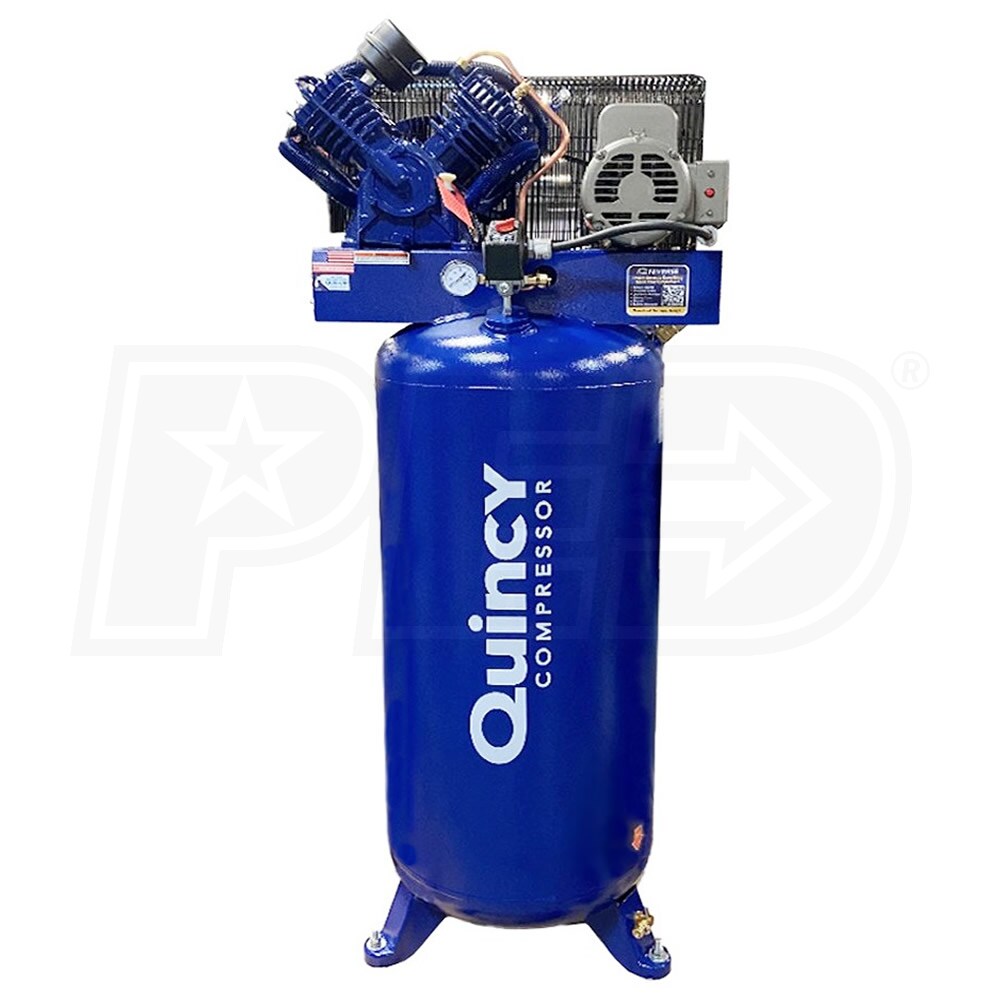
Credit: www.aircompressorsdirect.com
Energy Consumption And Savings
Air compressors are vital tools in many industries. They can consume a lot of energy. Understanding their energy use helps save money. Let’s explore how to evaluate energy consumption and reduce costs effectively.
Evaluating Energy Use
Understanding energy consumption starts with knowing the basics. Here are key factors to consider:
- Horsepower (HP): Higher HP means more energy use.
- Duty Cycle: Continuous use increases energy consumption.
- Operating Pressure: Higher pressure settings require more energy.
- Efficiency Ratings: Check the compressor’s efficiency rating.
Using a simple formula can help estimate energy costs:
Energy Cost = (Power (kW) x Usage (hours) x Rate ($/kWh))Monitor usage patterns. Track monthly energy bills. This helps identify trends.
Strategies For Reducing Costs
Many strategies can help lower energy costs. Here are effective methods:
- Regular Maintenance: Keep filters clean. This improves airflow and efficiency.
- Upgrade Equipment: Consider energy-efficient models. They use less power.
- Optimize Settings: Adjust pressure settings to the minimum needed.
- Use Timers: Set timers to run compressors only when needed.
- Insulate Pipes: Insulate air hoses and pipes. This prevents heat loss.
Implementing these strategies can lead to significant savings. Check energy bills regularly to track progress.
| Strategy | Potential Savings (%) |
|---|---|
| Regular Maintenance | 10-15% |
| Upgrade Equipment | 20-30% |
| Optimize Settings | 5-10% |
| Use Timers | 15-25% |
| Insulate Pipes | 5-10% |
Every step counts in reducing energy consumption. Start with small changes for big savings.
Advancements In Compressor Technology
Air compressor technology has come a long way. New innovations improve efficiency and performance. These advancements help industries and consumers alike.
Innovative Design Features
Modern air compressors have several innovative design features. These include:
- Variable Speed Drives: Adjust speed to match demand.
- Smart Controls: Monitor and optimize performance.
- Compact Designs: Save space without sacrificing power.
- Noise Reduction Technology: Operate quietly, suitable for various environments.
- Energy-Efficient Motors: Use less electricity and reduce costs.
Impact Of Technology On Performance
Technology has a significant impact on compressor performance. Key areas of improvement include:
| Feature | Old Technology | New Technology |
|---|---|---|
| Efficiency | Less efficient, higher energy costs | Highly efficient, lower energy costs |
| Maintenance | Frequent maintenance needed | Less maintenance required |
| Durability | Short lifespan | Long-lasting and reliable |
| Control | Manual control systems | Automated control systems |
These improvements lead to better performance and reliability. Users experience fewer breakdowns and lower operational costs.
Operational Best Practices
Maintaining an air compressor requires following certain best practices. These practices ensure efficiency, longevity, and optimal performance. Here, we will explore two vital areas: load management and temperature control.
Effective Load Management
Proper load management is key for air compressor efficiency. Here are some essential tips:
- Balance Load: Distribute tasks evenly to avoid overload.
- Monitor Usage: Track air demand to adjust compressor settings.
- Use Variable Speed Drives: Adjust motor speed for varying air needs.
Consider the following table for load management strategies:
| Strategy | Description |
|---|---|
| Scheduled Maintenance | Regular checks to ensure optimal performance. |
| Load Shedding | Reduce load during peak hours to save energy. |
Temperature And Humidity Control
Maintaining proper temperature and humidity is crucial for air compressor operation. Here are some practices to follow:
- Install Thermostats: Monitor temperature levels continuously.
- Use Dehumidifiers: Control moisture in the air compressor area.
- Ensure Proper Ventilation: Allow airflow to cool the compressor.
High temperatures can damage the compressor. Follow these steps to maintain ideal conditions:
- Check ambient temperature regularly.
- Clean filters and vents to promote airflow.
- Adjust settings based on humidity levels.
Troubleshooting Common Issues
Air compressors are essential tools in many industries. They help power various equipment and devices. Sometimes, these machines face issues that hinder their performance. Understanding how to troubleshoot common problems can save time and money. Let’s explore how to identify and resolve these issues.
Identifying Performance Hitches
Performance issues can arise from several sources. Recognizing these problems early can prevent bigger issues.
- Air Leaks: Check for hissing sounds around hoses and fittings.
- Poor Pressure: Monitor the pressure gauge. Low readings indicate issues.
- Overheating: Feel for excessive heat on the tank. This signals potential blockages.
- Strange Noises: Listen for unusual sounds. They may indicate mechanical failures.
Use these signs to identify specific issues. Keeping a checklist can help you track performance regularly.
Resolving Efficiency Problems
Once you identify performance hitches, it’s time to resolve them. Here are some common solutions:
| Problem | Solution |
|---|---|
| Air Leak | Inspect and replace damaged hoses or fittings. |
| Low Pressure | Adjust the regulator or check for blockages. |
| Overheating | Clear air filters and ensure proper ventilation. |
| Strange Noises | Lubricate moving parts or replace worn components. |
Follow these steps to enhance your air compressor’s efficiency. Regular maintenance is key to long-lasting performance.

Credit: qzrefine.en.made-in-china.com
Future Of Air Compression
The future of air compression is evolving rapidly. New technologies and trends shape the way we use air compressors. These changes focus on efficiency, sustainability, and smart features. Businesses will benefit from these advancements.
Emerging Trends In Air Compressors
Several exciting trends are emerging in the air compressor industry:
- Smart Technology: Compressors now use IoT for monitoring.
- Energy Efficiency: New designs reduce energy consumption.
- Portability: Lightweight compressors are easier to transport.
- Noise Reduction: Quieter models are becoming popular.
These trends help industries save money and improve performance. Here’s a table summarizing the key trends:
| Trend | Description |
|---|---|
| Smart Technology | Integration of IoT for real-time monitoring. |
| Energy Efficiency | Innovative designs to minimize energy use. |
| Portability | Compact models for easy movement. |
| Noise Reduction | Advanced engineering for quieter operation. |
Sustainability In Air Compression
Sustainability is a key focus for future air compressors. Companies aim to reduce their carbon footprints. Here are some ways this is happening:
- Eco-Friendly Materials: Using recyclable and sustainable materials.
- Energy Recovery Systems: Capturing wasted energy for reuse.
- Reduced Emissions: Designing compressors that produce fewer pollutants.
Businesses are adopting these practices to meet environmental standards. The shift towards sustainability benefits both the planet and profits.
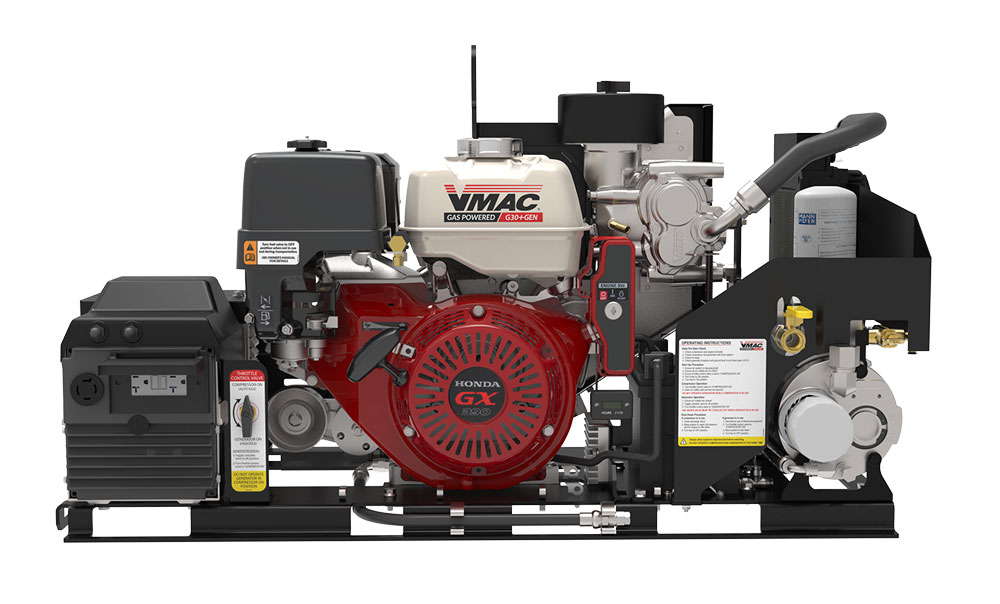
Credit: www.vmacair.com
Frequently Asked Questions
What Is An Air Compressor Used For?
An air compressor is used to convert power into potential energy stored as pressurized air. This pressurized air can power tools, inflate tires, and operate machinery. It’s essential in various industries, including automotive, construction, and manufacturing. Understanding its uses helps maximize efficiency and productivity in tasks.
How Do I Maintain My Air Compressor?
Regular maintenance of your air compressor includes checking the oil levels, changing filters, and draining moisture from the tank. Additionally, inspect hoses and connections for leaks. Cleaning the air intake and ensuring proper ventilation also enhances performance. A well-maintained compressor ensures longevity and optimal functionality.
What Are The Types Of Air Compressors?
There are several types of air compressors, including reciprocating, rotary screw, and centrifugal compressors. Reciprocating compressors are ideal for small tasks, while rotary screw compressors are used for continuous operation in industrial settings. Centrifugal compressors are efficient for high-volume applications.
Choosing the right type depends on your needs.
How Do I Choose The Right Air Compressor?
Choosing the right air compressor depends on your specific needs. Consider factors like the required pressure, tank size, and portability. Evaluate the tools you’ll use and their air consumption rates. Additionally, assess your budget and brand reliability. Researching these aspects ensures you make an informed decision.
Conclusion
Choosing the right air compressor can significantly impact your projects. Consider your specific needs, whether for home use or industrial applications. Understanding the features and types available will help you make an informed decision. Invest wisely, and you’ll enjoy the benefits of efficiency and reliability for years to come.