
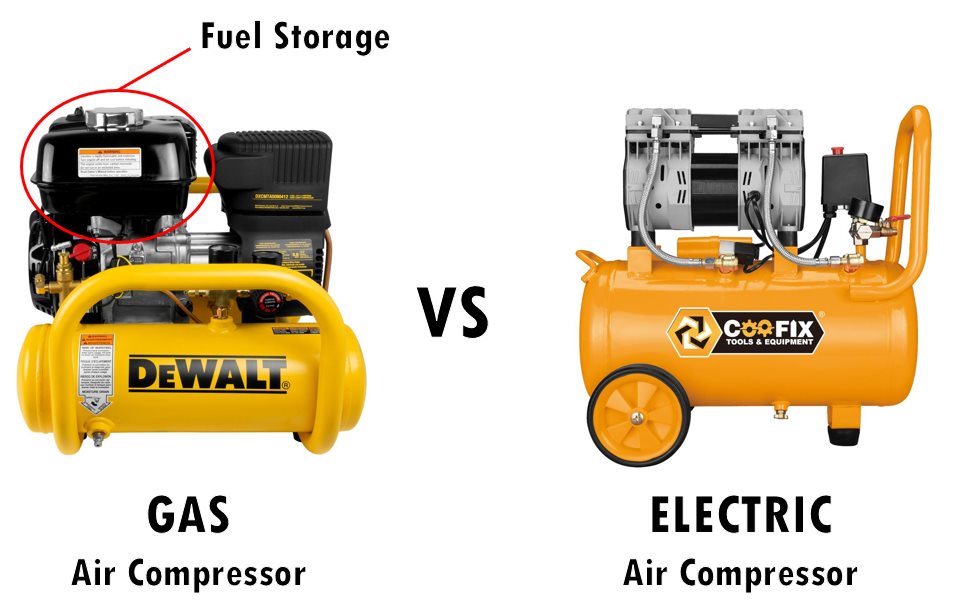
An electric air compressor uses electricity to compress air for various applications. It provides a reliable power source for tools and equipment.
Air compressors play a vital role in numerous industries, from construction to automotive. Electric models are particularly popular due to their efficiency and ease of use. They eliminate the need for fuel and reduce noise levels, making them ideal for indoor projects.
Electric air compressors come in various sizes and capacities, catering to both DIY enthusiasts and professionals. Understanding your specific needs helps in selecting the right model. Whether you require it for inflating tires, powering pneumatic tools, or spray painting, an electric air compressor can streamline your tasks. With advancements in technology, these compressors offer improved performance and energy savings.
Introduction To Air Compressors
Air compressors are vital machines in many industries. They convert power into compressed air. This air has many uses, from powering tools to inflating tires. Understanding air compressors helps in choosing the right one for your needs.
The Role In Modern Industry
Air compressors play a crucial role in various sectors. They are used in:
- Manufacturing
- Construction
- Aerospace
- Automotive
These machines improve efficiency and productivity. Compressed air powers tools and equipment. It also assists in moving materials. Many factories rely on air compressors for daily operations.
Types Of Air Compressors
Different types of air compressors serve unique purposes. Here are the main types:
| Type | Description | Best For |
|---|---|---|
| Reciprocating Compressors | Use pistons to compress air. | Home use and small workshops. |
| Rotary Screw Compressors | Use two screws to compress air. | Industrial applications. |
| Centrifugal Compressors | Use a rotating disk to compress air. | Large-scale operations. |
Choosing the right type is essential. Consider your specific needs. Each type has its advantages.
Electric Air Compressors
Electric air compressors are powerful tools for various tasks. They use electric power to compress air. These devices are popular for home and industrial use. Many users prefer them for their efficiency and ease of use.
Key Features
- Quiet Operation: Electric compressors run quietly. They are ideal for indoor use.
- Portable Design: Many models are lightweight. Easy to move around.
- Energy Efficient: Consume less power than gas models. Save on electricity bills.
- Variety of Sizes: Available in small and large sizes. Suitable for different tasks.
- Easy Maintenance: Fewer moving parts mean less wear and tear.
Benefits Over Traditional Models
| Feature | Electric Air Compressors | Traditional Gas Compressors |
|---|---|---|
| Noise Level | Low Noise | High Noise |
| Fuel Source | Electricity | Gasoline |
| Portability | High | Medium |
| Maintenance | Low | High |
| Environmental Impact | Low | High |
Electric air compressors offer many benefits. They are quiet, efficient, and easy to maintain. Choosing electric models means less hassle and better performance. Upgrade to an electric air compressor for your next project.
Boosting Efficiency With Electric Air Compressors
Electric air compressors are key to enhancing operational efficiency. They offer energy savings and improved performance metrics. Businesses benefit from lower costs and higher productivity.
Energy Savings
Electric air compressors are designed to save energy. They use less power compared to gas-powered models. Here are some reasons why:
- Lower energy consumption
- Reduced operational costs
- Longer lifespan of components
Electric models often include features that enhance energy efficiency:
| Feature | Benefit |
|---|---|
| Variable Speed Drives | Adjusts power based on demand |
| Auto Shutoff | Turns off when not in use |
| Heat Recovery Systems | Reuses waste heat for other processes |
Improved Performance Metrics
Electric air compressors deliver superior performance. They provide consistent air pressure and flow. This reliability leads to better tool performance.
- Higher CFM (Cubic Feet per Minute) ratings
- Stable PSI (Pounds per Square Inch) levels
- Quieter operation
Key performance metrics include:
- Efficiency Ratio
- Maintenance Frequency
- Noise Levels
Investing in electric air compressors enhances work quality. They help complete tasks faster and with less hassle.
Selecting The Right Electric Air Compressor
Choosing the right electric air compressor is crucial for your needs. It affects performance, efficiency, and versatility. Understand key factors before making a decision. This guide helps you find the best option.
Size And Power Considerations
Size and power are essential factors. They determine the compressor’s capacity and efficiency. Consider the following:
- Tank Size: Larger tanks store more air. Ideal for long tasks.
- Horsepower (HP): More HP means more power. It can handle tougher jobs.
- CFM Rating: Cubic Feet per Minute (CFM) indicates airflow. Higher CFM supports more tools.
Choose a size that fits your projects. Use this table for a quick comparison:
| Tank Size | HP | CFM | Best Use |
|---|---|---|---|
| 1-2 Gallons | 1-2 HP | 1-2 CFM | Light tasks like inflating tires |
| 3-6 Gallons | 2-3 HP | 3-4 CFM | Home projects and small tools |
| 8-20 Gallons | 3-5 HP | 4-6 CFM | Medium tasks like spray painting |
| 30+ Gallons | 5+ HP | 6+ CFM | Heavy-duty work, air tools |
Understanding Specifications
Specifications help you gauge a compressor’s performance. Key specs include:
- Voltage: Ensure compatibility with your power supply.
- Weight: Heavier models offer stability but may be less portable.
- Noise Level: Check decibel ratings. Quieter models are better for home use.
- Portability: Wheels and handles enhance mobility.
Research and compare different models. Read reviews and user feedback. This helps ensure you select the right electric air compressor.
Installation Tips
Installing an electric air compressor can seem daunting. Proper installation ensures optimal performance and safety. Follow these essential tips for a smooth setup.
Preparation Steps
Before you start, gather the necessary tools and materials. Here’s a quick checklist:
- Air compressor
- Power supply cable
- Air hose
- Pressure regulator
- Wrenches and screwdrivers
- Safety goggles and gloves
Choose a suitable location for your compressor. Ensure good ventilation and space for maintenance. Follow these steps:
- Check the power requirements.
- Place the compressor on a flat surface.
- Ensure it’s away from flammable materials.
- Allow easy access to the power supply.
Professional Vs. Diy Installation
Deciding between professional installation and DIY can impact performance. Here are some points to consider:
| Installation Type | Pros | Cons |
|---|---|---|
| Professional |
|
|
| DIY |
|
|
Evaluate your skill level and the complexity of installation. Choose the option that fits your needs best.
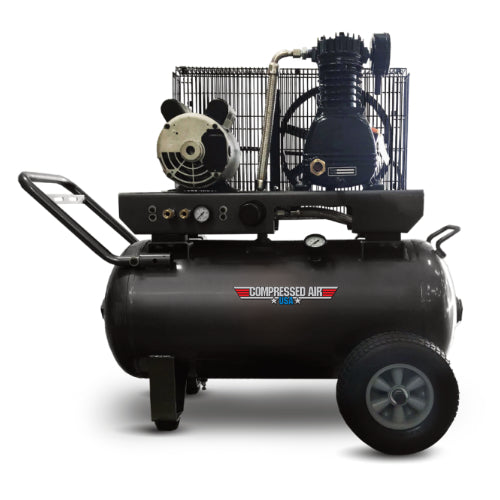
Credit: compressedairusa.com
Maintenance Best Practices
Keeping your electric air compressor in top shape is crucial. Regular maintenance ensures longevity and optimal performance. Follow these best practices for effective upkeep.
Routine Check-ups
Routine check-ups are essential for any air compressor. They help catch problems early. Here are some key tasks:
- Inspect the air filter regularly.
- Check for any leaks in hoses and connections.
- Examine the oil level and quality.
- Look for rust or corrosion on the unit.
Schedule these check-ups every month. Keeping a maintenance log can help track issues. This log should include:
| Date | Task Completed | Notes |
|---|---|---|
| MM/DD/YYYY | Checked air filter | No issues found |
| MM/DD/YYYY | Inspected hoses | Minor wear noticed |
Troubleshooting Common Issues
Every air compressor may face issues. Knowing how to troubleshoot can save time and money. Here are common problems and their solutions:
- Compressor won’t start
- Check the power supply.
- Inspect the reset button.
- Low pressure
- Inspect the air filter for blockages.
- Check for leaks in the system.
- Excessive noise
- Tighten loose components.
- Inspect the motor for wear.
Address issues promptly to avoid bigger problems. Keeping a checklist helps maintain focus during troubleshooting.
Impact On Workflow
Air compressor electric tools greatly enhance workflow efficiency. They save time and effort in various tasks. These machines provide reliable power for multiple applications. They help workers complete jobs faster and with better quality.
Case Studies
Several industries benefit from electric air compressors. Here are a few examples:
| Industry | Application | Results |
|---|---|---|
| Automotive | Painting and detailing | Faster drying times, improved finish quality |
| Construction | Pneumatic tools | Increased productivity, reduced labor costs |
| Manufacturing | Assembly lines | Streamlined processes, lower downtime |
User Experiences
User feedback highlights the positive impacts of electric air compressors:
- Ease of Use: Simple controls make operation easy.
- Portability: Lightweight models enhance job site mobility.
- Noise Levels: Quieter than gas compressors, allowing focus.
- Maintenance: Less frequent servicing needed, saving time.
Here are some direct quotes from users:
- “My workflow improved significantly with the electric compressor!”
- “No more waiting for a gas compressor to start.”
- “I can work longer without feeling fatigued.”
Electric air compressors change how work gets done. They improve productivity across various tasks.
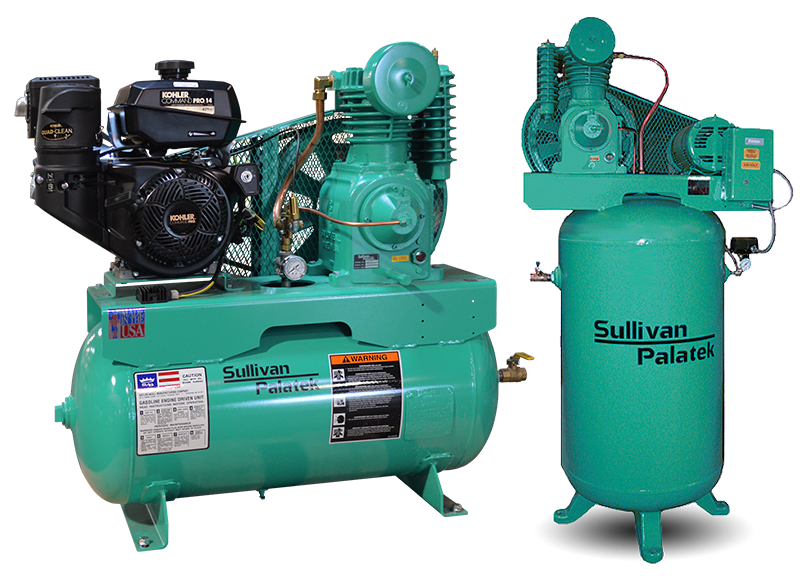
Credit: www.sullivan-palatek.com
Future Of Air Compression Technology
The future of air compression technology is bright and innovative. New advancements promise to enhance efficiency and performance. These changes will impact various industries, from manufacturing to automotive.
Innovations On The Horizon
Several exciting innovations are on the way for air compressors:
- Smart Compressors: These units will feature AI and IoT connectivity. They will analyze performance in real-time.
- Energy Efficiency: New designs will reduce energy consumption significantly. This will lower operational costs.
- Noise Reduction: Enhanced technologies will minimize noise pollution. This makes work environments more pleasant.
- Portable Solutions: Compact and lightweight models will provide convenience. Users can easily transport them to job sites.
Adapting To Industry 4.0
Industry 4.0 is changing how air compressors operate:
- Data Integration: Air compressors will connect with other machines. This integration will streamline operations.
- Predictive Maintenance: Sensors will monitor compressor health. This will predict failures before they happen.
- Customization: Users can tailor air compression systems to their needs. This boosts productivity and efficiency.
- Sustainability: Eco-friendly models will use renewable energy sources. This will reduce carbon footprints.
| Innovation | Benefit |
|---|---|
| Smart Compressors | Improved performance analysis |
| Energy Efficiency | Lower operational costs |
| Noise Reduction | Better work environment |
| Portable Solutions | Easy transport |
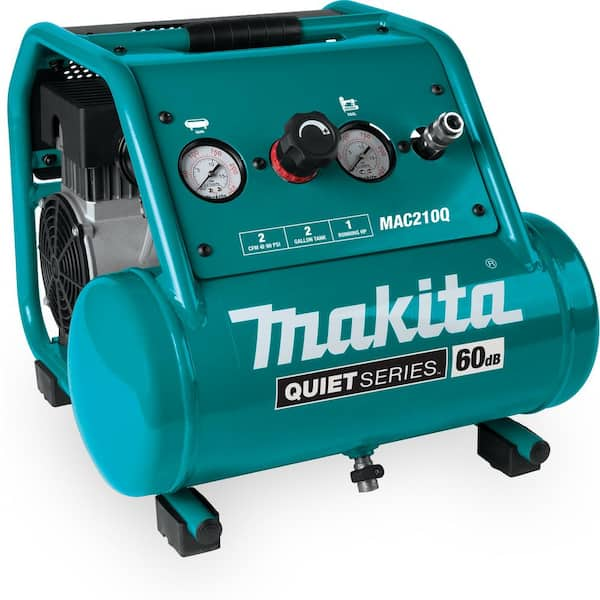
Credit: www.homedepot.com
Frequently Asked Questions
What Is An Electric Air Compressor?
An electric air compressor is a device that converts electrical energy into mechanical energy. It compresses air for various applications, such as inflating tires or powering tools. These compressors are popular for their efficiency and ease of use, making them ideal for home and industrial settings.
How Does An Electric Air Compressor Work?
Electric air compressors work by drawing in air and compressing it using a motor-driven pump. The motor powers the pump, which reduces the air volume and increases its pressure. This pressurized air can then be stored in a tank for future use, delivering consistent performance for various tasks.
What Are The Benefits Of Electric Air Compressors?
Electric air compressors offer several advantages, including quieter operation, lower maintenance, and ease of use. They are energy-efficient and suitable for indoor use, making them ideal for home workshops. Additionally, their portability allows for versatility in various applications, from DIY projects to professional tasks.
How Do I Choose The Right Electric Air Compressor?
When selecting an electric air compressor, consider factors like tank size, pressure output, and portability. Assess your specific needs, such as the tools you’ll use and the air volume required. It’s also essential to check the compressor’s horsepower and duty cycle for optimal performance during operations.
Conclusion
Electric air compressors offer efficiency and convenience for various tasks. They are ideal for both home and professional use. Choosing the right model can enhance productivity and save energy. Invest in an electric air compressor to simplify your projects and achieve better results.
Make informed choices for your specific needs.