

An automatic air compressor drain removes moisture from the tank without manual intervention. This prevents rust and maintains optimal performance.
Air compressors play a crucial role in various applications, from powering tools to inflating tires. Over time, moisture accumulates in the tank, leading to potential damage and inefficiency. An automatic air compressor drain effectively tackles this issue, ensuring that excess water is expelled regularly.
This device not only saves time but also enhances the lifespan of the compressor. By maintaining proper moisture levels, users can avoid costly repairs and downtime. Investing in an automatic drain system is a smart choice for anyone relying on compressed air, ensuring smooth operation and better performance for all tasks. Keep your equipment in top shape with this essential accessory.
The Basics Of Air Compressor Drains
Air compressor drains play an important role in maintaining your compressor. They remove moisture and debris that can harm equipment. Understanding how they work helps you take better care of your air compressor.
Purpose Of Air Compressor Drains
The main purpose of air compressor drains is to:
- Prevent Rust: Water can cause rust inside the tank.
- Maintain Efficiency: Excess moisture reduces compressor performance.
- Extend Lifespan: Proper drainage helps your compressor last longer.
- Improve Air Quality: Clean air is essential for tools and processes.
Types Of Drains: Manual Vs. Automatic
There are two main types of air compressor drains:
| Type | Description | Pros | Cons |
|---|---|---|---|
| Manual | Requires manual operation to drain moisture. |
|
|
| Automatic | Drains moisture automatically at set intervals. |
|
|
Choosing the right type of drain depends on your needs. Automatic drains save time and effort, while manual drains are budget-friendly.
Efficiency Gains With Automatic Drains
Automatic air compressor drains offer significant efficiency gains. They minimize downtime and enhance overall system functionality. Implementing these systems leads to smoother operations and lower costs.
Reduced Maintenance Time
Automatic drains drastically cut down on maintenance time. Manual draining requires frequent checks and can be time-consuming. With automatic systems, operators can:
- Set schedules for draining.
- Avoid regular manual checks.
- Focus on other critical tasks.
Less maintenance time means:
- Increased productivity.
- Lower labor costs.
Enhanced System Performance
With automatic drains, air compressor systems perform better. They remove moisture automatically, ensuring optimal function. The benefits include:
- Reduced risk of corrosion.
- Improved air quality.
- Consistent pressure levels.
Enhanced performance leads to:
| Benefit | Impact |
|---|---|
| Less downtime | Higher efficiency |
| Longer equipment life | Lower replacement costs |
Investing in automatic drains is smart. They boost efficiency and improve air compressor longevity.
Choosing The Right Automatic Drain
Selecting an automatic air compressor drain is crucial for efficiency. Proper drainage prevents moisture buildup. This can lead to damage and reduced performance. Consider several key features before making a choice.
Key Features To Consider
- Automatic Operation: Look for models that operate without manual intervention.
- Drainage Capacity: Choose a drain that handles your compressor’s output.
- Timer Settings: Some drains allow you to set specific drainage times.
- Durability: Select materials that withstand harsh conditions.
- Ease of Installation: Ensure it fits well with your existing system.
Compatibility With Your Air Compressor
Not all automatic drains work with every compressor. Check compatibility before purchasing. Here are the factors to consider:
| Feature | Details |
|---|---|
| Size | Ensure the drain fits your compressor’s size. |
| Pressure Rating | Check that it matches your compressor’s pressure. |
| Connection Type | Verify that the drain connects easily to your system. |
Choosing the right automatic drain enhances your compressor’s performance. Proper drainage keeps your system running smoothly. Make informed decisions to protect your investment.
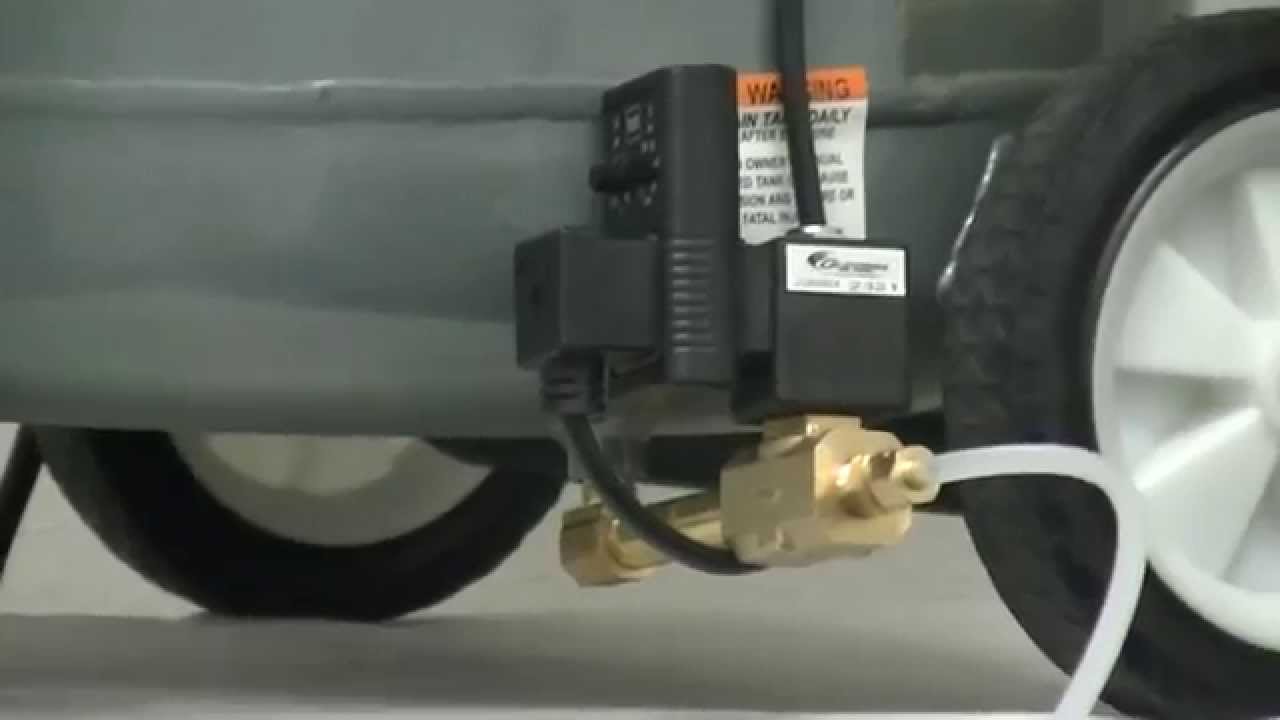
Credit: www.californiaairtools.com
Installation Tips For Optimal Performance
Proper installation of your automatic air compressor drain ensures it functions efficiently. This section provides essential tips for a smooth installation. Follow these guidelines to avoid common pitfalls and maximize performance.
Step-by-step Installation Guide
- Gather Tools and Materials:
- Automatic drain valve
- Piping and fittings
- Wrenches
- Sealant tape
- Turn Off the Compressor: Ensure the air compressor is off and unplugged.
- Locate the Drain Point: Find the drain port on your compressor.
- Install the Drain Valve:
- Attach the drain valve to the drain port.
- Use sealant tape to prevent leaks.
- Connect Piping:
- Connect piping from the drain valve to the desired drainage location.
- Ensure all connections are tight.
- Test the System:
- Turn on the compressor.
- Check for leaks around connections.
Common Installation Mistakes To Avoid
| Mistake | Description |
|---|---|
| Ignoring Manufacturer Instructions | Always follow specific guidelines for your model. |
| Loose Connections | Ensure all fittings are tight to prevent air leaks. |
| Incorrect Drain Location | Install in a spot that allows easy drainage. |
| Using Wrong Size Piping | Choose pipes that match the drain valve size. |
By following these installation tips, you can ensure your automatic air compressor drain operates at its best. Avoiding common mistakes leads to better efficiency and longer lifespan.
Maintenance Of Automatic Drains
Automatic air compressor drains are vital for keeping your system efficient. Regular maintenance ensures they operate effectively. Proper upkeep prevents costly repairs and downtime.
Routine Check-up Schedule
Establishing a routine check-up schedule is crucial. Follow these steps:
- Daily Checks: Inspect for leaks and check drain functionality.
- Weekly Maintenance: Clean filters and test the automatic drain.
- Monthly Review: Check the drainage system for blockages.
- Quarterly Servicing: Schedule a professional inspection.
Use a checklist to track your maintenance. Keep records of all inspections.
Troubleshooting Common Issues
Automatic drains may face issues. Here are some common problems and solutions:
| Issue | Possible Cause | Solution |
|---|---|---|
| Drain Won’t Open | Blocked valve | Clear the blockage and test. |
| Water Accumulation | Faulty sensor | Replace the sensor. |
| Leaking Drain | Damaged seal | Inspect and replace seals. |
Addressing these issues quickly prevents bigger problems. Regular maintenance reduces the chances of these occurrences.
Stay proactive. An efficient drain system keeps your air compressor running smoothly.

Credit: pacificaircompressors.com
Cost-benefit Analysis Of Automatic Drains
Automatic air compressor drains offer clear advantages. Evaluating their costs and benefits helps in decision-making. This analysis highlights both initial investments and long-term savings.
Initial Investment Vs. Long-term Savings
The initial cost of automatic drains can be higher than manual options. However, consider the following:
- Lower Maintenance Costs: Automatic drains reduce the need for frequent manual checks.
- Energy Efficiency: Better moisture management improves overall system efficiency.
- Extended Equipment Life: Reduced corrosion leads to longer equipment lifespan.
Here’s a breakdown of potential savings over time:
| Cost Component | Manual Drain | Automatic Drain |
|---|---|---|
| Initial Cost | $200 | $500 |
| Annual Maintenance | $150 | $50 |
| Energy Costs | $1000 | $800 |
| Equipment Replacement (5 years) | $2500 | $1500 |
After five years, total costs reveal significant savings:
- Manual Drain Total: $200 + (5 x $150) + (5 x $1000) + $2500 = $8200
- Automatic Drain Total: $500 + (5 x $50) + (5 x $800) + $1500 = $5250
Choosing an automatic drain can save up to $2950 over five years.
Case Studies: Roi Of Automatic Drains
Several businesses have reported impressive returns on investment with automatic drains.
- Manufacturing Plant A: Saved $3000 annually. Reduced downtime by 15%.
- Automotive Supplier B: Increased efficiency by 20%. Maintenance costs cut by 40%.
- Food Processing Facility C: Improved product quality. Achieved $5000 savings in two years.
These examples illustrate the positive impact of automatic drains. The initial investment pays off quickly.
Environmental Impact Of Efficient Draining
Efficient draining in air compressors plays a vital role in protecting our environment. It minimizes waste and promotes sustainability. Using an automatic air compressor drain can greatly impact your operations and the planet.
Reduction In Wasted Compressed Air
Compressed air is a valuable resource. Efficient draining reduces the amount of wasted air. Consider these points:
- Less energy consumption: Saves energy and costs.
- Lower carbon footprint: Reduces greenhouse gas emissions.
- Improved system efficiency: Maintains optimal performance.
Every drop counts. Efficient draining helps in conserving air. This leads to less energy usage and a cleaner environment.
Contribution To Sustainable Practices
Automatic drains contribute to sustainable practices. They promote responsible resource management. Here are some benefits:
| Benefit | Description |
|---|---|
| Resource Conservation | Maximizes the use of compressed air. |
| Pollution Reduction | Minimizes the release of harmful substances. |
| Cost Savings | Decreases energy costs significantly. |
Investing in automatic drains fosters a cleaner planet. Businesses can showcase their commitment to sustainability. Every step counts in protecting our environment.
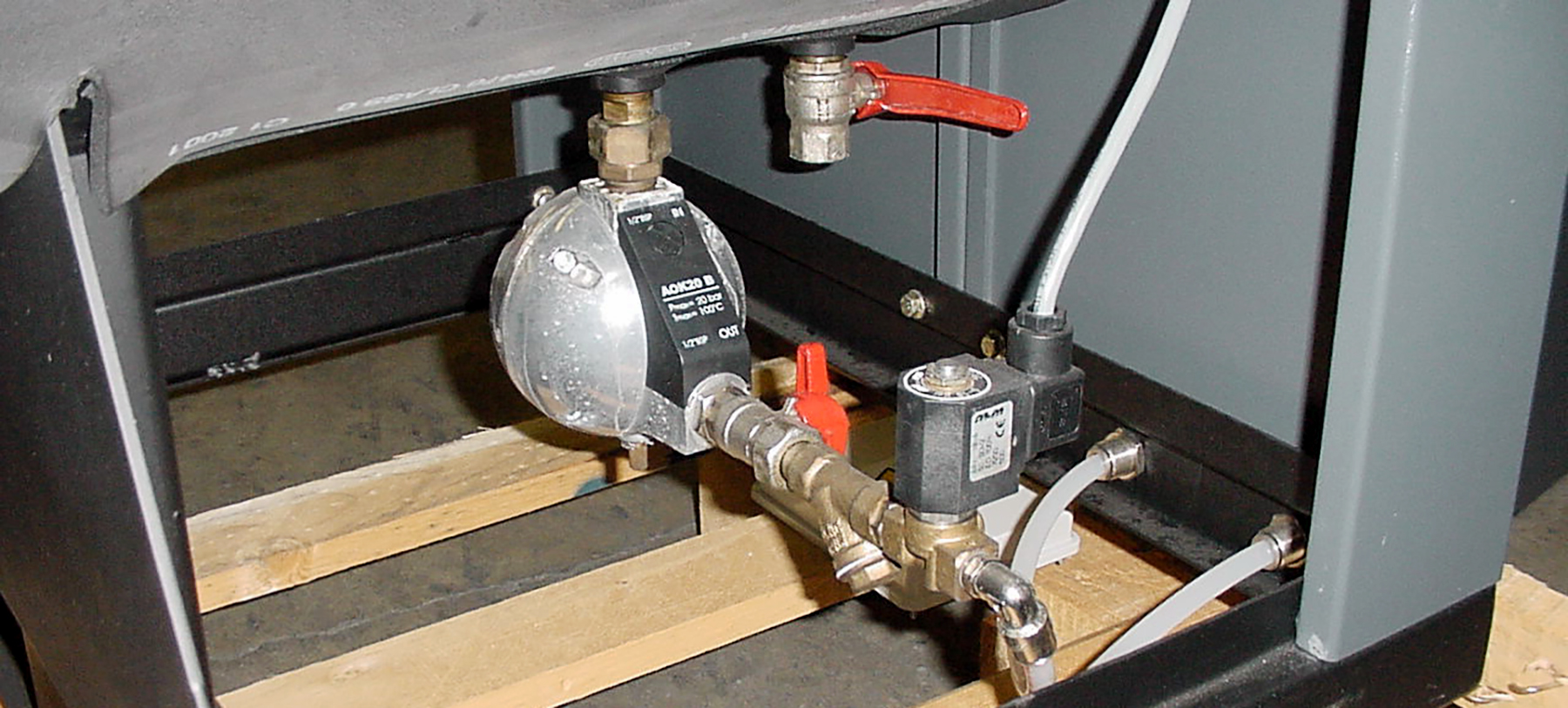
Credit: www.generalairproducts.com
Future Trends In Air Compressor Technology
The air compressor industry is evolving rapidly. New technologies enhance efficiency and reliability. Automatic air compressor drains are a significant part of this change. Let’s explore the upcoming trends that are shaping this technology.
Innovations In Drainage Systems
Modern drainage systems for air compressors focus on automation and efficiency. These systems help in:
- Reducing maintenance time
- Minimizing water build-up
- Improving overall performance
New designs include:
- Automatic Timed Drains: These drains operate on a set schedule.
- Condensate Management Systems: They efficiently remove moisture.
- Smart Drains: These adapt to varying conditions automatically.
Such innovations save energy and prolong compressor life. They also enhance safety by preventing water accumulation.
The Role Of Iot In Compressor Maintenance
The Internet of Things (IoT) is changing compressor maintenance. IoT devices provide real-time data on compressor performance. This allows for:
- Predictive maintenance
- Remote monitoring
- Quick response to issues
Benefits of IoT in air compressor maintenance include:
| Benefit | Description |
|---|---|
| Efficiency | Reduces downtime with timely repairs. |
| Cost Savings | Lowers maintenance costs through early detection. |
| Data Insights | Offers valuable information for performance improvement. |
IoT technology keeps compressors running at peak performance. It ensures the longevity of equipment and enhances productivity.
Frequently Asked Questions
What Is An Automatic Air Compressor Drain?
An automatic air compressor drain is a device that removes accumulated moisture from an air compressor system. It functions without manual intervention, ensuring optimal performance. This helps prevent corrosion and damage to the compressor, extending its lifespan. Regular drainage enhances air quality and operational efficiency.
How Does An Automatic Drain Work?
An automatic drain operates by detecting moisture levels in the compressor tank. Once a certain threshold is reached, it activates a valve to release water. This process occurs at set intervals or continuously, depending on the model. It ensures that moisture does not accumulate, maintaining system efficiency.
Why Do I Need An Automatic Drain?
An automatic drain is essential for preventing moisture buildup in your air compressor. Excess moisture can lead to corrosion and decreased efficiency. By automating this process, you save time and reduce maintenance needs. This leads to improved performance and a longer lifespan for your equipment.
Can I Install An Automatic Drain Myself?
Yes, you can install an automatic drain yourself with basic tools. Most units come with clear instructions for installation. However, ensure compatibility with your air compressor model. If you’re unsure, consulting a professional can help avoid potential issues and ensure proper setup.
Conclusion
An automatic air compressor drain is essential for maintaining efficiency and extending equipment life. It prevents moisture buildup, ensuring optimal performance. Investing in this technology simplifies maintenance tasks. Choose a reliable system to enhance your workflow. Enjoy the benefits of a hassle-free, well-functioning air compressor for all your needs.