
Need to pump your car tires but not sure how? It’s easier than you think.
Let’s break it down. Maintaining the right tire pressure is crucial for safety and fuel efficiency. Flat or underinflated tires can lead to accidents and poor gas mileage. By learning how to pump your car tires, you ensure your vehicle runs smoothly.
It’s a simple task that every driver should know. This guide will walk you through the steps. Whether you’re a new driver or just need a refresher, we’ve got you covered. Ready to dive in? Let’s get those tires pumped and your car ready for the road.
Tools And Equipment
Learn to pump car tires with basic tools and equipment. Use a tire pressure gauge and an air compressor. Ensure the tire is inflated to the recommended pressure.
Types Of Tire Pumps
There are two main types of tire pumps. Manual pumps are easy to use and don’t need power. Electric pumps work faster but need a power source. Manual pumps are good for emergencies. Electric pumps save time and effort. Both types have pros and cons. Choose the one that fits your needs best.
Pressure Gauges
A pressure gauge checks the air pressure in your tires. It’s important to have one. Some pumps have built-in gauges. Standalone gauges can be more accurate. Always check the pressure before and after pumping. Right pressure keeps your tires safe. It also helps in better fuel efficiency.

Credit: www.sheknows.com
Preparation
Ensure you have a tire pressure gauge and a reliable air pump. Check the recommended pressure in the owner’s manual. Attach the pump nozzle to the tire valve and fill to the correct pressure.
Check Tire Pressure
First, find a tire pressure gauge. Remove the cap from the tire valve. Place the gauge on the valve stem. Press down firmly to get the reading. Write down the current tire pressure.
Find Recommended Psi
Look for the recommended PSI on your car. It is usually on a sticker inside the driver’s door. It might also be in the owner’s manual. Compare this with your current tire pressure. Note the difference. Inflate or deflate the tire as needed.
Positioning The Car
Always park your car on level ground. This helps keep the car stable. Ensure it does not roll away. Level ground makes the job easier. It is safer too. Avoid hills or slopes. They can be risky. A flat surface is best.
The parking brake is important. It keeps the car from moving. Pull the parking brake lever. Ensure it is tight. This step adds safety. Check if the brake is engaged. The car should not move. This is a must before pumping tires.
Connecting The Pump
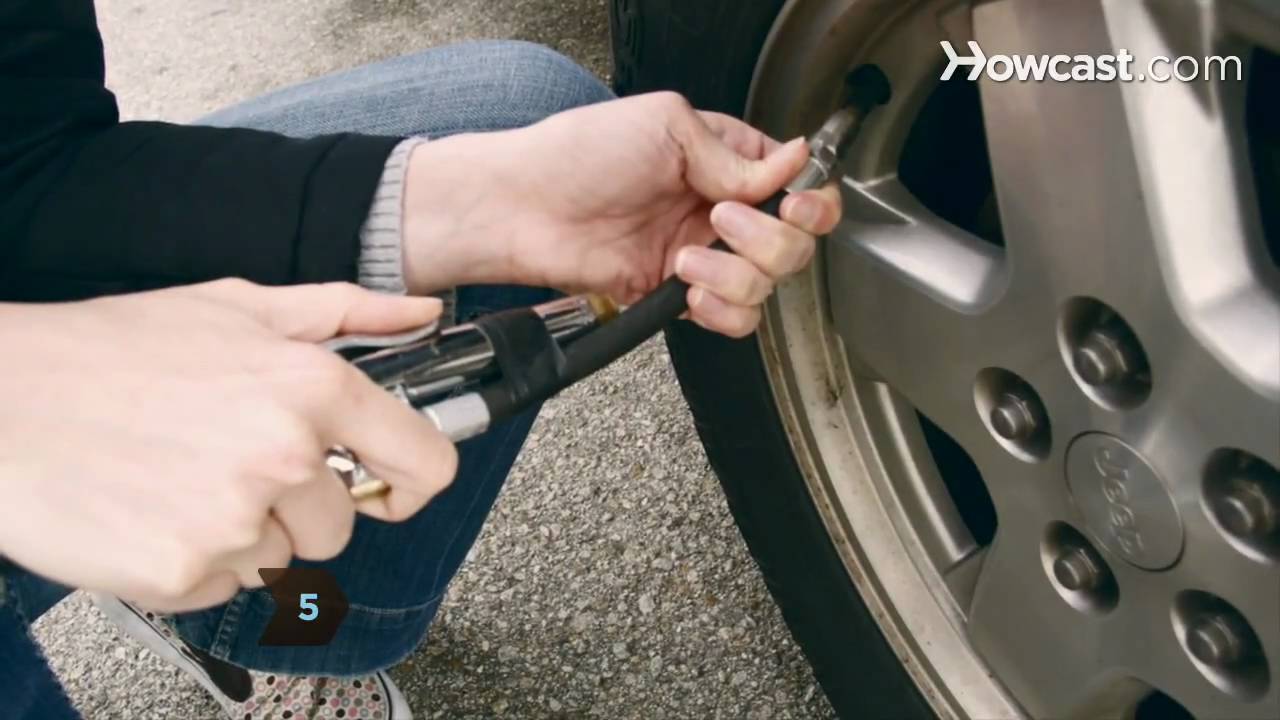
First, find the tire’s valve cap. Turn it counterclockwise to remove it. Keep it safe. You will need it later.
Place the pump nozzle over the valve stem. Make sure it is a tight fit. Push down firmly. You might hear a small hiss. This is normal.
Pumping The Tires
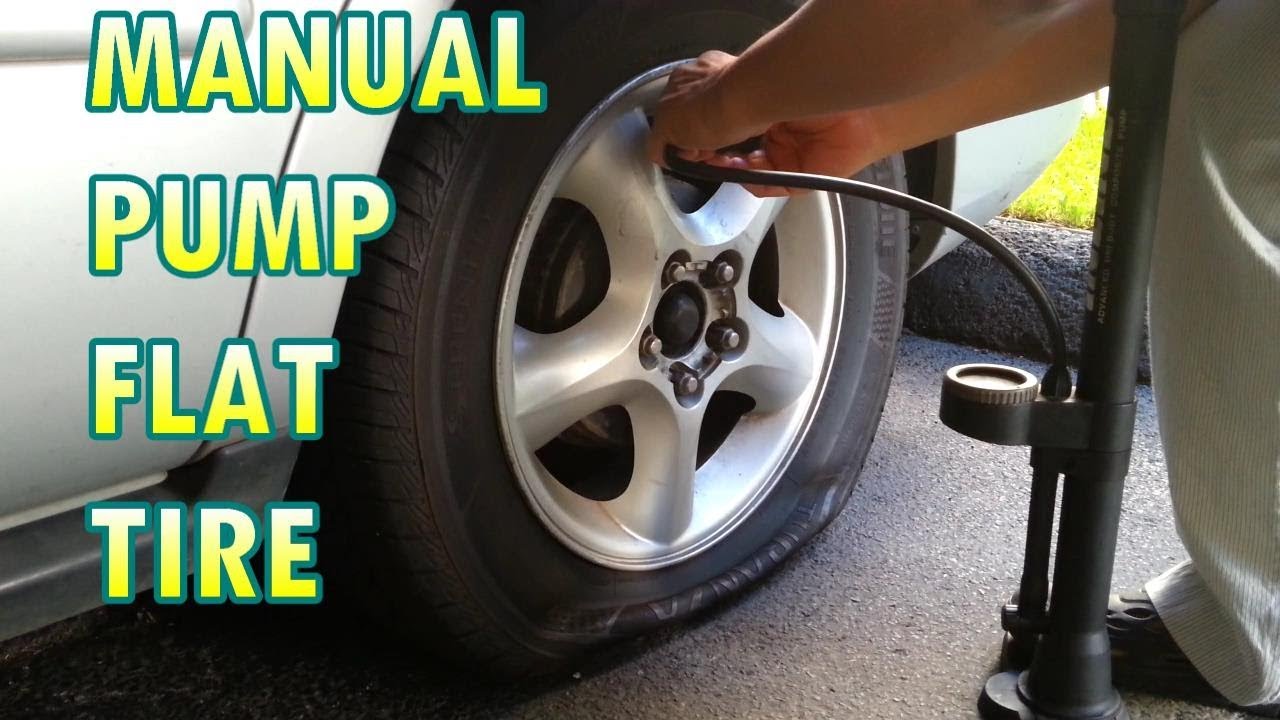
Manual pumps are easy to use. Connect the pump to the tire valve. Push and pull the handle. Air will go into the tire. Check the tire pressure often. Use a gauge to be sure. Do not overinflate the tire. It can cause problems. Manual pumps are cheap and portable.
Electric pumps are fast and simple. Plug the pump into the car socket. Attach the hose to the tire valve. Turn on the pump. The tire will fill with air. Check the pressure with the built-in gauge. Stop the pump when the tire is full. Electric pumps save time. They are good for quick fixes.
Credit: www.youtube.com
Checking Pressure
First, remove the valve cap from the tire. Place the gauge on the valve stem. Press down until you hear a hiss. Read the pressure on the gauge. Compare it to the recommended pressure. This number is in your car manual or on the door frame.
If the tire pressure is low, add air. Use a pump to inflate the tire. Check the pressure again with the gauge. Repeat until you reach the correct pressure. If the pressure is too high, release some air. Press the valve stem lightly to let out air. Check again to ensure the pressure is right. Always replace the valve cap when done.
Final Steps
Ensure the tire valve is securely closed after pumping. Double-check the tire pressure with a gauge. Store all equipment properly for future use.
Reattach Valve Cap
After inflating the tire, put back the valve cap. This cap keeps the valve clean. It also helps prevent air leakage. Don’t forget this step. It’s quick but important.
Store Equipment
After pumping the tire, store your tools properly. Keep the pump in a safe place. Wind up the hose neatly. Place it where you can find it easily. This keeps your garage organized. It also makes next time easier.

Credit: www.caranddriver.com
Maintenance Tips
Check your tire pressure every month. Use a reliable gauge. Tires should be cold before checking. Compare the reading with the recommended pressure. This number is usually found on the driver’s side door. Adjust the pressure if needed. Under-inflated tires can wear out faster. Over-inflated tires can lead to a rough ride. Both can be unsafe.
Look for cuts, cracks, or punctures. Remove any stones stuck in the tread. Check the sidewalls for bulges. Bulges mean the tire is weak. Weak tires can blow out. Replace damaged tires quickly. Safe tires are important for a smooth ride.
Frequently Asked Questions
How Do You Pump Up Tires At A Gas Station?
First, park near the air pump. Remove the tire valve cap. Attach the air hose to the valve. Inflate to the recommended pressure. Check with a gauge. Replace the valve cap.
How To Correctly Inflate Car Tires?
Check tire pressure when tires are cold. Use a reliable gauge. Inflate to manufacturer’s recommended PSI. Don’t overinflate. Recheck pressure regularly.
How Do You Fill Up Your Car Tires?
Check tire pressure with a gauge. Use an air compressor to add air. Inflate to recommended PSI. Recheck pressure.
How Do I Know How Much Air To Put In My Car Tires?
Check the recommended tire pressure in your car’s owner’s manual or the sticker on the driver’s side door jamb. Use a tire pressure gauge to measure and add air as needed.
Conclusion
Keeping your car tires properly inflated ensures safety and better fuel efficiency. Regular checks prevent flats and improve tire lifespan. Use a reliable pressure gauge. Follow the recommended PSI levels. Pumping car tires is simple. Just follow the steps. Practice makes it easier.
Soon, you’ll do it effortlessly. Safe driving starts with good tire maintenance. Keep your tires in top shape. Enjoy smoother, safer rides.