

To determine the right size air compressor, assess your specific needs based on the tools you plan to use. Generally, aim for a compressor with 4-6 CFM at 90 PSI for light tasks and 8-15 CFM for heavy-duty applications.
Choosing the right size air compressor can significantly impact your project efficiency. Air compressors come in various sizes and capacities, making it essential to match them to your specific requirements. Whether you’re inflating tires, powering pneumatic tools, or painting, the correct compressor ensures optimal performance.
Understanding your needs helps prevent overpaying for excess capacity or underperforming with inadequate power. Consider the tools you’ll use and their air consumption rates. This approach ensures you select a compressor that meets your demands without unnecessary hassle or expense.
Assessing Your Air Compressor Needs
Choosing the right air compressor is crucial. It affects your efficiency and performance. Several factors determine the best size for your needs. Understanding your requirements helps in making the right choice.
Evaluating Tool Requirements
Different tools use different amounts of air. Knowing your tools is essential. Here are some common tools and their air requirements:
| Tool | CFM (Cubic Feet per Minute) |
|---|---|
| Nail Gun | 2-4 CFM |
| Impact Wrench | 4-6 CFM |
| Spray Gun | 8-12 CFM |
| Air Ratchet | 2-4 CFM |
Check the manufacturer’s specifications for each tool. Sum up the CFM requirements. This total helps in selecting the right compressor size.
Determining Usage Frequency
How often you use your tools affects compressor size. Consider these points:
- Daily Use: Choose a larger compressor.
- Occasional Use: A smaller, portable unit works.
- Heavy-Duty Projects: Invest in a high-capacity model.
Estimate your usage:
- Calculate total hours of use per week.
- Identify peak times for air tool use.
- Decide if you need a stationary or portable unit.
Understanding your frequency helps you avoid underperformance or overkill. Choose wisely for better results.

Credit: m.youtube.com
Types Of Air Compressors
Choosing the right air compressor starts with understanding the types available. Each type has unique features and benefits. Knowing these can help you select the best option for your needs.
Portable Vs. Stationary
Portable air compressors are lightweight and easy to move. They work well for small jobs and DIY projects. Ideal for users who need flexibility.
- Easy to transport
- Perfect for outdoor use
- Lower capacity
Stationary air compressors are larger and designed for permanent setups. They provide higher power and capacity. Great for workshops or industrial use.
- Higher power output
- Suitable for heavy-duty tasks
- Less portable
Single-stage Vs. Two-stage
Single-stage air compressors compress air in one stroke. They are simpler and often less expensive. Best for light tasks like inflating tires.
- Lower cost
- Ideal for home use
- Lower pressure output
Two-stage air compressors compress air twice for higher pressure. They are more efficient and powerful. Suitable for professional tasks.
- Higher efficiency
- Better for demanding jobs
- Longer lifespan
Understanding Air Compressor Specifications
Choosing the right air compressor involves understanding its specifications. Key terms like PSI and CFM help determine the right fit. Knowing tank size is also crucial. Let’s break these down for clarity.
Decoding Psi And Cfm
PSI (Pounds per Square Inch) measures pressure. CFM (Cubic Feet per Minute) measures airflow. Both are vital for performance.
| Specification | Definition | Importance |
|---|---|---|
| PSI | Pressure output of the compressor. | Needed for tools requiring high pressure. |
| CFM | Volume of air delivered per minute. | Important for continuous tool operation. |
Tools require specific PSI and CFM. Check these requirements before buying. For example:
- Impact Wrench: 90 PSI, 4 CFM
- Nail Gun: 70 PSI, 2 CFM
- Spray Gun: 30 PSI, 7 CFM
Tank Size Considerations
Tank size affects the compressor’s performance. A larger tank holds more air. This allows tools to run longer without interruption.
- Small Tanks (1-6 gallons): Good for light tasks.
- Medium Tanks (6-10 gallons): Suitable for home projects.
- Large Tanks (10+ gallons): Best for heavy-duty use.
Choose tank size based on your needs. Consider the tools you’ll use. Frequent use requires a larger tank for efficiency.
The Impact Of Power Sources
Choosing the right power source for your air compressor is crucial. It affects performance, mobility, and efficiency. Two main options exist: electric and gas-powered. Each has its pros and cons.
Electric Vs. Gas-powered
Understanding the differences between electric and gas-powered compressors is essential. Here’s a quick comparison:
| Feature | Electric Compressors | Gas-Powered Compressors |
|---|---|---|
| Mobility | Limited by outlet availability | Highly portable and mobile |
| Noise Level | Quieter operation | Louder operation |
| Maintenance | Low maintenance | Higher maintenance needed |
| Power Output | Consistent power | Variable power |
Electric compressors are quieter and easier to maintain. Gas-powered models offer greater mobility and power. Choose based on your specific needs.
Voltage And Horsepower
Voltage and horsepower determine an air compressor’s performance. Understanding these factors helps in making the right choice.
- Voltage: Common voltages are 120V and 240V.
- Horsepower (HP): Ranges from 1 HP to 10 HP.
Higher voltage typically means more power. Here’s a quick breakdown:
- 120V is suitable for light tasks.
- 240V is better for heavier applications.
- Higher HP means faster recovery time.
Select the voltage and horsepower based on your intended use. This ensures optimal performance for your tasks.
Air Compressor For Home Use
Choosing the right size air compressor for home use is essential. It ensures you have enough power for various tasks. From DIY projects to routine maintenance, the right compressor simplifies your work. Understanding your needs helps you make an informed decision.
Diy Projects And Home Maintenance
Air compressors are versatile tools for DIY projects. They can power various devices and make tasks easier. Here are some common uses:
- Inflating tires and sports equipment
- Pneumatic nailers for woodworking
- Spray painting for home improvement
- Cleaning hard-to-reach areas with air blowers
For these tasks, a small to medium-sized compressor usually suffices. It offers the right balance of power and portability. Consider the compressor’s CFM (Cubic Feet per Minute) rating. This rating indicates the volume of air the compressor can deliver.
Recommended Sizes For Common Tools
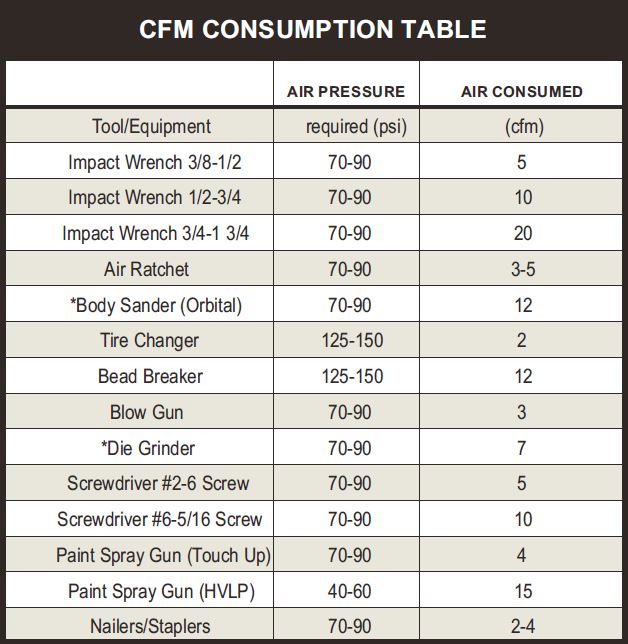
Different tools require different air compressor sizes. Below is a table showing recommended compressor sizes based on tool types:
| Tool Type | Recommended CFM | Compressor Size |
|---|---|---|
| Tire Inflator | 1.0 – 2.0 CFM | 1-3 Gallons |
| Pneumatic Nail Gun | 2.0 – 4.0 CFM | 3-6 Gallons |
| Air Ratchet | 3.0 – 5.0 CFM | 6-10 Gallons |
| Spray Gun | 4.0 – 12.0 CFM | 10-30 Gallons |
These recommendations help you choose the right compressor size. Calculate your tools’ total CFM needs before purchasing. This ensures your compressor can handle multiple tools at once.
Credit: www.compressorpros.com
Commercial Air Compressor Applications
Choosing the right air compressor for commercial use is crucial. These compressors power various tools and equipment. Understanding the specific applications helps in selecting the appropriate size and type.
Requirements For Professional Settings
Commercial air compressors must meet specific requirements. These include:
- Consistent Air Supply: Reliable airflow is essential for operations.
- Pressure Levels: Different tools require varying PSI (Pounds per Square Inch).
- Tank Size: Larger tanks store more air for extended use.
- Portability: Some jobs require moving compressors easily.
Understanding these requirements helps businesses select the right model. Assessing the intended applications ensures efficiency and productivity.
Heavy-duty Compressor Options
Heavy-duty air compressors are ideal for demanding tasks. Consider these options:
| Compressor Type | Maximum PSI | Tank Size | Best Uses |
|---|---|---|---|
| Rotary Screw | 100-200 PSI | 120-500 Gallons | Manufacturing, Automotive |
| Reciprocating | 90-175 PSI | 20-80 Gallons | Construction, HVAC |
| Centrifugal | 100-300 PSI | Varies | Large Industrial Plants |
These heavy-duty options provide high performance. Select based on your specific needs and tasks.
Additional Features To Consider
Choosing the right air compressor goes beyond size. Consider features that enhance performance and convenience. Factors like noise levels and lubrication type are crucial.
Noise Levels
Noise levels can affect your work environment. Some air compressors operate quietly, while others are loud. Here’s a quick overview:
| Noise Level (dB) | Compressor Type |
|---|---|
| 60-70 dB | Quiet Models |
| 70-80 dB | Standard Models |
| 80+ dB | High-Noise Models |
Choose a model that suits your noise tolerance. Quiet models are great for indoor use. Loud models are better for outdoor tasks.
Oil-free Vs. Oil-lubricated
Understanding lubrication types helps in making the right choice. Here’s a breakdown of oil-free and oil-lubricated compressors:
- Oil-Free Compressors:
- Minimal maintenance required
- Ideal for indoor use
- Less risk of contamination
- Oil-Lubricated Compressors:
- Higher durability and longevity
- Better for heavy-duty tasks
- Requires regular maintenance
Choose oil-free for light tasks and less hassle. Opt for oil-lubricated for tougher jobs that demand more power.
Credit: m.youtube.com
Maintenance And Longevity
Proper maintenance enhances the performance and lifespan of your air compressor. Regular care helps prevent costly repairs and downtime. Follow these tips to keep your compressor running smoothly.
Routine Care Tips
- Check Oil Levels: Regularly inspect oil levels in oil-lubricated compressors.
- Clean Air Filters: Replace or clean air filters monthly.
- Drain Water: Empty the tank regularly to prevent rust.
- Inspect Hoses: Look for cracks or leaks in hoses.
- Tighten Connections: Ensure all connections are secure.
Extending Your Compressor’s Life
| Action | Frequency |
|---|---|
| Change Oil | Every 500 hours |
| Inspect Belts | Monthly |
| Replace Filters | Every 3 months |
| Check Safety Valves | Every 6 months |
Follow these tips to extend your compressor’s life:
- Use Correct Pressure: Always operate at recommended pressure levels.
- Store Properly: Keep the compressor in a dry, cool place.
- Limit Overuse: Avoid continuous operation without breaks.
- Monitor Usage: Keep track of hours used.
Budget And Brand Considerations
Choosing the right air compressor involves careful thought about your budget and the brand. Both factors significantly affect performance and longevity. Understanding these elements helps in making a smart investment.
Cost-efficiency
Finding a balance between price and performance is essential. Air compressors come in various price ranges. Here are some important points to consider:
- Initial Cost: Evaluate your budget before selecting.
- Operating Costs: Check energy consumption. Efficient models save money.
- Maintenance: Consider long-term maintenance costs. Some brands require more upkeep.
Use the table below to compare costs:
| Brand | Initial Cost | Energy Efficiency | Maintenance Cost |
|---|---|---|---|
| Brand A | $300 | High | Low |
| Brand B | $250 | Medium | Medium |
| Brand C | $400 | High | High |
Reliable Manufacturers
Choosing a reliable brand impacts performance and durability. Well-known manufacturers often provide better support and warranty options.
- Reputation: Research customer reviews and ratings.
- Warranty: Check warranty length and coverage.
- Customer Support: Ensure the brand offers good service.
Some top brands are:
- Brand A – Known for durability and efficiency.
- Brand B – Offers a great balance of cost and performance.
- Brand C – High-end options with advanced features.
Investing in a quality brand leads to better performance. Choose wisely for long-term satisfaction.
Putting It All Together
Choosing the right air compressor can seem difficult. Understanding your needs simplifies the decision-making process. This section combines essential factors to help you select the perfect air compressor.
Creating A Checklist
Start with a simple checklist. This will help you gather all necessary information:
- Type of Project: Identify whether it’s for home or professional use.
- Tools: List the tools you plan to power.
- CFM Requirements: Determine the CFM needed for each tool.
- PSI Requirements: Check the PSI needed for your tasks.
- Portability: Decide if you need a portable or stationary unit.
- Budget: Set a budget range for your purchase.
Making An Informed Purchase
With your checklist ready, it’s time to make an informed purchase. Here are steps to consider:
- Research Brands: Look for reliable brands with good reviews.
- Compare Specifications: Match your checklist with different models.
- Check Warranty: Ensure the warranty covers essential components.
- Read User Reviews: Get insights from other users about performance.
- Visit Stores: If possible, see the models in person.
Keep in mind that the right size air compressor affects efficiency. Selecting the correct model ensures smooth operation of your tools.
Frequently Asked Questions
What Size Air Compressor Is Best For Home Use?
For home use, a compressor between 2 to 6 gallons is ideal. This size provides sufficient power for tasks like inflating tires or running small tools. If you plan on using heavy-duty tools, consider a larger model with a higher CFM (Cubic Feet per Minute) rating.
How Do I Determine Air Compressor Size?
To determine the right size, consider your tool’s requirements. Check the CFM and PSI ratings needed for each tool you plan to use. Match these requirements with the compressor’s specifications. This ensures efficient operation and prevents damage to your tools or compressor.
Can A Small Compressor Handle Big Tasks?
A small compressor may struggle with heavy-duty tasks. It’s designed for light applications like inflating tires or powering nail guns. For larger tasks, such as sandblasting or spray painting, a more powerful compressor with higher CFM and PSI ratings is necessary for optimal performance.
What Is Cfm In Air Compressors?
CFM stands for Cubic Feet per Minute, measuring airflow. It indicates how much air the compressor can deliver to your tools. Higher CFM ratings are essential for running multiple tools simultaneously or heavy-duty equipment. Always match the CFM requirements of your tools with the compressor’s output.
Conclusion
Choosing the right size air compressor is crucial for your needs. Assess your tasks and tools before deciding. Consider factors like PSI, CFM, and tank size. A well-chosen air compressor can enhance efficiency and save time. Make informed choices to ensure optimal performance for your projects.