

Air compressors in cars need replacement when they produce unusual noises, fail to engage, or show signs of leaks. A noticeable drop in air pressure also indicates a need for replacement.
Air compressors play a vital role in a car’s air conditioning system. They circulate refrigerant, ensuring a comfortable cabin temperature. Over time, wear and tear can lead to performance issues. Drivers often overlook these components until they fail, resulting in discomfort and costly repairs.
Regular maintenance can extend the life of an air compressor, but knowing when to replace it is crucial. Early detection of problems like strange sounds or decreased cooling efficiency can save time and money. Understanding these signs helps keep your vehicle’s air conditioning system functioning optimally.
Signs Of Air Compressor Failure
Recognizing the signs of air compressor failure is crucial. Early detection can save you time and money. Look for these key indicators to identify potential issues.
Unusual Noises From Compressor
Listen carefully to your car’s air compressor. Unusual sounds can indicate problems. Common noises include:
- Grinding: Suggests worn-out bearings.
- Hissing: Indicates a refrigerant leak.
- Clunking: Points to loose components.
Pay attention to these noises. They may signal that your compressor needs replacement.
Reduced Cooling Efficiency
Check the cooling performance of your car’s air conditioning. If it struggles to cool, it may be a sign of failure. Consider these points:
- AC takes longer to cool the cabin.
- Air feels warm, even at the coldest setting.
- Inconsistent airflow from vents.
Reduced efficiency often indicates a failing compressor. Regular checks can prevent complete breakdown.
| Sign | Possible Cause |
|---|---|
| Unusual Noises | Worn parts or loose components |
| Reduced Cooling | Refrigerant leak or compressor failure |
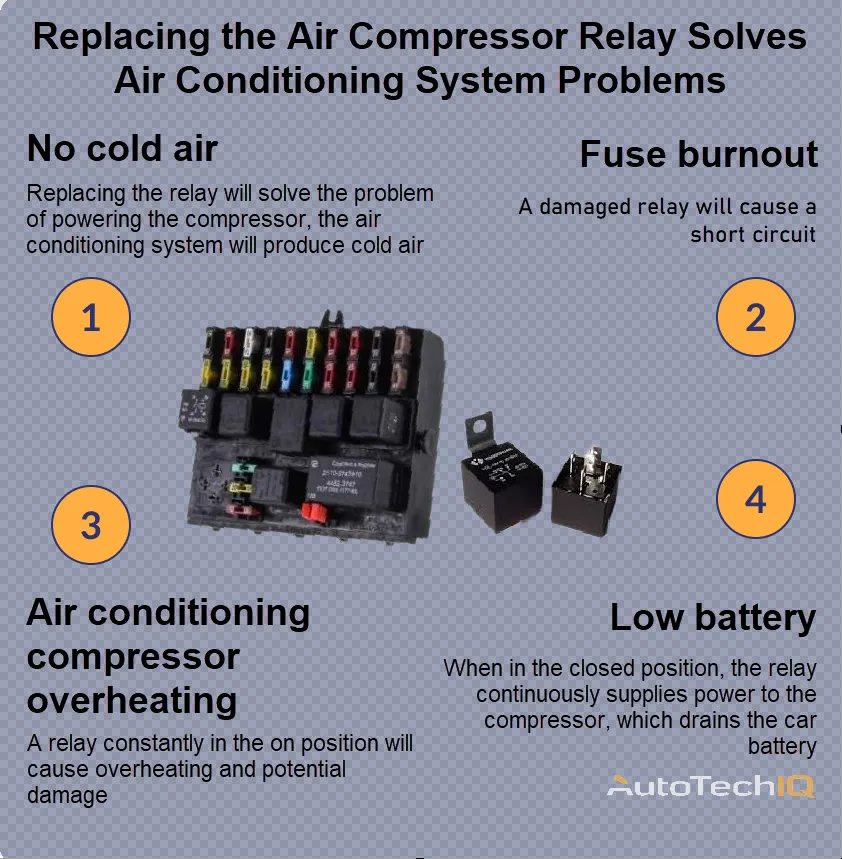
Credit: www.autotechiq.com
Impact On Vehicle Performance
The air compressor plays a vital role in your car’s efficiency. When it fails, it affects your vehicle’s performance significantly. Understanding these impacts helps you make informed decisions.
Increased Engine Load
A faulty air compressor can lead to an increased engine load. This means your engine works harder than it should. Over time, this extra strain can cause:
- Higher engine temperatures
- Increased wear and tear
- Potential engine damage
When the engine struggles, it can create other issues:
- Sluggish acceleration
- Difficulty in maintaining speed
- Unusual engine noises
Fuel Efficiency Concerns
A malfunctioning air compressor can harm your fuel efficiency. Your vehicle may consume more fuel than necessary. This can happen due to:
- Increased engine load
- Poor air-to-fuel mixture
Signs of decreased fuel efficiency include:
| Sign | Possible Cause |
|---|---|
| Frequent trips to the gas station | Air compressor issues |
| Check engine light on | Fuel system problems |
| Poor acceleration | Increased load on the engine |
Improving fuel efficiency saves money and reduces emissions. Regular checks on the air compressor can help maintain performance.
Lifecycle Of Car Air Compressors
The lifecycle of car air compressors is vital to vehicle performance. Understanding this lifecycle helps in planning maintenance and replacements. Knowing when to replace an air compressor can save time and money.
Typical Lifespan Expectations
Car air compressors usually last between 8 to 12 years. Factors like usage and maintenance influence this lifespan. Here’s a quick breakdown:
| Usage Type | Average Lifespan |
|---|---|
| Light Use | 10-12 years |
| Moderate Use | 8-10 years |
| Heavy Use | 5-8 years |
Regular maintenance extends the lifespan. Check the air compressor regularly for signs of wear.
Factors Affecting Durability
Several factors impact the durability of car air compressors:
- Quality of Parts: High-quality parts last longer.
- Maintenance Frequency: Regular checks prevent early failures.
- Driving Conditions: Harsh environments wear parts faster.
- Usage Patterns: Frequent use increases wear and tear.
- Installation Quality: Proper installation ensures optimal performance.
Monitoring these factors helps in making informed decisions. Keep an eye on your compressor for better performance.
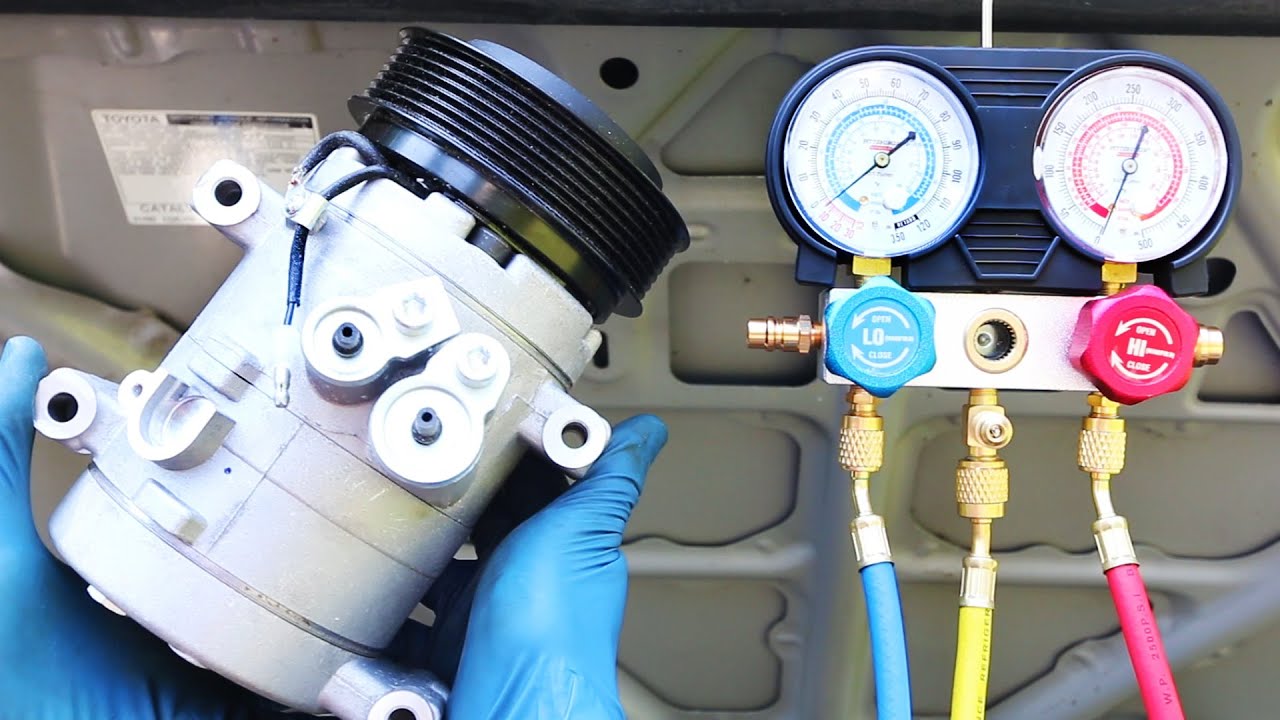
Credit: m.youtube.com
Regular Maintenance Checks
Regular maintenance checks are crucial for your car’s air compressor. They help identify issues early. This can prevent expensive repairs later. Keeping your air compressor in good shape ensures better performance.
Importance Of Routine Inspections
Routine inspections offer many benefits:
- Early Detection: Spot problems before they worsen.
- Improved Efficiency: A well-maintained compressor works better.
- Extended Lifespan: Regular care can prolong its life.
- Cost Savings: Prevent costly breakdowns and repairs.
Inspecting your air compressor regularly keeps it functioning well. It also maintains your car’s overall health.
Service Intervals For Compressors
| Service Type | Recommended Interval |
|---|---|
| Visual Inspection | Every month |
| Fluid Check | Every 3 months |
| Filter Replacement | Every 6 months |
| Full System Check | Annually |
Follow these service intervals to keep your compressor healthy. Adjust based on your driving habits.
Symptoms To Watch For
Recognizing the right symptoms is essential. Knowing these signs helps you decide when to replace your air compressor. Pay attention to your car’s performance. Here are key symptoms to monitor closely.
Weak Airflow Issues
Weak airflow is a clear sign of trouble. Check for these indicators:
- Reduced air pressure inside the cabin
- Unusual noises from the compressor
- Struggling to maintain consistent airflow
If airflow feels weak, the compressor may be failing. It could also mean a leak in the system. Regular checks can help catch these problems early.
Inconsistent Temperature Control
Inconsistent temperature control can be frustrating. Symptoms include:
- Hot air blowing when the AC is on
- Cold air suddenly turning warm
- Temperature fluctuating during use
These issues often indicate a malfunctioning compressor. It may not maintain the correct refrigerant levels. Ignoring this can lead to bigger problems down the road.
Diagnosing Air Compressor Problems
Diagnosing air compressor problems early can save time and money. Understanding the signs of failure helps you act quickly. Here are two effective methods for diagnosing issues.
Professional Assessment
A professional mechanic can accurately assess air compressor issues. They use specialized tools and knowledge. Here are some signs that indicate the need for professional help:
- Strange noises from the compressor.
- Inconsistent cooling performance.
- Unusual smells, like burning or sweet odors.
- Visible leaks or damage.
Technicians often perform the following tests:
- Pressure test to check for leaks.
- Electrical system check for faults.
- Refrigerant level examination.
These assessments can pinpoint the exact problem.
Diy Troubleshooting Tips
Many car owners can diagnose air compressor problems on their own. Start with these basic checks:
- Check the fuse: A blown fuse may stop the compressor.
- Inspect the belts: Look for wear or damage.
- Listen for noises: Unusual sounds may indicate issues.
- Examine the refrigerant levels: Low levels can affect performance.
Follow these steps to troubleshoot:
- Turn on the car and listen for the compressor.
- Observe the air conditioning output.
- Inspect for any visible leaks.
Document any irregularities. This information helps professionals diagnose issues faster.
Cost Considerations For Replacement
Replacing an air compressor in a car involves various costs. Understanding these costs can help you make informed choices. You will consider both repair and replacement options. Knowing the price can save you money and time.
Comparing Repair Vs. Replacement
Deciding between repair and replacement can be tricky. Here are some factors to consider:
- Repair Costs: Repairs typically range from $100 to $500.
- Replacement Costs: New compressors usually cost $500 to $1,200.
- Age of the Vehicle: Older cars may need more repairs.
- Frequency of Breakdowns: Frequent issues may warrant a replacement.
Use this simple table to compare:
| Factor | Repair | Replacement |
|---|---|---|
| Average Cost | $100 – $500 | $500 – $1,200 |
| Time Required | 1 – 3 hours | 3 – 5 hours |
| Longevity | 1 – 2 years | 5 – 10 years |
Budgeting For A New Compressor
Planning a budget for a new compressor is essential. Here are steps to help:
- Determine your budget range.
- Research brands and models.
- Include installation costs.
- Consider warranty options.
- Check for promotions or discounts.
Keep these tips in mind:
- Save 10-15% of your budget for unexpected costs.
- Ask for quotes from different mechanics.
- Look for local reviews on compressor brands.
Making smart choices can save money in the long run. Ensure your vehicle runs smoothly with the right compressor.
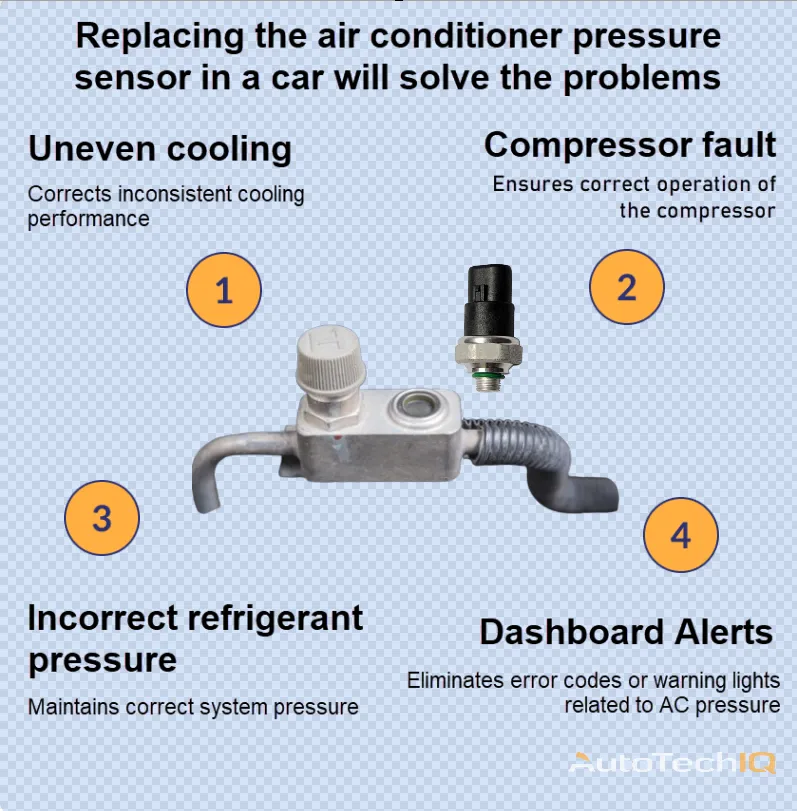
Credit: www.autotechiq.com
Choosing A Replacement Compressor
Replacing your car’s air compressor can be crucial for performance. Choosing the right one impacts longevity and efficiency. Understanding your options helps in making an informed decision.
Oem Vs. Aftermarket Options
When selecting a replacement air compressor, consider these options:
| Option | Pros | Cons |
|---|---|---|
| OEM |
|
|
| Aftermarket |
|
|
Warranty And Quality Factors
Warranties differ significantly between OEM and aftermarket parts. Consider these factors:
- Duration: Check how long the warranty lasts.
- Coverage: Understand what the warranty covers.
- Brand Reputation: Research the brand’s quality.
- User Reviews: Read customer feedback.
High-quality compressors last longer. Don’t compromise on quality for a lower price. A good warranty provides peace of mind.
Installation And Post-replacement Care
Proper installation and care are key for your new air compressor. This ensures it works efficiently and lasts longer.
Professional Installation Benefits
Opting for professional installation offers several advantages:
- Expertise: Professionals know the right techniques and tools.
- Safety: Reduces risks of improper installation.
- Warranty: Many manufacturers require professional setup for warranty coverage.
- Time-Saving: Professionals complete the job faster than DIY methods.
Professionals can identify potential issues during installation. This proactive approach saves money on future repairs.
Maintaining Your New Compressor
Regular maintenance extends your air compressor’s lifespan. Follow these simple steps:
- Check Oil Levels: Ensure oil levels are adequate if your compressor uses oil.
- Change Oil: Change oil every 3,000 to 5,000 miles.
- Inspect Hoses: Look for cracks or wear in hoses.
- Clean Filters: Replace or clean air filters regularly.
- Monitor Performance: Listen for unusual sounds during operation.
Use a maintenance log to track your compressor’s upkeep. This helps identify issues early.
Frequently Asked Questions
When Should I Replace My Car’s Air Compressor?
You should consider replacing your car’s air compressor if it shows signs of wear and tear, such as unusual noises or diminished cooling efficiency. Typically, if repairs are frequent or costs exceed half the price of a new unit, replacement is a more economical choice.
What Are The Signs Of A Failing Air Compressor?
Common signs of a failing air compressor include inconsistent cooling, strange noises, and fluid leaks. If you notice these issues, it’s essential to have it checked immediately. Ignoring these symptoms can lead to more extensive damage and costly repairs later on.
How Long Do Car Air Compressors Last?
Car air compressors generally last between 10 to 15 years, depending on usage and maintenance. Factors like climate and driving conditions also affect their lifespan. Regular servicing can help extend their life, ensuring your vehicle’s air conditioning system operates efficiently.
Can I Repair My Air Compressor Instead Of Replacing It?
Yes, in some cases, you can repair your air compressor. Minor issues like leaks or electrical failures can often be fixed. However, if the compressor is severely damaged, replacement may be more cost-effective and reliable for long-term use.
Conclusion
Air compressors play a vital role in your car’s performance. Recognizing the signs of wear is essential for timely replacement. Regular maintenance can extend their lifespan. Always consult a professional if you notice issues. Keeping your air compressor in top shape ensures a smoother, more efficient ride.
Take action before problems escalate.