
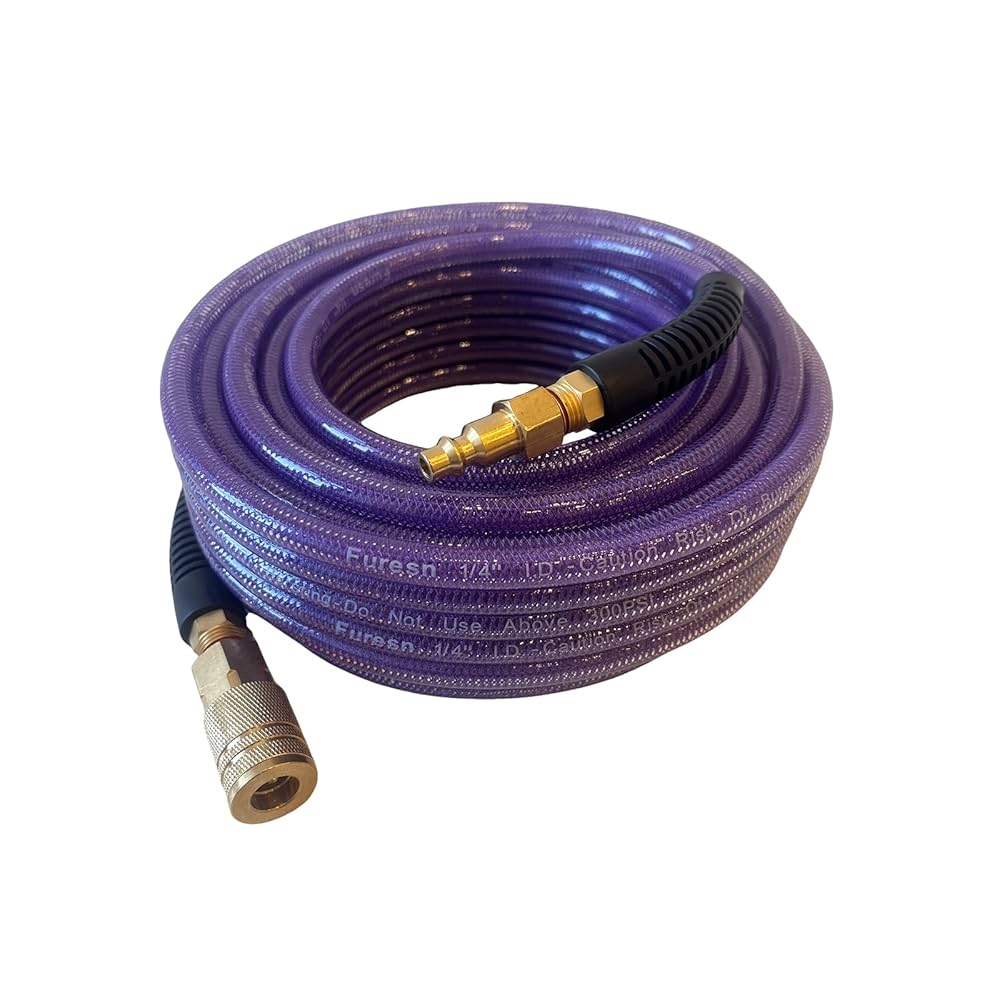
When you’re working with air tools or filling tires, having the right hose can make all the difference. A 100 ft air compressor hose gives you the freedom to move around without constantly unplugging and reconnecting.
Imagine the convenience of reaching every corner of your workspace or garage with ease. You’ll discover why this length matters, how to choose the best hose for your needs, and tips to get the most out of your air compressor setup.
Ready to upgrade your tool game? Keep reading and take control of your projects like never before.
Choosing The Right Hose Material
Choosing the right hose material is key for a 100 ft air compressor hose. The material affects how well the hose works and how long it lasts. Picking the right type keeps your tools running smoothly. It also helps avoid leaks and damage.
Different materials suit different jobs and environments. Some are flexible, others are tough. Knowing the options helps you pick the best hose for your needs.
Rubber Vs Pvc
Rubber hoses are soft and flexible. They handle heat and cold well. Rubber is good for rough jobs and heavy use. It resists cracking and kinking.
PVC hoses are lighter and cheaper. They are stiffer and less flexible than rubber. PVC works well in dry, mild settings. It does not handle extreme heat well.
Hybrid Options
Hybrid hoses mix rubber and PVC features. They balance flexibility and strength. These hoses resist wear and tear better. Hybrids fit many tasks and weather types. They offer good value for many users.
Durability Factors
Durability depends on material thickness and quality. Look for hoses with strong outer layers. Reinforced hoses resist punctures and stretching. Check for UV and chemical resistance too. A durable hose saves money and time.
Hose Diameter And Length Impact
The diameter and length of a 100 ft air compressor hose play a crucial role in its performance. These factors directly affect how air flows through the hose. Choosing the right size can improve efficiency and avoid issues with pressure loss. Understanding these impacts helps in selecting the best hose for your needs.
Effect On Airflow
Hose diameter controls the volume of air that passes through. Larger diameters allow more air to flow easily. Smaller diameters restrict airflow and may slow down tools. Length also matters; longer hoses have more resistance. This resistance can reduce the air reaching your equipment.
Pressure Drop Considerations
Pressure drops occur when air moves through the hose. Longer hoses cause more pressure drop. Smaller diameters increase this effect too. Low pressure can make tools work poorly or stop. Using the right hose size helps keep steady pressure and tool power.
Optimal Length For 100 Ft
One hundred feet is a common hose length for many tasks. It offers good reach without too much pressure loss. Pairing this length with a wider diameter reduces airflow problems. For most air compressors, a hose diameter of 3/8 to 1/2 inch works well at 100 feet.
Fittings And Couplers
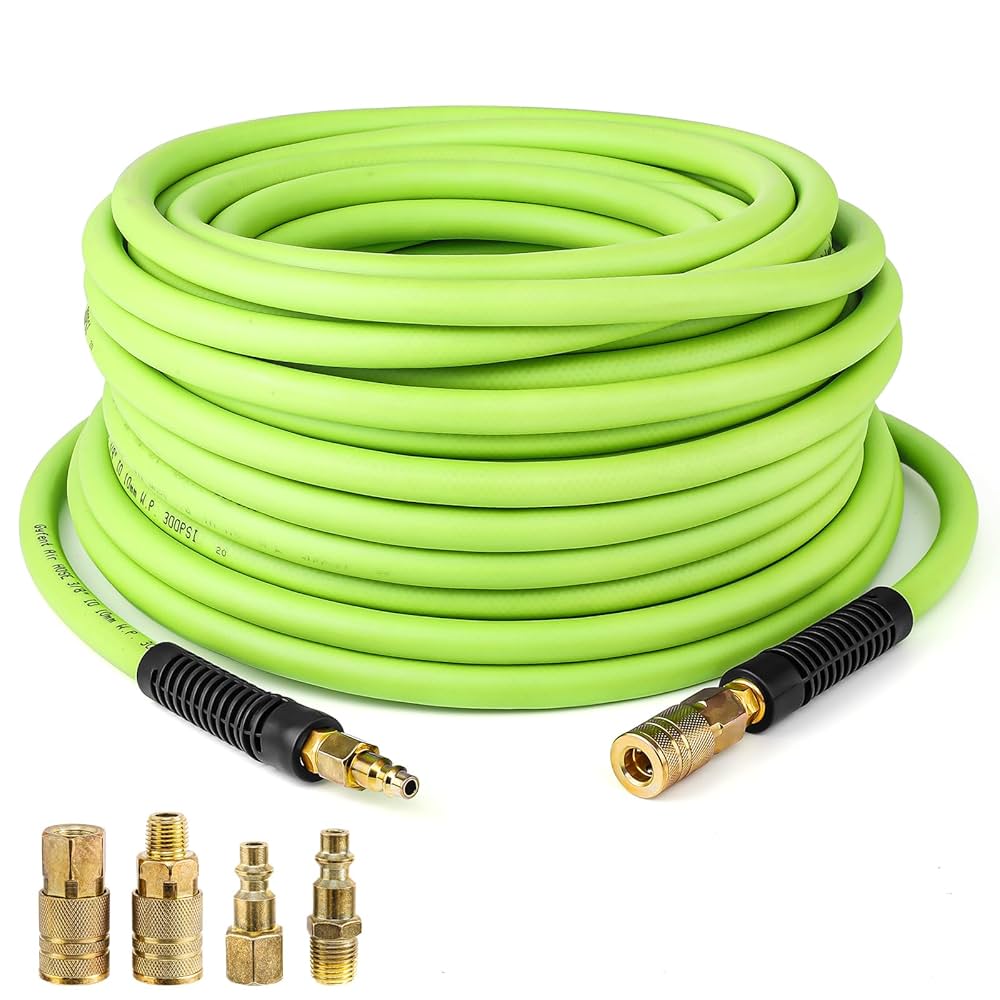
Fittings and couplers are important parts of a 100 ft air compressor hose. They connect the hose to tools and machines. Good fittings keep air from leaking. They also make changing tools fast and easy. Choosing the right fittings helps the hose work better and last longer.
Types Of Fittings
There are several types of fittings for air compressor hoses. Threaded fittings screw onto the hose and tools. They create a tight seal. Push-to-connect fittings snap into place quickly. Barbed fittings use clamps to hold the hose tight. Each type fits different needs and tools.
Ensuring Secure Connections
Secure connections stop air leaks and loss of pressure. Tight fittings keep air flow steady. Use clamps or thread tape for extra security. Check fittings often for wear or damage. Replace old or broken parts to avoid problems.
Quick-connect Benefits
Quick-connect couplers save time by allowing fast tool changes. They click on and off without twisting or tools. This helps work move faster and easier. Quick-connects also reduce hose wear by avoiding repeated screwing. They are a popular choice for many users.
Credit: www.amazon.com
Maintaining Air Compressor Hoses
Maintaining air compressor hoses helps extend their life and keeps them safe to use. A 100 ft air compressor hose can last longer with simple care. Regular checks and proper handling avoid costly repairs and downtime.
Regular Inspection Tips
Check hoses often for cracks, leaks, or wear. Look closely at the ends and fittings. Small holes or tears reduce air pressure and cause problems. Replace damaged hoses right away to avoid accidents. Clean hoses to remove dirt and oil that can weaken material.
Preventing Kinks And Damage
Avoid sharp bends that cause kinks. Kinks block airflow and damage the hose. Use hose reels or guides to keep the hose straight. Do not step on or drive over the hose. Keep it away from sharp objects and hot surfaces. Handle with care during use and storage.
Proper Storage Techniques
Store the hose in a cool, dry place out of sunlight. Coil it loosely to prevent tight bends. Use a hose hanger or reel to keep it off the ground. Avoid folding or crushing the hose. Proper storage stops cracks and keeps the hose flexible for next use.
Safety Precautions
Using a 100 ft air compressor hose safely is very important. This hose handles high air pressure. Mistakes can cause accidents or damage. Follow safety rules to protect yourself and others. Use the hose carefully and check it often for problems.
Handling High Pressure
Air pressure inside the hose can be very strong. Always check the pressure limit of your hose. Never use more pressure than the hose can hold. Connect the hose tightly to avoid air leaks. Turn off the compressor before disconnecting the hose. This prevents sudden air bursts.
Avoiding Hose Bursts
Inspect the hose for cracks, cuts, or weak spots before use. Avoid sharp bends and kinks in the hose. Do not drag the hose over rough surfaces. Store the hose away from heat and sunlight. Replace the hose immediately if it shows signs of damage.
Using Protective Gear
Wear safety goggles to protect your eyes from debris. Use gloves to shield your hands from air blasts and hot surfaces. Wear ear protection if the compressor noise is loud. Closed-toe shoes protect your feet from dropped tools or hose parts. Always keep a safe distance from the hose during use.
Troubleshooting Common Issues
Troubleshooting common issues with a 100 ft air compressor hose helps keep your tools working well. Problems like leaks, low airflow, and hose wear can slow down your tasks. Fixing these quickly saves time and money. Here are simple ways to handle these common problems.
Identifying Leaks
Leaks reduce air pressure and waste energy. To find leaks, listen for hissing sounds near the hose. You can also apply soapy water to the hose surface. Bubbles will form at the leak spot. Mark the leak area for repair or replacement.
Fixing Reduced Airflow
Low airflow means less power for your tools. Check the hose for kinks or twists that block air. Clean the hose inside if dirt or debris builds up. Make sure the connectors are tight and not damaged. Replace parts that block air flow.
Dealing With Hose Wear
Wear and tear cause cracks and weak spots in the hose. Inspect the hose regularly for cracks or soft areas. Avoid dragging the hose over rough surfaces. Store the hose in a cool, dry place. Replace the hose if damage is severe to avoid accidents.
Enhancing Performance With Accessories
Enhancing the performance of your 100 ft air compressor hose is easy with the right accessories. These tools help maintain airflow, protect your equipment, and improve safety. Small additions can make a big difference in how well your hose works.
Choosing accessories that fit your needs keeps your air compressor running smoothly. They reduce wear and tear on the hose and other parts. This saves time and money in the long run.
Using Hose Reels
Hose reels keep your air compressor hose organized and untangled. They make storing the hose simple and quick. This prevents damage from bending or twisting.
Using a reel also helps you pull out the exact length you need. It keeps your workspace neat and safe. Hose reels extend the life of your hose by reducing stress on the material.
Adding Inline Filters
Inline filters remove dirt and moisture from the air. Clean air improves the performance of your tools. It also protects your air compressor from damage.
Filters keep your hose clear and free of blockages. They make sure your equipment runs smoothly. Replacing filters regularly keeps them working well.
Pressure Regulators
Pressure regulators control the air pressure coming through the hose. Correct pressure prevents damage to your tools. It also improves accuracy in your work.
Using a regulator saves energy by avoiding too much pressure. It helps you work safely and efficiently. Adjust the pressure to match each tool’s needs.

Credit: www.ebay.com

Credit: www.amazon.com
Frequently Asked Questions
What Is A 100 Ft Air Compressor Hose Used For?
A 100 ft air compressor hose delivers compressed air over long distances. It’s ideal for large workshops, outdoor jobs, and pneumatic tools. The length provides flexibility and reach without moving the compressor frequently.
How Do I Choose The Best 100 Ft Air Compressor Hose?
Consider durability, material, diameter, and pressure rating. PVC and rubber hoses are common. Match hose diameter with your compressor’s output for efficiency. Check for kink resistance and weather durability for outdoor use.
Can A 100 Ft Air Compressor Hose Affect Air Pressure?
Yes, longer hoses may reduce air pressure slightly. Pressure drops due to friction inside the hose. Using a larger diameter hose minimizes pressure loss. Proper maintenance also ensures optimal performance.
Is A 100 Ft Air Compressor Hose Compatible With All Compressors?
Most hoses fit standard compressor fittings, but check compatibility. Ensure the hose’s PSI rating matches your compressor’s output. Adapters can help connect different fitting sizes securely.
Conclusion
A 100 ft air compressor hose offers great reach for many tasks. It lets you work far from the compressor without moving it. Choose a hose that is strong and flexible for easy use. Proper care helps the hose last longer and stay safe.
With the right hose, your air tools perform better and work faster. A good hose makes jobs easier and saves your time. Think about size, material, and durability before buying one. This small step improves your whole air compressor setup.