

A 2-stage air compressor offers higher pressure and efficiency than a single-stage model. Ideal for heavy-duty applications, it can handle demanding tasks effectively.
Choosing the right air compressor is crucial for various applications, from automotive work to industrial tasks. A 2-stage air compressor is designed for efficiency and durability, delivering compressed air at higher pressures than its single-stage counterparts. This makes it suitable for tasks requiring sustained power, such as spray painting, sandblasting, or running pneumatic tools.
Users benefit from faster recovery times and a more consistent air supply. Understanding the differences between these compressors helps in making an informed decision that aligns with your specific needs. This guide will compare the features and benefits of 2-stage air compressors to assist you in your selection process.
Introduction To 2 Stage Air Compressors
2 stage air compressors are powerful machines. They compress air in two steps, allowing for higher pressure. These compressors suit various applications. They are popular in workshops, factories, and construction sites.
The Basics Of Air Compression
Air compression involves reducing the volume of air. This process increases air pressure. Here are some key points about air compression:
- Compressors take in air and reduce its volume.
- The process generates heat during compression.
- 2 stage compressors manage heat better than single stage ones.
In a 2 stage compressor, air goes through two compression cycles. This results in greater efficiency and performance. The first stage compresses air to an intermediate pressure. The second stage further compresses it to the final pressure.
Advantages Of 2 Stage Systems
2 stage air compressors offer several benefits:
- Higher efficiency: They use less energy for more output.
- Improved performance: They provide stable and consistent pressure.
- Longer lifespan: Less wear and tear leads to durability.
- Better heat management: They cool air between stages, preventing overheating.
These advantages make 2 stage systems ideal for heavy-duty tasks. They handle demanding applications with ease. Understanding these benefits helps in choosing the right compressor for your needs.
Key Features Of 2 Stage Air Compressors
2 stage air compressors offer unique features that enhance performance. They are designed for heavy-duty use. Understanding these features helps you choose the right model.
Pressure Capabilities
2 stage air compressors excel in providing high pressure. Here are some key points about their pressure capabilities:
- Typical pressure range: 70 to 175 PSI.
- Ideal for pneumatic tools and heavy machinery.
- Efficient for tasks requiring constant pressure.
These compressors can handle demanding jobs. They are perfect for industrial and commercial applications.
Energy Efficiency
Energy efficiency is crucial in 2 stage air compressors. Here are some highlights:
| Feature | Benefit |
|---|---|
| Two-stage compression | Reduces energy consumption. |
| Low RPM operation | Minimizes wear and tear. |
| High CFM ratings | Maximizes output with lower input. |
These features lead to lower utility bills. They also contribute to a longer lifespan for the compressor.
Single Stage Vs. 2 Stage Compressors
Choosing between a single stage and a 2 stage air compressor can be challenging. Each type has unique benefits and uses. Understanding their differences helps in making an informed decision.
Performance Differences
Single stage compressors compress air in one stroke. They are efficient for lower pressure needs. Typical output ranges from 90 to 120 PSI. These compressors work well for small tasks.
2 stage compressors compress air in two strokes. They can generate higher pressures, often exceeding 150 PSI. This makes them ideal for heavy-duty applications. They also run cooler and last longer.
| Feature | Single Stage Compressor | 2 Stage Compressor |
|---|---|---|
| Pressure Output | 90-120 PSI | 150 PSI and above |
| Cooling | Less efficient | More efficient |
| Typical Use | Light-duty tasks | Heavy-duty tasks |
Suitable Applications
Single stage compressors fit well for:
- Tire inflation
- Brushing and painting
- Small pneumatic tools
2 stage compressors are better suited for:
- Industrial applications
- Automotive repair shops
- Manufacturing facilities
Understanding these differences helps select the right compressor for your needs. A single stage may suffice for simple tasks. For more demanding jobs, a 2 stage is the way to go.
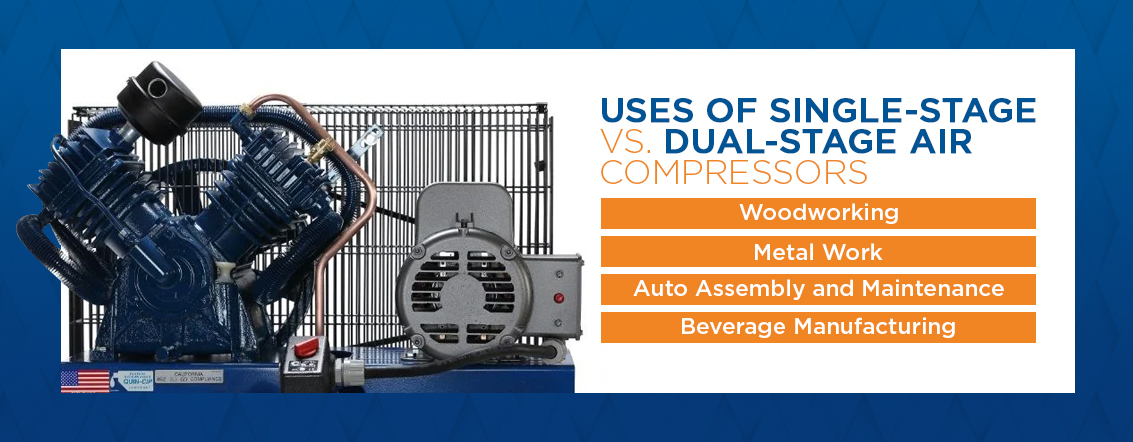
Credit: www.quincycompressor.com
Critical Components Of 2 Stage Compressors
Understanding the critical components of 2 stage compressors is essential. These parts work together to ensure efficient operation. Let’s explore two key components: pumps and motors, and air tanks and pressure switches.
Pumps And Motors
Pumps and motors are the heart of 2 stage compressors. They create the pressure needed for various tasks. Here are some important aspects:
- Pumps: They compress air in two stages for higher pressure.
- Motors: They power the pumps, driving efficiency.
- Types: Common types include electric and gas motors.
| Component | Function |
|---|---|
| Pump Stage 1 | Initial compression of air. |
| Pump Stage 2 | Final compression to desired pressure. |
| Motor | Powers the pump for optimal performance. |
Air Tanks And Pressure Switches
Air tanks and pressure switches are vital for storing and regulating compressed air. Their functions include:
- Air Tanks: Store compressed air for later use.
- Pressure Switches: Control the compressor’s on/off cycle.
- Safety: Prevent over-pressurization of the system.
Consider the following factors:
- Tank size affects how much air can be stored.
- Pressure switch settings determine the compressor’s efficiency.
- Regular maintenance is essential for both components.
Selecting The Right 2 Stage Air Compressor
Choosing the right 2 stage air compressor can make a big difference. The right model boosts performance and efficiency. This guide helps you assess your needs and consider size and power.
Assessing Your Needs
Start by identifying your specific requirements. Here are some key factors:
- Type of work: What tasks will you perform?
- Air tools: Do you use pneumatic tools? If yes, which ones?
- Usage frequency: How often will you use the compressor?
Understanding these aspects helps narrow down your choices. Consider the CFM (Cubic Feet per Minute) requirements of your tools. Most air tools need a specific CFM level to operate efficiently.
Considering The Size And Power
Size and power play crucial roles in selecting a compressor. Here are some important points:
| Size | Power | Suitable Applications |
|---|---|---|
| Small (1-3 HP) | Low power | Home use, light tasks |
| Medium (4-6 HP) | Moderate power | Workshops, automotive tasks |
| Large (7+ HP) | High power | Industrial, heavy-duty tasks |
Choose a size that fits your workspace. Ensure the compressor has enough power for your tasks. A 2 stage air compressor provides better pressure and efficiency. This feature is perfect for demanding jobs.
Top Brands And Models
Choosing the right two-stage air compressor is crucial for your needs. Several brands stand out for their reliability, performance, and features. Let’s explore the top brands and models in this category.
Industry Leaders
Some brands have established themselves as industry leaders in the air compressor market. They offer quality, durability, and innovation. Here are a few top brands:
- Ingersoll Rand – Known for high-performance compressors.
- California Air Tools – Offers quiet and lightweight models.
- Quincy Compressor – Trusted for durability and efficiency.
- DeWalt – Popular for versatile and portable units.
Comparative Analysis
Here is a comparison of some popular two-stage air compressor models:
| Brand | Model | Horsepower | CFM | Tank Size |
|---|---|---|---|---|
| Ingersoll Rand | SS3L3 | 3 HP | 11.3 CFM | 80 Gallons |
| California Air Tools | CAT-60040CAD | 1.0 HP | 6.40 CFM | 4.0 Gallons |
| Quincy Compressor | QGS-5 | 5 HP | 19.6 CFM | 60 Gallons |
| DeWalt | D55146 | 4 HP | 10.2 CFM | 4.5 Gallons |
Consider features such as horsepower, CFM, and tank size. These specifications affect performance and efficiency.
Choosing the right model depends on your specific needs. Evaluate your requirements carefully before making a decision.
Maintenance Tips For 2 Stage Compressors
Maintaining your 2 stage air compressor is crucial for its longevity and efficiency. Proper care ensures optimal performance and reduces the risk of breakdowns. Follow these tips to keep your compressor running smoothly.
Regular Upkeep
Regular maintenance helps prevent major issues. Follow these steps for effective upkeep:
- Check Oil Levels: Inspect oil levels weekly. Change oil according to the manufacturer’s schedule.
- Change Air Filters: Replace air filters every 3-6 months. Clogged filters reduce efficiency.
- Inspect Hoses and Fittings: Look for cracks or leaks. Replace damaged hoses immediately.
- Drain the Tank: Release moisture from the tank daily. This prevents rust and corrosion.
Troubleshooting Common Issues
Identifying problems early can save time and money. Here are common issues and solutions:
| Problem | Possible Cause | Solution |
|---|---|---|
| Compressor won’t start | Power supply issue | Check electrical connections. |
| Low pressure | Leaking hoses | Inspect and replace hoses. |
| Excessive noise | Loose components | Tighten all bolts and screws. |
| Overheating | Blocked ventilation | Clean vents and check airflow. |
Following these maintenance tips helps ensure your 2 stage compressor remains efficient. Regular checks can prevent costly repairs and extend its lifespan.
Credit: www.regionsneuro.com
Cost Analysis And Value
Understanding the cost analysis of a 2-stage air compressor helps buyers make informed decisions. The price tag includes not just the initial cost but also long-term savings. These factors are crucial for evaluating value.
Initial Investment
The initial investment for a 2-stage air compressor varies. Here are some typical price ranges:
- Small models: $300 – $600
- Medium models: $600 – $1,200
- Large models: $1,200 – $3,000
Higher-end models may offer more features. Consider the following:
- Power and capacity
- Durability and build quality
- Brand reputation
Choose a model that fits your needs. Investing in a reliable unit pays off in the long run.
Long-term Savings
Long-term savings are significant with a 2-stage air compressor. Here are key savings factors:
- Energy Efficiency: 2-stage compressors use less energy.
- Maintenance Costs: Lower maintenance needs save money.
- Longevity: Quality models last longer than cheaper options.
Consider the following table for potential savings:
| Feature | Standard Compressor | 2-Stage Compressor |
|---|---|---|
| Energy Use (kWh per year) | 1200 | 800 |
| Maintenance Costs (per year) | $200 | $100 |
| Expected Lifespan (years) | 5 | 10 |
Investing upfront in a 2-stage compressor often leads to lower overall costs. The combination of energy savings and reduced maintenance makes it a smart choice.
Installation Best Practices
Proper installation of a 2 stage air compressor is crucial. It ensures optimal performance and longevity. Follow these best practices to achieve safe and efficient installation.
Professional Vs. Diy
Choosing between professional installation and DIY depends on your skills and comfort level. Here are some points to consider:
| Aspect | Professional Installation | DIY Installation |
|---|---|---|
| Skill Level | Requires expertise | Basic tools and knowledge |
| Time | Usually quicker | May take longer |
| Cost | Higher initial cost | Lower cost |
| Warranty | Often includes warranty | May void warranty |
Consider your budget and expertise. Choose the option that suits you best.
Safety Protocols
Safety is vital during installation. Follow these safety protocols:
- Always wear protective gear, including gloves and goggles.
- Ensure the area is well-ventilated.
- Disconnect power before installation.
- Use proper tools for installation.
- Check for leaks after installation.
Follow these steps to ensure a safe working environment. Safety should never be overlooked.
Future Trends In Air Compressors
The air compressor industry is evolving rapidly. New technologies and eco-friendly solutions are changing the landscape. Understanding these trends helps in making informed choices.
Technological Advancements
Air compressors are becoming smarter and more efficient. Here are some key advancements:
- IoT Integration: Smart sensors monitor performance in real-time.
- Variable Speed Drives: Adjust motor speed for energy savings.
- Noise Reduction: Quieter models improve workplace comfort.
- Advanced Controls: User-friendly interfaces enhance operation.
These advancements lead to:
- Increased efficiency.
- Lower operational costs.
- Improved reliability.
Eco-friendly Options
Sustainability is a major focus in the air compressor market. Companies are introducing eco-friendly solutions to reduce environmental impact:
| Option | Benefits |
|---|---|
| Electric Compressors | Lower emissions and energy consumption. |
| Oil-Free Compressors | Cleaner air for sensitive applications. |
| Recyclable Materials | Less waste in manufacturing processes. |
Businesses are shifting towards green technologies. This shift helps in achieving sustainability goals and reduces costs.

Credit: www.youtube.com
Frequently Asked Questions
What Is A 2 Stage Air Compressor?
A 2 stage air compressor compresses air in two phases. The first stage compresses the air to an intermediate pressure. The second stage further compresses it to the final desired pressure. This design improves efficiency and increases output pressure, making it ideal for heavy-duty applications.
How Does A 2 Stage Air Compressor Work?
A 2 stage air compressor uses two cylinders for compression. In the first cylinder, air is drawn in and compressed to an intermediate pressure. Then, it moves to the second cylinder, where it’s compressed to a higher pressure. This process results in a more efficient and powerful output.
What Are The Benefits Of A 2 Stage Air Compressor?
The benefits include higher efficiency and increased output pressure. They are ideal for demanding tasks requiring consistent performance. Additionally, they produce less heat, resulting in longer equipment life. Users can expect improved reliability and lower operational costs over time.
When Should I Choose A 2 Stage Air Compressor?
Choose a 2 stage air compressor for heavy-duty applications. It’s ideal for tasks like sandblasting, spray painting, and pneumatic tool operation. If you require high pressure and volume consistently, this type is your best choice. It ensures optimal performance in demanding work environments.
Conclusion
Choosing the right two-stage air compressor can significantly impact your projects. Consider factors like power, efficiency, and noise levels. By comparing features and specifications, you can find the best model for your needs. Make an informed decision to ensure reliability and performance in your work environment.
Happy compressing!