

If you use a compressor regularly, you know how important it is to have the right air hose. Your air hose connects your compressor to the tools you rely on every day.
But not all hoses are created equal. Choosing the wrong one can lead to leaks, poor performance, or even damage to your equipment. You’ll discover exactly what makes a great air hose for your compressor and how to pick the perfect one for your needs.
Keep reading to make sure your compressor works smoothly and efficiently every time you use it.
Types Of Air Hoses
Air hoses for compressors come in various types. Each type suits different tasks and environments. Choosing the right hose is important for safety and efficiency. Understanding the common types helps you pick the best one for your work.
Rubber Hoses
Rubber hoses are strong and flexible. They handle high pressure well. These hoses resist heat and wear. Ideal for heavy-duty tasks and outdoor use. They stay soft even in cold weather.
Pvc Hoses
PVC hoses are lightweight and affordable. They work well for light to medium jobs. These hoses resist chemicals and moisture. Less flexible than rubber but easy to store. Great for indoor use and simple tasks.
Hybrid Hoses
Hybrid hoses mix rubber and PVC materials. They offer good flexibility and strength. Hybrid hoses weigh less than rubber hoses. Suitable for various tasks, indoors or outdoors. They balance durability and ease of use.
Polyurethane Hoses
Polyurethane hoses are very light and tough. They resist abrasion and kinks well. These hoses stay flexible even in cold temperatures. Perfect for jobs needing easy handling. They last long and keep air flowing smoothly.
Key Features To Consider
Choosing the right air hose for your compressor is important for good performance. Different jobs need different hose features. These features affect how well the hose works and how long it lasts. Knowing what to check helps you pick the best hose for your needs.
Length And Diameter
The hose length decides how far you can work from the compressor. A longer hose gives more reach but can lower air pressure. Diameter affects air flow. Bigger diameter means more air passes through. Match length and diameter to your tools and work area.
Flexibility And Weight
Flexible hoses are easier to move around and store. Heavy hoses may be hard to carry and use for a long time. Look for a hose that bends easily without kinking. Light hoses reduce fatigue and improve work speed.
Pressure Ratings
Pressure rating shows how much air pressure the hose can handle safely. Choose a hose with a pressure rating higher than your compressor’s output. This prevents bursts and keeps you safe during work.
Temperature Resistance
Air hoses must handle the temperature of the air and environment. Some hoses work well in cold or hot conditions. Check the hose’s temperature rating to match your work area. This stops damage and extends hose life.
Choosing The Right Hose Material
Choosing the right hose material is key for a good air compressor setup. The hose must handle air pressure and stay safe. It also needs to last through daily use. Picking the wrong material can cause leaks or breaks. This wastes time and money. Understanding a few important factors helps you select the best hose.
Durability And Wear Resistance
Durability means how long the hose lasts under tough use. Some materials resist cuts, cracks, and bending better. Look for hoses that stand up to rough handling. Wear resistance helps the hose keep its shape and strength. A durable hose saves money because it needs fewer replacements.
Chemical Compatibility
The hose may touch oils, fuels, or other chemicals. Some materials break down or weaken with certain chemicals. Check if the hose material works with the chemicals around your compressor. This avoids damage and keeps air clean. Chemical-compatible hoses last longer and stay safe to use.
Environmental Factors
Temperature changes and sunlight affect hose materials. Some hoses crack in cold weather or get sticky in heat. UV rays from sunlight can also damage some materials. Choose a hose material that fits your work environment. This keeps the hose flexible and strong all year.
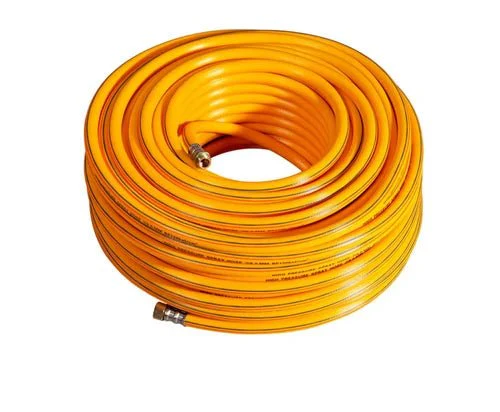
Credit: kgntraders.in
Fittings And Couplers
Fittings and couplers are essential parts of an air hose for compressors. They join hoses and tools. Strong connections keep air pressure steady and safe. Choosing the right fittings improves tool performance and reduces downtime.
Fittings come in various shapes and sizes. Each type suits different tasks and tools. Couplers help connect and disconnect hoses quickly. They save time and effort during work.
Types Of Fittings
Threaded fittings screw tightly to hose ends or tools. They provide a solid, durable connection. Barbed fittings push inside flexible hoses. Clamps hold them securely in place. Flanged fittings use bolts for extra strength. Choose fittings that match your hose size and tool.
Quick Connect Options
Quick connect couplers speed up hose changes. They click together and pull apart easily. Some have a locking feature to prevent accidental disconnection. These couplers reduce leaks and save time. They suit busy workshops and job sites well.
Ensuring Leak-free Connections
Leaks waste air and reduce compressor efficiency. Tighten fittings properly to stop leaks. Use thread seal tape on threaded fittings. Check couplers for wear or damage regularly. Replace old or worn parts to keep connections tight. Proper care extends hose life and saves energy.
Maintenance Tips
Keeping your air hose in good shape extends its life and keeps your compressor working well. Simple maintenance steps help avoid leaks and damage. Follow these tips to care for your air hose properly.
Proper Storage
Store the air hose in a cool, dry place. Avoid direct sunlight and extreme heat. Coil the hose loosely to prevent kinks and cracks. Use hose reels or hooks to keep it off the ground. Proper storage stops damage and keeps the hose flexible.
Regular Inspections
Check your air hose often for signs of wear. Look for cracks, holes, or leaks. Inspect fittings and connectors for tightness. Replace damaged parts immediately to avoid failures. Routine checks help catch problems early.
Cleaning Methods
Clean the hose regularly to remove dirt and debris. Use a soft cloth and mild soap solution. Avoid harsh chemicals that can weaken the hose material. Rinse with clean water and dry before storing. Clean hoses work better and last longer.

Credit: www.amazon.in
Common Mistakes To Avoid
Avoiding common mistakes with air hoses helps keep your compressor safe. It also improves tool performance and extends hose life. Simple errors can cause leaks, bursts, or slow work. Pay attention to these key points to protect your equipment and save money.
Using Incorrect Hose Size
Choosing the wrong hose size reduces air flow. A hose too small causes pressure drops and weak tool power. A hose too large is heavy and hard to handle. Use a hose size that matches your compressor and tools. Check the diameter and length before buying.
Ignoring Pressure Limits
Every air hose has a maximum pressure rating. Exceeding this limit risks bursting and accidents. Use a hose rated for your compressor’s highest pressure. Avoid using old hoses with worn pressure labels. Regularly check the pressure rating to stay safe.
Neglecting Hose Damage
Hoses get cuts, cracks, or wear from daily use. Damaged hoses leak air and cause power loss. Inspect hoses often for cracks, holes, or bulges. Replace hoses showing damage right away. Store hoses properly to prevent kinks and abrasions.
Top Brands And Models
Choosing the right air hose for your compressor is important. The right brand and model improve performance and durability. This section covers top brands and models. It highlights premium options, budget-friendly choices, and customer favorites. Each category offers reliable products for different needs and budgets.
Premium Options
Premium air hoses offer excellent build quality and long life. Brands like Goodyear and Flexzilla lead this segment. Their hoses resist kinks and abrasions well. Many feature strong fittings and flexible materials. These hoses suit heavy use in workshops or job sites. Expect higher pressure ratings and better weather resistance.
Budget-friendly Choices
Budget-friendly hoses provide good value without high cost. Brands like Craftsman and Husky offer solid options. These hoses work well for light to medium tasks. They often use durable PVC or hybrid materials. Many models come in various lengths and diameters. Ideal for home users and occasional projects.
Customer Favorites
Customer favorites blend quality and affordability. DEWALT and California Air Tools rank high here. Their hoses get praise for flexibility and durability. Users appreciate easy handling and reliable fittings. These models suit both beginners and pros. They balance price with strong performance.
Applications And Uses
Air hoses for compressors serve many purposes. They connect tools to air compressors, moving air power to the tool. This makes jobs easier and faster. Below are common places and ways people use air hoses.
Home Workshops
Air hoses are useful in home workshops. They link air compressors to nail guns and paint sprayers. This helps with furniture building and small repairs. The hose moves air smoothly for steady tool power. Many DIY projects get done faster using air hoses.
Industrial Settings
In factories, air hoses handle heavy-duty tasks. They supply air to machines and tools. This keeps production lines running without stops. Strong, durable hoses resist wear and tear. They help workers finish jobs safely and quickly. Air hoses are essential for daily factory work.
Automotive Repairs
Mechanics use air hoses to power impact wrenches and spray guns. Air hoses make tire changes and painting easier. They allow fast, precise tool control in busy garages. The hoses must be flexible and tough to handle movement. This saves time and effort in auto repair shops.

Credit: www.indiamart.com
Frequently Asked Questions
What Is An Air Hose For A Compressor?
An air hose for a compressor transfers compressed air from the compressor to tools. It is flexible, durable, and designed to handle high pressure safely.
How To Choose The Best Air Hose For Compressors?
Choose an air hose by considering length, diameter, material, and pressure rating. Ensure compatibility with your compressor and tools for optimal performance.
Can I Use Any Hose For My Air Compressor?
No, use a hose specifically designed for air compressors. It must withstand high pressure and avoid air leaks for safety and efficiency.
How To Maintain An Air Hose For Compressors?
Regularly inspect for cracks, leaks, or damage. Keep it clean and store it coiled in a dry place to extend its lifespan.
Conclusion
Choosing the right air hose for your compressor improves work quality. It helps deliver steady air pressure and lasts longer. A good hose keeps your tools running smoothly and safely. Remember to check the hose length and material before buying.
Proper care prevents leaks and damage. With the right air hose, your compressor works better every day. Simple steps make a big difference in your projects. Keep your setup efficient and reliable with the right hose choice.