

If you use an air compressor regularly, you know how important the right hose attachment can be. Choosing the perfect air compressor hose attachment can make your work faster, easier, and more efficient.
Imagine cutting down your project time and avoiding frustrating leaks or weak airflow. You’ll discover what to look for in a hose attachment, how to pick one that fits your needs, and tips to get the best performance every time.
Keep reading to unlock the secret to making your air compressor work smarter for you.
Credit: miltonindustries.com
Choosing The Right Hose
Choosing the right air compressor hose makes a big difference in your work. The hose connects your air compressor to tools. It must fit well to avoid leaks and pressure loss. Picking the right hose helps tools work better and last longer. This guide explains key points for choosing the best hose for your needs.
Types Of Air Compressor Hoses
There are three main types of air compressor hoses. Rubber hoses are strong and flexible. They handle high pressure and rough use. PVC hoses are lighter and cheaper. They work well for light tasks but can crack easily. Hybrid hoses mix rubber and PVC. They offer good flexibility and durability.
Material Considerations
The hose material affects its strength and flexibility. Rubber hoses resist heat and chemicals. They stay flexible in cold weather. PVC hoses are less flexible but lighter. Some hoses have braided layers for extra strength. Choose a material that fits your working conditions.
Length And Diameter Impact
Hose length affects air pressure. Longer hoses can reduce pressure at the tool. Choose a length that matches your work area. Hose diameter also matters. Larger diameter hoses allow more air flow. This helps tools run smoothly. Match the diameter to your compressor and tools for best results.

Credit: www.amazon.com
Essential Hose Attachments
Essential hose attachments improve the performance of air compressors. They make work easier and safer. These attachments help control air flow and keep hoses organized. Using the right attachments extends hose life and prevents damage.
Choosing good hose attachments also saves time during tasks. They connect and disconnect quickly. They manage pressure well. They guide the hose to avoid tangles and kinks. These features matter for smooth and efficient work.
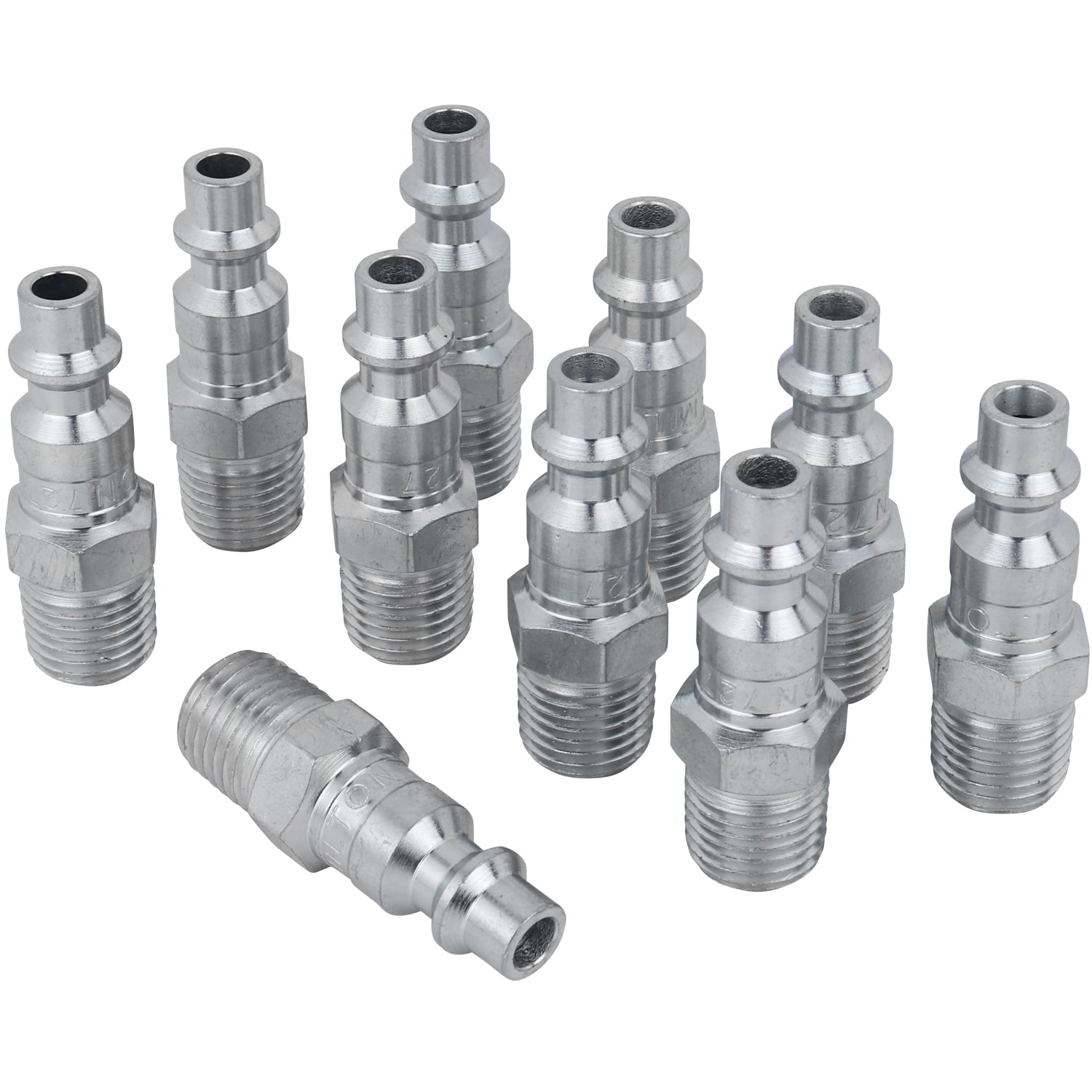
Quick Connect Couplers
Quick connect couplers let you attach or detach hoses fast. They snap together without tools. This saves time and effort on the job. Couplers also reduce air leaks. They keep the connection tight and secure. This ensures steady air flow for tools.
Hose Reels And Guides
Hose reels store hoses neatly. They prevent tangles and damage. Reels also keep hoses off the floor, reducing tripping hazards. Hose guides direct the hose during use. They avoid bends and kinks. This extends the hose’s life and keeps air flowing well.
Pressure Regulators And Gauges
Pressure regulators control the air pressure in the hose. They keep pressure steady for different tools. Gauges show the air pressure clearly. This helps you work safely and avoid damage. Correct pressure improves tool performance and saves energy.
Installation Tips
Installing an air compressor hose attachment correctly ensures safety and efficiency. Proper installation helps prevent leaks and damage. Follow simple steps for a smooth setup.
Proper Connection Techniques
Start by cleaning both the hose end and the compressor fitting. Dirt or debris can cause poor connection. Push the hose firmly onto the fitting. Use a wrench to tighten connections, but avoid over-tightening. Check for a secure fit before use.
Avoiding Kinks And Twists
Lay the hose straight before attaching it. Twists or kinks reduce airflow and damage the hose. Coil the hose loosely when storing to keep it flexible. Avoid sharp bends near fittings to prevent leaks.
Securing Hose Attachments
Use clamps or brackets to hold the hose in place. Secure the hose near the compressor and tool connection points. This reduces strain on connections and stops accidental disconnections. Regularly inspect attachments for wear or loosening.
Maintenance For Longevity
Proper maintenance keeps your air compressor hose attachment working well for years. Regular care prevents damage and costly repairs. It also ensures safe and efficient use every time.
Regular Cleaning Methods
Clean your hose attachment after each use. Wipe the outside with a damp cloth to remove dust and dirt. For stubborn grime, use mild soap and water. Avoid harsh chemicals that can damage the material. Dry the hose completely before storing to stop mold and rust.
Leak Detection And Repair
Check the hose for leaks often. Listen for hissing sounds or feel for air escaping. Use soapy water on connections to spot bubbles showing leaks. Fix small leaks with tape or sealant made for air hoses. Replace the hose if leaks are large or frequent.
Storage Best Practices
Store your hose in a cool, dry place away from sunlight. Coil the hose loosely to stop kinks and cracks. Avoid sharp bends or heavy objects on the hose. Use hooks or reels designed for air hoses for neat storage.
Boosting Efficiency
Boosting efficiency in air compressor hose attachments saves time and energy. Efficient setups reduce wear and tear on equipment. This keeps your tools running smoothly and lowers costs.
Reducing Pressure Drops
Pressure drops waste power and reduce tool performance. Using hoses with the right diameter helps maintain steady pressure. Shorter hoses also limit pressure loss. Choose quality fittings for a tight seal. This avoids leaks that cause pressure drops.
Optimal Hose Routing
Proper hose routing avoids sharp bends and kinks. Smooth paths let air flow freely without resistance. Keep hoses away from heat sources and sharp edges. Secure hoses to prevent dragging or tangling. This protects hoses and keeps air pressure stable.
Using Energy-saving Attachments
Energy-saving attachments reduce air waste and lower power use. Quick-connect fittings save time and prevent leaks. Use shut-off valves to stop air flow when not in use. These small changes add up to big savings on energy bills.

Credit: www.amazon.com
Safety Considerations
Safety is the top priority when using an air compressor hose attachment. These tools work under high pressure and can cause harm if not handled properly. Understanding safety rules helps prevent accidents and injuries. Always follow instructions and use the right equipment to keep yourself safe.
Handling High Pressure
Air compressor hoses carry high pressure air. This pressure can cause the hose to whip or burst if not controlled. Always check the hose for cracks or damage before use. Do not exceed the pressure limit marked on the hose. Use secure fittings and tighten connections firmly to stop leaks.
Personal Protective Equipment
Wear safety glasses to protect your eyes from flying debris. Use gloves to keep your hands safe from sharp edges and hot surfaces. Hearing protection is important if the air compressor is loud. Wear long sleeves and closed shoes to avoid skin injuries.
Emergency Procedures
Know how to quickly turn off the air compressor in an emergency. Keep the area clear of obstacles to move fast if needed. Have a first aid kit nearby for minor injuries. Report any hose damage or accidents to a supervisor right away.
Frequently Asked Questions
What Is An Air Compressor Hose Attachment?
An air compressor hose attachment connects the hose to tools or compressor. It ensures a secure, airtight fit for efficient air flow and tool operation.
How To Choose The Right Hose Attachment Size?
Select an attachment size matching your hose and tool fittings. Common sizes are 1/4″, 3/8″, and 1/2″. Proper sizing prevents leaks and pressure loss.
Can I Use Any Attachment With My Compressor Hose?
No, use attachments compatible with your hose and compressor model. Mismatched parts can cause leaks, damage, or unsafe operation. Always check specifications before buying.
How To Maintain Air Compressor Hose Attachments?
Regularly inspect for wear, cracks, or leaks. Clean attachments and lubricate moving parts as needed. Proper maintenance extends lifespan and ensures reliable performance.
Conclusion
Choosing the right air compressor hose attachment makes a big difference. It helps your tools work better and last longer. A good attachment keeps air pressure steady and prevents leaks. Always check the size and material before buying. This simple step saves time and money.
Keep your equipment safe and efficient with the proper hose attachment. Small details matter for great results. Take care of your tools, and they will take care of you.