
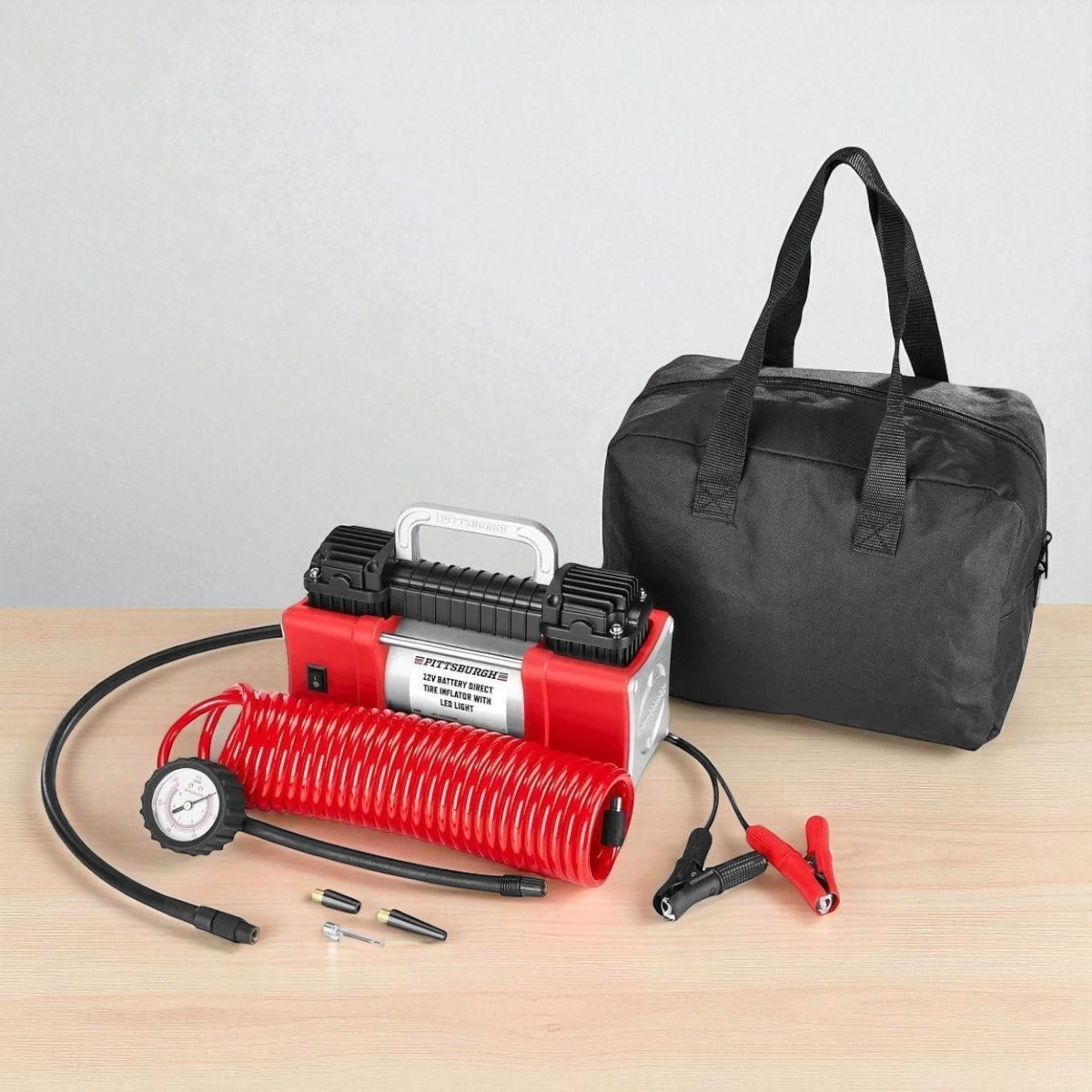
Is your Pittsburgh 12 Volt air compressor not working like it used to? A worn-out or damaged hose might be the problem, and replacing it could save you time and money.
You rely on your air compressor for quick, efficient inflation, so having a faulty hose can be frustrating. In this guide, you’ll discover how to spot when your hose needs replacing and find easy steps to get your compressor back in top shape.
Keep reading to make sure your tool works perfectly every time you need it.
Tools Needed
Replacing the hose on a Pittsburgh 12 Volt Air Compressor requires some basic tools. Having the right tools makes the job easier and safer. Gather all tools before starting to avoid interruptions.
Basic Tools Checklist
You need a few simple tools for this task. A wrench set helps loosen and tighten fittings. Pliers assist in gripping and pulling the hose off. Screwdrivers may be needed to remove clamps or covers. A utility knife can cut the old hose if stuck. Keep a clean rag nearby to wipe any dirt or oil.
Safety Gear
Safety gear protects you during the replacement. Wear gloves to keep your hands safe from sharp edges. Use safety glasses to shield your eyes from debris. Work in a well-lit area to avoid mistakes. Proper gear reduces injury risks and keeps the process smooth.

Credit: qualitydist.net
Identifying The Hose
Identifying the hose of your Pittsburgh 12 Volt air compressor is the first step in any replacement process. Knowing exactly which hose to replace saves time and ensures your compressor works well. A clear understanding helps avoid buying the wrong part. This section guides you through finding and checking the hose correctly.
Locating The Air Compressor Hose
The hose connects the air compressor to the tool or tire. It is usually flexible and made of rubber or plastic. Look near the compressor’s air outlet or the pressure gauge. The hose may coil around the compressor or rest beside it. Find the hose that carries air from the compressor to the output end.
Checking For Damage
Inspect the hose carefully for cracks, holes, or tears. Any damage can cause air leaks and reduce performance. Look for worn spots or stiff areas that do not bend easily. Check both ends of the hose for secure fittings. Damaged hoses need replacement to keep your compressor safe and effective.
Removing The Old Hose
Removing the old hose from your Pittsburgh 12 Volt Air Compressor is a simple task. It helps prepare the unit for a new, functional hose. Follow each step carefully to avoid damage and ensure safety.
Disconnecting Power
First, unplug the air compressor from the power source. This step prevents accidents and electrical shocks. Always confirm the unit is off and unplugged before starting any work.
Detaching The Hose
Next, locate where the hose connects to the compressor. Use your hands or a wrench to loosen the connector. Gently pull the hose away from the unit once it is loose. Avoid using sharp tools that can damage the fittings.

Credit: il.ebay.com
Selecting A Replacement Hose
Selecting the right replacement hose for your Pittsburgh 12 Volt Air Compressor is important. The hose must fit well and work safely. A wrong hose can cause leaks or damage. This section helps you choose the best hose for your needs.
Compatible Hose Types
Choose a hose designed for 12-volt air compressors. Look for hoses made from durable materials like rubber or PVC. These resist wear and tear from frequent use. Check the hose diameter matches your compressor’s fittings. A common size is 1/4 inch. Length matters too. Pick a length that reaches your tires without too much slack. Some hoses have reinforced layers for extra strength. These last longer and handle high pressure better.
Where To Buy
Many stores sell replacement hoses for air compressors. Auto parts shops often carry suitable hoses. Hardware stores may have options too. Online shops offer a wide selection and user reviews. Buy from reputable sellers to ensure quality. Check product descriptions carefully before buying. Compare prices but focus on quality and compatibility.
Installing The New Hose
Installing the new hose on your Pittsburgh 12 Volt air compressor is a simple task. It ensures your tool works smoothly and safely. A proper installation prevents air leaks and keeps pressure steady. Take your time to connect and secure the hose carefully. This step boosts the compressor’s performance and lifespan.
Connecting The Hose Properly
Start by aligning the hose end with the compressor’s outlet. Push the hose firmly onto the fitting. Make sure the hose slides on straight and fully. A loose connection causes air to escape. Check that the hose is not twisted or bent sharply. Smooth curves help maintain strong airflow. If the hose feels tight, adjust it slightly. Proper connection is key for safe operation.
Securing The Fittings
Use clamps or screws to hold the hose in place. Tighten them just enough to prevent slipping. Over-tightening can damage the hose or fittings. Check each fitting for a snug fit. Wiggle the hose gently to test security. Secure fittings stop air leaks and improve safety. Double-check all connections before turning on the compressor.
Testing The Compressor
Testing the Pittsburgh 12 Volt air compressor after replacing the hose is essential. It ensures the compressor works well and safely. Proper testing helps catch problems early and saves time.
Powering On
First, connect the compressor to a power source. Turn it on using the switch or button. Listen for any unusual sounds. The motor should run smoothly without strange noises. Watch the pressure gauge to see if it starts rising.
Checking For Leaks
Check every connection point for air leaks. Spray soapy water on the hose and fittings. Look for bubbles forming; bubbles mean leaks are present. Tighten fittings if you see any bubbles. Replace damaged parts if leaks continue.
Maintenance Tips
Maintaining your Pittsburgh 12 Volt Air Compressor Hose Replacement is key to long life. Small care steps keep it working well. Follow simple tips to avoid damage and leaks. Proper maintenance saves money and time.
Regular Inspection
Check your air compressor hose often for cracks or wear. Look for leaks or weak spots. Catch problems early to prevent bigger damage. Use your hands to feel for soft or brittle areas. Replace the hose if you find any damage. Regular checks keep your compressor safe and ready.
Proper Storage
Store the hose in a cool, dry place away from sunlight. Avoid sharp bends or kinks that can cause cracks. Coil the hose loosely to keep its shape. Do not leave it on the ground where it can get dirty or wet. Proper storage helps the hose last longer and work better.

Credit: www.ebay.com
Frequently Asked Questions
How Do I Replace A Pittsburgh 12 Volt Air Compressor Hose?
To replace the hose, first disconnect the compressor from power. Remove the old hose by unscrewing it. Attach the new hose securely to avoid leaks. Ensure proper fit and test the compressor for air flow after replacement.
What Are Signs My Compressor Hose Needs Replacement?
Look for cracks, leaks, or stiffness in the hose. Reduced air pressure or slow inflation can also indicate hose damage. Regular inspection helps maintain performance and safety when using your Pittsburgh 12 Volt air compressor.
Can I Use Any Hose For Pittsburgh Air Compressor?
It is best to use hoses compatible with the Pittsburgh 12 Volt air compressor. Using the correct hose ensures optimal performance and prevents air leaks. Check specifications for size, pressure rating, and connection type before purchase.
How Long Does A Pittsburgh Air Compressor Hose Last?
With proper care, the hose can last several years. Avoid kinks, extreme temperatures, and physical damage. Regular maintenance and inspection extend the hose’s lifespan and keep your compressor working efficiently.
Conclusion
Replacing the Pittsburgh 12 Volt air compressor hose keeps your device working well. A new hose helps avoid leaks and saves time. It also ensures safe and steady air flow. Follow simple steps to change the hose quickly. Keep your air compressor ready for any task.
Small care makes a big difference. Trust the process and enjoy smooth performance every time.