
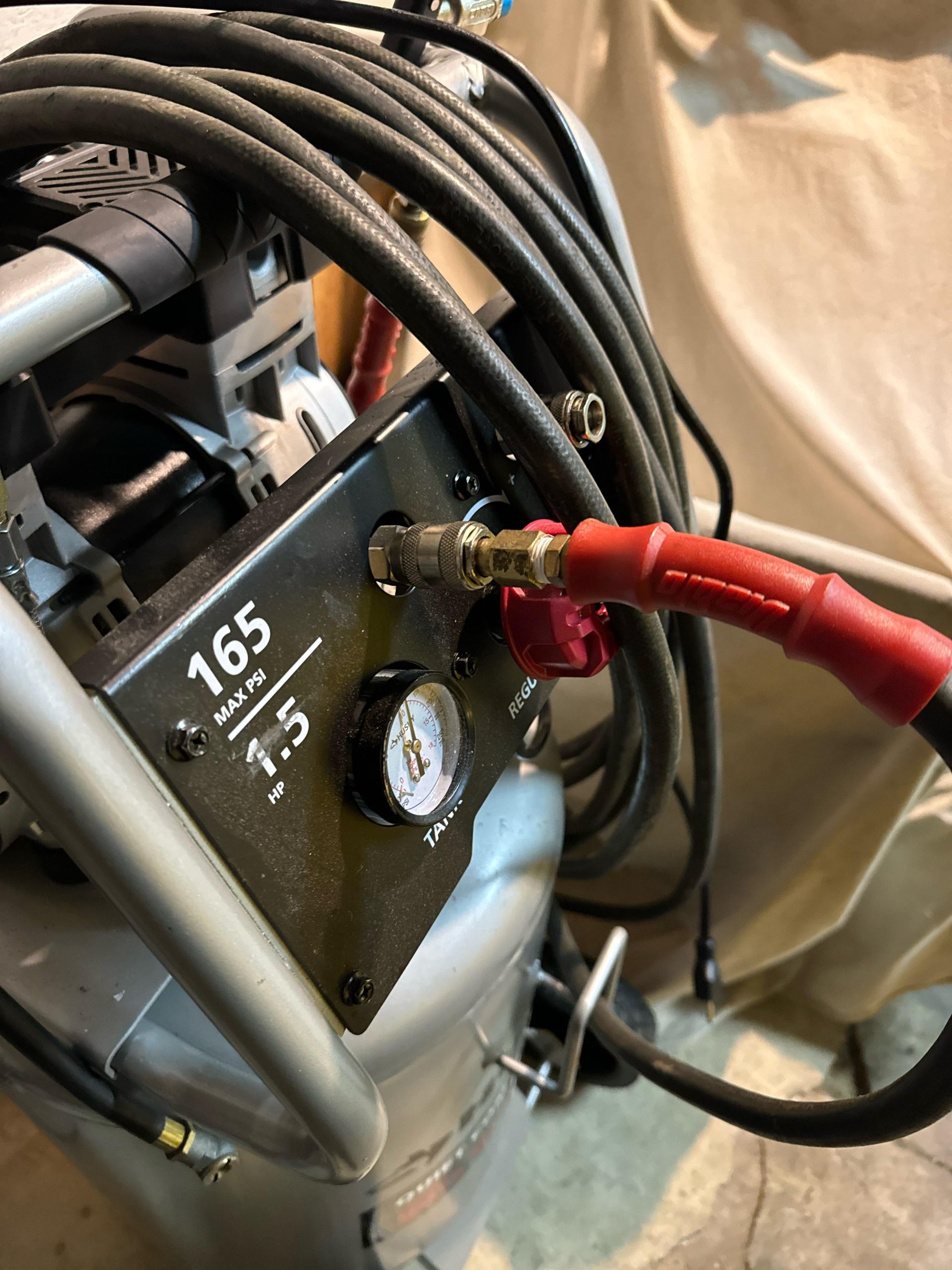
Are you struggling to connect your hose to an air compressor? It might seem tricky at first, but once you know the right steps, it becomes quick and easy.
Attaching your hose properly is key to getting the best performance from your compressor and avoiding leaks or damage. In this guide, you’ll learn simple, clear instructions that anyone can follow. By the end, you’ll feel confident handling your air compressor like a pro.
Keep reading to discover how to make the connection smooth and secure every time.
Choosing The Right Hose
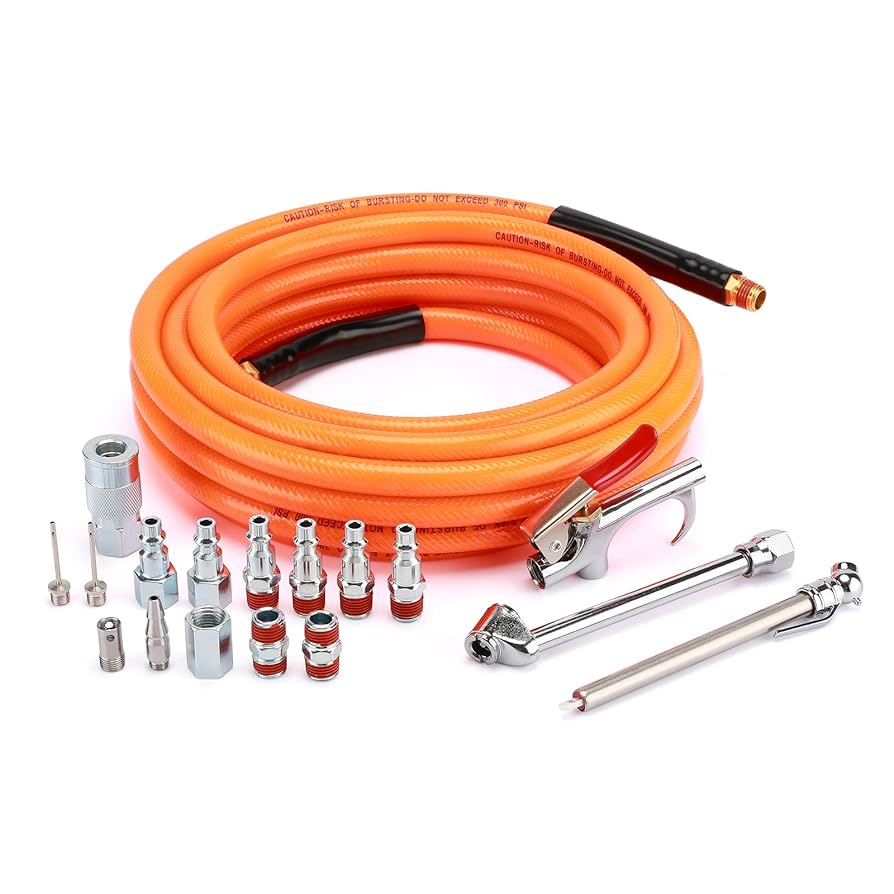
Choosing the right hose for your air compressor is important. The hose connects your compressor to tools and affects performance. A wrong hose can reduce power or cause leaks. Understanding the types, size, and materials helps pick the best hose. This ensures safety and efficiency during work.
Types Of Air Compressor Hoses
There are several types of hoses for air compressors. Rubber hoses are flexible and durable. PVC hoses are lighter but less flexible. Hybrid hoses combine rubber and PVC for balance. Each type suits different jobs and environments. Choose a hose type that fits your tasks and compressor.
Matching Hose Size To Compressor
Hose size matters for proper air flow. Diameter and length affect pressure and volume. A narrow hose reduces air flow and tool power. A very long hose can cause pressure drop. Check your compressor’s outlet size. Match the hose diameter to avoid leaks and loss.
Material Considerations
Hose material affects durability and flexibility. Rubber hoses resist heat and wear well. PVC hoses handle light work and stay lightweight. Some hoses have braided reinforcement for strength. Consider the work environment. Pick a material that resists weather, chemicals, and abrasion.
Credit: www.amazon.ca
Gathering Necessary Tools
Before attaching a hose to an air compressor, gather all necessary tools. Having the right tools makes the process smooth and safe. Missing tools can cause delays or damage. Prepare everything before starting the job. This section lists essential tools and safety gear for the task.
Essential Tools List
Start with a good quality air compressor hose. Check hose size matches the compressor outlet. Use quick-connect fittings for easy attachment and removal. A wrench or pliers helps tighten connections securely. Teflon tape seals threads to prevent air leaks. A utility knife or scissors may cut the hose if needed. Keep a clean rag to wipe dust and dirt from parts.
Safety Gear Recommendations
Wear safety glasses to protect your eyes from dust or debris. Use gloves to avoid cuts or scrapes on sharp fittings. Hearing protection reduces noise exposure from the compressor. Wear closed-toe shoes to protect feet from heavy tools. Avoid loose clothing that can catch on parts. Proper safety gear helps prevent accidents and injuries during work.
Preparing The Air Compressor
Start by turning off the air compressor and unplugging it. Check the hose and compressor fittings for dirt or damage. Firmly connect the hose to the compressor’s outlet, ensuring a tight fit to avoid air leaks.
Turning Off And Unplugging
Start by turning off the air compressor. This step is important for safety. Locate the power switch and set it to the off position. Then, unplug the compressor from the power outlet. This prevents any accidental starts while you work. Never connect or disconnect parts while the compressor is powered.
Releasing Air Pressure
Next, release the air pressure inside the tank. Find the pressure release valve, usually near the bottom of the tank. Open the valve slowly to let the air escape. Be careful, as air may come out quickly. Wait until all the pressure is gone before attaching the hose. This step keeps you safe and protects the equipment.

Credit: www.victus-srl.com
Connecting The Hose
Connecting the hose to your air compressor is a key step for safe and effective operation. A proper connection prevents air leaks and ensures steady airflow for your tools. Follow clear steps to connect the hose securely.
Inspecting Hose And Fittings
Start by checking the hose and fittings for damage. Look for cracks, holes, or worn areas on the hose. Inspect the metal or plastic fittings for rust or dirt. Clean any debris to ensure a tight seal. Replace any damaged parts before use.
Attaching Quick Connect Couplers
Quick connect couplers make attaching hoses fast and easy. Pull back the collar on the coupler, then push the hose fitting inside. Release the collar to lock it in place. Give a gentle tug to confirm it is secure. These couplers help prevent air leaks and save time.
Securing Threaded Connections
For threaded fittings, wrap the threads with Teflon tape first. This creates a better seal and stops leaks. Screw the hose fitting onto the compressor’s outlet by hand. Tighten with a wrench until snug, but avoid over-tightening. Check for leaks by listening or using soapy water.
Testing The Connection
Testing the connection is a key step after attaching a hose to an air compressor. It confirms the hose is secure and the compressor works properly. This step prevents accidents and ensures smooth operation.
Turning On The Compressor
Start by switching on the air compressor. Listen to the sound of air filling the tank. Watch the pressure gauge to see it rise. This shows the compressor is working well and ready to use.
Checking For Leaks
Next, check the hose connection for air leaks. Hold your hand near the connection point. Feel for any air blowing out. You can also use soapy water. Bubbles form if there is a leak. Fix leaks by tightening the connection or replacing parts.
Ensuring Proper Air Flow
Finally, test the air flow through the hose. Attach a tool or nozzle to the hose end. Turn on the tool to check air pressure. Strong and steady air flow means good connection. Weak flow suggests a blockage or loose connection.

Credit: www.reddit.com
Maintenance Tips
Proper maintenance keeps your air compressor hose safe and working well. It helps stop leaks and breaks that cause trouble. Regular care also makes the hose last longer and perform better. Simple steps can save you time and money.
Regular Inspection
Check the hose for cracks, cuts, or bulges. Look closely at the fittings and connections. Make sure there are no air leaks or loose parts. Do this before each use to catch problems early. Replace any damaged parts right away.
Cleaning And Storage
Wipe the hose clean after every use. Remove dirt, dust, and oil that can weaken the material. Store the hose in a cool, dry place away from sunlight. Coil it loosely to avoid kinks or bends. Proper storage keeps the hose flexible and strong.
Replacing Worn Parts
Replace worn or damaged fittings and connectors quickly. Use parts that fit your air compressor model. Check the manufacturer’s instructions for the right replacements. Changing parts on time prevents air leaks and keeps pressure steady.
Frequently Asked Questions
How Do I Connect A Hose To An Air Compressor?
First, ensure the compressor is off and depressurized. Attach the hose fitting to the compressor’s outlet. Tighten the connection securely using a wrench to prevent leaks. Check for proper sealing before use to ensure safety and efficiency.
What Type Of Hose Fits An Air Compressor?
Use a hose designed for high-pressure air, usually made of rubber or PVC. Check the hose diameter matches the compressor outlet size. Ensure it can handle the compressor’s maximum PSI rating for safe and efficient performance.
How To Prevent Air Leaks When Attaching A Hose?
Use Teflon tape on threaded connections to seal gaps. Tighten fittings properly but avoid over-tightening. Regularly inspect hoses and connectors for damage or wear. Replace any faulty parts to maintain a secure, leak-free connection.
Can I Use Any Hose With My Air Compressor?
No, only use hoses rated for air compressor pressure. Using the wrong hose can cause leaks or bursts. Check the hose specifications for compatibility with your compressor’s PSI and coupling type.
Conclusion
Attaching a hose to an air compressor is simple with the right steps. Tighten connections to avoid air leaks. Check the hose and fittings before use. Use the right tools to secure the hose firmly. Safety is important—always wear protective gear.
Follow these tips for a smooth and safe setup. Now, you can use your air compressor with confidence. Keep practicing to get faster and easier each time.