
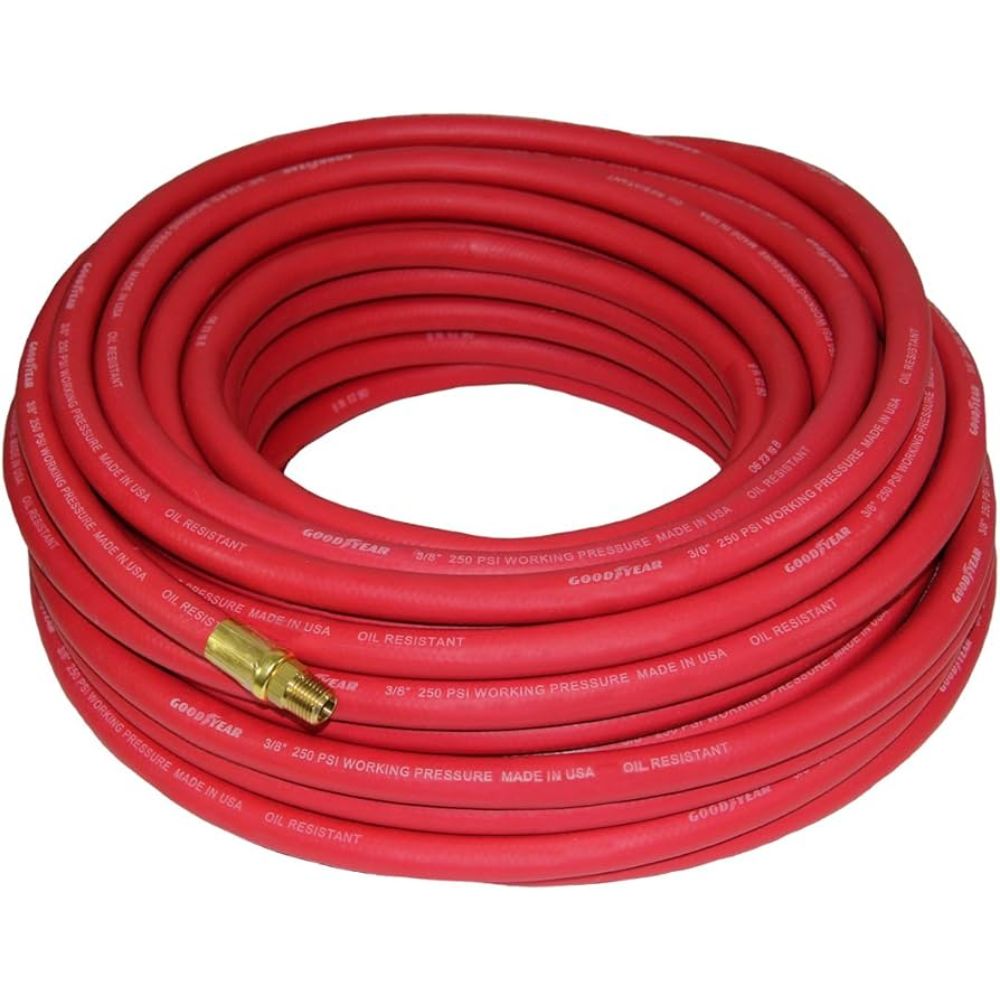
Finding the best air compressor hose can make a huge difference in how smoothly your projects go. Whether you’re working on a DIY job or running a professional workshop, the right hose keeps your tools powered and your work hassle-free.
You want something durable, flexible, and easy to handle—something that won’t slow you down or cause unexpected problems. You’ll discover exactly what to look for and which hoses stand out from the rest. Keep reading to make sure you choose the perfect fit for your needs and get the most out of your air compressor.
Types Of Air Compressor Hoses
Air compressor hoses come in several types. Each type suits different jobs and needs. Choosing the right hose can improve your work and safety. Understanding the main types helps pick the best hose for your tools.
Rubber Hoses
Rubber hoses are strong and flexible. They resist heat and rough use well. These hoses work great in tough conditions. They do not kink or crack easily. Rubber hoses last long and handle high pressure.
Pvc Hoses
PVC hoses are light and affordable. They are easy to carry and store. These hoses work well for light jobs. PVC hoses do not handle heat as well as rubber. They are good for indoor or mild use.
Hybrid Hoses
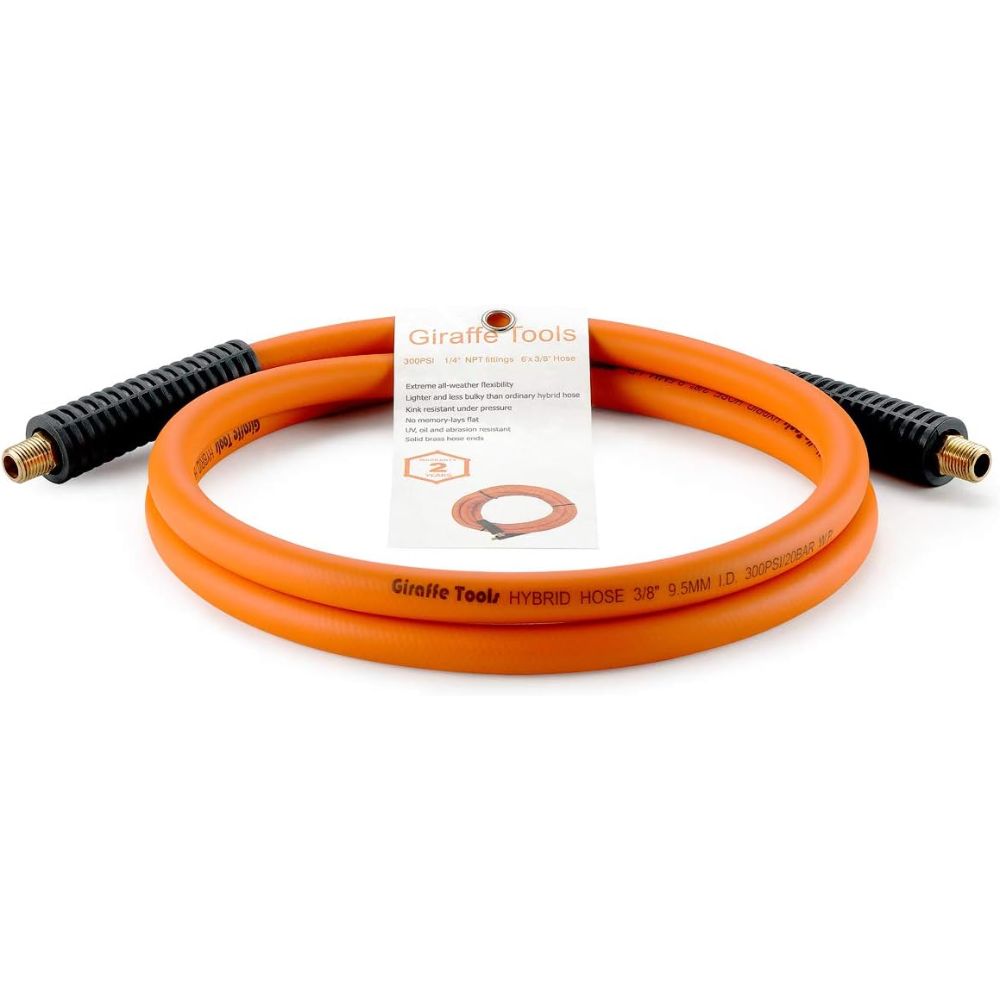
Hybrid hoses mix rubber and PVC. They combine strength and lightness. These hoses bend easily and resist wear. Hybrids work in many settings. They offer a balance of toughness and ease.
Polyurethane Hoses
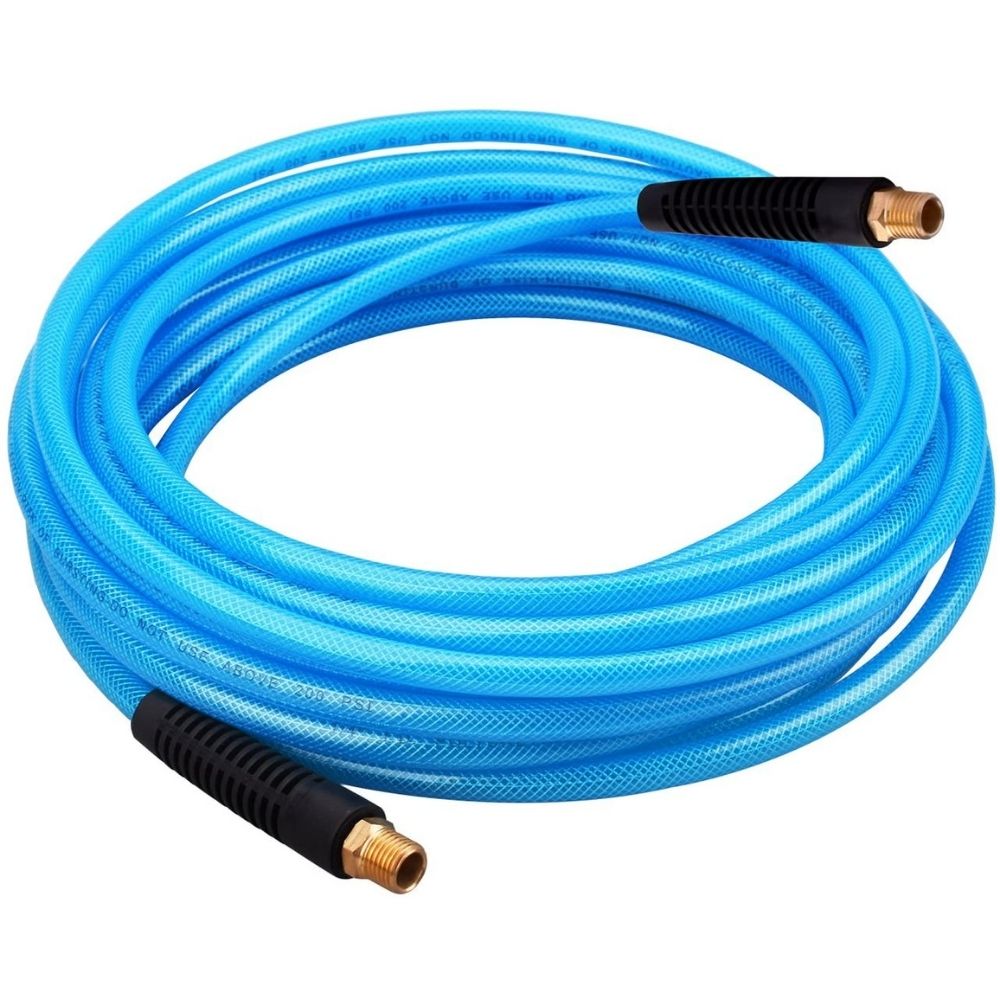
Polyurethane hoses are very flexible and tough. They resist cuts and kinks better than others. These hoses stay lightweight and easy to move. Polyurethane is great for outdoor and cold use. They hold up well in rough places.

Credit: www.ebay.ca
Key Features To Consider
Choosing the right air compressor hose depends on several key features. These features affect how well the hose works and how long it lasts. Understanding these factors helps you pick the best hose for your needs.
Durability And Flexibility
Durability means the hose can handle rough use without damage. Look for materials like rubber or polyurethane. These resist cuts and abrasions. Flexibility allows the hose to bend easily. This makes it easier to use in tight spaces. A good balance of both helps the hose last longer and work better.
Length And Diameter
The length of the hose affects your reach. Longer hoses give more freedom but can reduce air pressure. Diameter controls airflow speed. A wider diameter lets more air pass through. Choose length and diameter based on your tasks and compressor power.
Pressure Ratings
Pressure rating shows how much air pressure the hose can handle safely. Check the maximum PSI (pounds per square inch). Use a hose with a pressure rating above your compressor’s output. This prevents leaks and bursts. Safety is important for good performance.
Temperature Resistance
Temperature resistance means the hose can work in hot or cold conditions. Some hoses crack or get soft at extreme temperatures. Choose a hose rated for the temperature range you expect. This keeps the hose reliable and prevents damage.
Top Durable Air Compressor Hoses
Choosing a durable air compressor hose is key for any project. A strong hose lasts longer and works better under pressure. It helps keep your tools running smoothly. This guide covers top durable hoses made to fit different needs and budgets. Each hose is tested for strength and flexibility. You will find the best overall, budget-friendly, heavy-duty, and lightweight options below.
Best Overall Hose
The best overall air compressor hose balances strength and ease. It resists kinks and stays flexible in cold weather. This hose suits most tasks and holds up to daily use. Its fittings are tight and leak-free. Ideal for hobbyists and pros alike.
Best Budget-friendly Hose
Budget-friendly hoses offer good quality without high cost. They use solid materials but may be lighter in weight. Perfect for casual users who need a reliable hose. Easy to store and handle on small jobs.
Best For Heavy-duty Use
Heavy-duty hoses handle tough jobs and high air pressure. They have thick walls to avoid punctures and wear. These hoses work well on construction sites and industrial work. Designed for long hours and rough conditions.
Best Lightweight Hose
Lightweight hoses make moving around easier. They reduce fatigue during long use. Still, they offer good durability and flexibility. Great choice for mobile workers or quick tasks. Easy to coil and store in small spaces.
Credit: www.bobvila.com
Maintenance Tips For Longevity
Maintaining your air compressor hose extends its life and keeps it working well. Small efforts can prevent damage and avoid costly replacements. Follow simple steps to care for your hose every time you use it.
Proper Storage
Store the hose in a cool, dry place away from sunlight. Avoid sharp bends or kinks during storage. Coil the hose loosely to prevent cracks and wear. Use hooks or reels to keep it off the ground. Proper storage stops damage from weather and rough surfaces.
Regular Inspections
Check the hose before each use for cracks, leaks, or holes. Look for worn or damaged fittings and connectors. Replace parts that show signs of wear immediately. Catching problems early prevents failures during work. Regular inspections ensure safety and efficient air flow.
Cleaning And Care
Clean the hose after use to remove dirt and debris. Use a damp cloth to wipe the surface gently. Avoid harsh chemicals that can weaken the hose material. Dry the hose completely before storing it. Clean hoses last longer and perform better under pressure.
Common Mistakes To Avoid
Choosing the best air compressor hose is important. Avoiding common mistakes helps keep the hose safe and working well. Small errors can cause damage or reduce the hose’s life. Learn what to watch out for to get the most from your hose.
Overstretching The Hose
Pulling the hose too far can cause damage. Overstretching weakens the hose material and causes cracks. Keep the hose length in mind when working. Use a hose long enough for your job to avoid stretching.
Ignoring Pressure Limits
Each hose has a pressure rating. Using more pressure than allowed can cause bursts. Always check the hose’s maximum pressure before use. Staying within limits keeps the hose safe and reliable.
Using Incorrect Fittings
Wrong fittings can cause leaks and pressure loss. Use fittings that match the hose size and type. Tighten fittings properly to prevent air leaks. Correct fittings help maintain strong connections and good airflow.
Credit: www.bobvila.com
Frequently Asked Questions
What Is The Best Air Compressor Hose Material?
The best air compressor hose material is usually rubber or polyurethane. Rubber is durable and flexible. Polyurethane is lightweight and resistant to kinks. Both materials provide excellent performance for various applications.
How Long Should An Air Compressor Hose Be?
Air compressor hoses typically range from 25 to 100 feet. The ideal length depends on your workspace size. Longer hoses offer more reach but may reduce air pressure slightly. Choose a length that suits your specific needs.
Can I Use Any Hose With My Air Compressor?
Not all hoses are compatible with air compressors. Use hoses designed for high-pressure air delivery. Check the hose’s PSI rating matches your compressor’s output. Using the wrong hose can cause leaks or safety hazards.
How Do I Maintain My Air Compressor Hose?
Regularly inspect hoses for cracks, leaks, or wear. Clean hoses after use and store them coiled in a dry place. Replace damaged hoses immediately to ensure safety and optimal performance.
Conclusion
Choosing the best air compressor hose makes a big difference. A good hose lasts longer and works well. It helps you finish tasks faster and easier. Keep in mind the hose size and material. They affect how much air flows and how flexible it is.
Always pick a hose that fits your needs. This way, your tools will run smoothly every time. Quality matters for safety and performance. Take time to compare options before buying. Your projects will thank you.