
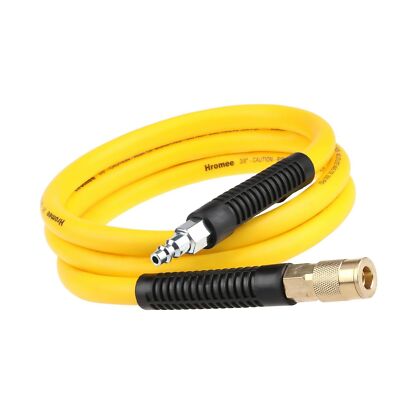
If you rely on an air compressor for your projects, you know how important every part is—especially the lead hose. Your air compressor lead hose is the vital link between your machine and the tools you use.
A worn-out or low-quality hose can cause leaks, reduce pressure, and slow down your work. But how do you choose the right one? And what should you look for to get the best performance and safety? Keep reading, and you’ll discover everything you need to know to pick the perfect air compressor lead hose for your needs.
Air Compressor Lead Hose Basics
An air compressor lead hose connects your air compressor to tools. It carries compressed air from the machine to the equipment. This hose must be strong and flexible to work well.
The right lead hose improves tool performance and safety. It also helps avoid air leaks and damage. Choosing the correct hose depends on the task and environment.
What Is A Lead Hose?
A lead hose is a flexible tube that transports compressed air. It links the air compressor to the tool or device. This hose must handle high pressure without bursting.
It usually has fittings on both ends to connect securely. The hose allows movement while keeping air flow steady. Without a lead hose, tools cannot receive compressed air.
Types Of Lead Hoses
Lead hoses come in several types based on use and material. Common types include rubber hoses, PVC hoses, and hybrid hoses. Each type offers different flexibility and durability.
Rubber hoses are strong and flexible but heavier. PVC hoses are lighter and cheaper but less durable. Hybrid hoses combine materials for better performance and longer life.
Common Materials Used
Lead hoses often use rubber, PVC, or polyurethane materials. Rubber is tough and resists abrasion and heat. PVC is lightweight and easy to handle but less flexible.
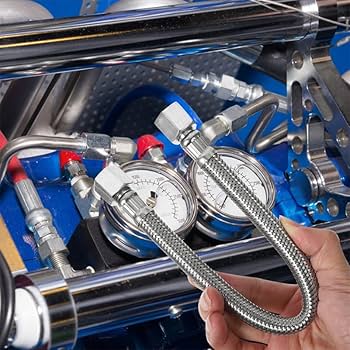
Polyurethane hoses are strong, flexible, and resist kinks. Some hoses have braided steel inside for extra strength. Material choice affects hose life and ease of use.
Choosing The Right Lead Hose
Choosing the right lead hose for your air compressor is key to efficient work. A proper hose ensures steady air flow and safety. It also helps avoid damage to tools and the compressor itself. Several factors affect the choice of a lead hose.
Length And Diameter Considerations
The hose length must fit your workspace. Too short limits movement. Too long causes pressure loss. Diameter affects air flow. Larger diameter means more air volume. Choose diameter based on your air tool’s needs. Balance length and diameter for best performance.
Pressure Ratings And Compatibility
Check the hose pressure rating. It should match or exceed compressor output. Using a lower-rated hose risks bursting. Compatibility with compressor fittings is vital. Different brands may use different connectors. Confirm hose ends fit your compressor and tools.
Flexibility And Durability Factors
Flexible hoses are easier to handle. They reduce strain on fittings and user fatigue. Durability depends on material quality. Look for abrasion and weather resistance. A tough hose lasts longer in harsh conditions. Choose a hose that balances flexibility and strength.
Installation Tips
Installing an air compressor lead hose correctly helps it work well and last longer. Proper installation keeps air pressure steady and avoids damage. Follow these simple tips to get the best results.
Proper Hose Connections
Check the hose fittings before attaching. Use the correct size and type for your compressor. Tighten connections by hand first. Then, use a wrench to secure them snugly. Avoid over-tightening to prevent damage.
Avoiding Kinks And Twists
Lay the hose out straight before use. Twists and sharp bends reduce air flow. They also wear out the hose faster. Coil the hose loosely when storing. Make sure it does not twist during use.
Securing The Hose Safely
Keep the hose away from sharp edges and hot surfaces. Use clips or hooks to hold it in place. Do not stretch the hose too tight. Leave some slack to allow movement and avoid stress on fittings.

Credit: www.amazon.com
Maintenance And Care
Proper maintenance and care extend the life of an air compressor lead hose. This hose faces pressure and movement daily. Neglect can cause damage and leaks. Taking simple steps keeps it safe and working well.
Regular checks and cleaning help spot problems early. Storing the hose correctly prevents cracks and wear. Small efforts save money and avoid downtime.
Regular Inspection Techniques
Look for cracks, splits, or bulges on the hose surface. Check fittings for tightness and signs of rust. Feel the hose for soft spots or stiffness. Test for air leaks by listening during operation. Inspect the hose before and after each use.
Cleaning And Storage
Clean the hose with a damp cloth to remove dirt and dust. Avoid harsh chemicals that can weaken the material. Dry the hose completely before storing it. Coil the hose loosely to prevent kinks and bends. Store it in a cool, dry place away from sunlight.
Preventing Wear And Tear
Use the correct hose size and pressure rating for your compressor. Avoid dragging the hose over sharp edges or rough surfaces. Do not overstretch or twist the hose during use. Replace worn-out fittings to maintain a secure connection. Regularly rotate hoses to balance wear across them.
Boosting Air Compressor Performance
Boosting air compressor performance depends a lot on the lead hose. The right hose helps the air flow smoothly and keeps pressure steady. Choosing the right hose can save energy and improve tool power. Small changes in the hose can make a big difference in how the compressor works.
Focus on three main points: hose length, pressure drop, and hose materials. Each affects the air compressor’s strength and efficiency.
Optimizing Hose Length
Shorter hoses reduce the distance air must travel. Less distance means less chance for pressure loss. Use the shortest hose that fits your workspace. Avoid extra loops or coils. A straight hose helps air flow better. This simple step improves the compressor’s power and saves energy.
Minimizing Pressure Drop
Pressure drop lowers the force your tools get. It happens when air moves through narrow or long hoses. Use hoses with a wider diameter to reduce pressure loss. Check for leaks or damage that cause air to escape. Keeping the hose tight and clean keeps pressure steady and tools working at full power.
Upgrading Hose Materials
Hose materials affect flexibility, durability, and air flow. Choose materials that resist kinks and cracks. Rubber and polyurethane are common choices. They last longer and stay flexible in cold or hot conditions. Better materials also resist chemicals and wear. A strong hose keeps the compressor running smoothly and safely.
Troubleshooting Common Issues
Troubleshooting common issues with air compressor lead hoses helps keep your tools working well. Problems can slow down your work or cause damage. Knowing how to fix these issues saves time and money.
Below are simple tips to handle typical problems like leaks, pressure loss, and blockages.
Leaks And Burst Hoses
Leaks often happen where the hose bends or connects. Check these areas for cracks or holes. Use tape or a patch kit for small leaks. Replace the hose if the damage is large or the hose bursts. Regularly inspect hoses to avoid sudden bursts during work.
Pressure Loss Problems
Pressure loss reduces tool power and slows tasks. Check for loose connections and tighten them. Inspect the hose for holes or leaks that cause pressure drops. Clean or replace air filters to ensure smooth airflow. Keep the hose straight without sharp bends to maintain pressure.
Handling Hose Blockages
Blockages stop air flow and can damage tools. Remove the hose from the compressor first. Use a long flexible brush or compressed air to clear the blockage. Avoid using sharp objects that can puncture the hose. Regular cleaning prevents dirt and debris build-up inside the hose.
Safety Precautions
Safety is the top priority when working with air compressor lead hoses. These hoses carry high-pressure air that can cause serious injuries. Following safety steps reduces risks and keeps work areas safe. Each part of handling the hose needs care and attention.
Handling High-pressure Hoses
High-pressure hoses can burst or whip if damaged. Always check hoses for cracks or wear before use. Do not twist or bend hoses sharply. Secure hoses firmly to prevent sudden movement. Keep hoses away from sharp edges and heat sources. Replace any hose that shows damage immediately.
Using Protective Gear
Wear gloves to protect hands from cuts and pressure. Use safety glasses to shield eyes from flying debris. Ear protection helps reduce noise from compressors. Wear sturdy footwear to avoid foot injuries. Protective clothing can protect skin from air blasts and debris. Proper gear lowers the chance of injury during work.
Emergency Procedures
Know how to shut off the compressor quickly. Keep a clear path to the emergency stop button. If a hose bursts, move away fast to avoid injury. Report all incidents to supervisors immediately. Keep first aid kits nearby for quick treatment. Regular drills help workers prepare for emergencies.
Credit: www.amazon.ca

Credit: www.ebay.ca
Frequently Asked Questions
What Is An Air Compressor Lead Hose Used For?
An air compressor lead hose connects the compressor to tools. It transfers compressed air efficiently. This hose ensures optimal tool performance and safety during operation.
How To Choose The Right Air Compressor Lead Hose?
Select based on length, diameter, and pressure rating. Consider material durability and flexibility for your specific tasks. Proper choice ensures long-lasting, efficient air flow.
Can Air Compressor Lead Hoses Withstand High Pressure?
Yes, quality lead hoses are designed for high-pressure tolerance. Check the hose’s maximum PSI rating before use. Using the correct hose prevents leaks and accidents.
How To Maintain An Air Compressor Lead Hose?
Regularly inspect for cracks and leaks. Clean and store properly to avoid damage. Proper maintenance extends hose life and ensures reliable performance.
Conclusion
Choosing the right air compressor lead hose matters a lot. It affects how well your tools work. A good hose lasts longer and stays safe under pressure. Always check the hose’s size and material before buying. This helps avoid leaks and breaks.
Keep your work smooth and stress-free. Trust the hose to deliver steady air flow. Simple steps make your tasks easier every day.