
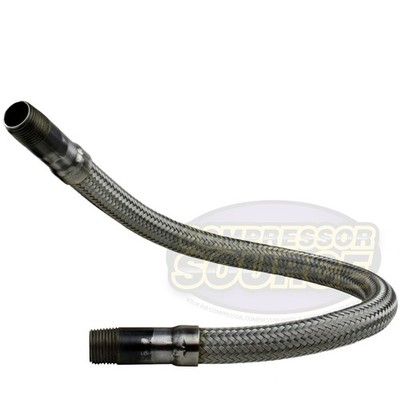
Are you tired of dealing with air compressor hoses that just don’t deliver? The right hose can make a huge difference in your work, whether you’re a DIY enthusiast or a professional.
A 1/2 air compressor hose offers the perfect balance of durability and flexibility, helping you get the job done faster and easier. You’ll discover why this hose size could be exactly what your toolkit is missing. Keep reading to find out how to choose the best one and avoid common mistakes that slow you down.
Choosing The Right 1/2 Air Compressor Hose
Choosing the right 1/2 air compressor hose is important for safe and efficient work. This hose connects your air compressor to tools. The right choice improves performance and lasts longer. Several factors matter for the best fit and use.
Material Types And Their Benefits
Air compressor hoses come in different materials. Rubber hoses are flexible and strong. They resist kinks and work well in cold weather. PVC hoses are lighter and cheaper. They work well indoors and for light tasks. Hybrid hoses combine rubber and PVC. They balance durability and weight. Choose material based on your work environment.
Length And Diameter Considerations
The hose length affects how far you can work. Longer hoses give more reach but reduce air pressure. Keep the hose as short as possible for best air flow. Diameter size matters too. A 1/2 inch diameter offers good air volume. It suits most air tools. Avoid smaller diameters to prevent power loss.
Pressure Ratings And Compatibility
Check the hose pressure rating before buying. It must match or exceed your air compressor’s pressure. Using a hose with low rating is unsafe. It can burst under high pressure. Also, ensure the hose fittings match your compressor and tools. Proper connection prevents air leaks and damage.
Credit: www.amazon.com
Installation Tips For Maximum Efficiency
Installing a 1/2 air compressor hose correctly boosts its performance. Proper setup reduces air leaks and wear. Follow these tips for smooth operation and longer hose life.
Proper Hose Connections
Use the right fittings for your hose size. Tighten connections firmly but avoid over-tightening. Loose fittings cause air leaks. Check connections regularly for wear or damage.
Avoiding Kinks And Twists
Keep the hose straight during use. Sharp bends block air flow and weaken the hose. Uncoil the hose fully before use. Store it without tight loops to prevent damage.
Securing And Routing The Hose
Secure the hose with clamps or hooks along its path. Avoid dragging it over sharp edges or rough surfaces. Plan the route to keep it clear of foot traffic and obstacles.
Maintenance Practices For Longevity
Proper care extends the life of your 1/2 air compressor hose. Simple maintenance helps avoid damage and costly replacements. Follow easy steps to keep your hose in good condition.
Regular Cleaning And Inspection
Clean the hose regularly to remove dirt and debris. Use a damp cloth for the outside surface. Check for cracks, holes, or leaks often. Early detection prevents bigger problems later. Inspect the fittings and connections carefully too.
Preventing Wear And Tear
Avoid dragging the hose on rough surfaces. Sharp edges can cause cuts or punctures. Keep the hose away from heat sources and chemicals. Use proper pressure levels during operation. Overpressure weakens the hose material quickly.
Storage Recommendations
Store the hose in a cool, dry place. Coil it loosely to prevent kinks and bends. Avoid tight loops that stress the hose. Use a hose reel or hang it on a hook. Proper storage keeps the hose flexible and strong.

Credit: www.amazon.com
Troubleshooting Common Hose Issues
Troubleshooting common issues with a 1/2 air compressor hose helps keep your tools working well. Simple problems can cause air loss or poor performance. Spotting and fixing these issues early saves time and money. Understanding basic hose problems makes maintenance easier. Here are some key points to check and repair.
Identifying Leaks And Damage
Leaks reduce air pressure and slow your work. Check for hissing sounds near the hose. Look for wet spots or bubbles if you use soapy water. Inspect the hose for cracks, cuts, or worn areas. Pay attention to connections and fittings for tightness. Small damage can cause big air leaks.
Fixing Minor Repairs
Minor cuts or cracks can be fixed quickly. Use hose repair kits with patches or tape designed for air hoses. Wrap the tape tightly around the damaged area. Replace damaged fittings or clamps to stop leaks. Always follow the repair kit instructions. Test the hose after repair to ensure no leaks remain.
When To Replace The Hose
Hoses with large cracks or deep cuts need replacement. If the hose loses flexibility or feels weak, it may fail soon. Frequent leaks or repairs mean the hose is worn out. Old hoses risk bursting and causing injury. Replace the hose to keep your compressor safe and efficient.
Enhancing Performance With Accessories
Enhancing the performance of a 1/2 air compressor hose depends largely on the right accessories. These additions help improve efficiency, durability, and ease of use. Accessories tailor the hose to fit specific tasks and environments. This section covers key accessories that boost hose functionality and make work smoother.
Couplers And Fittings
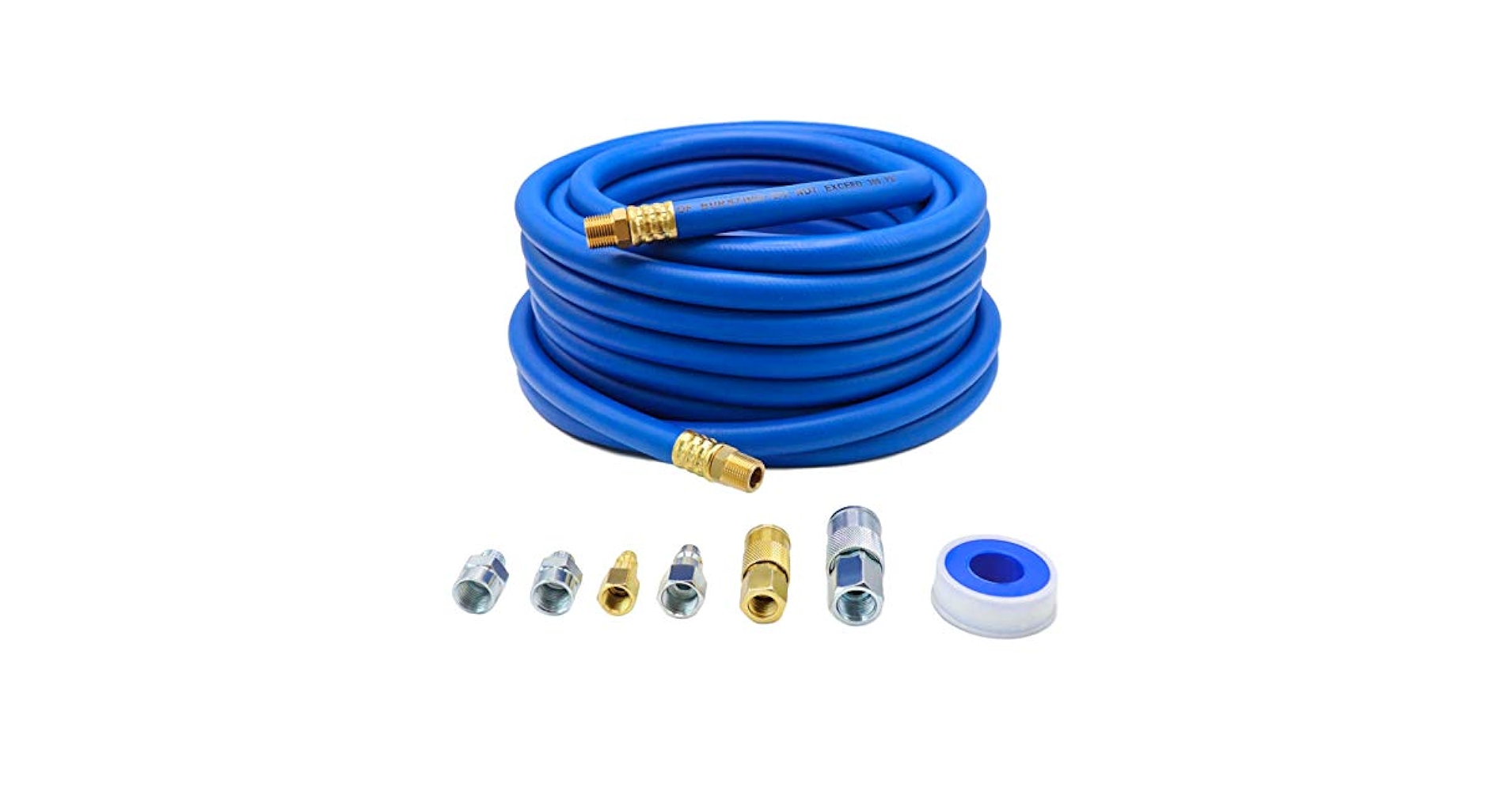
Couplers and fittings join hoses to tools and compressors securely. They ensure air flows without leaks, maintaining pressure. Using quality couplers reduces wear and tear on the hose ends. Quick-connect fittings save time by allowing fast tool changes. Proper fittings prevent damage and extend hose life.
Hose Reels And Protectors
Hose reels keep the hose neat and prevent tangles. They allow easy winding and unwinding, saving effort. Protectors guard the hose from cuts, abrasions, and harsh surfaces. Using reels and protectors helps avoid costly repairs. They keep the hose safe and ready for use.
Adapters For Versatility
Adapters connect different hose sizes and types. They add flexibility to use various tools with one hose. This versatility saves money by reducing the need for multiple hoses. Adapters ensure a tight seal and prevent leaks. They expand the hose’s capability for diverse jobs.

Credit: www.walmart.com
Frequently Asked Questions
What Is A 1/2 Air Compressor Hose Used For?
A 1/2 air compressor hose connects air tools to compressors. It delivers high airflow efficiently. It is ideal for heavy-duty tasks requiring strong air pressure. This hose size balances flexibility and durability for many industrial and home projects.
How Long Can A 1/2 Air Compressor Hose Be?
Typically, 1/2 air compressor hoses range from 25 to 100 feet. Longer hoses may reduce air pressure slightly. Choose the length based on your workspace size and tool distance. Proper hose length ensures optimal performance and safety.
What Materials Are Best For 1/2 Air Compressor Hoses?
PVC, rubber, and hybrid materials are common. Rubber offers flexibility and durability. PVC is lightweight and affordable but less flexible. Hybrid hoses combine benefits for longer life. Material choice affects hose performance and resistance to kinks.
Can I Use A 1/2 Air Compressor Hose With Any Air Tool?
Most air tools compatible with 1/2-inch fittings work well. Confirm your tool’s fitting size before purchase. Using the correct hose size ensures efficient air flow and tool performance. Incorrect sizing may cause leaks or damage.
Conclusion
Choosing the right 1/2 air compressor hose improves your work’s ease and safety. This hose size fits many tools and jobs well. It offers good air flow and durability. A quality hose lasts longer and saves money. Keep the hose clean and check for leaks often.
Simple care helps avoid problems during use. Pick a hose that matches your compressor and tasks. This small step makes your projects smoother and faster.