
Are you struggling to connect your hose to your air compressor? It might seem simple, but getting it right is key to keeping your tools running smoothly and safely.
If your hose isn’t attached properly, you could face leaks, poor performance, or even damage to your equipment. In this guide, you’ll learn step-by-step how to attach your hose quickly and securely, saving you time and frustration. Keep reading to master this essential skill and make your air compressor work exactly how it should.
Credit: rebeloffroad.com
Choosing The Right Hose
Choosing the right hose for your air compressor is essential for safety and performance. The hose connects the compressor to your tools. Picking the wrong hose can cause leaks or pressure loss. It can also make your work harder. Understanding the types, size, and material helps you make the best choice.
Types Of Air Compressor Hoses
Air compressor hoses come in several types. Rubber hoses are flexible and durable. They work well for most jobs and last a long time. PVC hoses are lightweight and easy to handle. They are less flexible and can crack in cold weather. Hybrid hoses combine rubber and PVC features. They offer good flexibility and durability. Choose the type that fits your work environment.
Matching Hose Size And Length
Size matters for air compressor hoses. The hose diameter affects air flow. A larger diameter means more air can pass through. This keeps pressure steady for your tools. Length also impacts performance. Longer hoses lose pressure along the way. Use the shortest hose that reaches your work area. This keeps your tools running strong and efficient.
Material Considerations
The hose material affects strength and flexibility. Rubber hoses resist heat and abrasion well. PVC hoses are lighter but less durable. Look for hoses with reinforced layers. These resist kinks and punctures better. Also, check the maximum pressure rating. The hose must handle your compressor’s pressure safely. Pick a material that suits your working conditions.

Credit: www.reddit.com
Preparing The Air Compressor
Preparing the air compressor is an important step before attaching the hose. It ensures safety and helps the equipment work properly. Taking time to prepare can prevent damage and accidents. Follow these steps carefully.
Turning Off And Unplugging
First, turn off the air compressor. Make sure the power switch is in the off position. Then, unplug the compressor from the power source. This stops any accidental starts and keeps you safe.
Releasing Pressure
Next, release any air pressure inside the tank. Open the valve slowly to let the air out. Wait until the pressure gauge reads zero. This step protects you from sudden air bursts.
Cleaning Connection Points
Finally, clean the connection points. Remove dirt, dust, or oil from the hose and compressor fittings. Use a clean cloth to wipe the areas. Clean surfaces help create a tight seal and stop leaks.
Connecting The Hose
Connecting the hose to your air compressor is a key step before starting any project. A tight, secure connection helps prevent air leaks and keeps your work efficient. Properly attaching the hose ensures safety and better tool performance.
Inspecting Hose Fittings
Check both the hose and compressor fittings for dirt or damage. Clean any debris with a dry cloth. Look for cracks or worn threads that may cause leaks. Replace damaged fittings before connecting the hose. Good fittings make the connection strong and safe.
Attaching Quick Connect Couplers
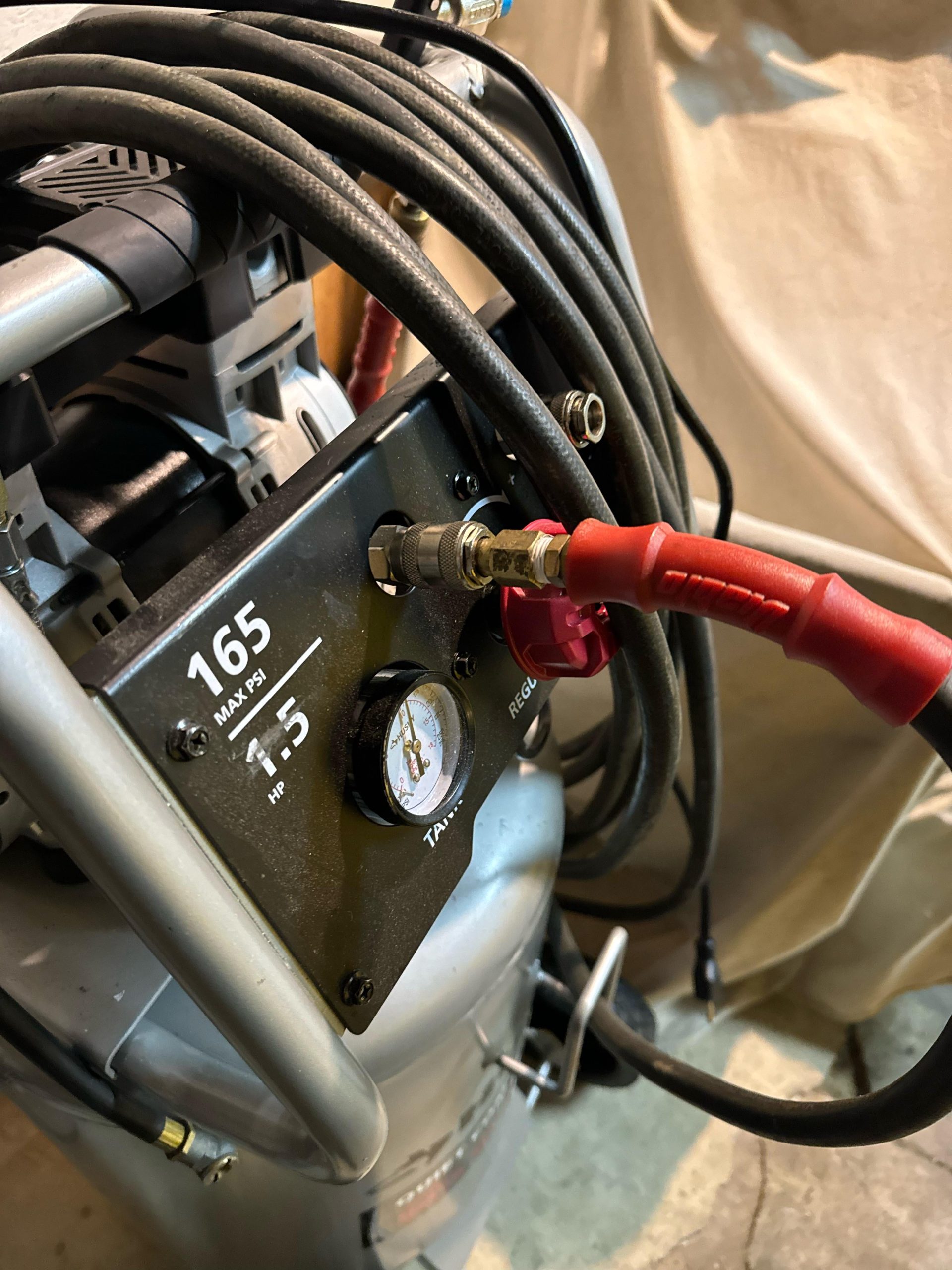
Quick connect couplers make attaching and detaching easy. Push the hose fitting into the compressor’s coupler firmly. You should hear a click sound. Tug gently on the hose to confirm it is locked. These couplers save time and avoid loose connections.
Securing With Clamps Or Thread Tape
Use clamps or thread tape to prevent leaks and secure the hose. Wrap thread tape around the threads before screwing the hose on. Tighten clamps around the hose if needed. These steps stop air from escaping and hold the hose in place during use.
Testing The Connection
Testing the connection between the hose and air compressor is important. It ensures safety and proper operation. A secure connection prevents air leaks and maintains pressure. Follow these steps to test the connection correctly.
Turning On The Compressor
First, switch on the air compressor. Let it build pressure for a few moments. Watch the pressure gauge carefully. It should reach the recommended level. This confirms the compressor is working well.
Checking For Leaks
Listen closely for any hissing sounds around the hose connection. Use soapy water and apply it to the joint. Bubbles show where air escapes. Tighten the fittings or replace damaged parts if needed. No leaks mean a safe and tight seal.
Ensuring Proper Air Flow
Hold the hose end and feel the air pressure. The airflow should be strong and steady. Weak airflow can indicate a blockage or loose connection. Adjust the hose or fittings until airflow is consistent. Proper airflow means your compressor is ready to use.
Maintenance Tips
Proper maintenance of your air compressor hose extends its life and keeps it working well. Small care steps prevent big problems later. Follow these simple tips to keep your hose safe and ready.
Regular Hose Inspections
Check your hose often for cracks, leaks, or weak spots. Look closely at connection points and the entire length. Catch problems early to avoid sudden failures. Use soapy water to spot tiny leaks. Replace or fix damaged sections quickly.
Proper Storage Techniques
Store the hose in a cool, dry place away from sunlight. Coil it loosely without tight bends to prevent kinks. Avoid placing heavy objects on it. Hang the hose on a reel or hook to keep it off the ground. Clean the hose before storage to remove dirt and debris.
Replacing Worn Components
Replace worn or damaged fittings and connectors immediately. Old parts cause air leaks and reduce performance. Use parts that fit your hose and compressor model. Keep spare parts handy for quick fixes. Regular replacement ensures safe and smooth operation.

Credit: www.reddit.com
Frequently Asked Questions
How Do I Connect A Hose To An Air Compressor?
First, ensure the compressor is off and depressurized. Attach the hose fitting to the compressor outlet. Tighten securely using a wrench to prevent leaks. Check connections before use.
What Tools Are Needed To Attach A Hose?
You typically need an adjustable wrench or pliers. Some hoses have quick-connect fittings requiring no tools. Always check your hose and compressor compatibility.
Can I Use Any Hose With My Air Compressor?
No, use a hose rated for air pressure and compatible with your compressor fittings. Using the wrong hose can cause leaks or damage.
How To Prevent Air Leaks At The Hose Connection?
Ensure fittings are clean and threads are undamaged. Tighten connections firmly but avoid over-tightening. Use thread tape if necessary for a better seal.
Conclusion
Attaching a hose to an air compressor is simple and quick. Always check for tight connections to avoid leaks. Use the correct fittings for your hose type. Keep the compressor turned off before attaching the hose. Following these steps helps your tools work better and last longer.
Practice a few times to get comfortable. Safety matters—wear protective gear and stay alert. Now, you are ready to use your air compressor with ease and confidence.