
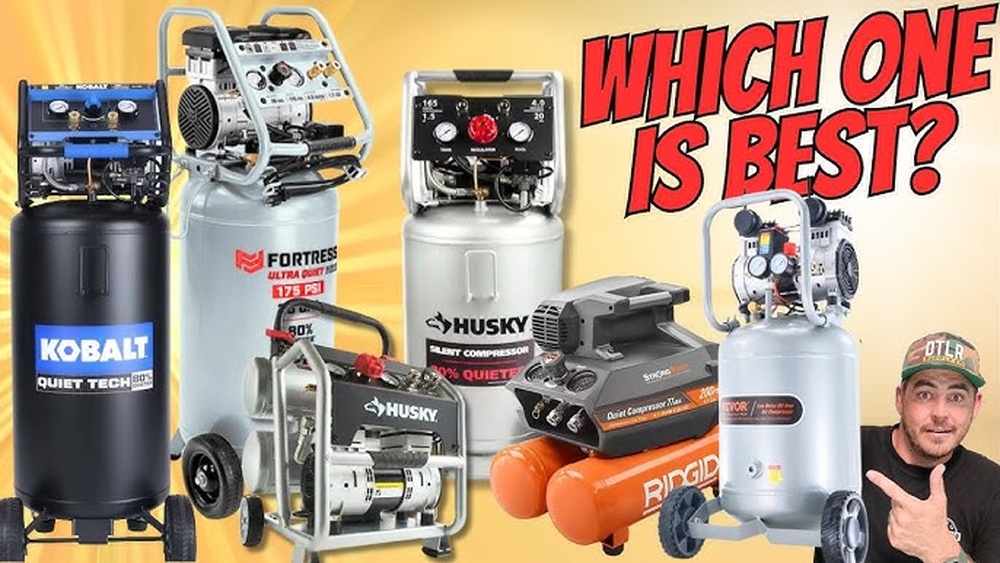
Absolutely, let’s dive deep into the world of air compressors for auto detailing, specifically for home users who want quality without breaking the bank. This guide will help you understand what really matters, avoid common mistakes, and choose the best air compressor under $500 for detailing your car at home.
We’ll cover every important detail, so you can buy with confidence and get great results on your vehicle.
Why An Air Compressor Matters In Auto Detailing
Many people think auto detailing is only about washing and waxing, but there is much more to it. One of the most useful tools in a detailer’s arsenal is the air compressor. If you’ve only used brushes, towels, and vacuums before, adding an air compressor can completely change how you clean your car.
An air compressor helps with several tasks:
- Blowing dust and debris from hard-to-reach places, like vents or between seats.
- Powering tools such as blow guns, foam cannons, and even small polishers.
- Drying surfaces quickly, helping to avoid water spots after a wash.
For home use, you don’t need an industrial-grade machine. But you also don’t want a weak, noisy, or unreliable unit. The good news is, you can find strong and dependable air compressors for less than $500 if you know what to look for.
What To Look For In An Air Compressor For Auto Detailing
Before you buy, it helps to understand the key features that really matter for detailing cars at home. Some people get lost in technical terms or fall for marketing tricks. Here’s what you should focus on:
1. Tank Size
Tank size is measured in gallons. For auto detailing, 4 to 10 gallons is usually enough. A bigger tank means the compressor can run longer before it needs to refill with air. But bigger also means heavier and harder to move.
- Small tanks (1-3 gallons): Light and portable, but refill often. Good for blowing dust, not for running tools.
- Medium tanks (4-6 gallons): Great balance for home detailing. Enough for most jobs and easy to move.
- Large tanks (8-10 gallons): More air reserve, less waiting. Heavier, but better for bigger projects or frequent use.
Beginner insight: Many first-time buyers believe “bigger is always better.” But for home use, a huge tank is often overkill and hard to store.
2. Airflow (cfm)
CFM means cubic feet per minute. It shows how much air the compressor can deliver. Most detailing tools need 2–4 CFM at 90 PSI.
- Low CFM (<2):Only good for dusting or inflating tires.
- Medium CFM (2–4): Supports blow guns, small sprayers, and basic tools.
- High CFM (4+): Can run polishers and other demanding tools.
Non-obvious tip: Tool labels often mention “CFM at 90 PSI.” Match this with the compressor’s rating, not just the max CFM.
3. Pressure (psi)
PSI means pounds per square inch. For car detailing, 90–120 PSI is plenty. Higher PSI is not always better; it’s more important to have steady airflow at the needed pressure.
4. Noise Level
Many compressors are loud. Quiet models are easier on your ears and neighbors. Look for 60–75 dB for indoor or garage use.
Insight: Oil-free compressors are often noisier but need less maintenance. Decide what matters more to you.
5. Portability
If you’ll move the compressor around the car, choose a model with wheels and a sturdy handle. Compact units are easier to store in a garage or shed.
6. Power Source
Most home compressors plug into a standard outlet (110-120V). Check that your power source matches the compressor. Some larger units need 220V—these are not always suitable for home garages.
7. Reliability And Brand Support
It’s tempting to buy the cheapest option, but low-quality compressors often break or leak air. Stick to known brands with good reviews and easy-to-find parts.
Example: California Air Tools, Makita, Craftsman, and DEWALT are all trusted names. They offer good warranties and customer support.

Credit: www.cleanprosupply.com
Common Mistakes When Choosing An Air Compressor
Even smart buyers make mistakes. Here are some common ones and how to avoid them:
- Choosing the biggest tank “just in case.” A large tank is heavier and harder to move. For cars, a 4-6 gallon tank is usually enough.
- Ignoring CFM ratings. If your tools need more air than your compressor provides, they’ll run poorly or not at all.
- Buying a “cheap” brand. Saving $50 up front can cost you more in repairs or frustration later.
- Not considering noise. A noisy compressor can make detailing unpleasant, especially in a small garage.
- Overlooking maintenance needs. Oil-lubricated models last longer but need regular oil checks. Oil-free units are easier for beginners.
Best Types Of Air Compressors For Auto Detailing Under $500
Not all compressors are made equal. Here are the main types you’ll see:
Pancake Compressors
These have a round, flat tank. They’re lightweight and easy to store. Great for blowing dust, drying, and inflating.
Best for: Quick jobs, small garages, people who want something light and portable.
Hot Dog Compressors
These have a long, cylindrical tank. Usually a bit bigger than pancake models, but still easy to move. They provide more air for tools.
Best for: Running small spray guns, longer blowing sessions, or people who need a bit more power.
Twin-stack Compressors
These have two small tanks stacked together. More air than a single pancake or hot dog, but still not too heavy.
Best for: DIY detailers who want more air without a huge, heavy machine.
Portable Wheelbarrow Compressors
Larger, with wheels and a handle. Can deliver more air, but still move around the car.
Best for: Advanced home users who want to use polishers or multiple air tools.
Tip: For most home detailers, a 4–6 gallon pancake or hot dog compressor is enough.
Top Air Compressor Features For Home Auto Detailing
Let’s look at the details that make a real difference in your daily use.
Quick-connect Fittings
These let you change tools fast, without struggling with threads. Make sure your compressor has at least one quick-connect coupler.
Drain Valve
Water collects in the tank. A good drain valve lets you empty this easily, helping your compressor last longer.
Thermal Overload Protection
This stops the motor if it gets too hot. It’s a safety feature that protects both you and the machine.
Oil-free Pump
These are easier for beginners because you don’t need to check or change oil. They’re also better for indoor use, as there’s no oil mist.
Integrated Pressure Gauge
Shows you the tank pressure and the pressure at the tool. Makes it easy to adjust for different detailing jobs.
Recommended Air Compressors Under $500 For Home Auto Detailing
Here are some top-rated options that balance price, quality, and features. All are suitable for home use and offer good performance for detailing.
1. California Air Tools 8010
- Tank: 8 gallons
- CFM: 3.0 at 90 PSI
- Noise: 60 dB (very quiet)
- Weight: 48 lbs
Why it’s good: This compressor is famous for being quiet. It has enough airflow for blow guns, foam cannons, and small polishers. The wheels make it easy to move. The oil-free pump means no maintenance headaches.
2. Makita Mac2400 Big Bore
- Tank: 4.2 gallons (twin-stack)
- CFM: 4.2 at 90 PSI
- Noise: 79 dB
- Weight: 77 lbs
Why it’s good: Delivers high airflow for its size. Runs polishers and sprayers easily. It’s oil-lubricated, so it lasts longer but needs occasional oil checks.
3. Dewalt Dwfp55126 Pancake Compressor
- Tank: 6 gallons
- CFM: 2.6 at 90 PSI
- Noise: 75.5 dB
- Weight: 30 lbs
Why it’s good: Super portable and quick to fill. Oil-free, low maintenance, and trusted brand support.
4. Craftsman Cmec6150k Pancake Compressor
- Tank: 6 gallons
- CFM: 2.6 at 90 PSI
- Noise: About 78 dB
- Weight: 32 lbs
Why it’s good: Affordable, reliable, and comes with a 13-piece accessory kit. Great for beginners.
5. Bostitch Btfp02012 Pancake Compressor
- Tank: 6 gallons
- CFM: 2.6 at 90 PSI
- Noise: 78.5 dB
- Weight: 29 lbs
Why it’s good: Lightweight, oil-free, and very easy to move around the car.
Credit: maxl.com
How To Use An Air Compressor For Car Detailing
Knowing how to use your compressor is just as important as picking the right one. Here’s a practical guide:
1. Preparation
- Place the compressor on a flat surface near your car.
- Plug it into a safe outlet.
- Check that the drain valve is closed.
- Attach the air hose and your first tool (like a blow gun).
2. Power On
- Turn on the compressor. Let it fill the tank until it stops automatically.
- Check the pressure gauge. Make sure it matches your tool’s needs.
3. Blowing Out Dust
- Use a blow gun to remove dust from vents, buttons, and under seats.
- Start with a low pressure setting. Too much air can damage delicate parts.
4. Drying Surfaces
- After washing, use the compressor to blow water out of crevices, mirrors, and emblems.
- This helps avoid water spots and speeds up drying.
5. Powering Tools
- Attach a foam cannon to apply soap evenly.
- Use mini polishers for spot correction (if your compressor’s CFM allows).
6. Finishing Up
- When done, release air from the tank using the drain valve. This prevents rust and extends compressor life.
- Store the compressor in a dry spot.
Extra Tip: Always wear safety glasses when using air tools. Small debris can fly up quickly.
Maintenance Tips For Home Air Compressors
Taking care of your compressor means it will serve you well for years.
- Drain the tank after each use. Water builds up from compressed air. If left, it causes rust inside the tank.
- Check the air filter. Clean or replace it every few months to keep airflow strong.
- Inspect hoses and fittings. Leaks waste air and make the compressor work harder.
- For oil-lubricated models: Check oil levels every month. Change oil as the manual suggests.
- Store in a clean, dry place. Avoid damp garages or sheds.
Beginner mistake: Many first-time users forget to drain the tank, leading to rust and leaks.
What Tools Can You Power For Auto Detailing?
A good home compressor under $500 can handle many detailing tools:
- Blow gun: Blasts dust from tight spots.
- Foam cannon: Sprays thick soap for gentle washing.
- Tornador cleaning gun: Sprays and agitates cleaner for deep cleaning fabrics.
- Small polishers: For spot correction (check CFM needs).
- Airbrush: For touch-up paint or detailing trim.
Pro insight: Not all compressors can power high-demand tools like large rotary polishers. Check both the tool and compressor specs.
Accessories That Make A Difference
A few small extras can make your detailing easier and better.
- Flexible air hose: Makes it easier to move around the car.
- Quick-connect couplers: Switch tools fast and with no leaks.
- Inline water separator: Keeps water out of your air tools, preventing streaks or damage.
- Blow gun with variable tip: Lets you adjust the airflow for different jobs.
Noise And Space Considerations For Home Garages
If you detail in a quiet neighborhood or share walls with others, noise is a real concern.
- Choose a model under 75 dB for regular use. 60–65 dB is considered “ultra-quiet.”
- Place the compressor on a rubber mat to reduce vibration and noise.
- Store in a corner or closet if possible, but make sure it has airflow to cool.
Mistake to avoid: Using a noisy compressor indoors can disturb family or neighbors, making detailing less enjoyable.
Should You Buy Used Or New?
Buying used can save money, but it’s risky with compressors. Internal parts may be worn or rusted, and leaks are hard to spot.
- New units come with a warranty and support.
- Used units may seem cheap, but repairs often cost more than the savings.
If you do buy used, always check:
- The tank for rust or leaks
- The pump for unusual noise
- That all gauges and switches work
Credit: www.homedepot.com
How To Compare Compressors Side-by-side
When stuck between two options, compare these factors:
- Tank size: Will it fit your space? Do you need long air bursts or just quick jobs?
- CFM at 90 PSI: Does it meet your tools’ needs?
- Noise level: Will you use it indoors or outside?
- Portability: Can you move it around your car easily?
- Warranty and brand support: Is help easy to get if something breaks?
Write down your top priorities and match them to each model. Don’t just go by price.
Real-world Example: Home Detailer’s Setup
Let’s look at a simple but effective home detailing setup for under $500:
- Compressor: California Air Tools 8010 ($270)
- 25-foot flexible hose: ($25)
- Blow gun with tips: ($15)
- Foam cannon: ($35)
- Inline water separator: ($20)
- Quick-connect kit: ($15)
Total Cost: Around $380
This setup lets you clean, dry, and apply soap to your car efficiently. You get quiet operation, good air delivery, and easy tool changes—without spending a fortune.
When Should You Upgrade?
If you detail cars for friends or as a side business, you might need a bigger, more powerful compressor in the future. Upgrade if:
- You want to run two tools at once.
- You use high-demand tools (large polishers, paint sprayers) often.
- You detail several cars per week.
For most home users, though, a well-chosen compressor under $500 does everything needed.
Final Thoughts
Choosing the right air compressor for auto detailing at home is about balance. You want enough power and reliability, but not something too loud, heavy, or expensive. Focus on tank size, CFM, and noise level. Pick a trusted brand, and don’t forget small details like quick-connect fittings and a good air hose.
If you follow these tips, you’ll get better results, save time, and actually enjoy keeping your car spotless. For more detailed specs and real-world user reviews, you can check resources like [Home Depot’s air compressor buying guide](https://www.homedepot.com/c/ab/best-air-compressors-for-home-auto-shop/9ba683603be9fa5395fab901d5160fc) for extra help.
Remember, the right air compressor is an investment in your car’s appearance—and your own satisfaction with a job well done.